Download App
Better Online and Trade Show Sourcing Experiences.Scan the QR code to download.
Learn More
Hot Topics
Prominent luxury fashion retailers in China are reducing the number of its stores amid the country's slowing economy and the government's anti-corruption campaign.
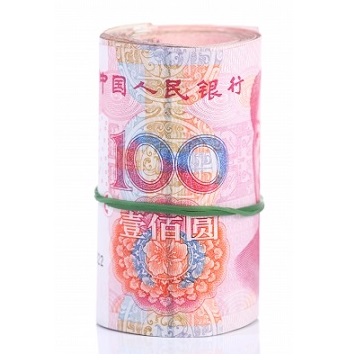
Image courtesy of Keattikorn at FreeDigitalPhotos.net
More international luxury brands in China have begun to scale down operations as country is beset by economic downturn, the affluents' preference to buy expensive goods overseas and the nationwide crackdown on corruption.
According to a Business Insider report, France luxury giant Louis Vuitton shut its store in the port city of Guangzhou, Guangdong province last November. This was followed by two more closures in Harbin and Urumqi in the provinces of Heilongjiang and Xinjiang. Louis Vuitton, however, said that the closures were part of a marketing strategy adjustment.
In the past two years, other luxury brands have closed stores in the country. Fashion houses Burberry from the UK and Armani from Italy have shut four and five stores, respectively. Apparel, handbag and fragrance specialist Prada reduced the number of its China stores from 49 to 33.
A study conducted by Shanghai-based market research firm Fortune Character Institute or FCI predicts that the country's luxury sales to reach $25.8 billion this year, a marginal 3 percent increase from 2014 and slower than the 11 percent growth forecast for the global market.
The research also revealed that although Chinese consumers accounted for 46 percent of the overall luxury goods purchase, the figures for their home market are just 10 percent of global sales, the lowest since 2012.
FCI director Zhou Ting said, "Store openings are no longer a major way for international luxury brands to expand in the China market. Over the next two years we expect these brands to close even more stores than before."
"But if you think luxury brands are taking a totally defensive strategy in China, you would be wrong. The closures are only a small part of a thorough strategy adjustment they are undertaking in China," he added.
The massive anti-corruption and austerity campaign launched by President Xi Jinping in 2013 also had a big impact on the luxury market as government officials were barred from receiving gifts. Spending for such tokens was a major driver in the domestic luxury consumption.
More Sourcing News
Read Also

关注 “环球资源外贸” 官方微信,获取实时外贸资讯
iOS & Android
iOS & Android(Mainland China)
Copyright © 2026 Publishers Representatives Limited. All rights reserved.