




In the dynamic landscape of China's economic development, Guangzhou and Shenzhen stand as two formidable powerhouses in the southern region, each carving out distinct paths to success while competing and complementing each other in the national and global economy. These metropolises, both located in Guangdong Province, represent different models of Chinese urban development and economic growth, offering unique opportunities and challenges for businesses considering investment or expansion in southern China.
Guangzhou, with its history spanning over two millennia as a trading hub, has evolved from the historic "Canton" that first opened China to foreign trade into a modern, comprehensive metropolitan center. Its economic development builds upon a rich foundation of commerce, manufacturing, and cultural exchange. The city's GDP has consistently ranked among China's top tier, with a diverse economic structure that combines traditional industries with modern services and emerging technologies.
In contrast, Shenzhen's meteoric rise from a fishing village to a global technology hub in just four decades represents China's most successful experiment in rapid urbanization and economic transformation. As China's first Special Economic Zone, Shenzhen has become synonymous with innovation, entrepreneurship, and technological advancement, attracting massive domestic and international investment in high-tech industries.
Table Of Contents
Risk Assessment and Strategic Recommendations
Business Environment
The business environments of these two cities reflect their distinct developmental paths and strategic positioning. Guangzhou maintains its traditional strength as a comprehensive commercial center, with a business environment that accommodates various industries and enterprise scales. The city's business registration system, refined over years of international trade, offers a streamlined process for both domestic and foreign enterprises, supported by a well-established legal and regulatory framework.
Shenzhen's business environment is characterized by its emphasis on innovation and efficiency. The city has pioneered numerous reforms in business registration and operation, offering a highly digitalized administrative system that significantly reduces bureaucratic procedures. Its business-friendly policies particularly favor technology companies and startups, with special incentives for high-tech enterprises and R&D-intensive operations.
Industry Clusters
The industrial structure of these cities reveals their complementary nature in China's economic landscape. Guangzhou has developed strong clusters in automobile manufacturing, petrochemicals, and electronics, while maintaining its position as a crucial hub for trade and logistics. The city's industrial base is more diversified, with significant presence in traditional manufacturing, modern services, and emerging technologies.
Shenzhen has established itself as a global leader in technology and innovation, home to industry giants like Tencent, Huawei, and DJI. The city's industrial focus centers on electronics, telecommunications, new energy, and biotechnology. The integration of research, development, and manufacturing capabilities has created a complete industrial chain that supports rapid prototyping and production scaling.
Infrastructure Development
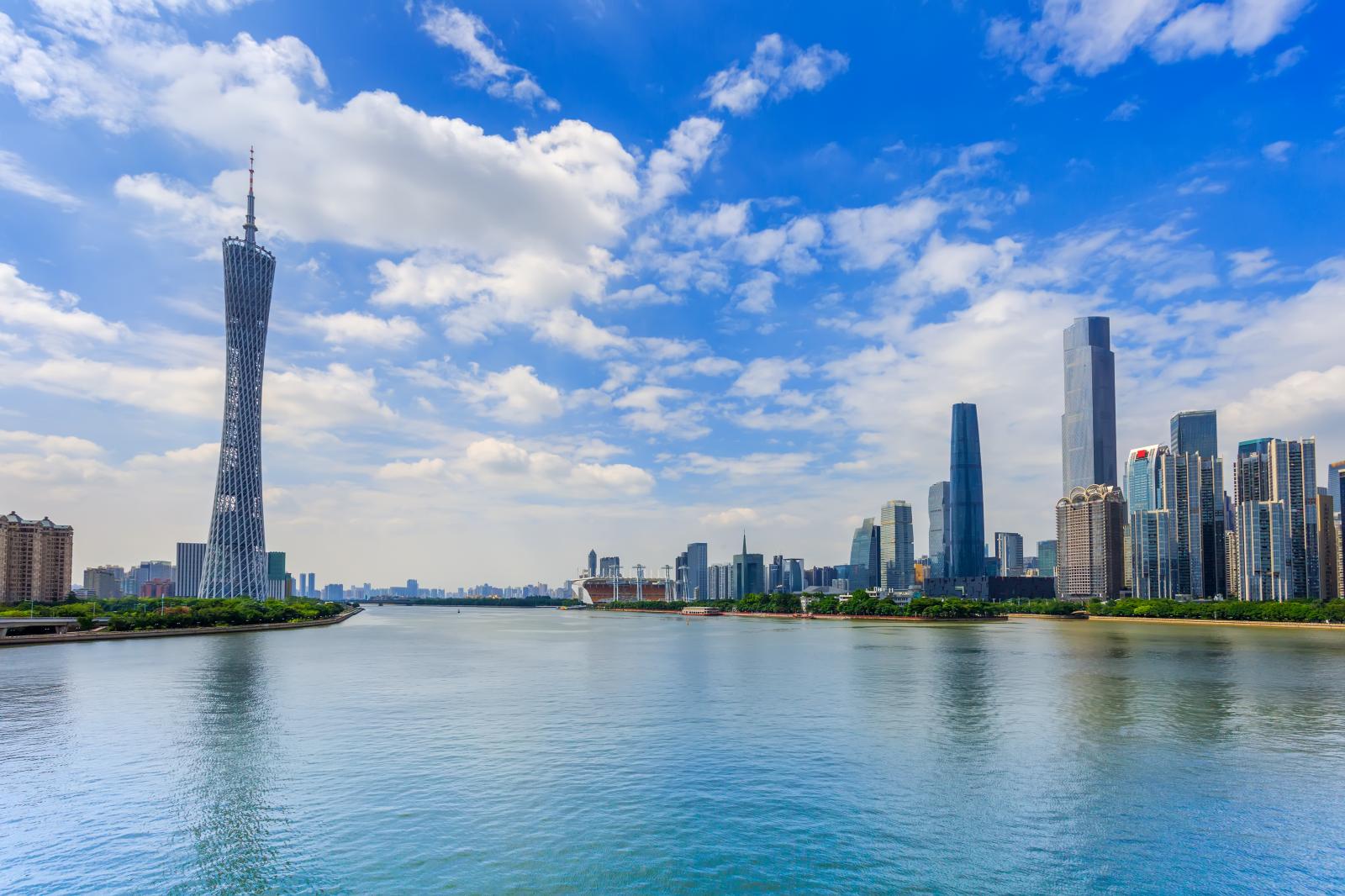
Both cities have invested heavily in infrastructure, though with different emphases reflecting their economic priorities. Guangzhou's infrastructure development builds on its historical role as a transportation hub, featuring one of Asia's largest airports, an extensive port system, and comprehensive rail networks connecting to major Chinese cities. The city's urban planning emphasizes sustainable development and the integration of historical preservation with modern functionality.
Shenzhen's infrastructure development has focused on supporting its technology-driven economy, with state-of-the-art digital infrastructure, efficient public transportation, and modern urban facilities. The city's proximity to Hong Kong has influenced its infrastructure planning, with multiple cross-border facilities facilitating international business operations.
Operating Costs
Cost considerations remain crucial for businesses evaluating these locations. Guangzhou generally offers more moderate operating costs, particularly in real estate and labor, compared to Shenzhen. The city's broader geographic spread allows for more flexible location choices, with varying cost levels in different districts. Traditional industrial areas offer competitive rates for manufacturing operations, while central business districts command premium prices reflecting their strategic value.
Shenzhen's operating costs, especially in core areas, have risen significantly with its economic success. Real estate prices in prime locations rival those of first-tier global cities, though the city's extensive territory still offers more affordable options in peripheral areas. Labor costs are generally higher than in Guangzhou, particularly for technical talent, reflecting the city's focus on high-tech industries and innovation.
Talent Resources
The talent landscape in these cities reflects their different development strategies. Guangzhou benefits from a rich educational infrastructure, hosting numerous prestigious universities and research institutions. The city's talent pool is diverse, with strengths in both traditional industries and emerging sectors. The presence of established educational institutions ensures a steady supply of qualified professionals across various fields.
Shenzhen's talent strategy focuses on attracting and retaining high-caliber professionals, particularly in technology and innovation sectors. Despite having fewer traditional universities, the city has developed innovative approaches to talent development, including partnerships with leading institutions and extensive professional training programs. The city's dynamic environment and high salaries attract young, skilled professionals from across China and internationally.
Innovation Ecosystem
The innovation ecosystems of both cities have distinct characteristics. Guangzhou's approach to innovation builds on its comprehensive industrial base, with significant investments in research facilities and innovation platforms. The city has established several national-level development zones and industrial parks, fostering collaboration between traditional industries and new technologies.
Shenzhen's innovation ecosystem is more focused and intensive, with one of the highest concentrations of R&D investment in China. The city's innovation culture encourages rapid iteration and commercialization of new technologies. The presence of numerous technology companies, research institutes, and innovation centers creates a self-reinforcing ecosystem that continues to attract new talent and investment.
Market Access
Both cities offer excellent market access, though through different channels. Guangzhou's strategic position in the Pearl River Delta provides extensive access to domestic markets, supported by well-established distribution networks and logistics infrastructure. The city's traditional role in international trade continues to facilitate global market access, particularly for consumer goods and manufacturing.
Shenzhen's market access advantages stem from its position as a technology hub and its proximity to Hong Kong. The city serves as a crucial link in global technology supply chains, while also providing access to China's massive domestic market. Its position in the Greater Bay Area initiative enhances its role as a gateway for international business.
Government Support
Government support in both cities reflects local priorities and development strategies. Guangzhou's government support emphasizes balanced development across industries, with policies supporting both traditional sectors and emerging industries. The city offers various financial incentives and support programs, particularly for projects aligning with its industrial upgrading goals.
Shenzhen's government support focuses strongly on innovation and technology development. The city provides substantial funding for R&D, intellectual property protection, and technology commercialization. Special policies support high-tech enterprises and startups, including tax incentives, grants, and streamlined administrative procedures.
Risk Assessment and Strategic Recommendations
For businesses considering investment in either city, careful evaluation of risks and opportunities is essential. Guangzhou offers a more stable, diversified business environment with moderate costs and comprehensive support systems. The city's risks primarily relate to increasing competition and the challenges of industrial upgrading.
Shenzhen presents higher potential returns but also higher operating costs and more intense competition, particularly in technology sectors. The city's rapid development pace requires businesses to maintain high adaptability and innovation capabilities.
Strategic recommendations for businesses should consider:
- Industry alignment with local strengths and development priorities
- Cost structures and resource requirements
- Market access needs and supply chain considerations
- Talent requirements and availability
- Innovation capabilities and ecosystem integration
The choice between Guangzhou and Shenzhen should align with business objectives, industry focus, and operational requirements. Companies in traditional manufacturing or trade might find Guangzhou's comprehensive environment more suitable, while technology-focused enterprises might benefit more from Shenzhen's innovation ecosystem.
Future Prospects
Both cities continue to evolve, with ambitious development plans aligned with national strategies. Guangzhou is strengthening its position as a comprehensive international commerce center while developing new capabilities in technology and innovation. The city's future development emphasizes sustainable growth and industrial upgrading.
Shenzhen is further consolidating its position as a global technology hub, with increasing focus on emerging technologies like artificial intelligence, biotechnology, and new energy. The city's integration into the Greater Bay Area initiative promises new opportunities for cross-border collaboration and international business development.
The continued development of both cities, supported by national policies and regional integration initiatives, ensures their importance in China's economic future. Businesses considering investment in southern China should carefully evaluate their specific needs and objectives against the distinct advantages offered by each city, while remaining mindful of the dynamic nature of China's economic development.
Also Read:
- Shenzhen Innovation Hub
- Top Manufacturers in Shenzhen
- Shenzhen Factories for Sourcing
- Shenzhen Manufacturing Companies
- Hong Kong vs Shenzhen Comparison
- Guangzhou vs Shenzhen Cities
- Shanghai vs Shenzhen Business Hub
- SEG Electronics Market Guide
- Shenzhen Electronics Market
- Shenzhen Connector Production
- Top Shenzhen Clothing Manufacturers
- Leading Shenzhen Mobile Phone Manufacturers
- Top Shenzhen Electronics Manufacturers
- Shipping from Shenzhen to USA

