




In the rapidly evolving landscape of Asian business hubs, Hong Kong and Shenzhen stand as two remarkable metropolises, each offering unique advantages and opportunities for global businesses. These cities, separated by a mere border yet distinct in their development trajectories, represent different facets of modern Asian economic prowess. Hong Kong, with its established international financial center status and century-old trading heritage, continues to serve as a gateway to global markets. Meanwhile, Shenzhen has transformed from a fishing village to a technology powerhouse in just four decades, embodying China's economic miracle and innovative spirit.
Table Of Contents
Historical Evolution and Economic Significance
Contemporary Business Environment
Infrastructure and Connectivity
Workforce and Talent Considerations
Market Access and Regional Integration
Operational Costs and Considerations
Future Trajectory and Opportunities
Strategic Recommendations for Businesses
Historical Evolution and Economic Significance
The tale of these two cities presents a fascinating study in contrasting development paths. Hong Kong's journey from a British colony to a Special Administrative Region of China has preserved its unique position as a bridge between East and West. Its development was marked by careful cultivation of free market principles, robust legal frameworks, and international business practices. The city's transformation into a global financial center was gradual but decisive, built on the foundations of trade, banking, and professional services.
Shenzhen's story, however, reads like an economic miracle. Selected as China's first Special Economic Zone in 1980, the city experienced unprecedented growth under Deng Xiaoping's reform and opening-up policy. In mere decades, Shenzhen evolved from a modest town into a global technology hub, earning the moniker "China's Silicon Valley." This rapid transformation was driven by strategic government planning, massive infrastructure investment, and an unwavering focus on innovation and technology.
Contemporary Business Environment
Regulatory Framework and Financial Services
Hong Kong's business environment continues to be defined by its common law system, low tax rates, and transparent regulatory framework. The city's financial services sector remains one of its core strengths, with a sophisticated banking system, active stock market, and deep pool of professional expertise. The Hong Kong Stock Exchange (HKEX) serves as a crucial fundraising platform for both Chinese and international companies, while the city's banking sector facilitates significant cross-border transactions.
Shenzhen, operating under mainland China's legal system, has developed its own advantages through special economic policies and reforms. The Shenzhen Stock Exchange, focusing on tech and innovation-driven companies, complements the city's role as a technology hub. The regulatory environment, while different from Hong Kong's, has become increasingly sophisticated, particularly in supporting technology and innovation-driven enterprises.
Technology and Innovation Landscape
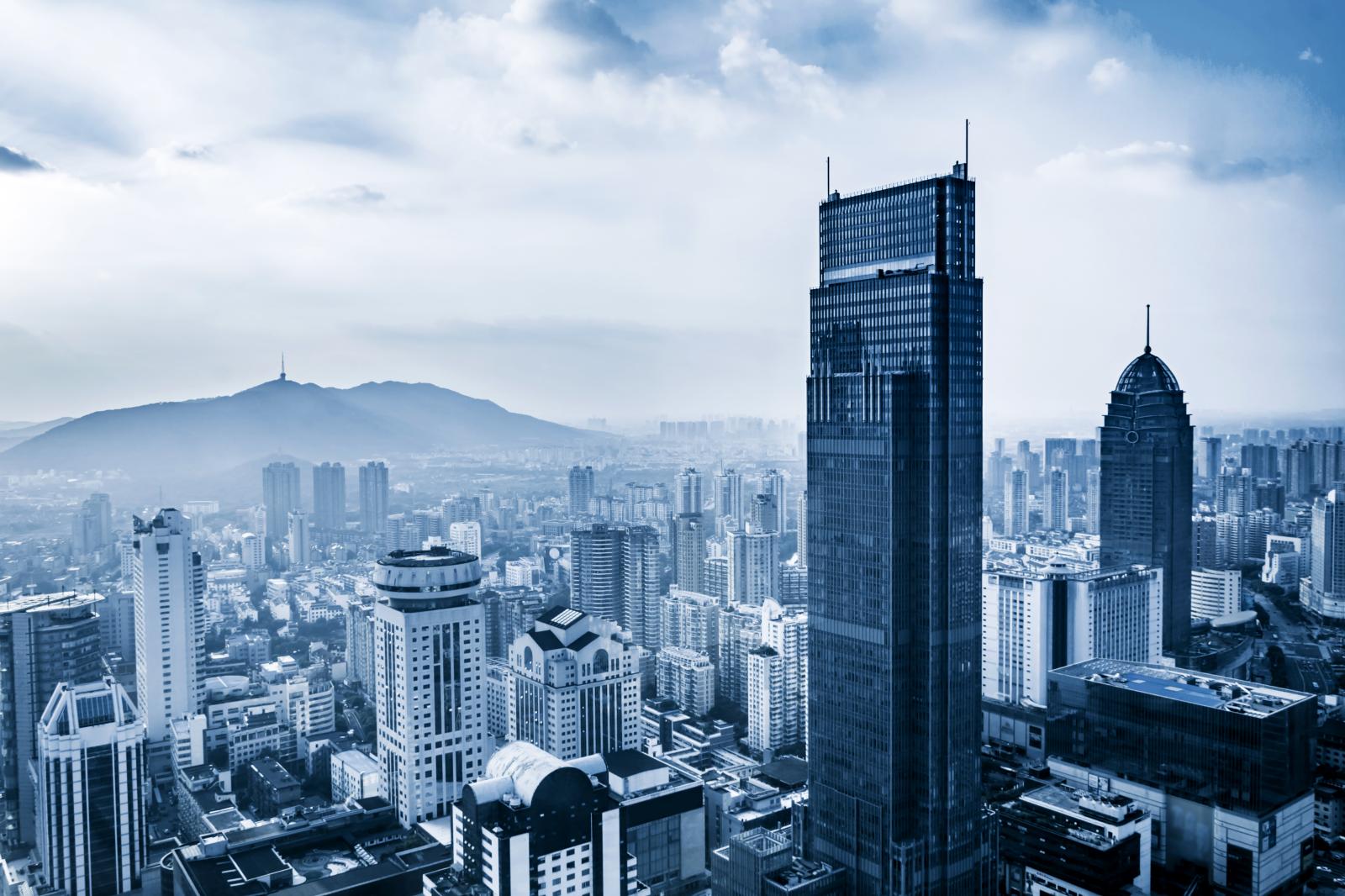
While Hong Kong has traditionally been known for its financial services, the city is actively developing its innovation and technology sector. The Hong Kong Science Park and Cyberport are nurturing new generations of startups, while government initiatives support research and development in various fields, including fintech, biotech, and artificial intelligence.
Shenzhen, however, has already established itself as a global technology leader. Home to tech giants like Tencent, Huawei, and DJI, the city has developed a comprehensive ecosystem supporting everything from research and development to manufacturing and distribution. The presence of thousands of technology companies, coupled with strong manufacturing capabilities, makes Shenzhen a unique innovation hub where ideas can quickly transform into products.
Infrastructure and Connectivity
The physical and digital infrastructure of both cities reflects their different development priorities. Hong Kong boasts world-class transportation infrastructure, including one of the world's busiest airports, efficient public transportation, and extensive port facilities. The city's digital infrastructure is equally impressive, with high internet penetration rates and reliable telecommunications networks.
Shenzhen's infrastructure development has been remarkable in its speed and scale. The city has built extensive metro systems, high-speed rail connections, and modern ports. Its digital infrastructure is particularly advanced, with widespread 5G coverage and smart city initiatives positioning it as a testing ground for future urban technologies.
Workforce and Talent Considerations
The talent pools in both cities reflect their economic focuses. Hong Kong's workforce is known for its international outlook, strong language skills, and expertise in financial and professional services. The city continues to attract global talent, though high living costs present challenges for some businesses.
Shenzhen's workforce is younger, tech-savvy, and entrepreneurial. The city attracts talent from across China and increasingly from abroad, particularly in technology and innovation sectors. While labor costs are generally lower than in Hong Kong, the competition for skilled technical talent is intense.
Market Access and Regional Integration
Both cities play crucial roles in regional integration, particularly within the Greater Bay Area initiative. Hong Kong's position as an international financial center and its established connections with global markets make it an ideal platform for companies looking to expand internationally. The city's role in the Belt and Road Initiative further enhances its strategic importance.
Shenzhen's proximity to manufacturing hubs in the Pearl River Delta and its strong connections within mainland China's market make it an excellent base for companies focusing on the Chinese market or those requiring close integration with manufacturing capabilities.
Operational Costs and Considerations
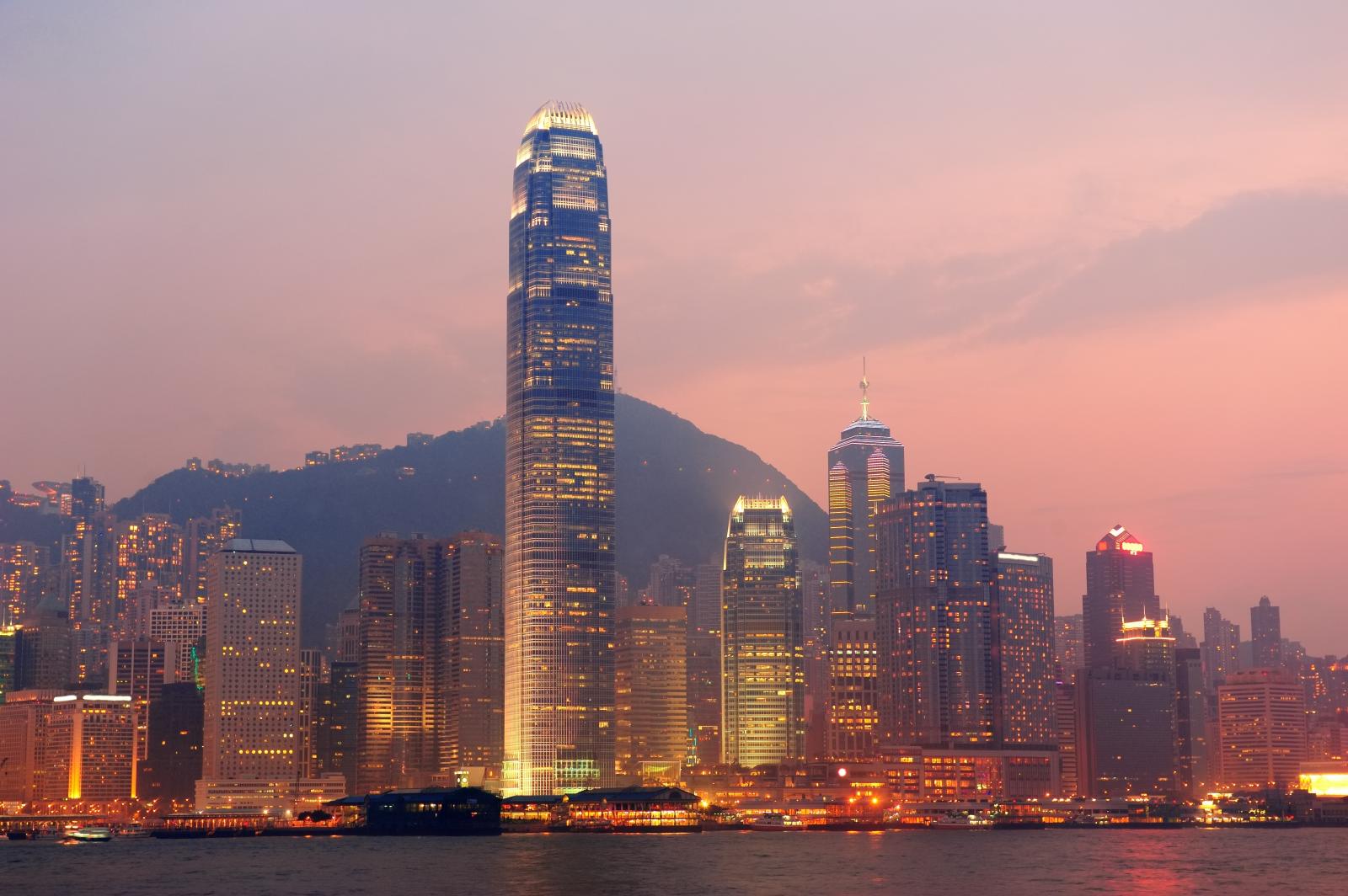
Operating costs present significant differences between the two cities. Hong Kong's high real estate costs and living expenses can be challenging for businesses, particularly startups and small enterprises. However, these costs are often offset by the city's tax advantages and efficient business environment.
Shenzhen typically offers lower operational costs, though prices have risen significantly in recent years. The city's cost structure remains competitive, particularly when considering the access to manufacturing capabilities and the technology ecosystem.
Future Trajectory and Opportunities
Looking ahead, both cities are positioning themselves for future growth while addressing current challenges. Hong Kong is diversifying its economy beyond financial services, with particular emphasis on innovation and technology. The city's integration into the Greater Bay Area presents new opportunities while maintaining its unique advantages under the "One Country, Two Systems" framework.
Shenzhen continues to push the boundaries of innovation and technology development. The city's future plans emphasize sustainable development, further technological advancement, and increased international cooperation. The ongoing development of the Greater Bay Area is expected to create new synergies between the two cities.
Strategic Recommendations for Businesses
For businesses considering either or both locations, a careful analysis of specific needs and objectives is essential. Companies in financial services, professional services, or those requiring strong international connections might find Hong Kong more suitable. The city's established legal framework and global network remain significant advantages.
Businesses focused on technology, manufacturing, or the Chinese market might find Shenzhen more advantageous. The city's innovation ecosystem, manufacturing capabilities, and lower operational costs can provide significant benefits for certain business models.
Conclusion
Hong Kong and Shenzhen, rather than being competitors, are increasingly complementary in their roles and capabilities. The future success of businesses in the region may well lie in leveraging the unique advantages of both cities. As the Greater Bay Area initiative progresses, the synergies between these two dynamic metropolises are likely to grow stronger, creating new opportunities for businesses that can effectively operate across both environments.
Understanding and utilizing the distinct advantages of each city while navigating their challenges requires careful planning and strategy. Success in this dynamic region demands a nuanced approach that considers not just current conditions but also the evolving relationship between these two remarkable cities and their roles in the broader Asian and global economy.
FAQS
1. How do operational costs compare between Hong Kong and Shenzhen?
Hong Kong generally has higher operational costs, particularly in terms of real estate and living expenses. Office space, housing, and general living costs rank among the world's highest. Shenzhen, while experiencing rising costs in recent years, typically offers more competitive operational expenses. However, the cost differential should be weighed against other factors such as market access, business environment, and regulatory requirements.
2. What are the tax implications of setting up in either city?
Hong Kong maintains a simple and low tax regime, with corporate tax rates around 16.5% and no VAT or GST. Personal income tax rates are also relatively low. Shenzhen, operating under mainland China's tax system, has a standard corporate income tax rate of 25%, though high-tech enterprises may qualify for a reduced rate of 15%. The city also implements China's VAT system and other mainland tax regulations.
3. How do regulatory frameworks differ between the two cities?
Hong Kong operates under a common law system with well-established business regulations, independent judiciary, and strong intellectual property protection. Shenzhen follows mainland China's civil law system, with special economic zone policies that provide certain regulatory advantages over other mainland cities. Understanding these differences is crucial for business planning and compliance.
4. What are the key compliance requirements for foreign businesses?
In Hong Kong, foreign businesses face relatively few restrictions and can generally operate under the same rules as local companies. The process of company formation is straightforward, with minimal capital requirements. In Shenzhen, foreign businesses must navigate mainland China's regulatory framework, including specific requirements for foreign investment, capital controls, and industry-specific regulations.
Also Read:
- Shenzhen Innovation Hub
- Top Manufacturers in Shenzhen
- Shenzhen Factories for Sourcing
- Shenzhen Manufacturing Companies
- Hong Kong vs Shenzhen Comparison
- Guangzhou vs Shenzhen Cities
- Shanghai vs Shenzhen Business Hub
- SEG Electronics Market Guide
- Shenzhen Electronics Market
- Shenzhen Connector Production
- Top Shenzhen Clothing Manufacturers
- Leading Shenzhen Mobile Phone Manufacturers
- Top Shenzhen Electronics Manufacturers
- Shipping from Shenzhen to USA

