





Table of Contents
Part 1. Manufacturing Machine Overview
Part 2. Key Trends and Projections of Manufacturing Machines
Part 3. 9 Different Types of Manufacturing Machines
Part 4. Manufacturing Machines Trends
Part 5. FAQs: Manufacturing Machines
Part 1. Manufacturing Machine Overview
The global manufacturing equipment market is dominated by key players such as Applied Materials Inc, Tetra Laval International SA, and Tokyo Electron Ltd, encompassing various sectors like textile, rubber and plastics, and printing machinery.
Valued at US $572.62 billion in 2021, the market is projected to reach US$793.85 billion by 2025, growing at a 9% CAGR. This growth is largely fueled by technological advancements spurring innovation in industrial machinery.
Region-wise, Asia Pacific leads with a 56% market share in 2020, followed by Western Europe at 20%. Africa holds the smallest share in the global market.

Part 2. Key Trends and Projections of Manufacturing Machines
- Continued Integration of Digital Technologies: The adoption of IoT, AI, and robotics in manufacturing processes is expected to continue growing. These technologies enhance efficiency, reduce costs, and improve product quality. The trend towards smart factories and Industry 4.0 is likely to accelerate, with more manufacturers investing in digital transformation to stay competitive
- Sustainability and Circular Economy: There's an increasing focus on sustainability within the manufacturing sector. This includes the adoption of green manufacturing practices and the integration of renewable energy sources into production processes. The circular economy model, which emphasizes recycling and reusing materials, is gaining traction. Manufacturers are likely to invest more in equipment that supports these practices.
- Supply Chain Resilience: The disruptions experienced in previous years have underscored the importance of supply chain resilience. Manufacturers might invest in more versatile and adaptable equipment, enabling them to pivot production lines more easily in response to supply chain challenges or shifts in demand.
- Localization and Nearshoring: To mitigate supply chain risks, there's a trend towards localization and nearshoring of manufacturing operations. This could influence the types of manufacturing equipment in demand, with a possible increase in smaller, more flexible machines suitable for localized production facilities.
- Advanced Materials and 3D Printing: The use of advanced materials, such as composites and high-performance alloys, is on the rise. Additionally, 3D printing technology is becoming more prevalent in manufacturing, not just for prototyping but also for producing end-use parts. This could lead to a shift in the market towards equipment capable of processing these materials and technologies.
Part 3. 9 Different Types of Manufacturing Machines
Manufacturing machines are the backbone of all industries. They are responsible for transforming raw materials into finished goods, ready for consumption or use in other production processes. These machines vary greatly in size, complexity, and function, and can be found in industries ranging from food and beverage to automotive, aerospace, pharmaceuticals, and more. This article aims to introduce the various types of manufacturing machines used in different sectors.
| Machine Type | Primary Function | Key Differences | Key Usage | Typical Industries |
|---|---|---|---|---|
| Milling Machines | Cutting and shaping materials with rotary cutters | Versatile in operation, capable of performing various cutting operations | Prototyping, tool making, custom manufacturing, fabrication | Aerospace, automotive, manufacturing, tooling |
| Lathes | Shaping materials by rotating them against a cutting tool | Primarily used for turning operations on cylindrical parts | Turning shafts, creating threaded parts, prototyping | Aerospace, automotive, manufacturing |
| Grinding Machines | Finishing surfaces by removing material with an abrasive wheel | Specialized in surface finishing and precision work | Surface finishing, material removal for precision fits | Aerospace, automotive, tool and die making, manufacturing |
| Drilling Machines | Creating cylindrical holes in a workpiece or enlarging existing holes | Primarily designed for drilling but can perform other simple operations | Production work, maintenance, fabrication | Construction, manufacturing, woodworking |
| Welding Machines | Joining materials together using heat, pressure, or a combination of both | Variety of processes depending on materials and joint requirements | Manufacturing, automotive, aerospace, construction | Construction, automotive, manufacturing, metal fabrication |
| CNC Machines | Automated control of machining tools and 3D printers using computer programming | High precision and repeatability, adaptable to various manufacturing processes | Prototyping, production, medical devices, aerospace | Aerospace, automotive, medical, electronics |
| Assembly Line Equipment | Mechanized process for moving and assembling parts along a conveyor belt | Specialized for mass production with minimal human intervention | Automotive, electronics, consumer goods manufacturing | Automotive, electronics, consumer goods |
| Robotic Manufacturing Machines | Automated and programmable tasks in manufacturing, often with articulated robotic arms | Flexibility in tasks, programmable for a wide range of applications | Welding, painting, assembly, inspection, packaging | Automotive, electronics, aerospace, manufacturing |
| Additive Manufacturing Machines (3D Printers) | Creating objects by layering material, often based on digital models | Additive process, distinct from subtractive manufacturing methods like milling, turning, grinding | Prototyping, tooling, custom manufacturing, medical implants, aerospace components | Aerospace, medical, automotive, consumer goods, education |
1. Milling Machines
Milling machines are one of the most common types of manufacturing machines. They are used to cut, shape, and drill a material (usually metal) by removing material from it. Milling machines use a rotating cutting tool called a milling cutter, which can move along multiple axes to create a variety of shapes, slots, and holes. They come in various types, including horizontal milling machines, vertical milling machines, and turret milling machines.
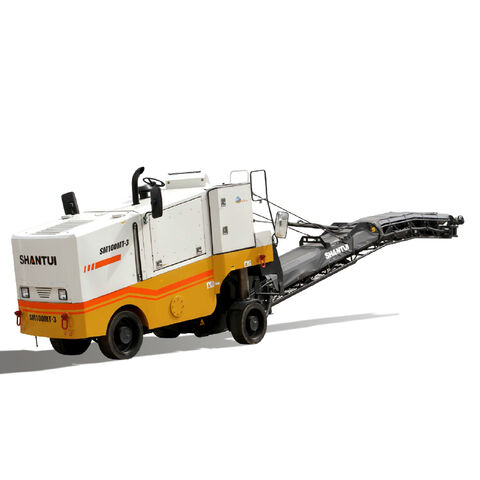
Famous brand SHANTUI Milling machine
2. Lathes
A lathe is another crucial machine in the manufacturing process. It is used to perform various operations such as cutting, sanding, knurling, drilling, or deformation by rotating the workpiece on its axis against the cutting tool. Lathes are most commonly used in metalworking, but they are also used in woodturning, metal spinning, and glassworking.
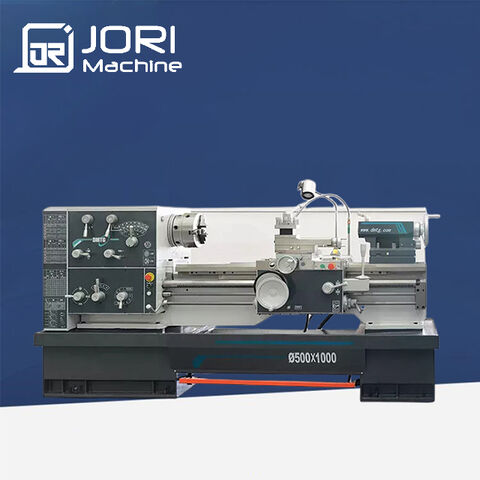
Factory Direct Sale Hot Selling Metal Maual Processing Lathe Machine Metal Manufacturing
3. Grinding Machines
Grinding machines are used to refine the surface of a workpiece. They operate by using an abrasive wheel as the cutting tool. Each grain of abrasive on the wheel's surface cuts a small chip from the workpiece via shear deformation. There are various types of grinding machines, including surface grinders, cylindrical grinders, and centerless grinders.
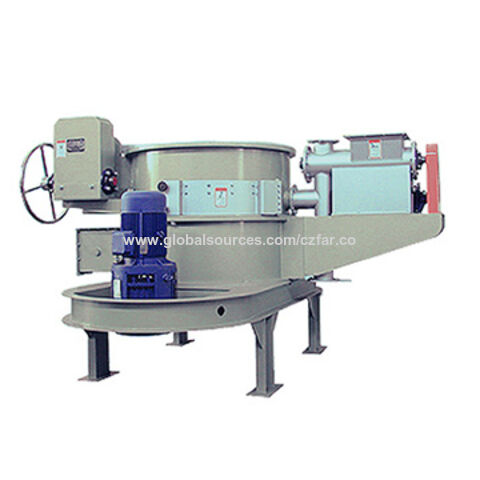
Changzhou Fish Feed Herb Grinding Machine From Good Manufacturers
4. Drilling Machines
Drilling machines, as the name suggests, are used to drill holes in the material. They come in different types and sizes for various applications. Some common types include upright drilling machines, radial drilling machines, and multiple spindle drilling machines.
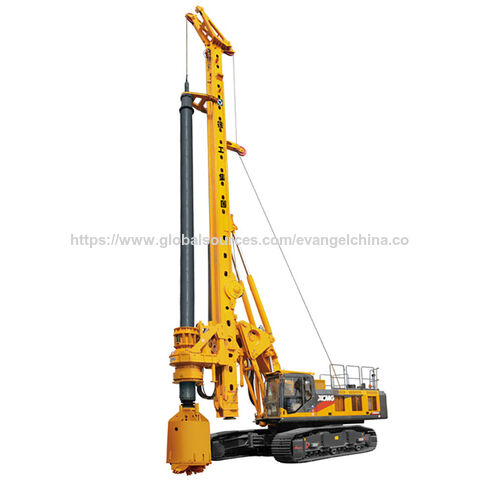
Rotary drilling machine, drilling rig, XR150D, drilling depth
5. Welding Machines
Welding machines are used to join two materials (usually metals) together by applying heat to their surfaces. The heat melts the surfaces of the two materials, causing them to fuse together as they cool. There are many types of welding machines, including arc welding machines, resistance welding machines, and laser welding machines.
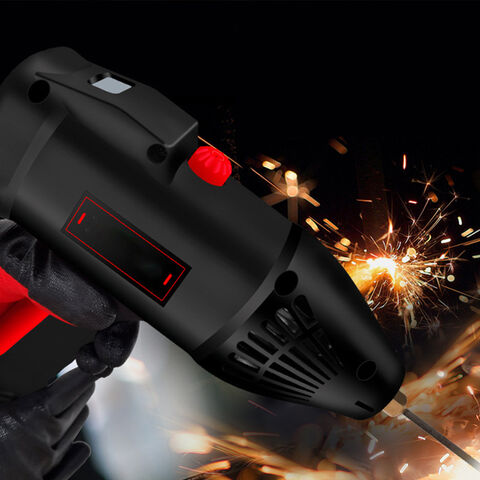
Digital Intelligent Electric Welder Machine Lightweight Portable HandHeld Mini ARC Welding Machine
6. Computer Numerical Control (CNC) Machines
CNC machines have revolutionized the manufacturing industry. These machines use computer programming inputs to control the movement of factory tools and machinery. This allows for high precision and efficiency in manufacturing operations. CNC machines can be used for various processes such as milling, turning, drilling, grinding, shaping, and cutting.
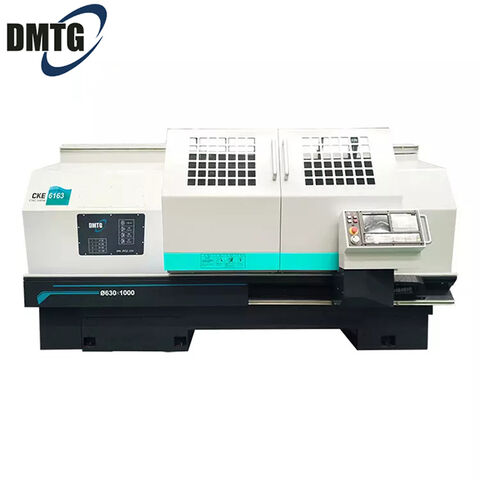
DMTG Flat Bed CNC Lathe Machine CKE6150
7. Assembly Line Equipment
Assembly line equipment refers to the machinery used in an assembly line process where a product is assembled as it moves from workstation to workstation. Each station adds a specific component or performs a specific task until the product is complete. This equipment can include conveyors, robotic arms, fastening tools, and packaging machinery.
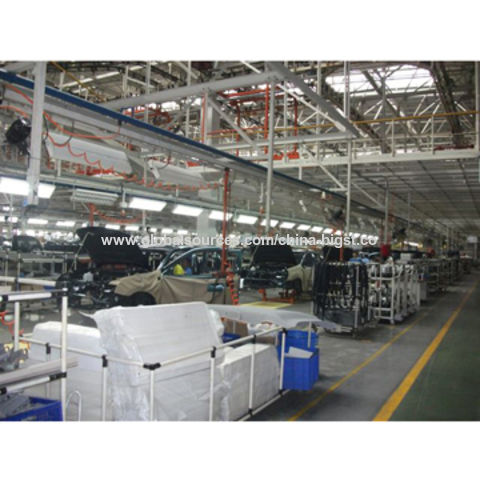
Auto CKD/SKD Assembly Line and Equipment
8. Robotic Manufacturing Machines
Robotic manufacturing machines are becoming increasingly prevalent in modern manufacturing processes. These machines can perform a variety of tasks with high precision and speed, often surpassing human capabilities. They can be programmed to perform tasks such as welding, painting, assembly, picking and placing objects, product inspection, and testing.
9. Additive Manufacturing Machines (3D Printers)
Additive manufacturing machines or 3D printers create three-dimensional objects from a digital file by laying down successive layers of material until the object is complete. This technology has opened up new possibilities in manufacturing by allowing for the production of complex shapes that would be difficult or impossible to produce with traditional manufacturing techniques.
In conclusion, manufacturing machines play a pivotal role in transforming raw materials into finished products. They enhance productivity, improve efficiency, and ensure precision in the production process. As technology continues to evolve, we can expect to see even more advanced manufacturing machines in the future.
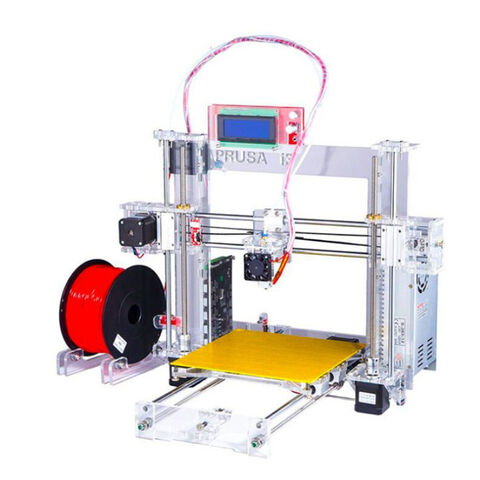
Hot sales Desktop acrylic 3d printer
Part 4. Manufacturing Machines Trends: Latest Manufacturing Technology in the Industry
As we progress further into the 21st century, the manufacturing industry is undergoing a significant transformation driven by advancements in technology. From automation and robotics to additive manufacturing and the Internet of Things (IoT), these technologies are revolutionizing how products are designed, produced, and distributed. This article aims to introduce some of the latest manufacturing technologies shaping the industry.
Automation and Robotics
Automation and robotics have been at the forefront of manufacturing technology for several years. Advancements in machine learning and artificial intelligence (AI) have enabled machines to perform complex tasks with greater efficiency and precision than human workers. Robots can now be programmed to perform a variety of tasks, from assembling parts to inspecting finished products, reducing the risk of human error and increasing productivity.
Robotic Process Automation (RPA) is another trend gaining traction in the manufacturing industry. RPA uses software robots or "bots" to automate routine tasks, such as data entry, that were previously performed by humans. This not only saves time but also improves accuracy and efficiency.
Additive Manufacturing
Additive manufacturing, also known as 3D printing, is another technology transforming the manufacturing industry. Unlike traditional manufacturing processes that remove material to create a product, additive manufacturing builds products layer by layer from a digital 3D model. This allows manufacturers to create complex geometries that would be difficult or impossible to achieve with conventional methods.
3D printing technology has evolved significantly in recent years, with new materials and techniques enabling a wider range of applications. For example, metal 3D printing is now used to produce parts for aerospace and automotive applications, while bioprinting is being explored for medical applications such as tissue engineering.
Internet of Things (IoT)
The Internet of Things (IoT) refers to the network of physical devices, vehicles, appliances, and other items embedded with sensors and software that enable these objects to connect and exchange data. In the context of manufacturing, IoT can provide real-time monitoring of production processes, predictive maintenance of equipment, and improved inventory management.
For example, sensors on a production line can monitor the performance of machinery and alert operators to potential issues before they cause downtime. Similarly, IoT-enabled inventory systems can track the usage of materials and automatically reorder supplies when they run low.
Artificial Intelligence (AI) and Machine Learning
AI and machine learning are being incorporated into manufacturing processes to improve efficiency and quality. AI algorithms can analyze vast amounts of data to identify patterns and make predictions. In manufacturing, this can be used for predictive maintenance, where AI predicts when equipment is likely to fail so maintenance can be scheduled before a breakdown occurs.
Machine learning, a subset of AI, involves machines learning from data without being explicitly programmed. In manufacturing, machine learning algorithms can be used to optimize production schedules, improve product design, and enhance quality control.
Augmented Reality (AR) and Virtual Reality (VR)
AR and VR technologies are being used in manufacturing for training purposes, product design, and assembly processes. AR overlays digital information onto the physical world, allowing workers to see instructions or diagrams overlaid on the equipment they are using. VR creates a fully immersive digital environment, which can be used for training workers in a safe and controlled setting.
In conclusion, the latest technologies in the manufacturing industry are driving significant changes in how products are designed, produced, and distributed. As these technologies continue to evolve and mature, they will undoubtedly continue to shape the future of manufacturing.
Part 5. FAQs: Manufacturing Machines

What machines are used to manufacture?
Manufacturing involves a wide range of machines, each designed to perform specific functions in the production process.
One of the most common types of manufacturing machines is the milling machine. This tool is used to cut and shape solid materials like metal or wood. It operates by moving the workpiece against a rotating cutter.
Another key machine in manufacturing is the lathe, which rotates a workpiece on its axis to perform various operations such as cutting, sanding, knurling, or drilling. It's often used in woodturning, metalworking, and metal spinning.
Drilling machines are also essential in manufacturing. They are used to bore holes in various materials or to enlarge existing holes. Drill presses and hand-held drills are common examples.
In addition, the grinding machine is crucial for smoothing the surface of workpieces or for grinding objects to specific shapes.
Lastly, the use of computer numerical control (CNC) machines has become increasingly important in modern manufacturing. CNC machines use computer programming inputs to control the movement of factory tools and machinery, allowing for high precision and efficiency in manufacturing operations.

What are manufacturing equipments?
Manufacturing equipment refers to the machinery and devices used in industrial production processes to create finished goods from raw materials. These can range from small tools to large industrial machinery.
Examples of manufacturing equipment include lathes, milling machines, welding machines, and assembly line equipment. Other types of manufacturing equipment include cutting machines, drilling machines, grinding machines, and polishing machines. In addition, many manufacturing processes now employ advanced equipment such as robots and automated machinery.
What are the examples of industrial machinery manufacturing?
Industrial machinery manufacturing involves the production of various machines used in manufacturing and other industrial processes.
For example, companies in this sector may manufacture construction equipment such as cranes, bulldozers, and excavators. They might also produce agricultural machinery like tractors, harvesters, and irrigation equipment.
Other examples include the manufacturing of power generation equipment (such as turbines and generators), material handling equipment (like conveyors and forklifts), and industrial process machinery (such as chemical reactors and centrifuges).
What is an example of a machine product?
A machine product refers to a finished good that has been produced using machinery. This can range from small items like screws and bolts to larger products like cars and airplanes.
One example of a machine product is an automobile engine. The production of an engine involves several manufacturing processes, including casting, machining, assembly, and testing – all of which require the use of various types of machinery.
Another example is a smartphone. The manufacture of smartphones involves several stages, including the production of electronic components, assembly of these components onto a circuit board, installation of the operating system, and final assembly of the phone. Each stage requires specialized machinery designed for precision and efficiency.

