
Table of Contents
Understanding Manufacturing Sourcing
Types of Manufacturing Sourcing
Guidelines for Selecting Manufacturers
How to Source Manufacturers: A Step-by-Step Guide
How to Make the Right Sourcing Decision?
Developing a Sourcing Strategy
Global Sources: One-Stop Platform for Product & Manufacturing Sourcing
US Domestic & Overseas Online Directories
Product sourcing and manufacturing sourcing are critical aspects of any business that deals with tangible goods. They form the backbone of a company's supply chain, influencing everything from the quality of the product to the company's bottom line. This comprehensive guide aims to provide you with a deep understanding of these processes, their importance, and how to effectively navigate them.
Understanding Manufacturing Sourcing
Manufacturing sourcing is a critical business operation involving the identification and procurement of necessary goods or services. It encompasses a wide range of activities such as market research, supplier evaluation, negotiation with vendors, and management of quality, delivery, and costs.
What is Manufacturing Sourcing?
Manufacturing sourcing can be defined as the strategic process of locating and acquiring the necessary goods or services needed for a business's operations. It involves extensive research, vendor evaluation, negotiation, and the management of product quality, delivery, and costs. The goal is to ensure the efficient production of high-quality goods at affordable prices.
Types of Manufacturing Sourcing
There are several types of manufacturing sourcing models, each with its own benefits and challenges. Understanding these models can help businesses choose the best approach for their specific needs and objectives.
ODM (Original Design Manufacturer)
Original Design Manufacturers, or ODMs, design and produce a product while retaining intellectual property rights. They allow customers to brand the product with their logo and make minor modifications.
OEM (Original Equipment Manufacturer)
Original Equipment Manufacturers, or OEMs, take a design from a client and use their technical knowledge and supplier relationships to develop the product. They usually retain intellectual property rights and often do not reveal component sources.
CM (Contract Manufacturer)
Contract Manufacturers, or CMs, offer a higher level of transparency than OEMs. The client provides the design, pays for the services, and retains all intellectual property rights including drawings, schematics, tooling, and the bill of materials.
Guidelines for Selecting Manufacturers
Choosing the right manufacturer is a critical decision that can significantly impact your business's success. Here are some guidelines to help you make the right choice:
- Research extensively: Utilize search engines like Google to find manufacturers near you, check customer reviews, and look at product specialties.
- Seek referrals: Leverage professional networks and online communities to get recommendations.
- Use classification codes: Use NAICS codes to classify manufacturers and products for easier identification.
- Explore online directories: Platforms like Alibaba can be helpful for finding both existing products and custom manufacturers. Make sure the manufacturers meet specific qualifications.
- Request samples: Before placing a full order, request samples to test and compare.
- Negotiate terms: Between receiving samples and placing an order, continue negotiating terms on payment, MOQ, and other relevant factors.
By considering these factors, you can make a sourcing decision that aligns with your business's needs and goals.
How to Source Manufacturers: A Step-by-Step Guide
Sourcing the right manufacturer is a critical step in the journey of bringing a product to market. Whether you're a startup or an established business, finding a reliable and cost-effective manufacturer can significantly impact your product's quality, price, and success. This comprehensive guide will walk you through the process of sourcing manufacturers step by step.
Step #1 Understanding Your Needs
Assess Your Product Requirements
Before you start looking for a manufacturer, clearly define what you need. Consider materials, design specifications, quantity, and any unique features your product requires. This clarity will help in communicating your needs accurately to potential manufacturers.
Determine Your Budget
Understand your financial constraints and how they impact your choice of manufacturer. Your budget should include not only production costs but also shipping, customs, and any additional fees that may arise.
Step #2 Researching Potential Manufacturers
Start with Online Directories
Online directories like Alibaba, ThomasNet, and Made-in-China can be excellent starting points. These platforms allow you to search for manufacturers by product category and location.
Attend Trade Shows
Trade shows are invaluable for networking and discovering potential manufacturers. They offer the opportunity to meet manufacturers face-to-face, ask questions, and see samples of their work.
Utilize Industry Contacts
Leverage your network. Reach out to peers, mentors, or industry associations for recommendations. Often, personal referrals can lead you to reliable manufacturers.
Step #3 Evaluating Manufacturers
Check for Experience and Expertise
Look for manufacturers with experience in producing products similar to yours. Check their portfolio or ask for samples to assess their quality and expertise.
Assess Their Capacity
Ensure the manufacturer has the capacity to meet your demand, both in terms of quantity and timeline. A factory too small may struggle with large orders, while a too large one might not prioritize your business.
Step #4 Understand Their Quality Control Processes
Quality control is crucial. Inquire about their quality assurance measures, certification, and how they handle defects or production issues.
Communication and Language Barrier
Effective communication is key to a successful partnership. Consider potential language barriers and their responsiveness. Misunderstandings can lead to costly mistakes.
Step #5 Requesting Quotes and Samples
Prepare Detailed Inquiries
When requesting quotes, provide detailed specifications of your product to ensure accurate pricing. Include materials, dimensions, colors, and any other relevant information.
Order Samples
Before committing to a large order, request samples. This allows you to evaluate the manufacturer's quality and whether it meets your expectations.
Step #6 Negotiating Terms
Discuss Pricing and Payment Terms
Negotiate pricing based on your order volume and payment terms that protect both parties. Be clear about expected timelines and any penalties for delays.
Talk About Intellectual Property (IP) Protection
If your product involves proprietary designs or technology, discuss how your IP will be protected. Non-disclosure agreements (NDAs) can safeguard your interests.
Finalize the Manufacturing Agreement
Once you've agreed on terms, finalize them in a manufacturing agreement. This contract should detail product specifications, quality expectations, timelines, and legal obligations.
Step #7 Managing Production and Quality
Stay Engaged Throughout Production
Maintain regular communication with your manufacturer during production. Ask for updates and address any issues promptly to avoid delays.
Arrange for Quality Inspections
Consider hiring a third-party inspection service to conduct quality checks before shipment. This can help identify any issues early on.
Plan for Logistics
Work out the logistics of getting your product from the factory to its final destination. This includes shipping, customs clearance, and storage.
Step #8 Building a Long-Term Relationship
Provide Feedback
After receiving your order, provide feedback to your manufacturer. Highlight what went well and areas for improvement.
Discuss Future Orders
If you're satisfied with the manufacturer's work, discuss plans for future orders. Building a long-term relationship can lead to better pricing and priority treatment.
Stay Informed on Manufacturing Trends
Keep yourself informed about manufacturing trends and technologies. This knowledge can help you negotiate better terms and innovate your product.
Sourcing the right manufacturer is a meticulous process that requires careful planning, research, and negotiation. By following this step-by-step guide, you can increase your chances of finding a manufacturing partner that meets your needs, ensures the quality of your product, and contributes to the success of your business. Remember, the goal is not just to find a manufacturer but to build a relationship that will grow and evolve with your business.
How to Make the Right Sourcing Decision?
In today’s rapidly evolving global market, making the right sourcing decision is more critical than ever. It can significantly impact your business’s operational efficiency, cost-effectiveness, and overall competitiveness. Whether you’re a startup looking to source your first product or an established company diversifying your supplier base, the steps you take to identify and select suppliers can define your path to success. This guide will walk you through essential considerations and strategies to make informed sourcing decisions.
Understanding Your Sourcing Needs
Identify Your Product Requirements Before jumping into the vast sea of potential suppliers, have a clear understanding of what you need. This includes specifications, quality standards, quantities, and delivery timelines. Precise requirements ensure you’re looking in the right direction from the start.
Analyze Your Budget Constraints Budget plays a pivotal role in sourcing decisions. It’s crucial to balance cost with quality. While lower costs can improve margins, they shouldn’t compromise the product's quality or lead to unreliable supply chains.
Exploring Sourcing Options
Local vs. Global Sourcing Deciding between local and global sourcing involves weighing factors like cost, quality, lead time, and supply chain resilience. Local sourcing might offer shorter lead times and easier communication, while global sourcing can be cost-effective and provide access to a wider range of products.
Utilizing Online Marketplaces and Directories Platforms such as Alibaba, Global Sources, and ThomasNet can be invaluable in finding suppliers. They offer extensive databases and tools to filter and contact potential suppliers based on your specific needs.
Conducting Supplier Evaluation
Assessing Supplier Capabilities Once you’ve identified potential suppliers, assess their capabilities to meet your requirements. This can involve reviewing their history, production capacity, quality control processes, and financial stability.
Verifying Supplier Credentials Due diligence is key to avoiding scams and ensuring you’re dealing with legitimate businesses. This can include checking business licenses, certifications, and references. Visiting the supplier’s facilities, either in person or virtually, can provide further assurance.
Evaluating Communication and Responsiveness Effective communication is essential for a successful partnership. Assess how responsive suppliers are to your inquiries and whether they understand and are willing to meet your needs.
Negotiating Terms
Price Negotiation Price is a critical factor, but it’s important to negotiate terms that are fair to both parties. This ensures a sustainable and long-lasting relationship.
Payment Terms and Conditions Negotiate payment terms that protect your interests, such as using escrow services or agreeing on milestone payments for larger orders.
Delivery and Lead Times Agree on realistic delivery schedules. Consider any potential delays and how they might impact your business.
Building Strong Supplier Relationships
Fostering Communication and Trust Open and honest communication fosters trust, which is the foundation of any strong business relationship. Regular check-ins and updates can help maintain this trust.
Partnership Approach Viewing your supplier as a partner rather than just a vendor can lead to better cooperation and mutual growth. Explore ways to support each other’s business objectives.
Leveraging Technology for Better Sourcing Decisions
Supply Chain Management Software Utilize technology to streamline your sourcing process. Supply chain management software can help track supplier performance, manage contracts, and analyze spend.
Data-Driven Decision Making Leverage data analytics to make informed sourcing decisions. Analyzing data trends can help identify opportunities for cost savings, risk mitigation, and supplier optimization.
Staying Informed and Adapting to Changes
Monitoring Market Trends Stay informed about market trends and how they might affect your sourcing strategy. This includes geopolitical developments, commodity price fluctuations, and changes in trade regulations.
Continuous Improvement Regularly review and assess your sourcing strategy. Be open to making adjustments in response to performance feedback, changing market conditions, or evolving business needs.
Making the right sourcing decision is a complex process that requires careful consideration of various factors. By understanding your needs, conducting thorough supplier evaluations, negotiating fair terms, and building strong relationships, you can establish a reliable and effective supply chain. Remember, the goal is not just to find a supplier but to create a partnership that supports your business’s growth and success in the long term. With the right approach and tools, you can navigate the challenges of sourcing and make decisions that position your business for success.
Developing a Sourcing Strategy
A sourcing strategy is a roadmap that guides a business in its procurement processes. It reflects the company's objectives and priorities and should be developed with careful consideration of several key factors.
Key Considerations for Developing a Sourcing Strategy
- Product importance: Your approach may vary depending on the significance and complexity of the equipment or consumables being sourced.
- Competitive environment: Create a list of all the companies you have ever used, conduct a “cost-benefit” analysis while comparing them to potential partners.
- Targeted geographic areas: Expanding the geographical origins of your supply sources ensures access to factories located abroad and facilitates the procurement of products that are unavailable in the domestic market.
- Need for innovation: Co-development is an intriguing prospect, particularly for startups and small to medium-sized businesses. Industrial suppliers and clients share the costs and benefits of innovation as part of a shared goal for continuous improvement.
By considering these factors, you can develop a sourcing strategy that is tailored to your manufacturing sourcing process.
Global Sources: One-Stop Platform for Product & Manufacturing Sourcing
In an era where globalization has transformed the market landscape, businesses are perpetually on the lookout for efficient and reliable platforms that can streamline their sourcing and manufacturing processes. Enter Global Sources, a beacon in the realm of international trade, providing an expansive and integrated platform for product and manufacturing sourcing. This comprehensive platform stands as the ultimate resource for businesses aiming to navigate the complexities of global sourcing, offering a seamless bridge between buyers and suppliers.
Global Sources has meticulously carved its niche as a premier B2B platform, distinguishing itself through its focus on facilitating trade between businesses worldwide and suppliers in China and Asia. What sets this platform apart is not just its vast directory of suppliers and products but its commitment to quality, reliability, and innovation. It caters to a wide range of industries, including electronics, fashion, hardware, and home products, making it a versatile tool for businesses across sectors.
Comprehensive Supplier and Product Database
At the heart of Global Sources is its extensive database of suppliers and products. This database is meticulously curated to ensure that users have access to a wide array of high-quality, verified suppliers. For businesses, this means a reduction in the time and resources spent on vetting potential partners. The platform's user-friendly interface allows businesses to easily search and compare suppliers, view detailed product information, and initiate contact, all within a few clicks.
Quality Assurance and Verification
Understanding the apprehensions businesses face when sourcing globally, Global Sources places a strong emphasis on supplier verification and quality assurance. Suppliers on the platform undergo a rigorous authentication and verification process, which includes checking business licenses, certifications, and production capabilities. This process ensures that businesses connect with reliable suppliers, minimizing risks associated with quality and compliance.
Market Insights and Trends
In addition to connecting buyers and suppliers, Global Sources is a treasure trove of market insights and industry trends. The platform regularly publishes articles, reports, and analyses, providing valuable information on market dynamics, emerging trends, and best practices in sourcing and manufacturing. This wealth of information empowers businesses to make informed decisions, stay ahead of the competition, and adapt to changing market conditions.
Trade Shows and Events
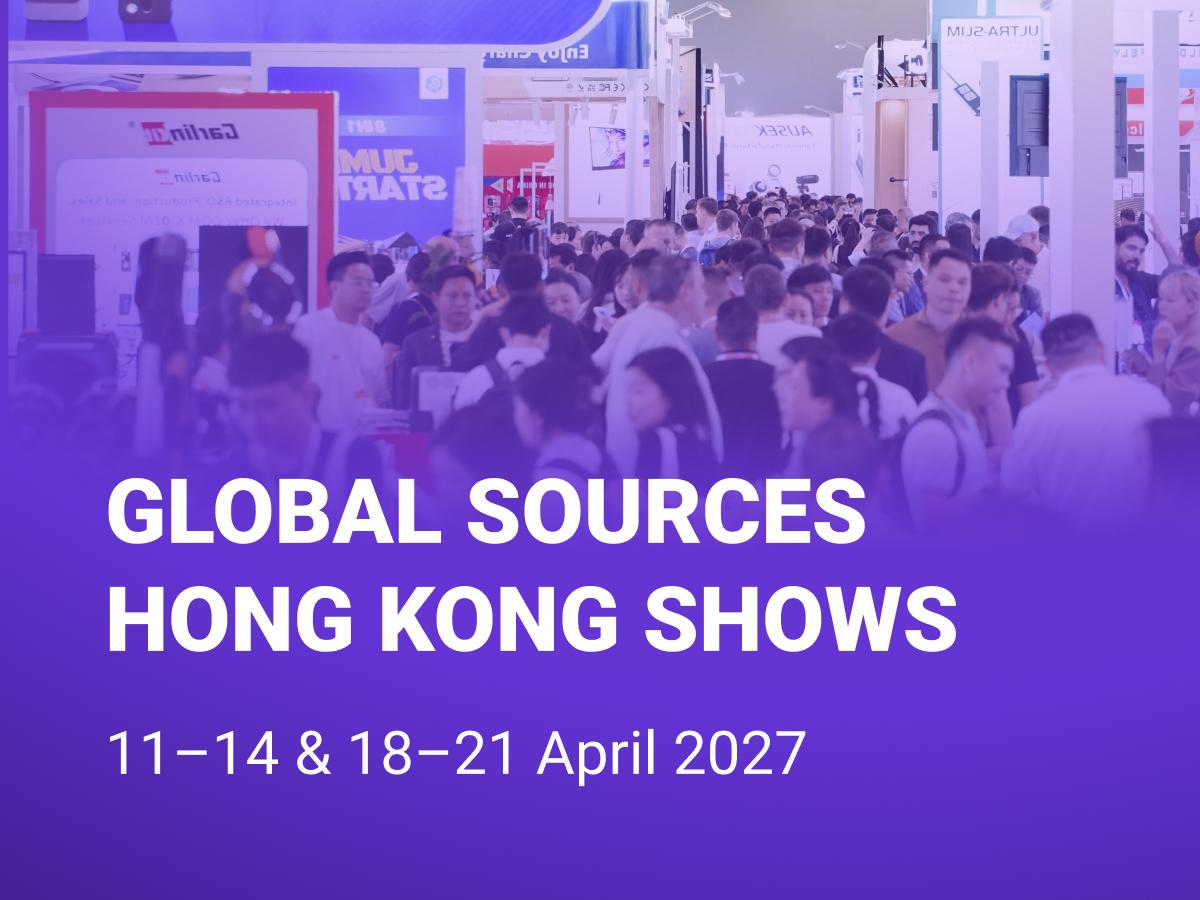
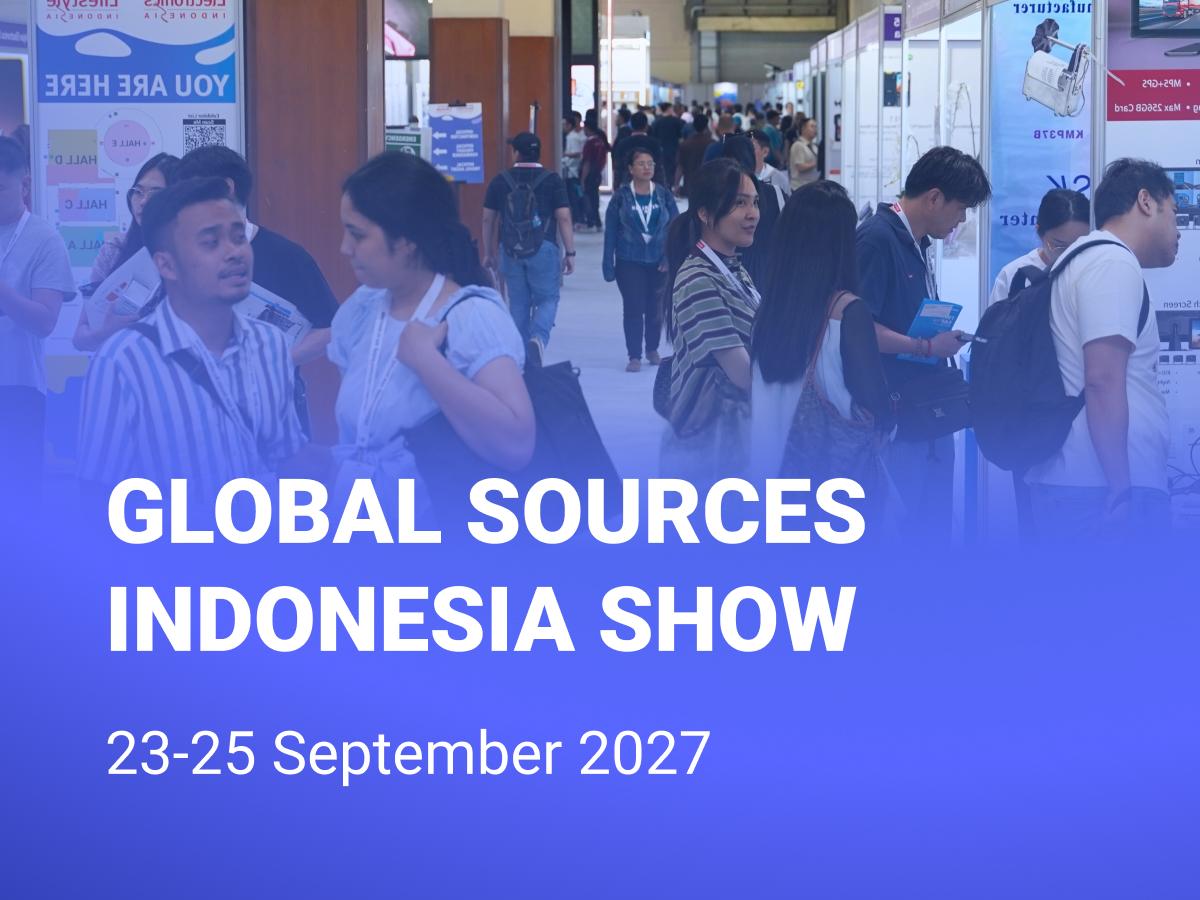
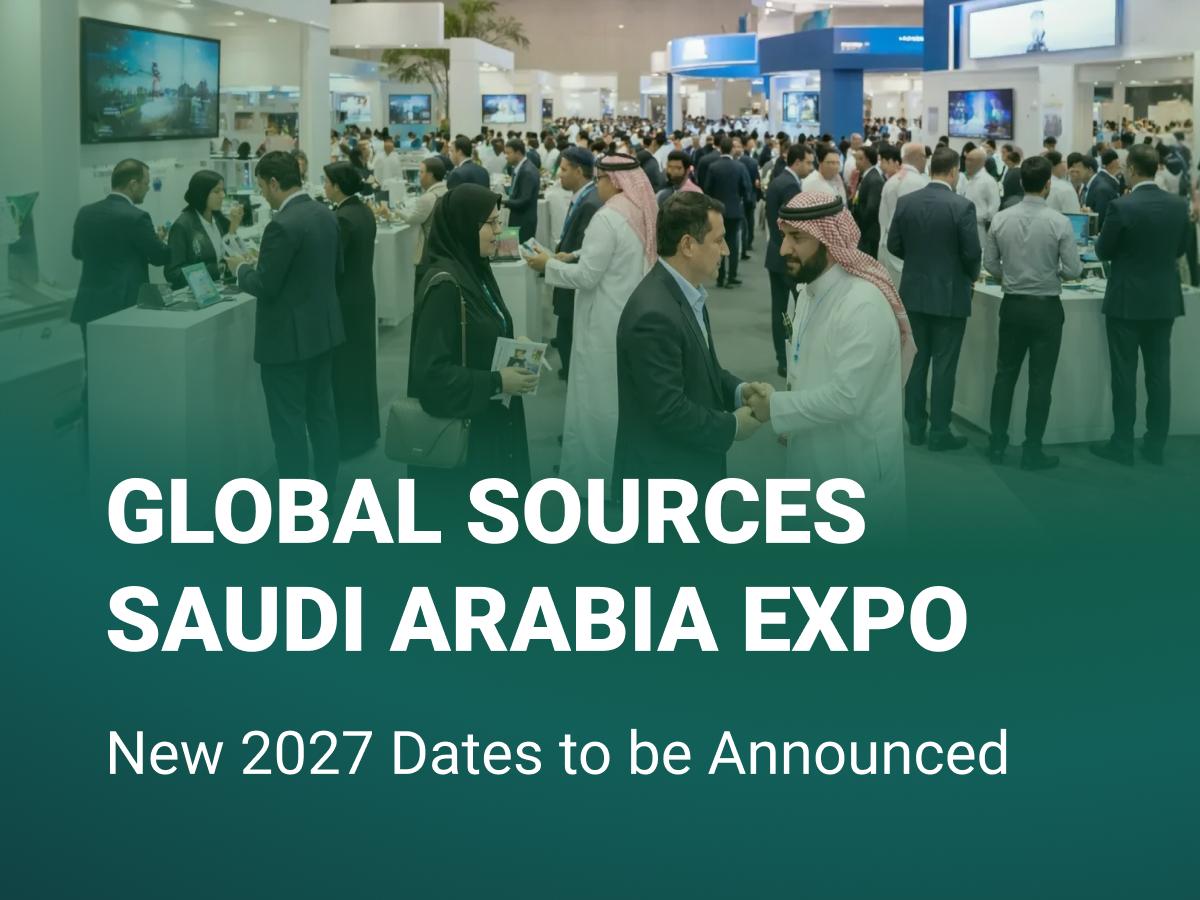
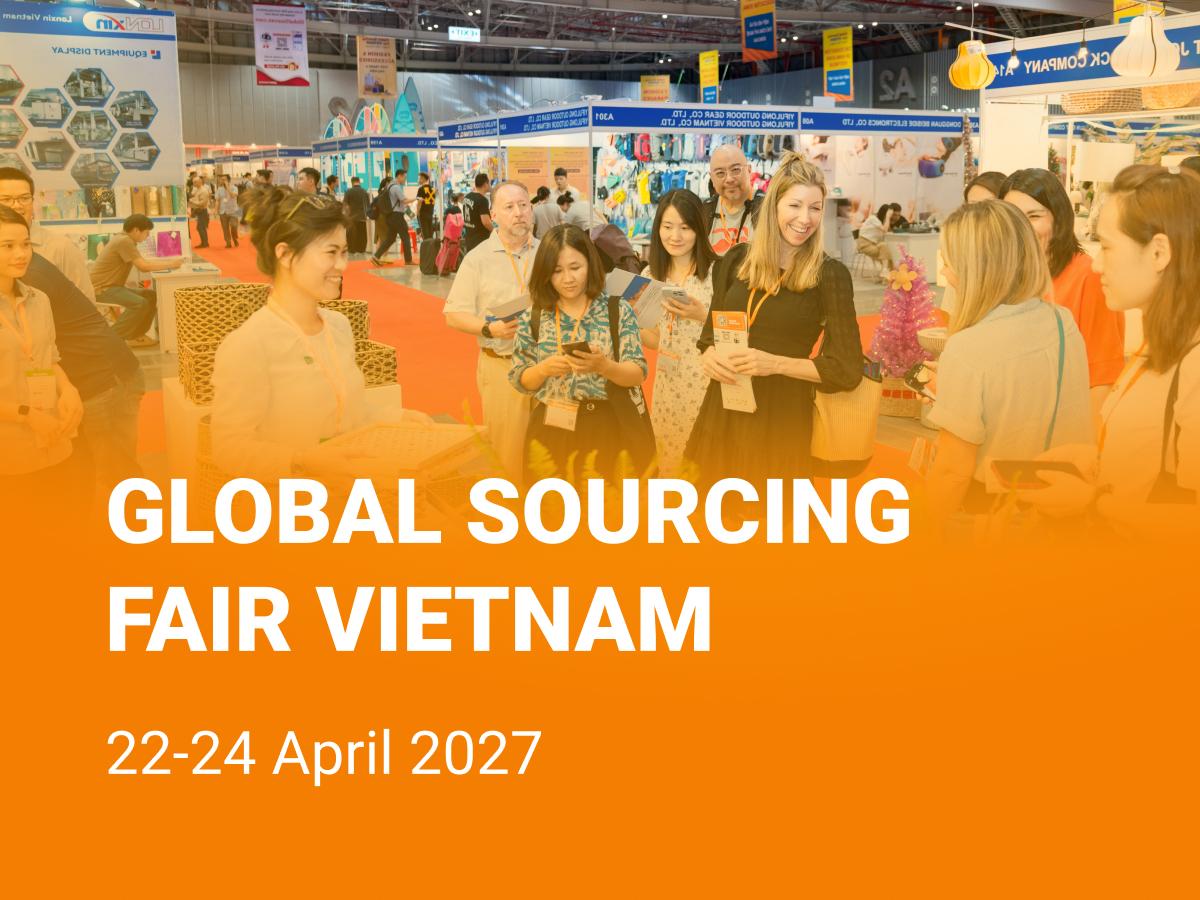
Global Sources enhances its online platform with offline events, organizing some of the largest trade shows in Asia. These events offer an unparalleled opportunity for buyers to meet suppliers face-to-face, experience products firsthand, and forge meaningful business relationships. The trade shows cover various industries, providing a comprehensive overview of the latest innovations and products in the market. For many businesses, these events are a crucial part of their sourcing strategy, offering insights and networking opportunities that are difficult to replicate online.
Digital Tools and Services
Recognizing the importance of digital transformation in international trade, Global Sources has developed a suite of digital tools and services designed to streamline the sourcing process. These include e-commerce solutions, virtual reality showrooms, and online matchmaking services that connect buyers with suppliers based on specific requirements. These digital offerings complement the platform's traditional services, providing businesses with a flexible and efficient way to source products and manage relationships with suppliers.
Sustainability and Ethical Sourcing
As businesses increasingly prioritize sustainability and ethical practices, Global Sources has taken steps to promote responsible sourcing. The platform encourages suppliers to adopt sustainable and ethical practices, offering resources and guidance on topics such as environmental management, labor rights, and ethical supply chains. By fostering a community of responsible suppliers, Global Sources helps businesses align their sourcing strategies with their values and commitments to corporate social responsibility.
Challenges and Considerations
While Global Sources offers numerous advantages, businesses must navigate certain challenges when sourcing globally. These include cultural and language barriers, understanding and complying with international trade regulations, and managing logistics and shipping. Global Sources provides resources and support to address these challenges, but businesses must also invest time and effort into developing effective global sourcing strategies.
Global Sources stands as a testament to the possibilities of globalization, offering businesses a comprehensive and reliable platform for product and manufacturing sourcing. Its commitment to quality, innovation, and sustainability makes it an invaluable resource for businesses looking to expand their sourcing capabilities and compete in the global market. As the world of international trade continues to evolve, Global Sources is poised to remain at the forefront, facilitating connections, providing insights, and empowering businesses to succeed in the global marketplace.
US Domestic & Overseas Online Directories
In today's globalized market, finding the right manufacturing partner is crucial for the success of any product-based business. The decision between sourcing a manufacturer domestically within the United States or looking overseas involves weighing various factors such as cost, quality, production capacity, and lead times. Both US Domestic Online Directories and Overseas Online Directories serve as invaluable resources in this search, each offering unique advantages and considerations.
US Domestic Online Directories:
Domestic sourcing offers benefits like easier communication due to no language barrier, faster shipping times, and the appeal of the "Made in the USA" tag for certain markets. Here are some prominent US Domestic Online Directories:
- ThomasNet: A comprehensive resource for finding suppliers in the United States, ranging from raw materials to full-scale manufacturing services.
- Maker’s Row: Focuses on American manufacturing, particularly appealing for smaller businesses looking to keep production within the US.
- MFG: Connects buyers with US-based manufacturers specializing in custom parts, assemblies, and products.
Overseas Online Directories:
Overseas sourcing can offer lower manufacturing costs and access to manufacturers with specific expertise or capacity not available domestically. Key Overseas Online Directories include:
- Global Sources: Specializes in connecting buyers with verified suppliers in Asia, focusing on electronics, fashion, and hardware.
- Made-in-China.com: A platform for finding suppliers and products made in China, covering a vast range of industries from textiles to machinery.
| Feature | US Domestic Online Directories | Overseas Online Directories |
|---|---|---|
| Geographical Focus | United States | Mainly Asia, Global |
| Cost | Higher due to labor and materials cost | Lower due to economical labor |
| Shipping Times | Shorter | Longer, varies by location |
| Language Barrier | None | Possible, varies by supplier |
| Quality Control | Easier to manage and enforce | Requires more diligence |
| Market Appeal | "Made in the USA" branding | Cost-effective production |
| Regulatory Compliance | Easier to verify | Requires thorough checks |
| Customs and Duties | Not applicable | Must be considered |
Navigating the Sourcing Process:
Regardless of whether you choose to source domestically or overseas, the process involves several key steps:
- Define Your Needs: Clearly outline what you are looking for in a manufacturer, including product specifications, quality standards, and order volumes.
- Research and Compare: Utilize online directories to research potential manufacturers, comparing their capabilities, costs, and reputations.
- Verify Credentials: Look for certifications, customer reviews, and any available audits to ensure the manufacturer meets your standards.
- Communicate Your Requirements: Engage with potential manufacturers to discuss your needs in detail, ensuring they understand your expectations.
- Order Samples: Before committing to a large order, request samples to assess the quality and ensure it meets your requirements.
- Negotiate Terms: Work out the terms of production, including prices, lead times, and payment conditions.
- Plan for Logistics: Especially when sourcing overseas, plan for the logistics of shipping, customs, and delivery to your final destination.
- Establish Quality Control Measures: Set up processes for quality control, whether through on-site visits, third-party inspections, or detailed reporting from the manufacturer.
Choosing between US Domestic Online Directories and Overseas Online Directories for sourcing a manufacturer depends on a complex interplay of factors including cost, quality, production needs, and market strategy. Both avenues offer pathways to finding the right manufacturing partners, but require careful navigation and due diligence. By leveraging the strengths of each and being mindful of the potential challenges, businesses can make informed decisions that align with their goals and ensure the success of their products in the competitive global marketplace.
Conclusion
Product sourcing and manufacturing sourcing are critical processes that can significantly impact a business's success. By understanding these processes and developing a strategic approach, businesses can ensure they procure high-quality goods at competitive prices, contributing to improved profitability and business growth.
FAQs
What is the difference between sourcing and manufacturing?
Sourcing and manufacturing are two critical components in the supply chain of goods, but they address different stages of production and supply. Sourcing refers to the process of finding and acquiring raw materials, components, or services needed for the production of goods or the operation of a company. It involves identifying potential suppliers, negotiating contracts, and managing relationships with those suppliers to ensure a steady supply of necessary materials or services at the best possible price and quality.
Manufacturing, on the other hand, is the process of converting raw materials or components into finished products through various methods such as assembling, shaping, or machining. It involves a series of steps including design, prototyping, production, testing, and quality control. Manufacturing is the actual creation of products that will be sold to consumers or other businesses, utilizing the materials and components sourced in the sourcing process.
In essence, sourcing is about finding and acquiring the inputs needed for manufacturing, while manufacturing focuses on transforming these inputs into final products. Both processes are integral to the production cycle, but they require different sets of skills, resources, and management strategies.
What is global sourcing and manufacturing?
Global sourcing and manufacturing refer to the practices of procuring raw materials, components, or services (sourcing) and producing goods (manufacturing) on a worldwide scale. This approach leverages the global market to find the best sources for inputs and the most efficient or cost-effective locations for manufacturing.
Global sourcing involves identifying and engaging suppliers from different countries to take advantage of lower costs, access to specialized materials or skills, and diversification of supply chain risk. It requires navigating international trade laws, dealing with cultural and language barriers, and managing logistics and transportation across borders.
Global manufacturing, similarly, entails setting up or contracting production facilities in various countries to benefit from lower labor costs, closer proximity to raw materials, or favorable regulatory environments. It can also serve strategic purposes, such as accessing new markets or complying with local content requirements.
Both global sourcing and manufacturing offer opportunities for cost reduction, quality improvement, and market expansion but come with increased complexity in supply chain management, higher risks related to political instability, currency fluctuations, and challenges related to quality control and ethical standards compliance.
What are the 3 stages of a sourcing process?
The sourcing process can be broadly divided into three main stages:
- Identification and Evaluation: This initial stage involves identifying the need for goods or services and then finding potential suppliers who can fulfill these needs. It includes market research, supplier discovery, and preliminary evaluation based on criteria such as price, quality, capacity, and reliability. This stage may also involve sending out Requests for Information (RFIs) to gather more details about potential suppliers.
- Selection and Contracting: Once potential suppliers have been identified and evaluated, the next step is to select the most suitable ones and negotiate contracts. This stage includes more in-depth evaluation, possibly through site visits or audits, and negotiations on terms such as price, delivery schedules, payment terms, and quality specifications. The outcome of this stage is a formal contract or agreement that outlines the terms of the supplier relationship.
- Performance Management and Continuous Improvement: After selecting suppliers and finalizing contracts, the focus shifts to managing the supplier relationship, monitoring performance against contract terms, and addressing any issues that arise. This stage involves regular communication with suppliers, performance reviews, and potentially, the development of joint initiatives to improve efficiency, reduce costs, or enhance quality. Continuous improvement efforts aim to strengthen the supplier relationship and ensure the long-term sustainability of the sourcing strategy.
What is the difference between procurement and manufacturing?
Procurement and manufacturing are distinct but interconnected functions within the supply chain. Procurement is the process of acquiring the goods and services a company needs to operate and produce its products. It encompasses activities such as sourcing materials, negotiating with suppliers, and managing contracts. The goal of procurement is to secure the necessary inputs at the best possible cost, quality, and reliability to support the company's operations, including its manufacturing processes.
Manufacturing, in contrast, is the process of converting raw materials or components into finished products. It involves activities such as designing, prototyping, assembling, and quality control. Manufacturing focuses on efficiently producing high-quality products that meet customer requirements.
While procurement is concerned with obtaining the inputs required for production, manufacturing focuses on the transformation of these inputs into final products. Both are essential to the production cycle and require coordination to ensure that the materials procured meet the specifications and quantities needed for efficient manufacturing.
Also Read:

