



Table of Contents
Where to Find Wholesale Product Suppliers
Product Sourcing Best Practices
Global Sources - Go-to Online & Offline Product Sourcing Platform
What is Product Sourcing
Product sourcing is a critical element in the supply chain management process, referring to the method by which businesses acquire products to sell to consumers. This involves a series of steps that a company takes to identify, evaluate, and obtain goods or services from external suppliers. The process can vary widely depending on the industry, the products in question, and the size of the business, but it generally encompasses several key stages.
Research and Planning
The first step in product sourcing is identifying what products to sell, which involves market research to understand consumer demands, trends, and the competitive landscape. Businesses must also consider their own brand identity and the quality standards they want to maintain when selecting products.
Supplier Identification
Once a company knows what it wants to sell, the next step is finding suppliers who can provide these products. This can involve attending trade shows, searching online directories, using sourcing agents, or visiting manufacturing hubs.
Supplier Evaluation
After identifying potential suppliers, businesses must evaluate them based on various criteria such as pricing, quality of goods, production capacity, reliability, and ethical practices. This step often involves background checks, factory audits, and sample orders.
Negotiation
Negotiating terms with suppliers is crucial. Discussions will cover pricing, payment terms, minimum order quantities, lead times, and delivery schedules. The goal is to establish a mutually beneficial agreement that ensures product quality and timely delivery at a fair cost.
Logistics
Coordinating the logistics of getting the product from the supplier to the business's location is another aspect of product sourcing. This includes managing shipping methods, customs clearance, and any import duties or regulations that apply to the products being sourced.
Quality Control
Throughout the sourcing process, quality control measures must be in place. This ensures that the products received meet the specifications agreed upon and are consistent with consumer expectations.
Continuous Optimization
Finally, product sourcing is an ongoing process. Businesses must continually assess their sourcing strategies against market changes, cost fluctuations, supplier performance, and consumer feedback to optimize their product offerings.
In conclusion, product sourcing is a multifaceted process that requires careful planning and execution. It's not just about finding the cheapest supplier; it's about finding the right partners to help build a sustainable and profitable business model. With the rise of global trade and e-commerce, product sourcing has become an increasingly complex and vital function for businesses looking to maintain competitiveness in a diverse market landscape.
Where to Find Wholesale Product Suppliers
Finding reliable wholesale product suppliers is a critical step for businesses looking to stock up on inventory, either for retail or distribution. There are several avenues where businesses can connect with wholesalers, both online and offline. This comprehensive introduction will explore the various platforms and strategies for locating wholesale suppliers, ensuring that businesses can secure the products they need at competitive prices.
Online Sources for Wholesale Suppliers
1. B2B Marketplaces: Online B2B marketplaces are the digital hubs for wholesale trade. Platforms like Alibaba, Global Sources, and Made-in-China connect retailers with manufacturers and wholesalers from around the globe. They offer a wide range of products and the ability to communicate directly with suppliers.
2. Industry-Specific Directories: There are directories tailored to specific industries that list wholesale suppliers. These directories often provide detailed information about suppliers, including their product ranges, minimum order quantities, and reviews from other businesses.
3. Online Trade Shows and Virtual Expos: Trade shows have gone virtual, with many industries hosting online expos where suppliers showcase their products. These events can be excellent opportunities to meet multiple suppliers in one place and discover new products.
4. Manufacturer Websites: Some manufacturers offer direct wholesale purchasing options on their websites. This direct approach can sometimes result in better pricing and support.
5. Online Wholesale Distributors: Companies like DHgate, Wholesale Central, and ThomasNet operate as online distributors, offering products in bulk across various categories.
6. Social Media Platforms: Social media networks like LinkedIn, Facebook, and Instagram have become valuable for networking with suppliers. Many wholesalers use these platforms to advertise their products and connect with potential customers.
Offline Sources for Wholesale Suppliers
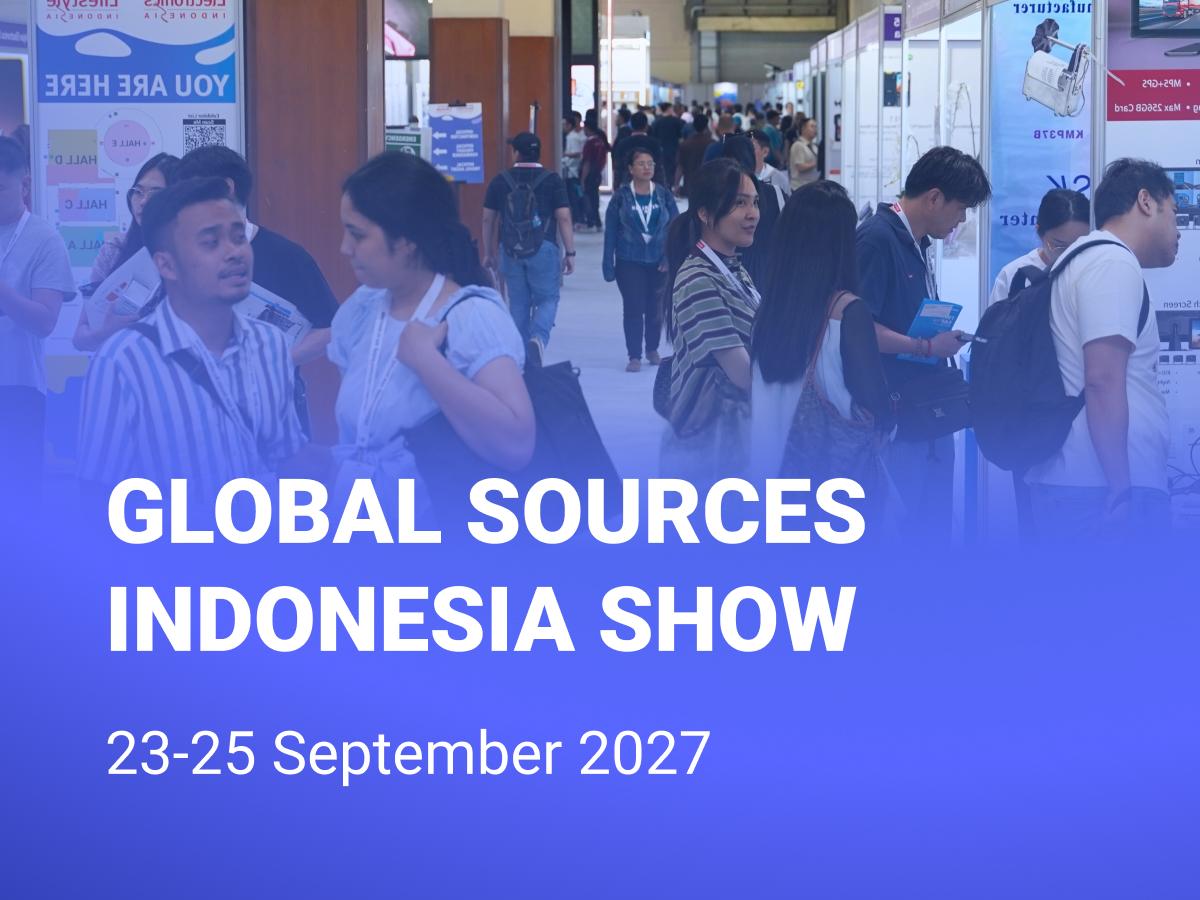
1. Trade Shows and Industry Conferences: Attending trade shows and industry conferences is a time-tested method for finding wholesale suppliers. These events provide opportunities to see products firsthand, negotiate deals, and form long-term business relationships.
2. Wholesale Districts and Showrooms: Many cities have wholesale districts where suppliers operate showrooms. Visiting these areas can provide a wealth of options and the ability to immediately discuss business needs and see products in person.
3. Manufacturer Directories and Trade Associations: Print directories and trade associations often have lists of manufacturers and wholesalers. These can be invaluable resources for finding suppliers that may not have a strong online presence.
4. Industry Networking: Connecting with other businesses in your industry can lead to recommendations for trusted wholesale suppliers. Word-of-mouth referrals are often some of the most reliable sources.
5. Cold Calls and Visits: Sometimes, the direct approach of calling or visiting potential suppliers can lead to fruitful relationships. This method allows for immediate dialogue about products, prices, and terms.
Tips for Finding the Right Wholesale Suppliers
1. Research Thoroughly: Whether online or offline, research potential suppliers carefully. Look for reviews, testimonials, and any available ratings to gauge reliability and service quality.
2. Compare Pricing: Don't settle on the first supplier you find. Compare pricing across multiple sources to ensure you're getting competitive rates.
3. Check Order Minimums: Understand the minimum order requirements as they can vary widely between suppliers. Ensure that their terms align with your inventory needs and storage capabilities.
4. Request Samples: Before placing a large order, request samples of the product to assess quality firsthand.
5. Negotiate Terms: Be prepared to negotiate payment terms, delivery schedules, and prices. Good negotiation can lead to better margins for your business.
6. Consider Location: The location of your supplier can significantly impact shipping costs and delivery times. Consider both local and international suppliers based on what is most cost-effective for your business model.
7. Evaluate Communication: Effective communication is essential in any supplier relationship. Assess how responsive and helpful a supplier is during your initial interactions.
Finding the right wholesale product suppliers requires a blend of strategic online searches and traditional offline legwork. By leveraging both digital platforms and personal industry connections, businesses can uncover a diverse range of suppliers ready to meet their specific needs. It's important to approach this process with thorough research, clear communication, and a keen eye for detail to ensure that the partnerships formed will be beneficial in the long term.
As you embark on this journey to find wholesale product suppliers, remember that the best choice is one that not only provides quality products but also aligns with your business's logistical requirements and growth ambitions. With careful consideration and due diligence, you can establish supply chains that are robust, reliable, and ready to scale with your business's success.
Product Sourcing Best Practices
Product sourcing is a critical component of any retail or manufacturing business, involving the process of finding and acquiring products to sell or use in production. It’s a complex task that requires a strategic approach to ensure quality, cost-effectiveness, and supply chain reliability. Best practices in product sourcing can help businesses navigate the challenges of finding the right suppliers, maintaining product quality, and managing costs.
Strategic Planning
The foundation of effective product sourcing is a well-thought-out strategic plan. This involves understanding your market, knowing your customer's preferences, and identifying the products that will meet those needs. A comprehensive plan should include:
- Market Research: Conduct thorough market research to understand trends, demand cycles, and consumer behavior.
- Product Specifications: Clearly define product specifications to ensure suppliers meet your quality standards.
- Cost Analysis: Understand all costs involved, including production, shipping, and customs duties to ensure profitability.
Supplier Relationships
Building strong relationships with suppliers is paramount. A reliable supplier not only provides quality products but can also offer flexible terms and valuable industry insights.
- Diversify Suppliers: Avoid dependency on a single supplier by diversifying your supplier base. This reduces risk and gives you more negotiating power.
- Evaluate Supplier Performance: Regularly assess supplier performance based on criteria such as delivery times, quality, and responsiveness.
- Ethical Sourcing: Ensure suppliers adhere to ethical standards regarding labor practices and environmental impact.
Quality Control
Maintaining high-quality products is essential for customer satisfaction and brand reputation.
- Quality Assurance Protocols: Implement rigorous quality assurance protocols to check products at various stages – from production to delivery.
- Sample Testing: Before committing to large orders, request samples to evaluate product quality and supplier reliability.
- Regular Audits: Conduct regular audits of supplier facilities to ensure ongoing compliance with your quality standards.
Technological Integration
Technology can greatly enhance the efficiency and effectiveness of product sourcing.
- Supply Chain Management Software: Use software solutions for better visibility and management of the supply chain.
- Data Analytics: Leverage data analytics to predict trends, manage inventory levels, and optimize reorder points.
- E-Procurement Tools: Utilize e-procurement tools for streamlined ordering processes and documentation management.
Risk Management
Mitigating risks is crucial in product sourcing. Unforeseen events can disrupt supply chains and impact business operations.
- Contingency Planning: Develop contingency plans for supply chain disruptions, such as alternative suppliers or inventory buffers.
- Insurance: Consider insurance options to protect against losses from supply chain disruptions.
- Regulatory Compliance: Stay informed about trade regulations and compliance requirements to avoid legal issues and penalties.
Continuous Improvement
Finally, adopt a mindset of continuous improvement. Regularly review and refine your sourcing strategies based on feedback, market changes, and operational data.
- Feedback Loops: Create mechanisms to gather feedback from customers and stakeholders to inform sourcing decisions.
- Stay Informed: Keep abreast of industry developments, emerging markets, and new sourcing opportunities.
- Training and Development: Invest in training for your team to enhance their skills in negotiation, cultural competence, and market analysis.
By adhering to these best practices, businesses can develop a robust product sourcing strategy that supports long-term growth and sustainability.
Global Sources - Go-to Online & Offline Product Sourcing Platform
Are you familiar with the methods sellers on platforms like Temu use to find suppliers for the goods sold on their B2C platforms?
When it comes to major purchases, sellers tend to establish long-term strategic partnerships with manufacturers while also exploring trusted wholesalers face-to-face at trade shows. Additionally, in the digital age, finding verified suppliers through online third-party B2B platform channels has become a common and effective practice.
One notable B2B platform excelling in this regard is Global Sources. For over 50 years, Global Sources has stood as one of the world's largest facilitators of Business-to-Business (B2B) trade, garnering trust as a genuine and safe hands-on sourcing platform.
With a remarkable track record, it has served over 10 million registered buyers and users worldwide, boasting the participation of 97 of the world's top 100 retailers. Global Sources caters to online sellers across various platforms, including Amazon, Temu, Wish, eBay, Shein, Walmart, and Etsy. It offers a wide array of trusted suppliers from countries like China, Vietnam, South Korea, and India, ensuring diverse sourcing options.
Global Sources provides a comprehensive solution for buyers, showcasing products online and organizing offline trade shows through its Online-to-Offline feature. This innovative approach enables users to discover the best-suited suppliers across all industries, guaranteeing access to hot new products and verified manufacturers in different sectors.
By leveraging Global Sources' extensive network, you can confidently explore tens of thousands of wholesale products on GlobalSources.com, effectively meeting all your sourcing needs and gaining a competitive edge in your business endeavors.
Still wondering where to find a reputable online marketing platform? Global Sources emerges as a reliable go-to platform for online sellers seeking trusted suppliers. Its blend of digital and traditional sourcing channels empowers businesses to thrive in today's dynamic marketplace. Get in touch today to get started.
Also Read:
- Sports & Outdoor Product Sourcing
- Product and Manufacturing Sourcing
- Guangzhou Wholesale Markets Guide 2024
- 30 Alibaba Alternatives for Sourcing
- What is Product Sourcing?
- Top Chinese Sourcing Websites 2024

