




With many choices in the manufacturing industry, it can take time to find the right solution. There are two main approaches: Original Equipment Manufacturing (OEM) and Original Design Manufacturing (ODM). Learning the distinction between these two strategies can equip companies with the knowledge to make discerning decisions about their production requirements. This article will explore OEM and ODM options, their pros and cons, and provide tips on choosing the right OEM/ODM services for your business.
Table of Contents
On Globalsources.com, what does "OEM service offered" mean?
OEM vs. ODM: what’s the difference?
What is contract manufacturing?
Part 1. What is OEM?
An OEM company produces and sells goods or components directly to another that will resell them under its label. In other words, it provides products to businesses that don’t have to manufacture them themselves, to the client’s chosen specifications.
OEM benefits businesses looking to save on R&D and production costs. With an experienced and dependable OEM provider, customized work becomes unnecessary since the OEM can make most needed parts based on your provided designs and has access to state-of-the-art technologies for efficient production processes.
As organizations seek to economize while preserving product excellence and maintaining business operational standards, OEM has gained immense popularity over the last several years. Despite its many benefits, there are also inherent dangers that come with this kind of product, such as counterfeiting and IP infringement – which is why companies need to undertake due diligence. Carefully researching the vendor's background, inspecting its quality control system and recognizing potential intellectual property risks should be integral before a decision is made.

Part 2. On GlobalSources.com, what does "OEM service offered" mean?
If you want to offer your clients a distinct product, OEM services from suppliers on Globalsources.com could be the perfect solution. Utilizing these services allows you to have products created according to your specifications and sold under your brand name – ultimately affording you the opportunity for greater differentiation in a competitive marketplace without having the resources or skillset necessary for manufacturing from scratch.
Here are a few key benefits of working with a supplier that offers OEM services:
Customization
You can have features and designs crafted to meet your brand's requirements with an OEM supplier. It is a great way to ensure your products stand out above those of competitors.
Quality control
Due to their expertise in several areas of product or manufacturing techniques, OEM suppliers can provide higher-quality products than you can typically produce internally.
Cost savings
Outsourcing production to an OEM provider can be a budget-friendly option, as you no longer have to spend money on expensive tools or hire experienced personnel.
Even though there are certain benefits to working with OEM suppliers, potential pitfalls exist. You may not have as much control over the production process as if you did production in-house, which can make it difficult to maintain quality consistency. To guarantee that your intellectual property is secure and specifications are followed correctly, you must create solid contract arrangements before manufacturing begins.
Finding OEM/ODM Manufacturers on GlobalSources.com
GlobalSources.com is an indispensable online B2B platform for any business looking to source top-notch international suppliers from across the globe. From electronics and home goods to fashion and industrial machinery, it provides a vast selection of products and services - all accompanied by OEM/ODM capabilities tailored specifically for businesses seeking external production solutions.

Follow the steps below to pinpoint a supplier that fits all of your criteria and offers products of exceptional quality at an affordable price. Making the right choice will not only lower costs but also help improve product standards - thus allowing for more effort toward business expansion.
Step 1: Define Your Requirements Clearly
Before you search for an OEM/ODM manufacturer, you must explicitly define your needs. This entails categorizing the kind of product you want to have manufactured, the required quantity, desired quality standards and other necessities. Having distinct requirements will expedite the selection process while guaranteeing that a provider can fulfill all of them without fail.
Step 2: Search for Manufacturers on GlobalSources.com
If you're searching for a particular product or category, GlobalSources.com is the place to go. Type what you need into the search bar and refine your results by selecting "OEM/ODM" under the "Supplier Type" filter. You can also use filters such as location, price range and minimum order quantity to ensure you get what you need.
Step 3: Review the Product Listings
After you've sifted through your search results, it's time to review the product listings and determine which manufacturers could be the perfect one for you. Consider product descriptions, costs and any other relevant data that might be useful before making a decision. Moreover, use the "Request for Quotation" feature to receive price quotes from various suppliers and compare them accordingly.
Step 4: Review the Supplier Profiles
As you evaluate product listings for potential suppliers, don't forget to research their profiles. Look at the supplier's company information, certifications, customer reviews and more to acquire accurate knowledge of what they can provide. You can even contact them directly via GlobalSources.com if you have any further inquiries or questions; all it takes is just one click.
Step 5: Evaluate Their Communication and Customer Service
Investing in a reliable partner can make all the difference in ensuring successful collaboration. When selecting an OEM/ODM supplier, it is critical to prioritize efficient communication. Look for a company that maintains consistent contact with you and provides quick updates on your project's progress while proactively resolving any issues as they arise. GlobalSources.com provides information on how quickly a supplier typically replies.
Step 6: Request Samples
Before settling on a decision, solicit samples from each potential supplier. Not only will this enable you to gauge the caliber of their products and ascertain that they are consistent with your expectations, but it is also an ideal chance to assess their responsiveness and customer service proficiency.
How OEM Works?
The OEM (Original Equipment Manufacturer) process involves a comprehensive workflow that transforms your product concept into a finished, market-ready item. This collaborative manufacturing approach encompasses five critical stages, each designed to ensure quality, efficiency, and alignment with your specifications.
Stage 1: Design and Development Phase
The OEM journey begins with detailed product conceptualization. During this crucial stage, you provide comprehensive specifications including:
- Precise measurements and dimensions
- Desired characteristics and features
- Functional requirements
- Performance standards
The OEM manufacturer then leverages their engineering expertise to create detailed technical drawings and develop a working prototype. This prototype undergoes rigorous evaluation and testing before being submitted for your approval. Any necessary modifications are implemented during this phase to ensure the final design perfectly matches your vision and market requirements.
Stage 2: Strategic Sourcing and Procurement
Once the design receives approval, the OEM manufacturer initiates the sourcing process for all required components and raw materials. This stage involves:
Supplier Selection:
- Identifying reliable suppliers
- Negotiating favorable terms
- Establishing quality standards for each input material
Cost Optimization:
The OEM's procurement team carefully balances cost considerations with quality requirements, often leveraging their established supplier networks to secure competitive pricing while maintaining consistent material standards. This strategic approach ensures optimal cost-effectiveness without compromising product integrity.
Stage 3: Manufacturing and Production
The production phase represents the core manufacturing process where your product comes to life. Utilizing the previously sourced components and materials, the OEM facility employs specialized equipment, skilled technicians, and proven manufacturing processes to create your finished product.
Quality Control Integration:
This stage incorporates multiple quality checkpoints, including:
- Incoming material inspection
- In-process monitoring
- Final product testing
Advanced quality control systems ensure each manufactured item meets your exact specifications and industry standards.
Stage 4: Professional Packaging and Branding
After successful manufacturing, your products undergo professional packaging designed to protect the items during transportation while presenting them attractively to end users.
Packaging Components:
- Custom packaging design
- Branded materials and logos
- Instruction manuals
- Warranty information
- Additional accessories specific to your product requirements
The packaging process ensures your products arrive in perfect condition and create a positive first impression with customers.
Stage 5: Logistics and Delivery
The final stage involves coordinating the shipment and delivery of your finished products. The OEM manufacturer handles all logistics arrangements, including:
Documentation and Shipping:
- Proper documentation preparation
- Export procedures (if applicable)
- Coordination with shipping carriers
- Regular status updates
Throughout this process, you receive regular updates on production status and delivery timelines, ensuring complete transparency and allowing you to plan your inventory and sales activities accordingly.

Pros of OEMs
High Quality
OEMs typically specialize in making a certain component or part, meaning they have expertise that often results in higher-quality products.
Cost Savings
OEMs offer an invaluable advantage in that typically they boast specialized equipment and expertise that make the process more efficient and cost-effective than would be achievable in-house. As a result, you can save money while still receiving quality components or products.
Improved Efficiency
OEMs can help companies boost efficiency by minimizing the energy and resources needed to manufacture components or products. It makes it possible for you to pay more attention to areas like marketing and sales, which could result in higher profits. By utilizing OEMs, you have a greater chance of achieving long-term success.
Access to Expertise
Companies that leverage OEMs can use their professional expertise to advance into new markets and create novel products. OEMs offer invaluable advice, making them a great asset when exploring unfamiliar terrain or creating something innovative.
Cons of OEMs
Lack of Control
When you outsource the production of components or products to an OEM, you may not be able to retain full oversight of the quality and manufacturing process. It can make it difficult to guarantee that the parts or products comply with your exact requirements and specifications.
Dependence
If you rely too heavily on an OEM for parts or products, it could mean trouble if something happens to the supplier. Delays in production or even bankruptcy of the OEM can lead to supply chain disruptions and make it difficult for you to find alternative suppliers that offer those same components or products.
Limited Customization
OEMs can opt to produce standardized parts or components, restricting certain customization opportunities you might want to take advantage of.
Communication Challenges
Overcoming language and cultural barriers can be a difficult task when trying to communicate with an OEM. It often results in miscommunication that slows the production process, greatly affecting its outcome.
Before committing to the OEM route, you should carefully weigh the pros and cons. While there are several benefits – cost savings, improved efficiency and access to expertise – it's important not to overlook potential downsides like possible limited customization options, dependence on external suppliers for parts or services and communication difficulties. Business needs differ, so you must consider your objectives before working with an OEM versus producing components or finished goods internally.
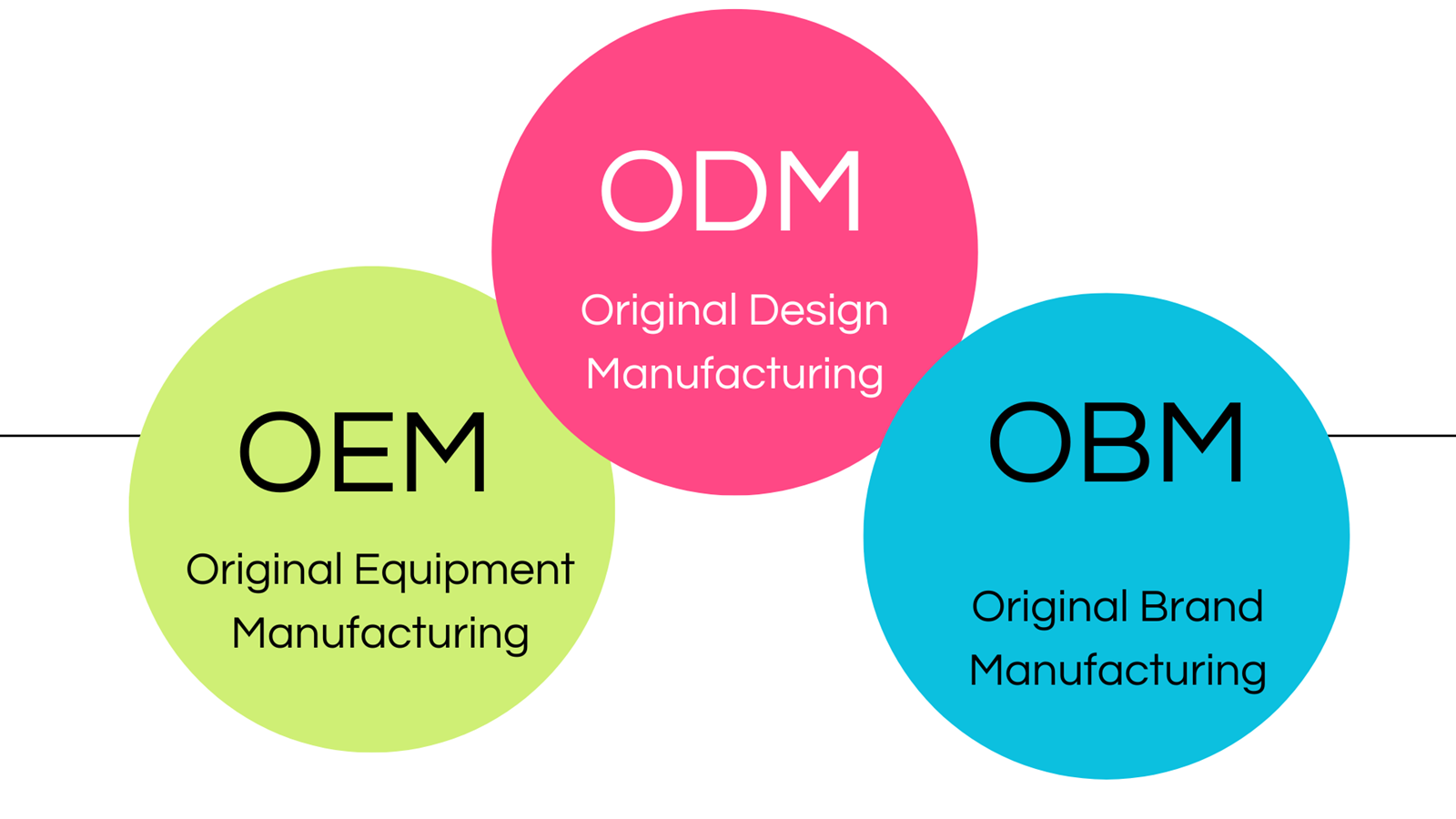
What is ODM?
ODM describes a service that involves design and manufacturing. While both ODMs and OEMs manufacture products for other companies, ODMs typically have a more involved role in the design and development of the product. ODMs often have a catalog of existing designs and technologies that can be customized to meet the specific needs of the client.
ODM is a beneficial arrangement for parties involved. Companies can concentrate on market research, business strategies and brand promotion, while the ODM takes care of the production process, keeping expenses low.
More organizations are turning to ODM due to its advantages. Companies can quickly launch new products with significantly less risk as they do not need an expansive budget or resources for constructing their facilities or tools. Those with limited funding, especially smaller businesses and hardware startups, find this particularly beneficial. Additionally, outsourcing designing and manufacturing processes to an ODM often leads to cost savings since they have access to higher economies of scale and specialized know-how in design and production.
ODMs offer businesses a degree of versatility. They can collaborate with their partners to customize the production process, from using specific materials and components to introducing singular design characteristics or capabilities. This opportunity ensures you get a reliable product tailored precisely to your market needs.
There are also some potential disadvantages to the ODM model. Companies may relinquish control over the manufacturing process when working with an ODM, making it difficult to guarantee that the desired quality standards are making the product. It can result in unsatisfactory products or delays in production.
A further hazard is that the ODM could collaborate with rival businesses, potentially bringing about problems of loyalty or unauthorized use of confidential design information. To reduce this danger, both parties should incorporate nondisclosure and noncompete stipulations into their contractual agreements. In doing so, they can ensure peace of mind and a secure relationship.
ODMs have become an integral part of the worldwide manufacturing industry. This trend allows companies to take advantage of their skills and experience in producing quality products with increased efficiency and cost savings. Despite potential risks with this method, you can avoid them through rigorous partner selection processes and comprehensive contractual agreements.
Example of how ODM works
To take the example of a laptop business, understanding how to build laptops from scratch is an extensive process. It begins with designing and constructing efficient models that meet customer expectations.
Design: When constructing a laptop through ODM, the initial stage is drawing up designs tailored to specific parameters like performance, design and cost. This step requires insight from knowledgeable professionals to ensure that the result is an exceptional product.
Prototyping: After the ODM has crafted a laptop design, it constructs a prototype to test device operation and characteristics. The model is then sent to you for analysis and affirmation.
Customization: In this step, you furnish the ODM with exact modifications for how you want your laptop to look and function. These requirements may include placing the your logo, special software or hardware configurations. Then, according to these standards that you outlined, it is up to the ODM to modify and customize a suitable design that meets all your expectations.
Production: Once all components and materials are sourced, you will direct the ODM to fabricate your laptop precisely according to modifications. This production phase may involve several steps, such as testing, inspection and quality control, to guarantee that only top-notch products reach your customers.
Packaging: After the laptop is custom-made, it's encased in packaging containing a box, instructions and other materials necessary for safe transit and effective utilization.
Delivery: The laptop is delivered to you to complete the ODM process. From there, you can rename and relabel it with your own branding before releasing it onto the market.
Pros of ODMs
Ready design: By engaging the services of an ODM, you gain access to what approximates personalization. You choose an ODM product that match your specifications, obtaining a design already tailored to meet your market’s needs and desires.
Cost Savings: For small or midsized companies, collaborating with an ODM is a great way to reduce expenses. This is possible because ODMs benefit from economies of scale that allow them to create products at reduced costs than businesses could manage.
Expertise: For products requiring specialized design and manufacturing, ODMs bring a wealth of expertise. It makes them an invaluable partner for companies lacking the resources or knowledge base to create solutions.
Time Savings: Partnering with an ODM can be a great way to save time and energy, allowing you to focus on other aspects of your business while the ODM takes care of product design and manufacturing. This model benefits businesses hoping to break into new markets or launch novel products promptly.
Cons of ODMs
Lack of Control: Partnering with an ODM can be risky, as it relinquishes some of the control you have over the design and production processes. It may make it hard to guarantee that each product is up to your standards, leaving you vulnerable.
Dependence: When you place too much trust in an ODM for product design and manufacturing, you open yourself up to potential supply chain disruptions. If the ODM cannot keep up with demand or ceases operations, finding replacement products could be difficult for you.
Intellectual Property: Collaborating with an ODM entails not having complete control over intellectual property, as the ODM could reveal your product design to other companies or even utilize it for their other clients.
Quality Control: Crafting a product of impeccable quality is no simple task, especially for ODMs. It can be incredibly difficult to accomplish when companies have demanding expectations such as those in the medical or aerospace industries that need products beyond reproach.
When considering whether to produce products in-house or work with an ODM, you should assess your needs and objectives comprehensively. There can be numerous advantages to partnering with an ODM, however, there are also potential drawbacks. So, you must select your ODM partner carefully based on its credentials and quality standards for optimal results.
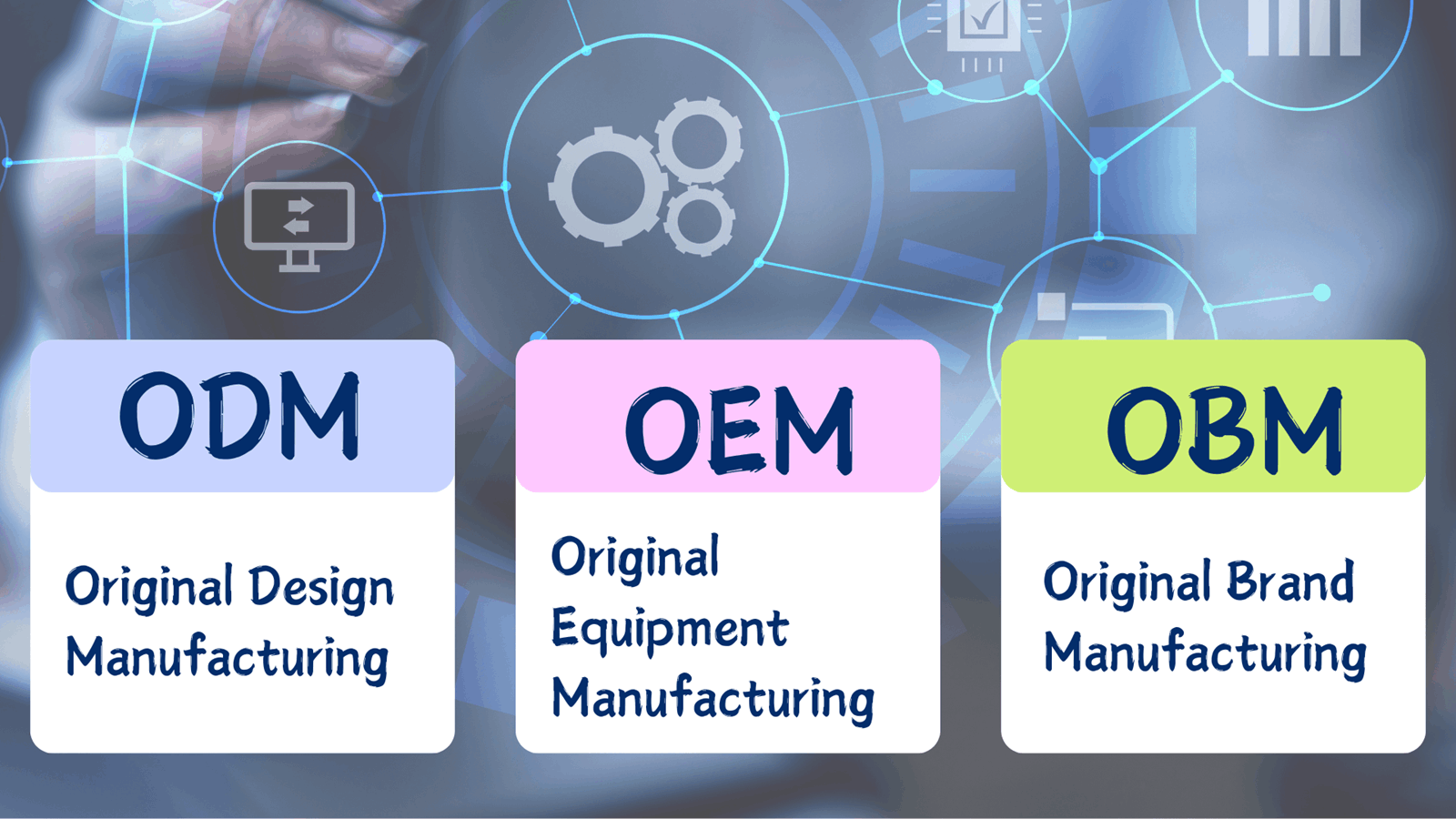
OEM versus ODM: what's the difference?
Ownership and Control
OEM and ODM have one main divergence: who owns the product design and has authority over the manufacturing process. With OEM, the company that crafted its blueprint holds ownership of those plans yet doesn't oversee production. When you choose ODM, designing and producing fall under the purview a single entity, which retains complete ownership over its work.
Customization
A major divergence between OEM and ODM is the level of customization offered. In an OEM arrangement, a product must be crafted precisely to the design stipulated by its originator. Conversely, with ODM, there exists less potential for custom design, limited to adjusting what the manufacturer offers, as the manufacturer oversees both product development and manufacturing processes.
Risk and Responsibility
With OEM manufacturing, the company that designed the product must guarantee that it meets its quality criteria and specifications. The third-party manufacturer is only responsible for producing it without any other obligations. In contrast, ODM puts all responsibility on the manufacturer: it is liable for finalizing a high-standard product as per customer requirements.
Cost
When choosing between OEM and ODM, cost is a key factor. Typically, going with an OEM option tends to be more costly than the ODM path since the product is made based entirely on the customer’s specifications.
Which option is right for your business?
When deciding between OEM and ODM, you must contemplate your business objectives and requirements. If you have a certain product design in mind and want to outsource production for cost reduction, OEM may be your ideal solution. However, if specific product design is less of an issue, ODM may be the preferred selection.
To make the best decision for your business, weighing up cost, control and risk is important. After carefully analyzing these OEM or ODM production models, you can confidently choose the best one for your needs.

What is contract manufacturing?
Contract manufacturing is a business arrangement in which a company outsources the manufacturing of its products to a third-party manufacturer, often referred to as a contract manufacturer or CM. This means that the company that owns the product design and brand does not produce the goods themselves but instead hires another company to handle the manufacturing process.
This arrangement covers all production process details, including quality assurance, delivery deadlines and cost structure. The main responsibility for procuring necessary materials rests with the manufacturer, who will oversee the whole production procedure before delivering completed items to the hiring firm. The hiring company is expected to provide precise specifications when ordering products or components for manufacturing.
Different types of contract manufacturing exist, depending on the product or component undergoing production. OEM is one and some other popular versions include:
Private Label Manufacturing: This model entails the manufacturer fabricating products under the hiring company's brand name, with the former in charge of every part of the fabrication.
Component Manufacturing: This system sees the manufacturing firm producing a certain component for the contracting agency, which assembles it into a completed product.
Businesses can reap many advantages from contract manufacturing, such as significant cost savings. Rather than making capital investments in production capacity and capabilities, they can outsource their manufacturing operations to specialized providers - enabling them to focus on what they do best while still being nimble enough to scale quickly when consumer demand increases.
Despite the many benefits of contract manufacturing, there are some possible pitfalls. Quality assurance can be a major concern, because the hiring company has no direct control over the product's production, which could lead to an end product that falls short of expectations. Therefore, businesses must vet potential manufacturers thoroughly and clearly outline quality standards before inking agreements.

FAQs
Is Apple OEM or ODM?
Apple is an OEM as it designs and engineers its products and then reaches out to contract manufacturers (CMs). These CMs are usually located in countries where labor costs are relatively low – like China. To ensure the quality and performance of its merchandise, Apple oversees the whole supply chain and fabrication process – from selecting components to final assembly.
Apple may source components from ODM companies, such as Samsung and LG, but still designs each component according to its specifications. This way, Apple retains the reins on how the product is designed and engineered – it isn’t subject to external influence.
What is an ODM product?
An ODM product may be perfect if you are looking for a customizable and efficient manufacturing process. This model entails one company designing and manufacturing a product, to be sold under another company’s branding. Here, your chosen ODM business offers a pre-made item design that is adjustable to meet any demands made by an OEM or business.
Quanta Computer is a prime example of an ODM. It specializes in designing and manufacturing laptops, servers, storage devices and more for high-profile companies, including Apple, Amazon and Meta (formerly, Facebook).
Pegatron Corp. is another ODM company in the electronics manufacturing industry. It develops and manufactures computing, communications and consumer electronics products for various brands. However, it is worth mentioning that Pegatron also operates in the Electronics Manufacturing Services (EMS) business model, straddling both ODM and EMS. This means it not only provides design and manufacturing services but also offers services such as logistics, supply chain management and aftersales support.
Companies in various industries, such as electronics, often struggle to design and create their products due to a lack of resources or expertise. ODM is a great solution for these businesses since it allows them to swiftly bring new products into the market without devoting time and resources to R&D.
What is OEM vs. ODM in the food industry?
Although OEM and ODM may be foreign to the food industry, their corresponding concepts are common. In this sector, OEM commonly refers to businesses that manufacture processing equipment or packaging for others' use within their manufacturing processes.
As an illustration, a manufacturer of mixing machines used to create food products could be deemed an OEM in this sector. These devices might then be sold to other food producers using them for their production procedures.
Unlike other industries, the food sector does not commonly utilize ODM since most edibles are designed and created by a single company.
Takeaways
Outsourcing manufacturing through OEM or ODM are two distinct processes. In the former, a business entrusts a third-party manufacturer to build its product according to its specifications. Conversely, manufacturers conceive and manufacture an individualized design in ODM that other companies can adopt and commercialize as their own brand.
When selecting an OEM/ODM service, you must evaluate several factors: production capabilities, quality control, communication and pricing. Additionally, selecting a manufacturer with experience in dealing with comparable products and markets is vital.
If you're searching for reliable overseas OEM/ODM manufacturers, Global Sources is the answer. With an expansive directory of products and reputable sources at your disposal, this platform helps businesses effortlessly find what they need from abroad. Furthermore, it provides various additional resources to ensure successful sourcing experiences.
You May Also Like:
How to Safely Source and Sell Products on GlobalSources.com
OEM: What Is an Original Equipment Manufacturer?
What is Original Design Manufacturing (ODM)?
[2025] Ultimate Guide: What is Contract Manufacturing?
2025 Ultimate Guide: What Is Original Brand Manufacturing (OBM)?
Decoding ODM, OEM, & OBM: Manufacturing Models Explained with Real-World Cases

