




Image Source: Pexels
Innovative technologies, from smart homes to wearable devices, are redefining convenience and efficiency in everyday life, creating significant opportunities for business-to-business (B2B) buyers, wholesalers, retailers and other sourcing professionals. As consumer demand for smart solutions grows, the need for reliable suppliers of high-quality products becomes essential. Similarly, the rise of wearable technology offers a new avenue for buyers to explore. These products not only cater to the growing health-conscious consumer base but also open doors for partnerships with manufacturers that prioritize innovation. This article will provide valuable insights into these transformative trends, equipping industry professionals with the knowledge needed to navigate the smart lifestyle landscape effectively and capitalize on emerging opportunities.
Here are 20 smart lifestyle trends that are transforming the way people live and work:
1. Smart homes
One of the most significant trends in smart living is the rise of smart homes. Smart homes are equipped with connected devices that allow homeowners to control various aspects of their homes remotely.
Products like smart thermostats enable temperature adjustments via smartphones, while smart lighting systems can be programmed to create different moods and save energy. Smart locks provide remote access for enhanced security, and smart cameras offer real-time monitoring. Additional offerings such as smart smoke detectors, smart plugs, and home automation hubs enhance safety and convenience. Smart plugs allow users to control any plugged-in appliance remotely, monitor energy usage, and set schedules for operation. Home automation hubs connect various smart home products for seamless control through a single app, often compatible with multiple brands. Smart irrigation systems automatically adjust watering schedules based on weather conditions, promoting water conservation.
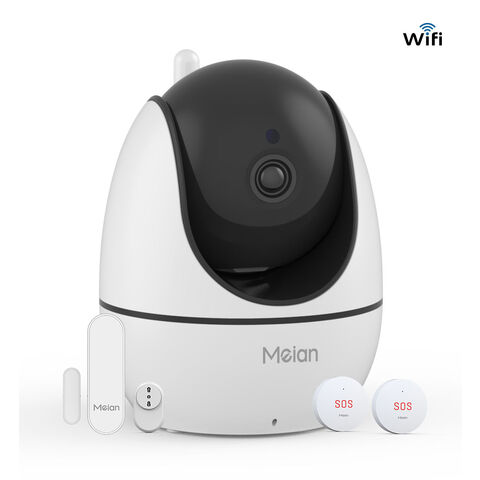
1080P Super Definition Security Camera with Voice intercom
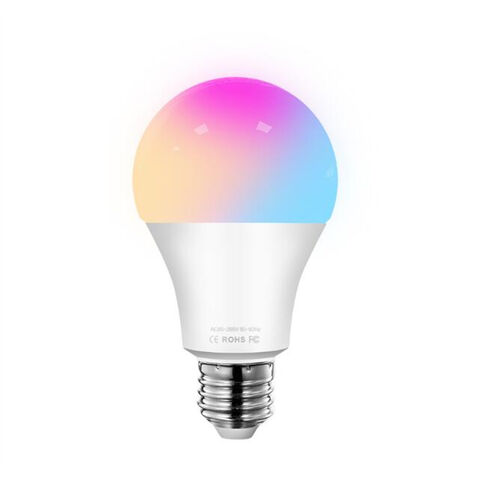
Hot Sell RGB LED Bulb 16 Color Changing Smart light bulb - -
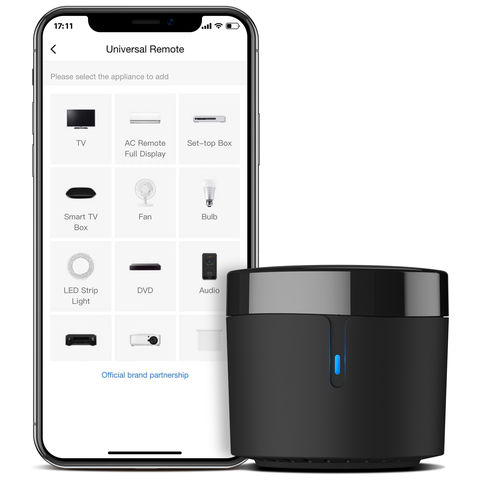
BroadLink RM4 mini Smart IR Remote IR Blaster Hub for Smart Home Automation Infrared TV Air Conditioner Alexa Google Voice Control
2. Wearable technology
Another trend in smart living is wearable technology. Wearable devices like smartwatches and fitness trackers have gained immense popularity, offering features that appeal to health-conscious consumers. These devices can track various health metrics, including heart rate, steps taken, and calories burned. They can also provide notifications for incoming calls, texts, and emails, allowing users to stay connected without needing to check their phones constantly.
The integration of wearable technology into clothing and accessories further broadens its marketability. Smart clothing can monitor movements and provide feedback on posture and form, appealing to athletes and those engaged in physical activities. Smart jewelry can track stress levels and send reminders to take breaks and relax, targeting consumers interested in mindfulness and wellness.
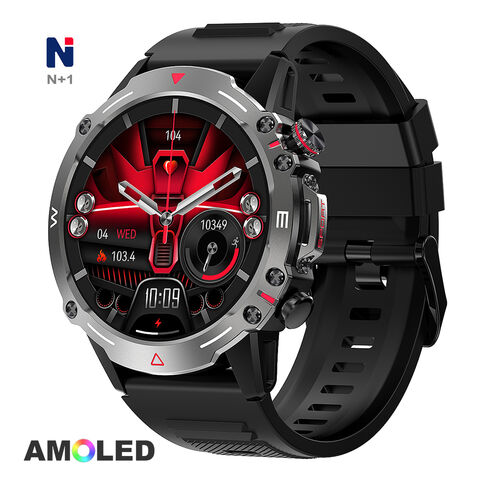
2023 NKS07 Smartwatch ip68 sport look military android ios men women NFC amoled screen display smart watch with bp for Amazfit
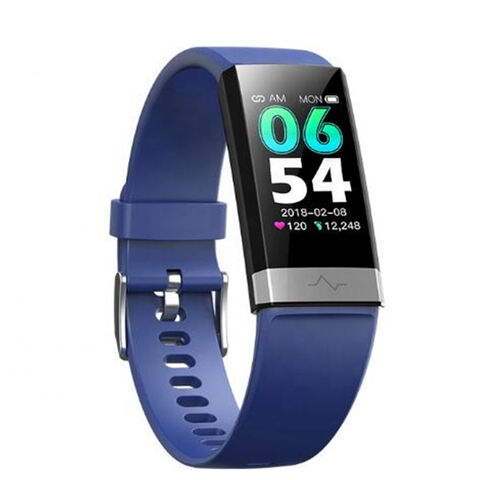
Heart Rate Monitor Fitness Tracker Smart bracelet blood pressure monitor smart watch Fitness Tracker .

Health Fitness Smart Band Wearable Bracelet with Calorie Counter Pedometer
3. Virtual assistants
Virtual assistants such as Amazon's Alexa and Google Assistant have become essential components of modern households. These voice-activated devices can perform a range of tasks, from playing music and setting reminders to controlling smart home devices.
Smart speakers, such as the Amazon Echo and Google Nest Hub, serve as central hubs for smart homes, enabling users to play music, set reminders, and control compatible devices with voice commands. Additionally, smart displays like the Echo Show and Google Nest Hub Max provide visual functionalities, allowing users to make video calls and manage calendars, appealing to consumers seeking multifunctional devices.
The integration of virtual assistants into appliances and vehicles further expands their marketability. Smart refrigerators and ovens equipped with Alexa or Google Assistant offer hands-free control for checking recipes and adjusting cooking settings, attracting home chefs and tech-savvy consumers alike. Many modern cars now feature virtual assistants that enhance the driving experience by enabling users to adjust temperature settings and receive directions via voice commands.
4. Smart health
Technology is also transforming the way individuals approach health and wellness. Smart health devices such as blood pressure monitors and glucose monitors are now equipped with connectivity features that allow them to sync with smartphones., allowing patients to track their health data over time. This data can then be shared with healthcare providers for better diagnosis and treatment.
In addition to standalone health devices, smart technology is increasingly integrated into fitness equipment like treadmills, smart dumbbells, smart jump ropes and stationary bikes. These devices track various metrics during workouts, including heart rate, calories burned, and distance covered. Advanced fitness equipment also provides feedback on users' form and suggests adjustments to improve performance, helping them achieve their fitness goals more effectively. Integration with mobile apps allows users to set goals, track their progress, and receive personalized workout recommendations, creating a more engaging and motivating fitness experience.
5. Smart transportation
Smart transportation is rapidly changing how individuals navigate urban environments, providing innovative alternatives to traditional modes of transit like cars and buses. Electric scooters and bikes have surged in popularity, offering convenient and eco-friendly options for short-distance travel. Equipped with GPS tracking, these vehicles can be easily rented through smartphone apps, allowing users to locate and unlock them with just a few taps. This seamless integration of technology enhances urban mobility and reduces reliance on personal vehicles, contributing to decreased traffic congestion and lower emissions.
In addition to electric scooters and bikes, the development of self-driving cars is poised to revolutionize transportation in the future. These autonomous vehicles utilize advanced sensors and artificial intelligence to navigate roads without human intervention. Although self-driving cars are still in the testing phase, their potential to enhance road safety, optimize traffic flow, and provide greater accessibility for individuals with mobility challenges is significant. Furthermore, personal mobility devices, such as electric wheelchairs and mobility scooters, are becoming increasingly sophisticated. Many of these devices are designed specifically for senior citizens and differently abled individuals, incorporating features like adjustable seating, easy maneuverability, and enhanced safety measures. These innovations empower users to maintain their independence and navigate their environments with greater ease.
6. Augmented reality
Augmented reality (AR) is rapidly gaining traction across various industries, transforming user engagement through immersive experiences that overlay digital information onto the real world. This technology is particularly influential in gaming, education, retail, and healthcare, offering unique selling points that appeal to consumers and businesses alike.
In gaming, Pokémon GO exemplifies AR's potential by allowing players to capture virtual creatures in real-world locations, promoting physical activity and social interaction. In education, tools like Merge Cube enable students to interact with 3D holograms, enhancing understanding in subjects like science and history. Retail applications, such as IKEA Place, allow customers to visualize how furniture will look in their homes before purchasing, improving customer satisfaction and reducing returns.
Healthcare is also benefiting from AR, with products like AccuVein, which projects a map of veins onto a patient’s skin, improving accuracy in injections. For wholesalers and sourcing professionals, the growing demand for AR products presents significant opportunities. By offering a diverse range of AR-enabled devices and applications, businesses can cater to a market eager for innovative and interactive solutions, positioning themselves as leaders in the evolving landscape of augmented reality.
7. Virtual reality
Virtual reality (VR) is making a significant impact in the lifestyle sector, enhancing everyday experiences across various activities. By creating fully immersive digital environments, VR enriches fitness, travel, social interactions, and shopping.
In fitness, VR applications offer engaging workouts that combine entertainment and exercise, making fitness routines more enjoyable. Users can track their progress and participate in virtual classes, fostering a sense of community while promoting health and wellness.
For travel, VR platforms allow users to explore destinations virtually, providing an opportunity to experience new cultures from the comfort of home. Social interactions are also transformed through VR environments where users can meet, connect, and engage in shared activities, overcoming geographical barriers.
In retail, VR is reshaping shopping experiences by offering virtual showrooms, allowing consumers to visualize products in their own spaces before purchasing. This innovative approach enhances decision-making and enriches the overall shopping experience.
8. Smart cities
Smart cities are leveraging advanced technologies to enhance the quality of life for residents and create more sustainable urban environments. By integrating data and analytics into city management, these initiatives facilitate informed decision-making that benefits the community. Key developments include smart traffic management systems that utilize sensors and real-time data to optimize traffic flow. For instance, smart traffic lights can adjust their timing based on current conditions, reducing wait times and congestion, as demonstrated in cities like Barcelona and Los Angeles.
Energy-efficient buildings are another cornerstone of smart city initiatives. Technologies such as automated lighting and energy monitoring tools help reduce energy consumption, with smart meters enabling residents to track their usage in real time. This promotes responsible consumption and supports sustainable practices. Public safety is also enhanced through connected surveillance systems that detect unusual activities and alert authorities promptly, improving overall security in urban areas.
Moreover, smart waste management solutions utilize sensors to monitor fill levels in waste bins, allowing for more efficient pickup schedules and reducing operational costs. This promotes recycling and waste reduction while keeping public spaces clean.
9. Smart grids
Smart grids are transforming energy distribution by leveraging advanced technologies to enhance efficiency and reliability. By integrating sensors and data analytics, these grids can monitor energy flow and detect real-time changes in demand, allowing for dynamic adjustments that optimize resource use and reduce waste.
A key advantage of smart grids is their ability to integrate renewable energy sources like solar and wind. They can manage the variability of these resources by redirecting surplus energy to where it’s needed or storing it for later use, maximizing clean energy utilization and stabilizing the grid.
Smart grids also promote consumer engagement through smart meters that provide real-time energy usage data. This empowers consumers to make informed decisions, potentially leading to cost savings. For businesses in the sourcing and wholesale sectors, the rising demand for smart grid technologies presents valuable opportunities.
10. Smart agriculture
Smart agriculture is revolutionizing farming practices by utilizing technology to enhance crop yields and minimize waste. Techniques such as precision farming allow farmers to collect and analyze data on soil conditions, weather patterns, and crop health. This data-driven approach enables more informed decision-making, ensuring that resources are used efficiently and effectively.
Automated irrigation systems are another significant advancement in smart agriculture. These systems use sensors to monitor soil moisture levels and weather conditions, delivering water only when and where it is needed. This not only conserves water but also promotes healthier crop growth by preventing over- or under-watering.
Furthermore, smart agriculture technologies include drones and satellite imaging, which provide farmers with aerial views of their fields, allowing for timely interventions and targeted treatments.
11. 3D printing
3D printing allows for the creation of intricate designs and prototypes without the need for traditional molds or tooling, significantly reducing production time and costs. Businesses can swiftly iterate designs, making adjustments based on customer feedback or market demands, which enhances their agility in a competitive landscape. One of the key advantages of 3D printing is its ability to create tailored solutions for specific needs. Companies can produce low-volume, high-quality parts on demand, which is particularly beneficial in industries such as aerospace, healthcare, and automotive. For instance, in healthcare, 3D printing is used to create custom prosthetics and implants that perfectly fit individual patients, improving comfort and functionality.
Additionally, 3D printing contributes to sustainability by minimizing waste. Traditional manufacturing often involves cutting away material from a larger block, leading to significant scrap. In contrast, 3D printing builds objects layer by layer, using only the material necessary for the final product. This not only reduces waste but also allows for the use of innovative, eco-friendly materials.
12. Biometric authentication
Biometric authentication is increasingly being adopted across various industries, including banking, healthcare, and security, as a more secure and convenient method for accessing sensitive information. By leveraging unique physical characteristics—such as fingerprints, facial recognition, or iris scans—this technology enhances security measures while streamlining the user experience. In banking, biometric authentication allows customers to securely access their accounts without traditional passwords, improving convenience and reducing the risk of fraud. Similarly, in healthcare, it safeguards patient information by ensuring that only authorized personnel can access sensitive medical records, enhancing privacy and compliance with regulations.
13. Smart retail
Smart retail is using technology to create a more personalized shopping experience for customers. Innovations such as virtual try-on systems and augmented reality enable shoppers to visualize products, enhancing engagement and reducing return rates. For example, customers can virtually try on clothing or accessories through their smartphones, allowing them to make informed purchasing decisions from the comfort of their homes.
Personalized recommendations powered by artificial intelligence analyze customer behavior and preferences to suggest products tailored to individual tastes. Retailers can utilize data from previous purchases and browsing history to create targeted marketing strategies, increasing customer satisfaction and loyalty. This level of personalization helps retailers stand out in an increasingly competitive digital landscape.
14. Blockchain technology
One of the primary benefits of blockchain is its ability to create an immutable ledger, ensuring that once a transaction is recorded, it cannot be altered or deleted. This feature significantly reduces the risk of fraud and enhances trust among parties involved in a transaction. For instance, in supply chain management, blockchain can track the provenance of goods, allowing companies to verify the authenticity and ethical sourcing of their products.
Additionally, blockchain facilitates efficient and secure information exchange in sectors like finance, healthcare, and real estate. Smart contracts, which are self-executing contracts with the terms directly written into code, automate processes and reduce the need for intermediaries, thereby saving time and costs.
15. Smart education
Smart education is transforming learning by utilizing technology to create interactive and engaging experiences for students. Innovations like online courses offer flexibility, allowing learners to study at their own pace while accessing a wide array of subjects from anywhere. This accessibility enables students to tailor their education to individual interests and needs.
Gamified learning platforms further enhance engagement by incorporating game-like elements such as rewards and challenges, motivating students to participate actively and improving information retention. Additionally, technologies like virtual reality (VR) and augmented reality (AR) provide immersive experiences, allowing students to explore complex concepts through virtual field trips or simulations.

Educational toys, Wooden jigsaw puzzle, spelling exercise of 26 English letters for children, early education
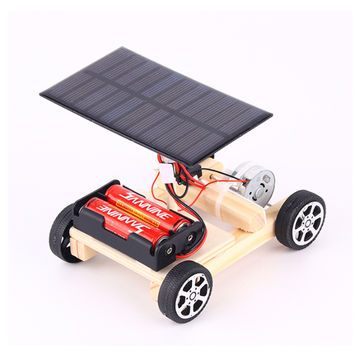
Wholesale DIY wooden science toys solar car STEM educational toys for kids

300 Pcs Straw Constructor Stem Building Toy 3D Puzzle Diy Interlocking Blocks Toy
16. Smart travel
Smart travel is enhancing the journey for passengers through innovative technologies. Mobile check-in apps streamline boarding, allowing travelers to avoid long lines and receive real-time flight updates, reducing stress. Products like automated check-in kiosks and digital boarding passes further facilitate a smoother airport experience.
AI-powered personalized recommendations from platforms like Airbnb and TripAdvisor suggest tailored activities and local attractions based on individual preferences. Smart luggage, equipped with GPS tracking, remote locking, and built-in charging capabilities, helps travelers monitor their bags and keep devices powered on the go.
As the demand for smart travel solutions increases, sourcing and wholesale businesses can benefit by supplying related technologies, including travel management apps, portable Wi-Fi hotspots, and noise-canceling headphones. Offering these products positions companies as key players in the evolving travel landscape, significantly improving the overall travel experience.
17. Smart payment systems
Mobile payment solutions like Apple Pay and Google Wallet enable users to make purchases quickly through their smartphones, eliminating the need for physical cash or cards. This technology not only enhances convenience but also adds layers of security, as transactions can be completed using biometric authentication.
Contactless cards further streamline the payment process, allowing consumers to simply tap their cards at terminals for quick transactions. This method reduces waiting times at checkout and enhances the overall shopping experience. Additionally, many retailers are adopting point-of-sale systems that support these smart payment options, making it easier for businesses to cater to customer preferences. Sourcing contactless payment terminals, mobile payment apps, and security software presents significant opportunities for businesses looking to capitalize on the growing demand for smart payment solutions.
18. Smart energy management
Smart energy management systems are transforming how homeowners and businesses reduce energy consumption and enhance efficiency through innovative technologies. Key products such as smart thermostats enable users to optimize heating and cooling based on their daily routines. Devices like the Nest Learning Thermostat or the Ecobee SmartThermostat can be controlled remotely via smartphone apps, allowing for precise temperature adjustments and significant savings on energy bills.
Solar panels are another critical component of smart energy systems. Products like Tesla Solar Roof and SunPower Solar Panels harness renewable energy, reducing reliance on traditional power sources. When paired with battery storage solutions like the Tesla Powerwall, these systems allow homeowners to store excess energy for later use, maximizing savings and minimizing their carbon footprint.
Furthermore, smart energy monitoring devices, such as the Sense Energy Monitor, provide real-time data on energy usage, helping consumers identify patterns and opportunities for improvement. These products empower users to take control of their energy consumption, leading to lower utility costs and a more sustainable lifestyle.
19. Smart waste management
Smart waste management systems utilize innovative technologies to reduce waste production and enhance recycling rates. Smart bins equipped with sensors can detect when they are full and send notifications to waste management services. This optimizes collection routes and schedules, reducing operational costs and minimizing the environmental impact associated with unnecessary collection trips.
Automated sorting systems leverage artificial intelligence to identify and separate recyclables from general waste. By improving the efficiency of recycling processes, these systems ensure that more materials are diverted from landfills. Automation also reduces labor costs, making the entire waste management process more effective and sustainable.
Additionally, smart waste tracking solutions provide valuable data analytics to municipalities, enabling them to monitor waste production trends and adjust policies or programs accordingly. There are products that offer platforms that track waste generation and recycling efforts in real time, empowering cities to make informed decisions about their waste management strategies.
20. Smart water management
Smart water management systems are using technology to conserve water resources and improve water quality.
Automated irrigation systems, such as smart sprinkler controllers, use weather data and soil moisture sensors to optimize watering schedules. By delivering the right amount of water at the right time, these systems minimize waste and promote healthier landscapes, making them essential for water conservation efforts.
Leak detection sensors are crucial for identifying water loss in real time. Products like smart water meters and leak detection devices monitor water usage patterns and alert property owners to unusual consumption, enabling prompt repairs and reducing unnecessary waste. This proactive approach helps maintain water resources and ensures efficient management.
In addition, water quality monitoring systems are vital for ensuring safe drinking water. Various devices continuously check parameters such as pH, turbidity, and contaminants, providing real-time data to help communities respond quickly to potential water quality issues.
Conclusion
As technology continues to evolve, new smart lifestyle trends are anticipated to emerge, significantly reshaping how individuals engage with their daily lives. From smart homes to wearable technology, these trends are transforming the way people live, work, and play. While there are certainly challenges associated with these new technologies, such as privacy concerns and cybersecurity risks, the benefits they offer cannot be ignored. As society continues to embrace these trends, it's important to remain vigilant and ensure that technology is applied in a way that enhances people’s lives without sacrificing privacy or security.

