Artificial intelligence is transforming food supply chains from farm to retail shelf. Through machine learning, computer vision, and predictive analytics, AI helps companies reduce waste, improve safety, optimize logistics, and respond to disruptions in real time. Industry leaders like Kroger have cut food waste by 25% using AI tools, while manufacturers report 15-30% better defect detection and 20-40% less unplanned downtime. This guide explores how AI is reshaping the food supply chain, key advancements, benefits and challenges, and what lies ahead.
Your complete 2026 B2B trade show marketing guide. Featuring Global Sources Hong Kong Shows, top organizers for lead generation, and proven strategies. Are trade shows worth it? Find out here.
This comprehensive guide explores what AI means for events, how it's changing the industry, practical applications across the event lifecycle, and what the future holds for professionals ready to embrace this transformative technology.
Sourcing from China and across Asia can be a daunting task, especially for small businesses and first-timers who might not have the means and global resources to establish full-scale overseas operations the way big businesses do. That’s where other sourcing tools come into play.
Here is a step-by-step guide that can help businesses like yours get an idea about the various options available out there in the market, and zero-in on the right supplier to meet your sourcing needs.
Use various sourcing tools to get an overview of the options available in the market.
An internet search on sites like Global Sources, Alibaba, etc. can generate great sourcing leads on reliable suppliers.
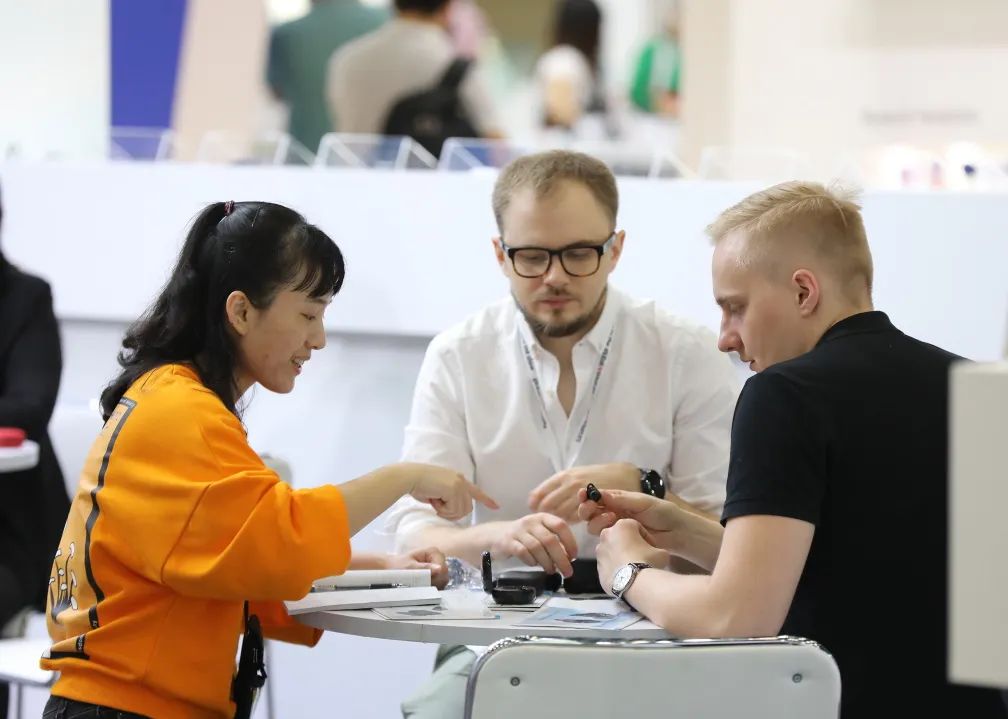
Sourcing magazines & trade shows are also vast sources of information on wholesale distributors, manufacturers and suppliers of products. While social media cannot be used in isolation to identify suppliers or for product sourcing, it can be very useful to get feedback on particular suppliers.
Step 2. Short-list suppliers
Visiting a company personally is the best solution for verifying its authenticity, of course.
When that’s not logistically possible, turn to companies like Global Sources that do a series of verification checks on companies listed on their site.
Such reputed sourcing platforms provide reliable and verified lists of manufacturing companies – accessing these gives small businesses the advantage of finding the right source and being able to make their sourcing decisions confidently.
Choose the right supplier to suit your business needs - by keywords, by product category, previous collaborations with worldwide brands & even by region. You can also verify supplier credentials by appointing an external local agency in China for due diligence and quality audit.
Step 3. Negotiate with the supplier
Once you have pinpointed the supplier you wish to deal with, then comes the need to with the supplier. This would involve negotiating the price, payment terms, delivery schedule and contingency plans for unforeseen situations.
At this point, you could also make inquiries about drop-ship product services as these may be drop-ship suppliers as well.
Alternatively, there are local third-party sourcing agents who can represent your firm in all negotiations, easing the process for you. This ensures that there is no miscommunication due to language or cultural differences, and it also reduces the risk of unscrupulous suppliers taking you for a ride!
Common issues like shipping, taxes, customs, etc. should all be clearly spelled out at this stage to avoid later disputes.
Step 4. Establish a long-term personal relationship
Even in business, establishing a long-term personal relationship is very important to the Chinese; hence it should be to you too, to ensure that your sourcing is smooth & hassle-free over the long term.
The cultural, language and business expectations of the East and the West are vastly different and you need to respect these differences in order to maintain a healthy long-term relationship with your supplier.
While factory visits and product QC are key, building ‘guanxi’ (a relationship) with your Chinese supplier takes personal time & commitment. But it will definitely be worth your while!
Source high-demand products across key growth categories from Global Sources verified suppliers. Discover scalable solutions for smart living, travel, tech, and more.
Join Fred Young, Founder of Ocean Stone, as he shares insights on the global expansion of Chinese brands. Discover key distinctions in product versus brand globalization, challenges faced overseas, and strategies for successful localization. Explore how Chinese companies can build trust with distributors and thrive in international markets through innovative branding and tailored approaches.
In this recent forum in Shanghai, the Sourcing Elite Board (SEB) explored new trends and trade opportunities in the Southeast Asian market. Guest speaker Chris Dier of Xenica Limited shared insights on the region's booming economy, demographic advantages, and significant growth in trade and manufacturing. While challenges like regulatory fragmentation and sustainability pressures exist, Southeast Asia's strategic importance in global trade is set to rise, with projections indicating it may soon surpass Japan as the world's fourth-largest economy.
Explore key insights on high-demand product categories in Indonesia's thriving e-commerce market, driven by platforms such as Tokopedia, Shopee, Lazada and Blibli. Learn about emerging trends, supply chain optimization, and the importance of innovative product introductions to seize new buyer opportunities at the upcoming Global Sources Indonesia show.
Since its establishment, STANDER Robotics has been driven by technological innovation. Compared with important indicators of enterprise operation and development such as enterprise scale and revenue growth, the soft power of technology research and development truly determines the height and depth of future growth of the enterprise.