




 The supplier vs. manufacturer dynamic is a crucial aspect of the supply chain industry. Understanding the roles and differences between suppliers and manufacturers is essential for businesses looking to source products. A supplier is a company that purchases finished products or components from manufacturers and sells them to retailers or end customers. They play a vital role in the distribution of goods, providing services such as packaging, labeling, and shipping. On the other hand, a manufacturer is a company that produces goods from raw materials or components. They have the capability to design, develop, and produce their own products or provide OEM and ODM services to other companies. Manufacturers are responsible for ensuring the quality and safety of their products and often have their own factories and production lines. When navigating supplier and manufacturer partnerships, market insights and analysis are crucial for making informed choices.
Global Sources Platform provides a comprehensive resource for businesses to explore and connect with reliable suppliers and manufacturers. Through in-depth product introductions and case studies, businesses can gain a deeper understanding of the capabilities and offerings of potential partners. Considerations such as cost, quality, production capacity, lead time, and customization options should be taken into account when choosing between suppliers and manufacturers. To help clarify any further questions, FAQs addressing the supplier vs. manufacturer conundrum are also available. Ultimately, by leveraging the resources and insights provided by Global Sources, businesses can effectively navigate the supplier vs. manufacturer landscape and make informed decisions that drive success in their supply chain operations.
Table of Contents
Part 3. Market Analysis: The Supplier vs. Manufacturer Dynamic
Part 4. Market Insights: Navigating Supplier and Manufacturer Partnerships
Part 5. Global Sources Platform: Facilitating Informed Choices
Part 6. In-Depth Product Introduction: A Case Study
Part 7. Scenario: Introducing a Smart Home Device
Part 8. Conclusion: Navigating the Supplier vs. Manufacturer Conundrum with Global Sources
Part 9. Supplier vs. Manufacturer: What's the Difference?
Part 10. The Supplier's Role in the Supply Chain
Part 11. Manufacturer's Role in the Supply Chain
Part 12. Factors to Consider When Choosing Between Suppliers and Manufacturers
Part 13. FAQs: Supplier vs. Manufacturer
Part 1. What is Supplier
A supplier is a company or individual that provides goods or services to another company. They play a crucial role in the supply chain by sourcing, procuring, and delivering the products or services needed by the recipient company. Suppliers can provide raw materials, components, equipment, or finished products, depending on the requirements of the buyer. They are responsible for ensuring the timely delivery and quality of the goods or services they provide. Suppliers can be essential business partners, helping them meet their needs and maintain smooth operations.
Part 2. What is Manufacturer
A manufacturer is a company or entity engaged in producing or creating goods or products. Manufacturers are responsible for designing, producing, and assembling goods, often in large quantities. They typically own and operate the manufacturing facilities where the production takes place. Manufacturers are involved in the entire production process, from sourcing raw materials to the final packaging of the finished products. Their role is to transform raw materials or components into finished goods that are ready for distribution and sale in the market.
Part 3. Market Analysis: The Supplier vs. Manufacturer Dynamic
In the ever-evolving landscape of global commerce, understanding the dynamics between suppliers and manufacturers is not only vital but also a driving force behind informed business decisions. To delve deeper into this dynamic, let's explore the market analysis, market insights, and the significance of platforms like Global Sources in facilitating this crucial relationship.
Part 4. Market Insights: Navigating Supplier and Manufacturer Partnerships
Here’s how to:
Informed Decision-Making
The success of any business endeavor, especially in a global context, hinges on well-informed decision-making. When choosing between suppliers and manufacturers, one must meticulously analyze market insights. This entails understanding market trends, demand fluctuations, and the specific requirements of your target audience. Global Sources, a platform renowned for its vast database of suppliers and manufacturers, offers invaluable data and insights. It equips businesses with the knowledge required to select partners that align with their objectives.
Cost Efficiency
Cost efficiency is a cornerstone of a thriving business. Analyzing market trends and competitor pricing is imperative to make cost-effective choices. Manufacturers, owing to their in-house production capabilities, often have a better control over costs compared to suppliers. However, suppliers can offer competitive pricing if they specialize in sourcing cost-effective materials or products. Businesses need to weigh these factors meticulously while considering their budget constraints and long-term sustainability.
Supply Chain Optimization
Efficient supply chain management is at the core of successful businesses. Manufacturers can optimize supply chains through vertical integration. They control every aspect of production, from sourcing raw materials to delivering the finished product. This tight control minimizes disruptions, enhances quality control, and streamlines logistics. Suppliers, while not directly involved in production, can contribute to supply chain optimization by ensuring timely delivery of materials, reducing lead times, and offering flexibility in product sourcing.
Market Trends and Innovation
The global marketplace is ever-evolving, with consumer preferences and industry trends constantly shifting. Staying ahead in such a dynamic environment requires a keen eye on market insights. Manufacturers are often more adaptable to market changes as they have control over product design and innovation. They can swiftly respond to emerging trends, introducing new features or designs to cater to changing customer demands. Suppliers can also adapt, but their role primarily involves sourcing existing products, which may limit their ability to innovate.
Risk Mitigation
Mitigating risks is a crucial aspect of any business strategy. Both suppliers and manufacturers come with their set of risks. Suppliers may face risks related to the availability of materials, geopolitical issues, or changes in market conditions. Manufacturers, on the other hand, bear the risk of high upfront investments in production facilities and potential oversaturation of the market with their products. Market analysis helps in identifying and assessing these risks, allowing businesses to formulate risk mitigation strategies.
Part 5. Global Sources Platform: Facilitating Informed Choices
Expanding Business Horizons
Global Sources is a leading B2B platform that connects businesses with suppliers and manufacturers worldwide. Its extensive database is a treasure trove of information, offering access to a vast array of products and services. For businesses, this platform is a gateway to expanding their horizons. Whether you are a small startup or an established conglomerate, the global reach of Global Sources enables you to discover potential partners from different corners of the world.
Quality Assurance
In the global marketplace, ensuring product quality is paramount. Global Sources is renowned for its stringent verification processes. Suppliers and manufacturers listed on the platform undergo thorough background checks, ensuring they meet international quality standards. For businesses seeking reliable partners, this verification process is a valuable asset. It minimizes the risk of partnering with unscrupulous entities and provides assurance of product quality.
Diverse Product Categories
Global Sources covers an extensive range of product categories, from electronics and fashion to industrial machinery and home goods. This diversity is beneficial for businesses across various industries. Whether you are sourcing components for your electronics manufacturing or seeking suppliers for your retail store, the platform offers an extensive selection. This diversity is particularly advantageous for companies looking to diversify their product offerings or enter new markets.
Efficient Sourcing
Efficiency in sourcing is a hallmark of Global Sources. The platform offers powerful search and filtering tools, allowing businesses to narrow down their search based on specific criteria such as location, product type, and certification. This streamlines the sourcing process, saving time and effort. Additionally, the platform provides valuable insights into supplier capabilities, production capacity, and product offerings, helping businesses make informed decisions.
Market Trends and Insights
Global Sources doesn't just connect businesses with suppliers and manufacturers; it also provides valuable market insights and trend analysis. By staying updated on the latest industry trends and consumer preferences, businesses can make proactive decisions. For instance, if there is a growing demand for eco-friendly products in the market, the platform can help you identify suppliers or manufacturers specializing in sustainable materials or production processes.
Part 6. In-Depth Product Introduction: A Case Study
To better illustrate the significance of platforms like Global Sources, let's take an in-depth look at a hypothetical scenario where a business is seeking to introduce a new product into the market. This case study will explore how the platform facilitates this process and the considerations involved in choosing between a supplier and a manufacturer.
Part 7. Scenario: Introducing a Smart Home Device
Imagine a company planning to introduce a new smart home device to capitalize on the growing demand for home automation. They have a concept in mind, but the success of their product hinges on finding the right partner to bring this concept to life. Here's how Global Sources can play a pivotal role:
1. Market Research
The first step is to conduct thorough market research. Global Sources offers access to market reports and trend analysis related to smart home devices. The company can delve into this data to gain insights into the current market landscape, key players, and emerging trends. This research helps refine the product concept and identify specific features or functionalities that will resonate with consumers.
2. Sourcing Partners
With a clear understanding of their product requirements, the company can use Global Sources to search for potential partners. They can filter suppliers and manufacturers based on criteria such as location, production capacity, and certifications. For a complex product like a smart home device, they may decide to explore both supplier and manufacturer options.
3. Supplier Evaluation
For certain components or materials that don't require in-house production, the company can engage with suppliers. For instance, they may need high-quality sensors for their device. Global Sources provides detailed information about suppliers, including their product offerings, quality standards, and certifications. The company can assess multiple suppliers, request samples, and negotiate terms to ensure they receive the best-quality sensors at competitive prices.
4. Manufacturer Collaboration
For the assembly and production of the smart home device, the company may opt for a manufacturer. Global Sources facilitates this by connecting them with reputable manufacturers with expertise in electronics assembly. The platform provides insights into the manufacturing capabilities of these partners, including their production lines, quality control processes, and past projects. The company can collaborate closely with the chosen manufacturer to bring their product to life.
5. Quality Assurance
Throughout the sourcing and manufacturing process, quality assurance is paramount. Global Sources' verification process ensures that the selected partners meet international quality standards. Additionally, the company can conduct inspections and quality checks at various stages of production to maintain the highest product quality.
6. Market Entry
Once the smart home device is ready for market entry, Global Sources continues to be a valuable resource. The platform offers connections with distributors, retailers, and potential buyers worldwide. The company can showcase their product, negotiate distribution agreements, and expand their market reach.
In this hypothetical scenario, Global Sources serves as a comprehensive platform that guides the company from market research to product launch. It connects them with the right partners, ensures product quality, and facilitates market entry—a testament to the platform's importance in the modern business landscape.
Part 8. Conclusion: Navigating the Supplier vs. Manufacturer Conundrum with Global Sources
In the intricate world of global commerce, the choice between suppliers and manufacturers is a pivotal decision that can profoundly impact a business's success. Market analysis and insights are the compass guiding businesses in this decision-making process. The dynamic platform offered by Global Sources further simplifies this journey, providing a wealth of resources, verified partners, and market trends.
As businesses venture into new markets, diversify their product offerings, or seek to optimize their supply chains, the knowledge gained from market analysis and the connections facilitated by platforms like Global Sources become invaluable assets. In this rapidly evolving global marketplace, informed decisions are the foundation of sustainable growth and competitiveness.
In the end, the supplier vs. manufacturer conundrum is not a binary choice; it's a strategic decision that should align with the unique goals and requirements of each business. With the right insights and partners, businesses can navigate this dynamic landscape with confidence, ultimately driving their success in the global marketplace.
Part 9. Supplier vs. Manufacturer: What's the Difference?
The main difference between a supplier and a manufacturer is:
Supplier:
- A supplier is a company or individual that provides goods or services to a business or organization.
- Suppliers focus on sourcing and delivering products or services efficiently.
- They may provide raw materials, components, equipment, or finished products to other companies.
- Suppliers typically do not own manufacturing facilities and have less control over the production process.
Manufacturer:
- A manufacturer is a company or entity engaged in producing or creating goods or products.
- Manufacturers are involved in the entire production process, including design, assembly, and manufacturing.
- They own and operate the manufacturing facilities and have control over the production process.
- Manufacturers are responsible for producing the goods themselves.
In summary, suppliers provide products or services to businesses, while manufacturers are directly involved in the production process and create the goods themselves.
| Supplier | Manufacturer | |
|---|---|---|
| Definition | A company or individual that provides goods or services to a business or organization. | A company or entity that is engaged in the production or creation of goods or products. |
| Production Process | Provides resources, components, or finished products for a company’s production process. | Engages in the entire production process, including design, assembly, and manufacturing of goods or products. |
| Ownership of Production | Typically does not own the manufacturing facilities or processes. | Owns and operates the manufacturing facilities and processes. |
| Level of Control | Generally has less control over the production process. | Exercises control over the entire production process and may make decisions regarding design, quality, and production methods. |
| Intellectual Property | Typically does not hold intellectual property rights of the products. | May hold intellectual property rights related to the design, technology, or brand of the products produced. |
| Expertise | Specializes in sourcing and delivering goods or services efficiently. | Specializes in manufacturing processes, quality control, and optimizing production efficiency. |
| Sales and Distribution | May participate in the distribution process by delivering goods to customers. | Focuses on production and often sells products to distributors, retailers, or direct to customers. |
| Examples | Raw material suppliers, component suppliers, logistics providers. | Automobile manufacturers, electronics manufacturers, pharmaceutical manufacturers. |
Part 10. The Supplier's Role in the Supply Chain
Suppliers play a critical role in the supply chain ecosystem. Here are some primary functions and responsibilities of suppliers:
1. Sourcing and procurement: Suppliers are responsible for identifying and sourcing the necessary raw materials, components, or finished goods required by the buyer. They assess market conditions, negotiate contracts, and ensure the timely availability of the required items.
2. Quality control: Suppliers are expected to maintain and deliver products or materials that meet specified quality standards. They are responsible for conducting quality checks, inspections, certifications, and adherence to relevant regulations or industry standards.
3. Inventory management: Suppliers must effectively manage their inventory levels to meet the demands of buyers. This involves forecasting demand, coordinating with manufacturers to align production schedules, and ensuring sufficient stock availability while minimizing excess inventory.
4. Logistics and transportation: Suppliers organize the transportation and delivery of goods to the buyer's location. They arrange for carriers, handle documentation, track shipments, and ensure timely delivery while optimizing logistics costs.
5. Relationship management: Suppliers need to establish and maintain strong relationships with customers (manufacturers or businesses). This involves effective communication, understanding customer requirements, providing after-sales support, resolving issues, and continuously improving their service.
6. Risk management: Suppliers must anticipate and manage various risks in the supply chain. This includes assessing and mitigating risks related to demand fluctuations, supply disruptions, quality issues, regulatory compliance, and financial stability.
7. Continuous improvement: Good suppliers actively work on improving their processes, efficiency, and quality. They incorporate feedback, implement lean practices, invest in technology, and proactively identify opportunities for improvement and innovation.
By fulfilling these roles effectively, suppliers contribute to the overall success and competitiveness of the supply chain, ensuring the smooth flow of goods and services from producers to end consumers.
Part 11. Manufacturer's Role in the Supply Chain
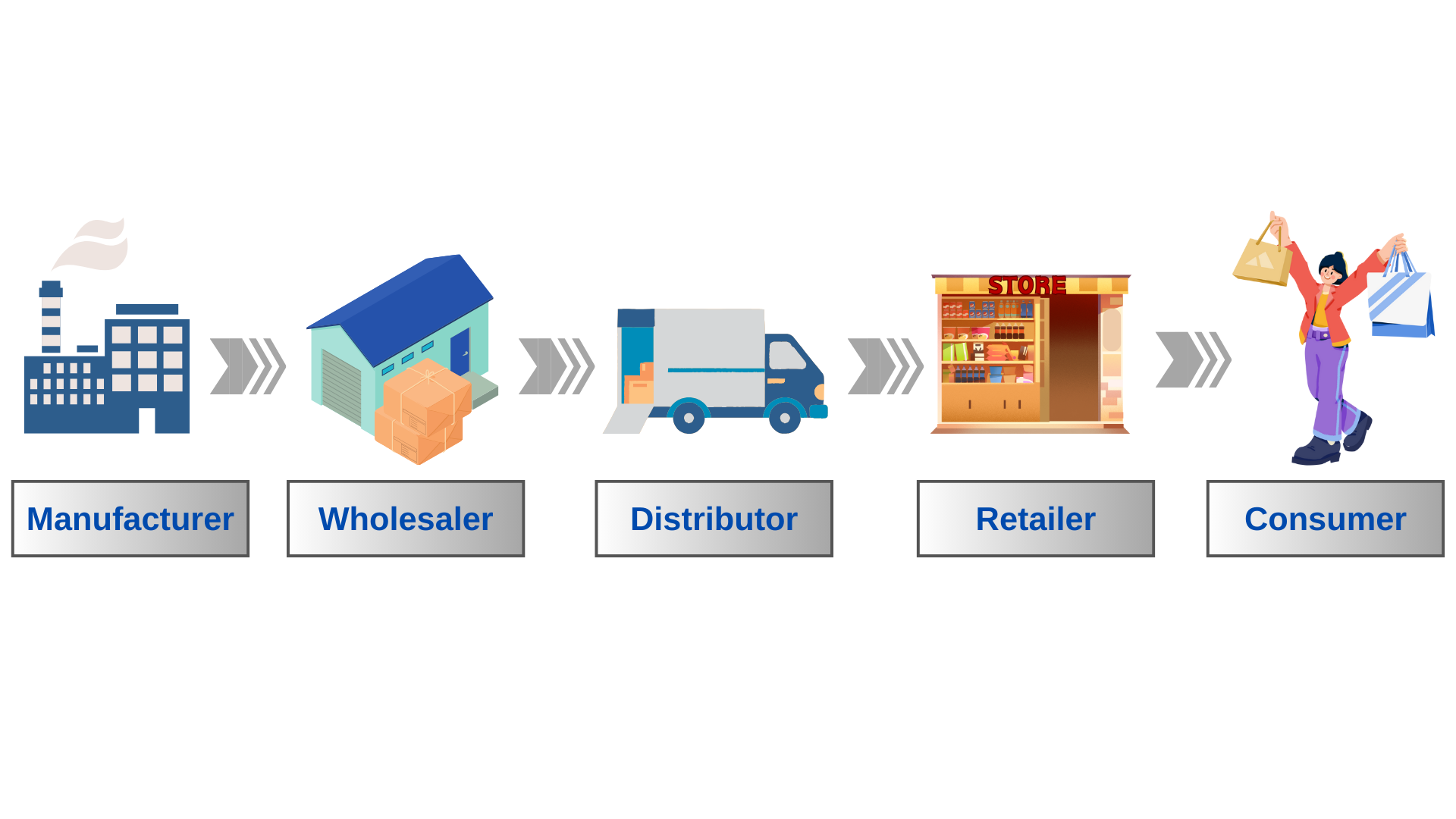
Manufacturers play a crucial role in the supply chain, particularly in converting raw materials into finished goods for distribution and consumption. Here are key aspects of the manufacturer's role:
1. Production: Manufacturers are responsible for the actual production of goods. This involves converting raw materials or components into finished products through various processes such as assembly, fabrication, or manufacturing. They focus on maintaining quality standards, optimizing production efficiency, and meeting production volumes to fulfill customer demand.
2. Supply chain coordination: Manufacturers coordinate with suppliers to ensure the timely availability of raw materials and components. They establish effective procurement and inventory management systems to avoid stockouts, minimize excess inventory, and optimize the flow of materials throughout the supply chain.
3. Quality control: Manufacturers implement quality control measures to ensure that finished products meet the desired specifications and standards. This includes conducting inspections, testing, and implementing quality assurance processes throughout the production cycle to identify and rectify any defects or deviations.
4. Packaging and labeling: Manufacturers are responsible for appropriately packaging and labeling products for shipment and retail. They ensure that packaging materials are durable, protective, and appropriate for transportation and storage. Manufacturers also comply with labeling regulations and industry standards for accurate product information and consumer safety.
5. Distribution and logistics: Manufacturers coordinate the distribution of finished goods from the production facility to various distribution channels, whether it's through direct sales, wholesalers, or retailers. They work on optimizing logistics, selecting appropriate transportation modes, and managing inventory to facilitate efficient and timely deliveries.
6. Continuous improvement and innovation: Forward-thinking manufacturers focus on continuous improvement and innovation. They invest in research and development, adopt new technologies, and streamline production processes to enhance product quality, reduce costs, and stay competitive in the market.
7. Customer service and support: Manufacturers provide customer service and support to address any inquiries, issues, or after-sales service requirements. This includes warranty claims, repairs, product information, and technical assistance to ensure customer satisfaction.
By fulfilling these roles effectively, manufacturers contribute to the overall success of the supply chain by meeting customer demands, ensuring product quality, and facilitating the flow of goods from production to consumption.
Part 12. Factors to Consider when Choosing Between Suppliers and Manufacturers
Risk Assessment
In the intricate world of global commerce, understanding risk factors is paramount when deciding between suppliers and manufacturers. Both options come with distinct risk profiles. Suppliers may encounter risks related to material availability, geopolitical factors, or market fluctuations. On the other hand, manufacturers assume different risks, such as high upfront investments and market saturation.
A comprehensive risk assessment is crucial, involving the evaluation of potential risks' impact on business operations, financial stability, and competitive positioning. It forms the foundation of informed decision-making, aligning with a company's risk tolerance and long-term objectives.
Global Sources significantly aids in this process by providing critical insights into partner credibility. This information equips businesses with the data needed to make informed choices concerning risk management in supplier and manufacturer partnerships.
Regulatory Compliance
Navigating the intricate web of international regulations is paramount when engaging with suppliers and manufacturers. Products often need to meet a diverse array of safety, quality, and environmental standards, which can vary significantly from market to market.
Suppliers and manufacturers may have distinct responsibilities regarding regulatory compliance. Suppliers are typically responsible for ensuring that the materials or components they provide meet specified standards. In contrast, manufacturers take on the responsibility of ensuring that the final product complies with the extensive array of relevant regulations.
Non-compliance can lead to costly recalls, legal complications, and damage a company's reputation. Safeguarding compliance demands profound market knowledge, meticulous documentation, and, in some cases, consultation with legal experts.
Global Sources is a trusted ally in this realm, providing businesses with insights into potential partners' compliance records, enabling them to engage with entities adhering to international regulations and product standards.
Scalability and Growth
Scaling operations for long-term growth is fundamental for businesses. The ability to adapt to changing market demands, increase production, and enter new markets is crucial for sustainable growth.
Manufacturers typically have an advantage in scalability due to their production control. This control minimizes disruptions, enhances quality management, and streamlines logistics, making it easier for them to scale in response to increased demand.
Suppliers, on the other hand, may have limitations in terms of scalability, especially if they rely on external sources for materials or products. However, they can still contribute to a business's scalability by ensuring timely material delivery.
To plan for long-term growth effectively, businesses must consider their specific industry, market trends, and potential disruptions. They should evaluate the scalability of their chosen partners and anticipate how changes in demand may affect their supply chain.
Global Sources aids businesses in connecting with partners capable of accommodating growth. The platform offers insights into the production capacity and capabilities of potential manufacturers and suppliers, enabling companies to make strategic decisions that align with their expansion goals.
Intellectual Property Protection
Protecting intellectual property (IP) is a critical concern when dealing with suppliers and manufacturers. IP encompasses patents, trademarks, copyrights, and trade secrets that give businesses a competitive edge. It's essential to safeguard these assets throughout the supplier or manufacturer partnership.
Manufacturers often have more control over IP because they are directly involved in the product's design, development, and production. However, businesses should still establish robust IP protection mechanisms, such as contracts, non-disclosure agreements (NDAs), and legal safeguards.
Suppliers may not have the same level of control over IP, especially if they source existing products or materials. Therefore, businesses must take proactive measures to protect their IP rights when working
with suppliers. This includes clearly outlining IP ownership, usage rights, and confidentiality in contractual agreements.
Global Sources assists in this aspect by verifying the credibility and reputation of potential partners. Businesses can identify trustworthy suppliers and manufacturers with a track record of respecting IP rights. This reduces the risk of IP infringement and helps maintain the integrity of proprietary innovations and designs.
Industry Case Studies
Real-world case studies provide valuable insights into the supplier vs. manufacturer decision-making process. By examining how other businesses successfully navigated this choice, companies can gain practical knowledge and make more informed decisions tailored to their unique circumstances.
For instance, consider a case study of a consumer electronics company that initially sourced key components from a supplier. As demand for their products surged, they faced challenges in securing a consistent supply of components, leading to production delays and customer dissatisfaction. After careful analysis, the company decided to transition to in-house manufacturing. This allowed them greater control over production and a more predictable supply chain, resulting in improved product quality and customer satisfaction.
In another case, a fashion retailer partnered with multiple clothing suppliers to diversify their product offerings. However, quality inconsistencies and supply chain disruptions arose due to the diverse supplier base. The retailer decided to collaborate with a manufacturer capable of producing a broader range of clothing items in-house, enhancing quality control and reducing logistical complexities.
These case studies illustrate how businesses tailor their supplier vs. manufacturer decisions to address specific challenges and seize growth opportunities. By learning from these experiences, companies can refine their strategies and make choices that align with their objectives.
Supply Chain Resilience
Building Resilience in the Supply Chain
In the ever-changing landscape of global business, supply chain disruptions can have far-reaching consequences. Explore how the choice between suppliers and manufacturers impacts supply chain resilience. Discuss strategies for building resilience, such as dual sourcing and diversifying suppliers or in-house production. Highlight the role of Global Sources in identifying partners with the ability to contribute to a resilient supply chain.
Environmental Sustainability
Sustainability Considerations
Environmental sustainability is an increasingly vital concern for businesses. Examine the environmental implications of working with suppliers vs. manufacturers. Discuss how each choice affects a company's ability to implement sustainable practices, reduce carbon footprints, and meet consumer demand for eco-friendly products. Highlight how Global Sources can connect businesses with partners committed to sustainability.
Innovation and Product Development
Driving Innovation
Innovation is a cornerstone of competitiveness. Explore how choosing between suppliers and manufacturers impacts a company's ability to innovate and develop new products. Discuss the advantages of close collaboration with manufacturers in product development. Provide insights into
how businesses can foster innovation in supplier relationships. Emphasize how Global Sources can connect businesses with partners aligned with their innovation goals.
Emerging Market Entry
Exploring Emerging Markets
Entering emerging markets presents unique challenges and opportunities. Discuss the role of suppliers and manufacturers in expanding into emerging markets. Highlight the importance of market analysis in decision-making. Offer guidance on adapting supply chain strategies for emerging market entry. Explain how Global Sources provides market insights and connects businesses with partners experienced in emerging markets.
Also Read:
- Best Websites for Manufacturers 2024
- What Is MSRP?
- Find Indian Manufacturers 2024
- Find a Manufacturer in China 2024
- Best Clothing Manufacturers in China 2024
- Manufacturers vs. Distributors
- Supplier vs. Manufacturer
- Clothing Manufacturers for Startups
- Buy a Car Direct from Manufacturers
- What Is an OEM?
- Buy Products Direct from Manufacturers
- Find a Manufacturer or Supplier
Part 13. FAQs: Supplier vs. Manufacturer
Is the supplier the same as the manufacturer?
No, a supplier and a manufacturer are not the same. A manufacturer is a company or entity that produces or creates goods or products. They are involved in the actual production process, which includes designing, assembling, and packaging the products. Manufacturers typically have their own production facilities, equipment, and workforce.
On the other hand, a supplier is an entity that provides the necessary resources or materials to a company. Suppliers can be individuals, businesses, or organizations that offer goods or services needed for the production or operation of a company. They may supply raw materials, components, equipment, or even finished products.
What is the difference between a contract manufacturer and a supplier?
A contract manufacturer and a supplier differ in their level of involvement in the production process. A contract manufacturer is a company that is hired by another company to produce goods on their behalf. The contract manufacturer handles the entire manufacturing process, from sourcing materials to production and assembly. They often have specialized expertise and resources that make them suitable for the job. In this arrangement, the contracting company maintains control over the product design and intellectual property, while outsourcing the manufacturing tasks.
On the other hand, a supplier primarily provides the resources or materials needed for production or operation. They may supply raw materials, components, equipment, or finished products directly to a company. Suppliers typically do not participate in the manufacturing process itself but play a crucial role in ensuring the availability and quality of the required inputs.
Who is a supplier in a company?
In a company, a supplier is an individual, business, or organization that provides goods or services that are essential for the company's operation. Suppliers can be categorized into different types, such as raw material suppliers, component suppliers, equipment suppliers, or service providers. They play a vital role in the supply chain, ensuring that the necessary resources are available to support the company's production or service activities. Establishing and maintaining good relationships with suppliers is crucial for ensuring the timely delivery of quality inputs and the overall success of the company.
What is the difference between manufacturer and manufacture?
The term "manufacturer" refers to a company or entity that is involved in the production or creation of goods or products. It represents the entity itself.
On the other hand, the term "manufacture" is a verb that describes the action or process of producing goods or products. It refers to the actual act of making or creating something.
In summary, the difference lies in their usage: "manufacturer" refers to the entity or company engaging in production, while "manufacture" is the action or process of making something.
Is it more cost-effective to work with a supplier or a manufacturer?
The cost-effectiveness depends on various factors, including the type of product, production scale, and location. Manufacturers often have better cost control, while suppliers specialize in sourcing cost-effective materials. Careful analysis and consideration of your specific needs are crucial in making this decision.
Can I switch from a supplier to a manufacturer (or vice versa) later on?
Yes, it's possible to switch, but it may involve transitioning your supply chain, renegotiating contracts, and adjusting production processes. It's essential to plan for such transitions well in advance to minimize disruptions.
How can I protect my intellectual property when working with suppliers or manufacturers?
You can protect your intellectual property through legal agreements, contracts, and non-disclosure agreements (NDAs). Choosing reputable partners with a track record of respecting IP rights, as verified by platforms like Global Sources, is also essential.
What role does market analysis play in this decision?
Market analysis helps you understand demand, market trends, and your target audience's preferences. It's crucial for making informed decisions about whether to source from suppliers or manufacture in-house. Global Sources provides valuable market insights to aid this analysis.
How can I assess a supplier or manufacturer's reliability?
You can assess reliability through background checks, references, reviews, and certifications. Platforms like Global Sources verify the credibility of listed partners, offering an added layer of assurance. Additionally, building a strong relationship with your chosen partner can enhance reliability over time.
You May Also Like:
- B2B Supply Chain: Vendor, Supplier, Distributor Differences
- Supplier vs. Manufacturer in B2B
- B2B Supplier Segmentation Guide
- 4 Stages of B2B Supplier Selection
- Top 10 B2B Supplier Qualities
- B2B Sourcing: Key Supplier Questions
- Finding B2B Manufacturers and Suppliers
- B2B Wholesale Suppliers for SMEs
- Sourcing China B2B Wholesale Suppliers
- Best B2B Wholesale Websites Guide

