





Vendor vs. Supplier vs. Distributor - What's The Difference in a Glance
| Aspect | Vendor | Supplier | Distributor |
|---|---|---|---|
| Definition | An entity that sells products or services, usually directly to the customers. | An entity that provides raw materials, parts, or services to businesses, often for manufacturing. | An entity that buys products from manufacturers or suppliers and sells them to retailers or other distributors. |
| Position in Supply Chain | Typically one step above consumers and one step below suppliers. | Early in the supply chain, usually the second step under manufacturers and just above vendors. | Positioned between the manufacturer (or supplier) and the retailer. Often responsible for a specific geographical area. |
| Aim | Primarily focused on selling products to the ultimate consumer. | Aims at providing goods and services to businesses who need them for various purposes including resale. | To increase the product's market reach by selling to retailers or other distributors in specific regions. |
| Relationship with Customer | Direct relationship with the customer, often handling sales transactions. | May not have a direct relationship with the end consumer but serves businesses that do. | May not have a direct relationship with the end consumer but serves retailers who do. |
| Services Provided | Sales of goods or services, customer service, and support. | Provision of goods or services, often for use in manufacturing or resale. | Warehousing, transportation, inventory management, and after-sales support services. |
In the world of business and commerce, the terms vendor, supplier, and distributor are often used interchangeably. However, each has a distinct role within the supply chain, and understanding these differences can help companies streamline operations and enhance efficiency. This comprehensive guide will explore the differences between vendors, suppliers, and distributors and their respective roles in the business ecosystem.
Who Is a Vendor
A vendor is an entity that sells products or services, typically directly to the customers. They can be manufacturers, wholesalers, or retailers, depending on their position in the supply chain.
Who Is a Supplier
A supplier is an entity that provides raw materials, parts, or services to businesses. These are typically used in the production process or for resale.
Who Is a Distributor
A distributor is an entity that buys products from manufacturers or suppliers and sells them to retailers or other distributors. They often handle storage, transportation, and after-sales support.
Finding a Reliable Supplier for Your Business on Global Sources
When it comes to running a successful business, finding a reliable supplier is crucial. Global Sources, a leading B2B marketplace, offers a platform that connects businesses with suppliers from around the world. Whether you're looking for manufacturers, wholesalers, or distributors, Global Sources provides a wide range of options. Let's explore the importance of finding a reliable supplier and provide insights on how to identify and select the right supplier for your business on Global Sources.
The Importance of Finding a Reliable Supplier
Finding a reliable supplier is essential for the success and sustainability of your business. Here's why:
- Product Quality: A reliable supplier ensures consistent product quality. This is crucial to meet customer expectations and maintain your brand reputation.
- Timely Delivery: Reliable suppliers understand the importance of timely delivery. They have efficient logistics systems in place to ensure your products are delivered on time, allowing you to meet customer demands and avoid delays.
- Communication and Support: A reliable supplier maintains clear and open communication channels. They respond promptly to inquiries, provide updates on orders, and offer support when needed.
- Long-Term Partnership: Building a long-term partnership with a reliable supplier fosters trust and stability. It allows you to streamline your supply chain, negotiate better terms, and explore new opportunities together.
Strategies for Finding a Reliable Supplier on Global Sources
To find a reliable supplier for your business on Global Sources, consider the following strategies:
- Thorough Research: Take the time to research and analyze potential suppliers on Global Sources. Look for suppliers with a good track record, positive customer reviews, and relevant industry experience.
- Verification and Certification: Check if the suppliers on Global Sources have been verified or certified by the platform. This indicates that they have undergone a screening process to ensure their legitimacy and reliability.
- Product Samples and Testing: Request product samples from potential suppliers to assess their quality. Conduct thorough testing to ensure the products meet your standards and requirements.
- Communication and Transparency: Engage in open and transparent communication with potential suppliers. Ask questions about their manufacturing processes, quality control measures, and delivery timelines. Evaluate their responsiveness and willingness to address your concerns.
- Supplier Visits: If feasible, consider visiting the facilities of shortlisted suppliers. This allows you to assess their production capabilities, quality control procedures, and overall operations firsthand.
- Negotiation and Contractual Agreements: Once you have identified a reliable supplier, negotiate pricing, payment terms, and other contractual agreements. Ensure all terms are clearly defined in a written contract to avoid any misunderstandings in the future.
Finding a reliable supplier is crucial for the success of your business. By utilizing the resources and opportunities provided by Global Sources, you can connect with trustworthy suppliers that meet your specific needs. Remember to conduct thorough research, communicate effectively, and evaluate potential suppliers based on their track record and certifications. With careful selection and due diligence, you can establish a long-term partnership with a reliable supplier that contributes to the growth and success of your business.
Vendor vs. Supplier: What's the Difference?
In the realm of business and commerce, understanding the distinct roles within the supply chain is vital for operational efficiency. Two such roles that often cause confusion are those of a vendor and a supplier. Despite these terms sometimes being used interchangeably, they have different meanings and responsibilities in the business ecosystem. This article will delve into the differences between vendors and suppliers and their respective roles in the supply chain.
Defining Vendors and Suppliers
A vendor is an entity that sells products or services, typically directly to customers. This broad definition means that vendors can be manufacturers, wholesalers, or retailers, depending on their position in the supply chain. They are usually involved in sales transactions and may provide customer service and support.
On the contrary, a supplier is an entity specializing in furnishing businesses with essential raw materials, components, or services. These provisions are primarily intended for incorporation into the production process or for subsequent resale in various industries. Suppliers can also be manufacturers who produce goods for other businesses to sell.
The Role of Vendors
Vendors play a crucial role in the business-to-consumer (B2C) segment of commerce. They are typically one step above consumers in the supply chain, selling products or services directly to them. This direct relationship with customers often involves handling sales transactions, providing customer service, and offering support.
In a business-to-business (B2B) context, vendors sell products or services to other businesses. For example, a software company selling its product to businesses is considered a vendor.
The Role of Suppliers
In contrast, suppliers typically occupy a more upstream position within the supply chain. Their core function revolves around delivering goods or services to businesses, catering to diverse needs such as manufacturing or resale. Frequently, suppliers may operate without direct involvement with the end consumer.
Suppliers play a crucial role in industries where production processes involve multiple stages and require various raw materials or parts. For instance, an automobile manufacturer would rely on numerous suppliers for parts such as tires, glass for windows, metal for bodywork, and so on.
Vendor vs. Supplier: The Key Differences
While both vendors and suppliers are integral parts of the supply chain, their roles differ in several ways:
- Position in the Supply Chain: Vendors are typically closer to the consumer in the supply chain, selling products or services directly to them. Suppliers, however, are usually closer to the manufacturers, providing the raw materials or parts needed for production.
- Customer Interaction: Vendors frequently maintain a direct rapport with customers, overseeing sales transactions and extending their support through after-sales services. In contrast, suppliers primarily engage with other businesses and may not have direct interactions with the ultimate end consumer.
- Role: Vendors are primarily focused on selling products or services to consumers or businesses. Suppliers, however, provide goods or services that are used in the manufacturing process or for resale.
Understanding these differences between vendors and suppliers can help businesses streamline their operations and improve supply chain management. While both play crucial roles in getting products from manufacturers to consumers, their responsibilities and interactions with other entities in the supply chain differ significantly.
Supplier vs. Distributor: What's the Difference?
Understanding the dynamics of the supply chain is essential for efficient business operations. Two vital roles in this process are those of suppliers and distributors. Although these terms are sometimes used interchangeably, they represent distinct entities with unique roles and responsibilities within the supply chain. This article aims to clarify the differences between suppliers and distributors and their respective roles in the business ecosystem.
Defining Suppliers and Distributors
A supplier is an entity that provides goods, services, or materials to another organization. These goods or services can range from raw materials for manufacturing processes to finished goods ready for resale. Suppliers can include manufacturers, packagers, and processors.
On the contrary, a distributor serves as an organizational intermediary tasked with procuring products from manufacturers or suppliers, warehousing these items, and subsequently distributing them to retailers or fellow distributors. Distributors often handle storage, transportation, and after-sales support, playing a critical role in getting goods from suppliers to customers.
The Role of Suppliers
Suppliers are positioned earlier in the supply chain and provide the necessary goods or services that other businesses need to operate. They play a crucial role in industries where production involves multiple stages and requires various raw materials or parts. For instance, an automobile manufacturer would rely on numerous suppliers for parts such as tires, glass for windows, metal for bodywork, and so on.
The Role of Distributors
In contrast, distributors occupy an intermediary role, situated between the supplier (or manufacturer) and the retailer. They acquire products in substantial quantities from suppliers, maintain inventory, and subsequently market them to retailers or other distributors. Typically, distributors confine their operations to specific geographic regions, tasked with the pivotal mission of expanding the product's market presence.
It is a rarity for distributors to engage in direct sales to end consumers. Instead, they serve as an indispensable conduit connecting suppliers and retailers, streamlining the efficient flow of goods to the market. A distributor's responsibilities are multifaceted, encompassing warehousing, logistics, transportation, and the provision of after-sales support.
Supplier vs. Distributor: The Key Differences
While both suppliers and distributors are integral parts of the supply chain, their roles differ in several ways:
- Position in the Supply Chain: Suppliers are usually positioned earlier in the supply chain, providing goods or services to other businesses for various purposes, including manufacturing or resale. Distributors, on the other hand, are positioned between the supplier and the retailer, ensuring that goods reach the market efficiently.
- Direct Relationship with Manufacturers: Distributors often have a direct relationship with manufacturers, purchasing products in large quantities for resale. Suppliers, on the other hand, may not necessarily have a direct relationship with manufacturers but provide goods or services to other businesses.
- Sales to End Consumers: While distributors seldom engage in direct sales to end consumers, suppliers may offer finished goods prepared for resale directly to the end consumer.
Understanding these differences can help businesses make informed decisions about their supply chain management and improve their operational efficiency.
Vendor vs. Distributor: What's the Difference?
Understanding the intricacies of the supply chain is crucial in the business world. Two key players in this process are vendors and distributors. Despite the terms sometimes being used interchangeably, they have distinct roles and responsibilities within the supply chain. This article aims to delve into the differences between vendors and distributors and their respective roles in the business ecosystem. The objective of this article is to explore the distinctions between vendors and distributors and elucidate their unique roles within the business ecosystem.
Defining Vendors and Distributors
A vendor is an individual or company that sells products or services directly to customers. This broad definition means that vendors can be manufacturers, wholesalers, or retailers, depending on their position in the supply chain. They are usually involved in sales transactions and may provide customer service and support.
Conversely, a distributor can be defined as an entity, be it an organization or an individual, that acquires products from manufacturers or suppliers, maintains inventory, and subsequently markets them to retailers, fellow distributors, or even directly to consumers. Distributors typically oversee warehousing, logistics, and post-sales support.
The Role of Vendors
Vendors play a crucial role in commerce, as they are typically one step above consumers in the supply chain. They sell products or services directly to consumers, handling sales transactions and providing customer service and support.
In a business-to-business (B2B) context, vendors sell products or services to other businesses. For example, a software company selling its product to businesses is considered a vendor.
The Role of Distributors
Distributors, in contrast, assume a distinct role within the supply chain, acting as intermediaries positioned between manufacturers (or suppliers) and retailers. Their primary function involves the procurement of products from manufacturers or suppliers, which they subsequently distribute to retailers or fellow distributors. Operating within well-defined geographic regions, distributors bear the responsibility of expanding the product's market presence.
It's worth noting that distributors typically do not engage in direct sales to end consumers. Instead, they serve as indispensable connectors between manufacturers and retailers, streamlining the efficient flow of goods to the marketplace. The role of a distributor encompasses a multitude of responsibilities, encompassing warehousing, transportation, and providing post-sales support services.
Vendor vs. Distributor: The Key Differences
While both vendors and distributors are integral parts of the supply chain, their roles differ in several ways:
- Position in the Supply Chain: Vendors are typically closer to the consumer in the supply chain, selling products or services directly to them. Distributors, on the other hand, are positioned between the manufacturer and the retailer.
- Direct Customer Interaction: Vendors frequently engage in direct interactions with customers, managing sales transactions and delivering customer service and support. In contrast, distributors typically focus their efforts on interactions with other businesses, such as retailers or fellow distributors.
- Scope of Operation: Vendors can operate on a small or large scale, depending on their business model and the products or services they offer. Distributors often operate on a larger scale, handling multiple products from various manufacturers and suppliers.
In conclusion, vendors and distributors play distinct roles in the supply chain. Understanding these differences can help businesses streamline their operations and improve efficiency.
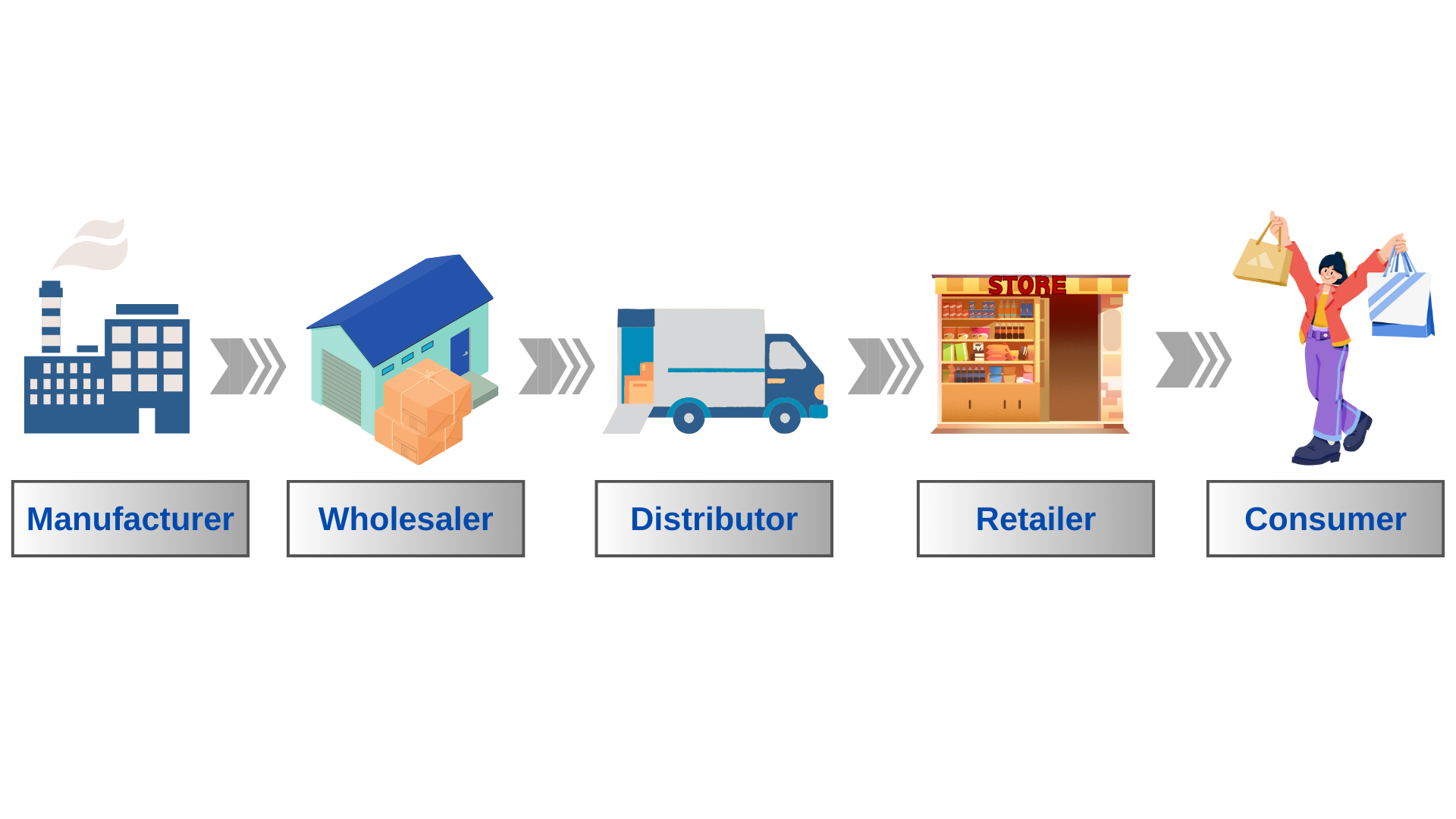
In-Depth Differences
In the intricate web of the business world, the roles of vendors, suppliers, and distributors are distinct and essential to the functioning of the supply chain. These entities, while interconnected, have unique functions, responsibilities, and relationships within the vast ecosystem of commerce.
Ownership of Inventory
Vendors, often situated closest to the end consumer, typically maintain an inventory of ready-to-sell products or services. They are the final link in the supply chain, providing consumers with access to goods or services. Suppliers, on the other hand, may produce raw materials, components, or services but do not typically maintain a ready-to-sell inventory.
Their focus is on supplying businesses, whether for manufacturing or resale. Distributors, positioned between suppliers and retailers, specialize in inventory management, ensuring a seamless flow of products from manufacturers or suppliers to retailers. They carry a range of products to efficiently meet the needs of retailers in a specific market or region.
Pricing Structure
Another pivotal distinction lies in their pricing structures. Vendors, operating at the consumer-facing end, set prices for their products or services. These prices are often influenced by factors such as production costs, profit margins, competition, and market demand. Suppliers, in their B2B interactions, typically engage in negotiations with businesses, allowing for more flexible pricing arrangements.
Bulk orders or contractual agreements can result in pricing variations. Distributors, as intermediaries, may adopt a tiered pricing approach. They offer products at different prices to retailers based on factors like order volume, frequency, and partnership agreements. This tiered pricing strategy allows retailers to adjust their profit margins accordingly.
Payment Terms
Payment terms represent a significant difference among vendors, suppliers, and distributors. Vendors, being the final point of sale to consumers, typically receive immediate payment for their products or services. In contrast, suppliers often extend credit terms to businesses. These terms specify the time frame within which buyers are expected to make payment.
Common credit terms include "net 30" or "net 60," indicating that payment is due within 30 or 60 days from the date of the invoice. Distributors, positioned in the middle of the supply chain, may receive payments from retailers with their own payment terms and then settle with suppliers based on separate agreements. This multi-tiered payment structure requires careful financial management.
Product Customization
Customization of products or services to meet specific requirements is a distinct feature of suppliers. Suppliers, particularly those involved in manufacturing, work closely with businesses to tailor raw materials or components to precise specifications. This customization aligns with the needs of businesses engaged in production or assembly.
Vendors, however, typically offer standardized products or services designed for broad consumer appeal. Their focus is on delivering consistent quality and experiences to the end consumer. Distributors, acting as intermediaries, rarely engage in product customization. Their primary responsibility is to efficiently move products from suppliers to retailers, making customization unnecessary within their role.
Market Research and Trends
Vendors, being the front line of consumer interaction, are deeply connected to market trends and consumer preferences. They invest significantly in market research, branding, and consumer engagement to stay aligned with evolving demands. Vendors actively monitor shifts in consumer behavior, emerging trends, and competitors' strategies to remain competitive. Suppliers, while aware of broader industry trends, primarily focus on producing and providing materials, components, or services. Their attention is on ensuring consistent quality and supply to meet the demands of businesses.
Distributors, positioned as intermediaries, also remain responsive to market demand but often act within the parameters set by vendors or suppliers. They focus on efficient product distribution, leaving market research and consumer trends to other entities.
Branding and Marketing Control
Control over branding and marketing strategies is another significant point of differentiation. Vendors exert a high degree of control over how their products or services are presented and marketed to consumers. They invest in developing brand identities, creating marketing campaigns, and establishing a strong brand presence in the market. Vendors carefully craft their messaging and imagery to resonate with their target audience. Suppliers, while they may have established brands within their industry, often have less control over branding in the consumer sense.
Their primary focus is on producing or providing materials, components, or services that meet specific industry requirements or standards. Distributors, functioning as intermediaries, operate within the branding and marketing parameters set by vendors or suppliers. They may engage in marketing efforts to promote products but typically adhere to established brand guidelines.
Returns and Refunds Handling
The handling of returns and refunds represents another area of differentiation. Vendors, engaged directly with consumers, often implement robust return and refund policies to maintain customer satisfaction. They recognize the importance of consumer trust and aim to provide hassle-free return processes. Vendors understand that a positive return experience can enhance their reputation and customer loyalty.
Suppliers, primarily dealing with businesses, may have more complex return agreements, often tied to contractual terms. The terms of returns, such as restocking fees or return shipping responsibilities, are subject to negotiation between suppliers and their business clients. Distributors, positioned as intermediaries, facilitate returns between retailers and vendors or suppliers. They may have their own return policies for retailers, which can vary based on agreements and products.
Regulatory Compliance
Regulatory compliance is a shared responsibility among vendors, suppliers, and distributors but varies in scope. Vendors must ensure that their products or services meet regulatory requirements related to consumer safety, quality, and labeling. Compliance with consumer protection laws, health and safety regulations, and product certifications is paramount for vendors. Suppliers, focused on providing materials, components, or services, must adhere to industry-specific regulations and standards.
These may include quality control, manufacturing practices, and safety guidelines relevant to their particular sector. Distributors, responsible for the efficient distribution of products, also have regulatory obligations. These often pertain to the storage and transportation of goods. Distributors must ensure that products are handled and transported in compliance with relevant regulations, particularly in industries with strict temperature or handling requirements.
Risk Sharing
Risk sharing is a critical aspect of the differentiation among vendors, suppliers, and distributors. Vendors bear the risk associated with consumer demand fluctuations, market trends, and the overall success of their products or services. Their revenue is directly influenced by consumer purchasing decisions and market dynamics. Suppliers, on the other hand, face risks related to production, quality control, and the supply of materials, components, or services.
Their success depends on their ability to meet the demands of their business clients. Suppliers are subject to risks such as supply chain disruptions, quality control issues, and market demand fluctuations. Distributors, positioned as intermediaries, share risks with both vendors and suppliers. They must manage inventory risks, distribution challenges, and market dynamics. Distributors may encounter risks related to inventory management, such as overstocking or understocking products, as well as challenges associated with changing market conditions and competition within their distribution network.
Geographical Reach
Geographical reach is another factor that sets vendors, suppliers, and distributors apart. Vendors often target a wide geographic area, selling directly to consumers across regions, states, or even globally. Their consumer-facing approach requires them to reach a broad audience and tailor their marketing and distribution strategies accordingly. Suppliers, while they may operate internationally, often have a more localized reach based on the locations of their manufacturing facilities or service centers.
Their focus is on producing materials, components, or services and supplying them to businesses within their operational scope. Distributors, specialized in efficient product distribution, typically operate within specific regions or markets. They establish distribution networks that cater to businesses within defined geographic areas. Their role is to ensure that products reach retailers or end consumers efficiently within their designated territories.
Value Addition and Expertise
Vendors, often dealing directly with end consumers, focus on adding value through product innovation, customer experience, and branding. They invest in research and development to create products or services that cater to evolving consumer needs. Vendors bring expertise in understanding consumer trends and preferences, allowing them to tailor their offerings effectively.
In contrast, suppliers primarily provide raw materials, components, or services, aiming to meet specific industry requirements. Their expertise lies in production processes, quality control, and specialized industry knowledge. Distributors, while proficient in efficient distribution, typically do not engage in value addition or product innovation to the same extent. Their expertise lies in logistics, inventory management, and market reach.
Inventory Management and Storage
Inventory management practices differ significantly among vendors, suppliers, and distributors. Vendors often maintain relatively smaller inventories tailored to immediate consumer demand. They aim to minimize storage costs and manage inventory turnover efficiently. Suppliers, particularly those in manufacturing, often manage larger inventories of raw materials or components to ensure consistent production.
Effective inventory control is essential to prevent production delays. Distributors, as intermediaries, are heavily involved in inventory management and storage. They hold and manage inventories of various products sourced from suppliers. Distributors must strike a balance between carrying sufficient stock to meet retailer demands and avoiding overstocking.
Customer Relationships and Engagement
Customer relationships and engagement strategies vary across these entities. Vendors, being the final touchpoint with consumers, prioritize building direct relationships and engagement. They invest in customer service, feedback collection, and loyalty programs to retain and grow their customer base. Suppliers, primarily dealing with businesses, focus on building strong B2B relationships. These relationships are often characterized by contractual agreements, long-term partnerships, and a focus on mutual business objectives.
Suppliers aim to understand their clients' specific needs and provide tailored solutions. Distributors, acting as intermediaries, also maintain relationships but typically engage with businesses rather than end consumers. Their focus is on facilitating efficient product distribution and ensuring retailers have access to the products they need.
These additional differences further underscore the unique roles and responsibilities of vendors, suppliers, and distributors within the broader context of the supply chain. Recognizing these distinctions is vital for businesses aiming to optimize their supply chain strategies and navigate the complexities of the modern business landscape effectively.
While they share common goals of delivering products and services to the market, their differences are significant and shape their distinct functions and responsibilities. Understanding these distinctions is crucial for businesses to navigate the complex world of commerce effectively. Whether one is a vendor, supplier, or distributor, the ability to recognize and leverage these differences is key to optimizing supply chain strategies, enhancing efficiency, and fostering successful partnerships in the dynamic business landscape of today and beyond.
Final Thoughts
In the intricate web of the business ecosystem, vendors, suppliers, and distributors are the linchpins that ensure the efficient flow of goods and services. Each entity plays a unique role, and clarity in their respective responsibilities is essential for the success of the supply chain.
Vendors, with their customer-centric focus, directly engage with consumers, while suppliers provide the essential inputs needed for production or resale. Distributors act as intermediaries, efficiently moving products from suppliers to retailers.
The evolving dynamics of technology, sustainability, and consumer preferences are reshaping these roles. Businesses that adapt to these changes and foster effective partnerships get poised for success in the modern business landscape.
As the future unfolds, staying attuned to emerging trends and adopting innovative technologies will be crucial for businesses seeking to thrive in a rapidly evolving supply chain landscape. The relationships between vendors, suppliers, and distributors will continue to evolve, driven by a commitment to efficiency, sustainability, and meeting the ever-changing needs of consumers.
Also Read:
- Dealers and Distributors: Key Business Differences
- Wholesale Import Distribution Strategies Explained
- Top Distributors for Amazon FBA Sellers
- Business Intermediaries: Manufacturers to Retailers Guide
- Vendor, Supplier, and Distributor Relationship Insights
- Navigating Vendor and Distributor Roles
- Becoming a Successful Wholesale Distributor
FAQs
1. Is a distributor the same as a vendor?
While both distributors and vendors play crucial roles in the supply chain, they are not the same. A vendor is an entity that sells products or services, typically within a B2B (business-to-business) context. Vendors can be manufacturers, wholesalers, or retailers, depending on where they are in the supply chain. They usually have a direct relationship with the businesses they sell to.
On the other hand, a distributor is a type of vendor that purchases products from manufacturers or wholesalers and then sells them to retailers or other distributors. Distributors often provide additional services such as storage, transportation, and after-sales support. They usually operate within a specific geographical area and are responsible for increasing the product's market reach.
2. Does vendor mean supplier?
Yes, a vendor can be considered a supplier. The terms are often used interchangeably in many business contexts. Both vendors and suppliers provide goods or services to other businesses. However, the term "vendor" is typically used to refer to the entity that is selling, while "supplier" might also imply an entity that supplies goods as part of a larger process, such as manufacturing.
3. What is the difference between vendor and supplier and customer?
A vendor or supplier is an entity that sells or provides goods or services to another business or individual. They are part of the initial stages of the supply chain, producing or providing products for sale.
On the other hand, a customer is at the receiving end of this chain. Customers purchase or consume the goods or services provided by vendors or suppliers. They can be individuals (B2C – business to consumer) or other businesses (B2B – business to business).
4. What is the difference between distribution and supply?
Supply refers to the process of providing goods or services from the producer to the market. It involves manufacturing, sourcing raw materials, quality control, packaging, and transportation to the selling point.
Distribution, on the other hand, is a specific part of the supply chain that involves the logistics of delivering the product from the supplier to the customer. It includes warehousing, inventory management, transportation, and delivery to various retail outlets or directly to the consumer.
5. What is the difference between distribution channels and suppliers?
Suppliers are entities that provide goods or services, either by producing them or sourcing them from other producers. They are part of the initial stages of the supply chain.
Distribution channels, however, are the pathways through which goods or services travel from the supplier to the customer. These channels can include distributors, wholesalers, retailers, and even digital platforms. The main purpose of a distribution channel is to make products available to consumers in convenient locations and in the appropriate quantities.
6. What is the difference between supplier and manufacturer?
A manufacturer is a type of supplier. Manufacturers produce goods from raw materials or component parts in large quantities using labor and machinery. They are typically at the beginning of the supply chain.
A supplier, on the other hand, is a broader term that includes manufacturers, as well as distributors, wholesalers, and retailers. Suppliers provide goods or services to other businesses or individuals, either by producing them (like manufacturers) or sourcing them from other producers.
You May Also Like:
- B2B Supply Chain: Vendor, Supplier, Distributor Differences
- Supplier vs. Manufacturer in B2B
- B2B Supplier Segmentation Guide
- 4 Stages of B2B Supplier Selection
- Top 10 B2B Supplier Qualities
- B2B Sourcing: Key Supplier Questions
- Finding B2B Manufacturers and Suppliers
- B2B Wholesale Suppliers for SMEs
- Sourcing China B2B Wholesale Suppliers
- Best B2B Wholesale Websites Guide

