Download App
Better Online and Trade Show Sourcing Experiences.Scan the QR code to download.
Learn More
Hot Topics
by Rex Aguado
Responsible Procurement Amid the Pandemic
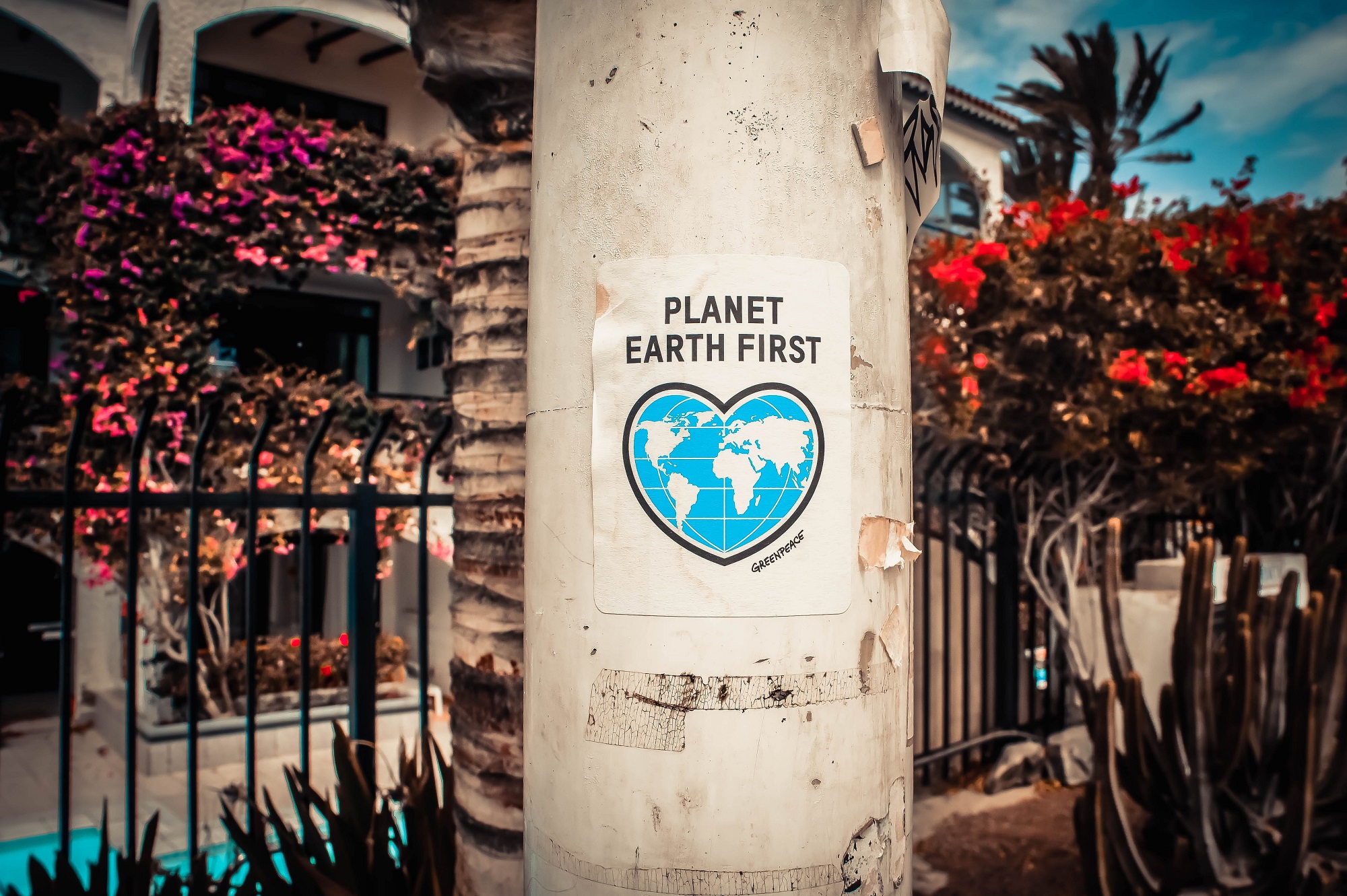 Photo by Photo Boards on Unsplash
It seems to have taken a convergence of social movements and public crises over the past few years to put sustainability front and center of the global economy. For the business sector, these concerns have largely centered on environmental issues, social responsibility and corporate governance. Finally, like an existential über-emergency, Covid-19 has left entrepreneurs, investors, bosses and bankers questioning entrenched business models, production systems and, particularly, supply chains.
Global sourcing is the practice of sourcing from the world markets for goods and services, regardless of geopolitical boundaries.
Global sourcing often aims at taking advantage of global efficiency in the delivery of a product or service. These efficiencies include low-cost labor, low-cost raw materials, extreme international competition, new technologies, and other economic factors such as tax breaks and low trade tariffs. A large number of information technology projects and services, including information system applications and mobile phone applications, as well as database services are outsourced to countries across the globe, such as India and Pakistan, for more economical prices.
“The Covid-19 pandemic has driven home the importance of making our global supply chains more resilient,” Ecovadis stated at the conclusion of its Sustain 2021 online conference in March this year. “As factories scrambled to ramp up production despite staff shortages and government lockdown measures, supply chains were exposed to even greater risks associated with workers' rights, child labor and modern slavery,” adds the Paris-based provider of business sustainability ratings covering more than 75,000 companies in over 160 countries.
According to Ecovadis, the supply shock triggered by Covid-19 was first felt in China in February 2020, just months after the first Covid-19 cases were documented in that country. This was followed by the demand shock set off by the global economic shutdown. Caught off-guard by the pandemic, governments responded with temporary travel and trade restrictions, stoking public panic amid shortages of critical goods such as food, medical supplies and other products.
“Now, over a year later, many of these problems have not been resolved,” says an Ecovadis.com report from April 2021. “Many companies are still reporting shortages of nearly everything, saying the Covid-19 pandemic has caused supply chain breakdowns.”
As the global supply chain started to unravel, sustainable sourcing became a crucial concern among manufacturers, governments and business leaders. Indeed, a survey by management consultants Bain & Company in late 2020 found a growing consensus among executives regarding the importance of sustainability amid the pandemic disruptions (see following graphics).
“Covid-19 has increased the importance of sustainability for nearly half of those executives surveyed, with 75% expecting sustainability initiatives to deliver permanent change,” write Jenny Davis-Peccoud and Clare Tovey in their report published on www.bain.com on November 19, 2020.
“The crisis exposed weaknesses in existing operations and opened the door for companies to shorten supply chains and make them more transparent, socially conscious and environmentally friendly. So it wasn't surprising to learn that 43% of executives plan to improve sustainability-related processes,” say the Bain & Company analysts.
Author and sustainability expert CB Bhattacharya affirms these findings in a May 2020 piece for McKinsey Quarterly. “The Covid-19 crisis has rightly focused leaders' attention on the lives and livelihoods of their employees and customers,” he writes. “In the face of these imperatives, it's easier to do nothing on sustainability, or to continually push back the start date. One way that leaders can break this impasse is by asking a series of questions aimed at establishing concrete priorities for a sustainable future.”
Bhattacharya says business leaders should ask where their company's growth will come from after the pandemic and beyond. They should also identify the trends that will impact demand for their products and supply of raw materials. Then there's the matter of the stakeholders – the future business expectations of customers, employees, suppliers and investors. “The leadership team should also look at hard issues such as water use, waste generation, carbon-dioxide emissions, and labor conditions – and at the potential actions the team can take now that will support sustainability in a post-pandemic world,” Bhattacharya concludes.
So what's behind this growing commitment to Sustainable Sourcing amid the pandemic? Simply put, it makes business sense. “Companies that commit to sustainability during the Covid crisis will come out stronger, with more solid customer and supplier relationships, enhanced corporate reputations, and improved employee loyalty and productivity,” according to Davis-Peccoud and Tovey.
McKinsey echoes this conclusion, highlighting the importance of sustainable supply chains under the banner of ESG – investing and doing business guided by good Environmental, Social and Governance principles. “Shareholders and stakeholders do not compete in a zero-sum game. Quite the opposite: building a strong connection with broad elements of society creates value, not least because it builds resilience into the business model,” McKinsey noted in its November 14, 2019 report.
“Compromising your connections with stakeholders simply to make earnings targets … destroys value. It's the essence of short-termism, measurably … harmful to most shareholders' economic interests,” McKinsey adds. “Businesses need to satisfy the needs of their customers, employees, and communities – these days, often a global community – to maximize value creation. Thriving businesses concerned with long-term horizons fuel a virtuous cycle. They create jobs, increase tax revenue, and raise standards of living. ESG helps generate wealth, and wealth is not a fixed pie.”
In our next blog post, we will look at the elements of ESG and how they overlap with the requirements of Sustainable Sourcing, along with case studies of industry groups complying with ESG.
Ultimate Guide to China Sourcing
Sole Sourcing vs Single Sourcing vs Multiple Sourcing Category
Ultimate Guide: In-Depth Insights on Global Sourcing
Minimum Order Quantity (MOQ) Explained - Formula & Tips
How to Find a Manufacturer or Supplier For Your Product
More Sourcing News
Read Also

关注 “环球资源外贸” 官方微信,获取实时外贸资讯
iOS & Android
iOS & Android(Mainland China)
Copyright © 2026 Publishers Representatives Limited. All rights reserved.




