




 Table of Contents
Part 1. What is a clothing manufacturer?
Part 2. 10+ highly recommended clothing manufacturers
Part 3. How to find clothing manufacturers for startups
Part 4. Where to find clothing manufacturers for startups
Part 5. How to request a price quotation from garment manufacturers
Part 6. What to look for when choosing a clothing manufacturer
Part 7. 5 best websites for startups to find reliable clothing manufacturers
Starting a clothing business can be a daunting task, especially when it comes to finding the right manufacturer who can meet your quality standards, production needs, and budget requirements. With so many clothing manufacturers out there, it can be challenging to know where to start. Businesses, especially startups, might find themselves overwhelmed by the multitude of options available, leading to uncertainty about which manufacturer will best suit their needs. To help businesses find the right partner to work with, we've compiled a comprehensive list of reputable clothing manufacturers and suppliers. This curated list aims to streamline the sourcing process for startups and provide them with reliable options tailored to their specific needs and preferences.
Part 1. What is a clothing manufacturer?
Clothing manufacturers play a crucial role in developing, designing, producing, and distributing garments and apparel. Through the use of human labor, specialized machinery, and technology, they transform raw materials into finished products. They typically handle various aspects of the production process, including fabric sourcing, pattern making, cutting, sewing, quality control, and packaging. This involvement in the industry's value chain demonstrates their significance in bringing fashionable clothing to consumers.
During the inception stage, clothing manufacturers often partner with designers who provide valuable creative insights, sketches, and prototypes to develop new garments. This collaborative effort ensures that the design vision harmonizes seamlessly with the manufacturing capabilities. Subsequently, the manufacturer proceeds to create sample pieces, which are refined based on feedback until the final design receives approval.
The production process within a clothing manufacturing setup is complex and multifaceted, involving various stages. It begins with sourcing raw materials like fibers, textiles, and trims. These materials may either be produced in-house or purchased from external suppliers. Subsequent processes include cutting, sewing, dyeing, printing, and finishing, each requiring expertise and precision.
Clothing manufacturers employ a range of cutting and sewing equipment, including both automated machines and traditional sewing machines. These tools accommodate different design complexities. Additionally, dyeing and printing technologies inject color and patterns into garments, transforming them into visually captivating products. The finishing process involves meticulous quality inspections, ironing, folding, and packaging the garments to prepare them for distribution.
Manufacturers employ various production models based on their business strategy. Some choose a mass production approach, creating large quantities of identical garments to benefit from economies of scale and cater to a wider market. On the other hand, others opt for a small batch or bespoke model, crafting made-to-order or custom-made garments specifically for individual clients, promoting exclusivity and luxury.
The dynamics of the clothing manufacturing industry have undergone significant evolution due to technological advancements. Industry 4.0 technologies, including artificial intelligence, robotics, and internet of things (IoT), have brought about automation, efficiency, and real-time data insights in production processes. Additionally, digital tools like 3D modeling and virtual sampling have facilitated timesaving and waste reduction measures by manufacturers, leading to a more sustainable production cycle.
A clothing manufacturer's responsibilities expand to encompass distribution and logistics. After the garments are ready, they are either delivered to retail outlets or directly shipped to customers. In recent times, many manufacturers have embraced direct-to-consumer models by utilizing e-commerce platforms. This strategic move allows them to minimize intermediary expenses and maximize profit margins.
Part 2. Top 10+ clothing manufacturers advised for your business
1. Shanghai Jspeed Garment Co. Ltd
 Shanghai Jspeed Garment Co. Ltd is a reputable clothing manufacturer that can handle both small and large orders efficiently and accurately, offering a scalable solution for businesses of all sizes. Their comprehensive product range and dedication to quality position them as dependable partners for various clothing businesses. They can handle both small and large orders efficiently and accurately, offering a scalable solution for businesses of all sizes.
Known for their innovation, Jspeed consistently infuses the latest fashion trends into their designs. They have a skilled and creative design team that understands the dynamic nature of the fashion industry, helping their partners stay current and competitive. They also have a robust manufacturing process, which adheres to international quality standards, ensuring top-notch products.
Finally, Shanghai Jspeed places a significant emphasis on customer service. They prioritize open and transparent communication with their clients and provide comprehensive support throughout the business relationship. Their commitment to client satisfaction and their exceptional product range make them an ideal choice for any business in the clothing industry.
2. Fuzhou H&F Garment Co. Ltd
Fuzhou H&F Garment Co. Ltd specializes in various clothing items, including outerwear and knitted and woven garments. They maintain rigorous quality standards, producing items that are not only stylish but also durable and comfortable.
Innovation is a core value at Fuzhou H&F Garment, with a dedicated design team that keeps abreast of the latest fashion trends. The team infuses these trends into their designs, providing businesses with fashion-forward products that appeal to modern consumers. Additionally, the company is conscious of its environmental footprint and makes a concerted effort to incorporate sustainable practices into its operations.
Fuzhou H&F Garment also excels in the realm of customer service. They provide end-to-end support to their clients, fostering a business relationship built on transparency and mutual respect.
3. Number One Industrial Co. Ltd
As an experienced player in the industry, Number One Industrial Co. Ltd sets itself apart with its wide-ranging product lines and vast experience in manufacturing. Their diverse portfolio covers various clothing types, from sportswear and casual attire to more formal options, ensuring that all your fashion needs can be satisfied under one roof. They've consistently demonstrated a commitment to quality, ensuring that every piece produced is meticulously crafted and meets the highest standards.
Number One Industrial also prides itself on its innovation and adaptability, allowing it to cater to the ever-evolving trends of the fashion world. With their prompt delivery, competitive prices, and efficient customer service, they have built a reputable brand that businesses can trust for their clothing manufacturing needs.
4. Wuxi Ivy Textile Co. Ltd
 Wuxi Ivy Textile Co. Ltd is a renowned textile industry name known for its exceptional product quality and customer service. Their broad product range caters to various businesses, providing a variety of options to choose from. Their portfolio boasts a variety of clothing and accessories designed with the latest trends in mind.
The company's emphasis on innovation and trend awareness makes it an excellent choice for businesses seeking to stay ahead of the fashion curve. Wuxi Ivy continually adapts its offerings to match evolving consumer preferences, ensuring your products remain relevant in the market. Moreover, they offer customization services, allowing businesses to align the products with their brand image.
Regarding logistics, Wuxi Ivy offers timely delivery, ensuring that businesses receive their orders per the agreed timelines. Their efficient supply chain management system allows them to fulfill large orders without compromising quality or delivery time. This reliability makes them a valuable partner for any business in the apparel industry.
5. Nanchang Sunton Garment Co. Ltd
Nanchang Sunton Garment Co. Ltd is another stellar choice for your business. With a strong reputation in the industry, this manufacturer is known for producing high-quality garments. They have a broad range of products that cater to various market segments, making them a versatile partner for any business type.
What sets Nanchang Sunton Garment apart is their attention to detail and commitment to quality. Their meticulous manufacturing process employs strict quality control measures at every stage. This commitment translates into durable, stylish, and comfortable products that resonate with end consumers. Additionally, the company is dedicated to continual innovation, always seeking new ways to improve and expand its product range.
Nanchang Sunton also values its business relationships, providing excellent customer service throughout the partnership. Their skilled team is always available to address queries, concerns, or feedback, ensuring a smooth and satisfactory business experience. They offer competitive pricing structures, making them a cost-effective choice for businesses seeking value for their investment.
6. Shanghai Jspeed Group Ltd
 Shanghai Jspeed Group Ltd is renowned for its prowess in producing premium quality clothing. Their products, which range from casual and formal wear to specialized sports gear, are well-respected for their superior craftsmanship, longevity, and stylish designs. They are also known for their creative and innovative approach to design, which allows them to stay ahead of fashion trends and continually deliver products that appeal to the modern consumer.
Their commitment to customer satisfaction sets Shanghai Jspeed apart. They understand the importance of reliable delivery and quality assurance, ensuring that each product is carefully checked and packaged before shipping. Their reputation for outstanding service, extensive product range, and industry expertise make Shanghai Jspeed an excellent choice for businesses needing a trusted clothing manufacturer.
7. Shanghai Easun Group
 The Shanghai Easun Group has distinguished itself as a significant textile and garment manufacturing player. They are renowned for their comprehensive range of clothing, including everything from formal and casual attire to niche products like uniforms and protective gear. Their ability to produce diverse clothing styles and types makes them a versatile partner for any clothing business.
Their business approach prioritizes both quality and customer satisfaction, and they have built a reputation as a reliable and efficient manufacturer. In addition to its broad product offering, Shanghai Easun Group offers design services, helping businesses create custom apparel that meets their needs and preferences. Their robust manufacturing capabilities and emphasis on service make them a highly recommended choice for businesses seeking a dependable clothing manufacturer.
8. Wuxi Huacan Garment Accessories Co. Ltd
In fashion, accessories play an equally important role as the main attire. Wuxi Huacan Garment Accessories Co. Ltd is a leading manufacturer specializing in producing a vast range of garment accessories. Their product offering includes buttons and zippers to ribbons and lace, providing businesses with a comprehensive selection of high-quality accessories to complement their clothing lines.
Their commitment to maintaining the highest quality standards has earned them a reputation as a trusted supplier in the industry.
Furthermore, their extensive collection ensures that businesses can find the perfect accessories to match any clothing style, whether casual, formal, or sporty. Their one-stop solution for garment accessories makes them an excellent choice for businesses seeking to enhance their product offerings.
9. Fujian U Know Supply Management Co. Ltd
 Fujian U Know Supply Management Co. Ltd is an integrated manufacturer offering a wide array of clothing options covering various categories, including sportswear, casual wear, and formal attire. They are known for their exceptional quality, contemporary designs, and responsive customer service, making them a top choice for businesses looking for a reliable clothing manufacturing partner.
They also offer extensive customization options, allowing businesses to tailor their products to their specific requirements. This versatility and commitment to producing high-quality clothing ensure that Fujian U Know can cater to various business needs and preferences.
10. Jinjiang Jiaxing Home Co. Ltd
 Jinjiang Jiaxing Home Co. Ltd is a China-based manufacturer specializing in home and fashion products. Their strength lies in the variety of their product line, including clothing and accessories, that are perfect for businesses that cater to a broad range of consumer tastes and needs. The company stands out with its high production capacity, ensuring a steady supply for larger businesses or those seeking to scale up their operations.
In addition, Jinjiang Jiaxing Home prides itself on innovation and customer satisfaction. Their R&D team ensures they stay up to date with fashion trends so that businesses can offer their customers the most current styles. With excellent customer service and a focus on building long-term relationships, businesses can trust this manufacturer with their supply needs.
11. Guangzhou Carly Ccino Fast Fashion Co. Ltd
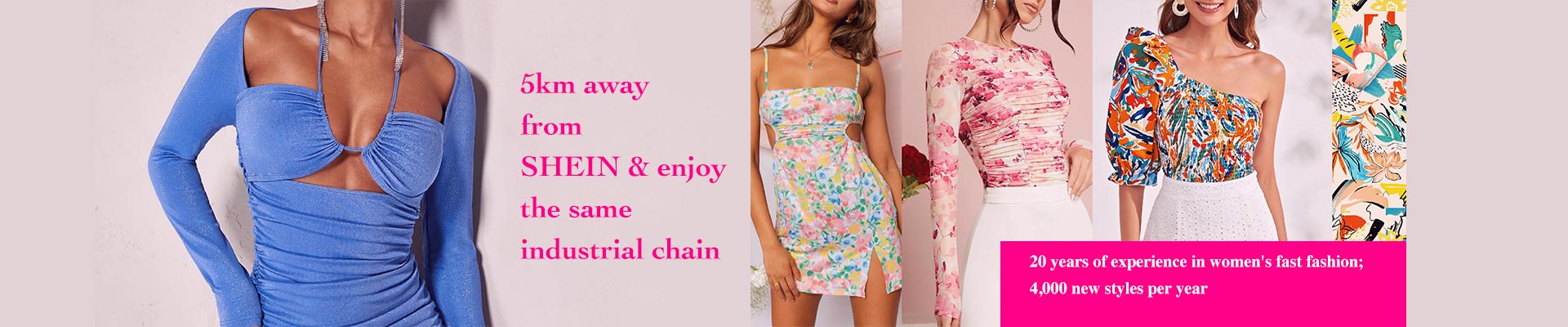
Guangzhou Carly Ccino Fast Fashion Co. Ltd provides the latest high-speed, on-trend fashion. With an eye on the pulse of international style, they constantly update their collections, enabling businesses to stay ahead of fashion trends and meet the ever-changing demands of fashion-forward customers.
Their unique selling proposition lies in their approach to fashion - they understand the fast-paced nature of the industry. They are structured to design, manufacture, and deliver new styles in record time. This capability can significantly benefit businesses in the highly competitive fashion retail market.
12. Polywell Textile & Garments Co. Ltd
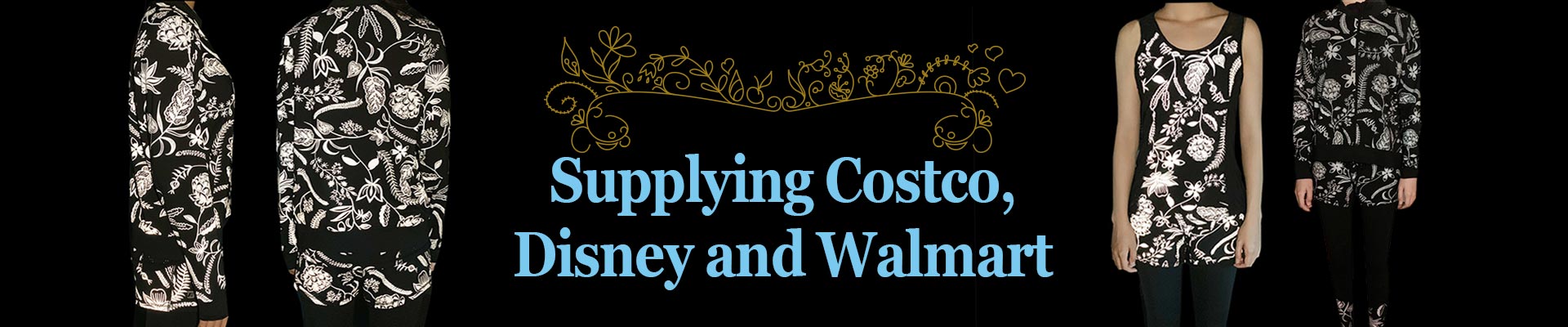
Polywell Textile & Garments Co. Ltd is a distinguished manufacturer in the apparel industry, known for its extensive collection of clothing that merges high-quality materials with contemporary designs. The company has carved a niche through consistent quality and excellent customer service. Offering a wide range of apparel, including sportswear, casual wear, and corporate clothing, they provide practical solutions for diverse business needs.
Beyond providing exceptional clothing items, Polywell is committed to fostering a sustainable future. They have embraced green practices in their manufacturing processes, making efforts to reduce their environmental footprint. For businesses looking to collaborate with a responsible and reliable clothing manufacturer, Polywell Textile & Garments presents a viable option.
13. Yiwu City Yiyuan Apparel Co. Ltd
Yiwu City Yiyuan Apparel Co. Ltd is a dynamic clothing manufacturer that focuses on producing a wide array of quality garments. Having mastered the art of manufacturing trendy and comfortable clothing, Yiyuan offers a diverse product portfolio that includes casual wear, professional attire, and fashion accessories. Their products are known for superior quality, design aesthetics, and excellent finish.
They pride themselves on delivering high-quality customer service and fostering long-lasting relationships with their partners. Moreover, their commitment to sustainability is reflected in their eco-friendly manufacturing processes and use of sustainable materials. If businesses seek a partner that blends quality, style, and sustainability, Yiwu City Yiyuan stands out as a compelling choice.
Part 3. How to find clothing manufacturers for startups
When starting a clothing line, the process can become complex, especially when it comes to finding a suitable clothing manufacturer. This crucial decision holds immense power over your brand's quality, consistency, and profitability. To assist you in this search, here are several strategies that can greatly aid your endeavor:
Clearly define your needs
To ensure smoother progression, start by clearly de¬fining your needs. This includes understanding your target market, the specific clothing you wish to produce, preferred fabrics, desired quality levels, and required quantities. For startups looking for limited runs, small-scale manufacturers may be suitable while larger quantities could be outsourced to more prominent manufacturers. When deciding between local or offshore production, it's important to consider cost differentials offered by offshore¬ manufacturers alongside potential challenges such as shipping delays, ensuring quality control and overcoming language barriers. Local manufacturers often provide better communication channels and greater process control.
Create a list of potential manufacturers
Creating a list of potential clothing manufacturers is a critical step in starting a clothing line, and it involves utilizing a variety of resources to ensure a comprehensive search. Start by exploring online directories and marketplaces such as Global Sources, Thomasnet, Maker's Row, Alibaba, and IndiaMart, which offer detailed profiles, reviews, and contact information for manufacturers both local and international.
Reach out to shortlisted manufacturers
When you have a list of potential manufacturers, it is important to reach out to them to gather more information. Inquire about their pricing, production capacity, lead time, payment terms, and previous clients. Additionally, ask about their minimum order quantities (MOQs) to ensure they can accommodate your production needs. It's crucial to understand their quality control processes and whether they can provide certifications or references to validate their standards. Request samples to assess the quality of their work firsthand. It's also beneficial to discuss any potential flexibility in customization options and how they handle revisions or changes to orders.
Conduct a background check
The selected manufacturer should undergo a comprehensive background check. This involves assessing their financial stability, references, and any potential legal issues. It is crucial to ensure that they strictly adhere to ethical labor practices and environmental standards. This thorough vetting process will help you select a manufacturing partner that not only meets your operational requirements but also upholds the ethical and environmental standards that reflect positively on your brand.
Part 4. Where to find clothing manufacturers for startups
Visiting online directories and industry-specific databases is the easiest way to find clothing manufacturers for startups due to their comprehensive listings and accessibility.
Attending trade shows also serves as an effective method to locate clothing manufacturers. These events provide the opportunity to personally engage with manufacturers, examine their work samples, and discuss your specific requirements. Notable trade shows like the Global Sources Fashion Show, Magic in Las Vegas or the Apparel Textile Sourcing Trade Shows act as excellent starting points.
Networking holds great importance in the fashion industry. It is essential to establish connections with professionals like fashion designers, consultants, and boutique owners as they can offer valuable advice and recommend trustworthy manufacturers. Moreover, online fashion communities and forums serve as excellent platforms for gathering information. Leveraging professional networks on platforms like LinkedIn and joining industry trade associations can provide valuable recommendations and networking opportunities. Additionally, industry publications offer insights and listings of reputable manufacturers.
Part 5. How to request a price quotation from garment manufacturers
Obtaining price quotations from garment manufacturers plays a crucial role in the establishment of your clothing business. It necessitates a strategic and thorough approach to ensure accurate estimates that align with both your budget and production requirements. The process entails identifying potential manufacturers, providing detailed product specifications, and effectively communicating your specific needs.
To begin, identify suitable manufacturers that align with your business needs. Conduct research to explore different manufacturers and narrow down your choices based on factors such as their specializations, capacities, and reputations. It is crucial to verify if the manufacturer has prior experience producing the specific garment you require. Additionally, ensure that they comply with ethical and sustainable practices, which are increasingly vital in today's market environment. Once you have identified potential manufacturers through this shortlisting process, reach out to them by expressing your interest and requesting information about their standard procedures for obtaining a price quotation.
To obtain an accurate quotation, it is important to prepare detailed product specifications. These specifications should encompass a comprehensive product description, including information about the garment type, materials, design features, sizes, colors, and other relevant details. To facilitate this stage, providing technical sketches, fabric swatches, or sample garments can be significantly helpful. Additionally, if you have specific timelines or production quantities in mind, it's advisable to include those as well. Manufacturers rely on this information to estimate production costs accurately. Remember that being straightforward and precise will result in a more accurate quotation.
When communicating with manufacturers, it is crucial to maintain professionalism and clarity. Make sure to express your needs and expectations concisely. This includes providing detailed product information as well as your company's values and ethical standards. Effective communication plays a vital role in avoiding misunderstandings that can result in incorrect quotations or unmet expectations. Additionally, it is beneficial to inquire about payment terms, lead times, and minimum order quantities. These factors have the potential to significantly impact the overall cost and feasibility of your project.
Lastly, it is important to keep in mind that obtaining a price quotation serves not only the purpose of understanding costs but also lays the foundation for a potential long-term relationship with the manufacturer. It is advisable to approach this process with respect, patience, and openness to negotiations. In case the initial quotation exceeds your budgetary constraints, instead of immediately seeking an alternative manufacturer from your list, it would be beneficial to engage in discussions regarding possible product modifications or negotiate on the price.
Part 6. What to look for when choosing a clothing manufacturer
The manufacturing partner you choose can profoundly impact the quality, cost, and timeliness of your products, thus directly influencing the success of your business. However, with a myriad of options available, navigating this decision can be daunting. Therefore, understanding what factors to consider when selecting a clothing manufacturer is crucial. Here are key points to consider:
Expertise and specialization
Clothing manufacturers can specialize in casual, sportswear, formal wear, and specialized apparel like swimwear or sleepwear. Some might focus on children's clothing, while others exclusively use adult apparel. Therefore, choosing a manufacturer with expertise in creating your specific product type is crucial. If you're looking for diverse product lines, ensure your selected manufacturer can handle different clothing types and styles, providing the versatility your business needs.
Manufacturing experience
The experience of a clothing manufacturer is reflected in their years of operation, the brands they've worked with, and the complexity of the projects they've executed. Established manufacturers have a proven track record; their expertise and insights are valuable for your business. Consider their experience in your specific industry or market and their capacity to handle design and production challenges. Always ask for references and verify the credibility of their previous or existing clients.
Production capacity
The manufacturer's production capacity denotes their ability to fulfill your orders within your timeline. Factors like machinery, workforce, and management efficiency dictate it. While large manufacturers may ensure smooth large-scale production, they may need to be more flexible for smaller orders. Conversely, smaller manufacturers might offer personalized services but may need more capacity for large orders. Understanding and aligning your demand with the manufacturer's capacity is critical to ensure timely and cost-efficient production.
Quality assurance process
Quality standards are integral to a clothing manufacturer's operation, influencing the durability and appeal of your apparel. Look for manufacturers that comply with international quality standards like ISO 9001. ISO 9001 certification signifies that a manufacturer adheres to stringent quality management principles, ensuring consistent and reliable production processes. This certification is a testament to their commitment to maintaining high standards and continual improvement.
Additionally, certifications like Oeko-Tex Standard 100 indicate that the manufacturer's products are free from harmful substances, promoting consumer safety and environmental responsibility. Quality checks and regular audits are crucial to maintaining high standards throughout the production process. These checks can include material inspection for quality and consistency, reviewing stitch strength, checking sizing and fit, and assessing overall garment construction. Manufacturers also usually conduct colorfastness testing, button pull tests, and fabric shrinkage tests, among others. These checks are crucial to ensure the high standard of your clothing line and help to reduce the risk of returns due to faulty merchandise.
Furthermore, the manufacturer’s commitment to sustainable and ethical manufacturing practices, like fair labor conditions and environmentally friendly processes, also indicates a higher level of responsibility and quality consciousness.
Delivery time
The delivery time of clothing manufacturers can vary significantly based on the scale and complexity of your order and the manufacturer's production capacity. Typically, for smaller orders, the delivery time might range from 2 to 4 weeks, while for larger, more complicated orders, it could take anywhere between 4 to 12 weeks. Remember that international shipping times and customs clearances can add to the delivery schedule. Always discuss timelines upfront to avoid unforeseen delays, and choose manufacturers known for their punctuality and reliability.
Design capability
Many clothing manufacturers offer design assistance. They employ experienced designers who can translate your ideas into reality or work on refining existing designs. This can range from simply suggesting material types to providing full-blown design services, including sketches, prototypes, and pattern making. They might offer valuable advice regarding current fashion trends, cost-effective design choices, and manufacturing feasibility. However, this is usually an added service, so discuss the extent of their design capabilities and related costs during the negotiation process.
MOQ
The minimum order quantity (MOQ) is the lowest number of units a manufacturer can produce in a single order. This varies among manufacturers and depends on factors such as the type of clothing, fabric, and design complexity. Some manufacturers might have an MOQ as low as 50 units, especially those catering to small businesses or startups, while others could require hundreds or even thousands of units per order. Knowing the MOQ beforehand can help you select a manufacturer that aligns with your business needs and budget.
Ability to provide samples
Typically, clothing manufacturers do provide samples before proceeding with full-scale production. The purpose of these samples is to give you a clear idea of the final product's quality, design accuracy, and fit. Sometimes, you might need to pay for these samples, but the cost is often deducted from your final order. Always ask for an example and review it thoroughly before confirming the order. This is a critical step to ensure the absolute product quality is clear.
Aftersales service
After-sales service from clothing manufacturers can vary but often includes addressing any issues or concerns you may have after the delivery of your order. This can involve dealing with defects or quality issues, offering refunds or replacements, and providing guidance for future orders. Some manufacturers may offer dedicated account managers who are available to help with any post-purchase needs. After-sales service is a crucial aspect of a manufacturer's offering and indicates their commitment to customer satisfaction. Therefore, it's essential to understand their policies before entering into a partnership.
Part 7. Five best websites for startups to find reliable clothing manufacturers
Global Sources, widely recognized for its extensive reach and robust portfolio of suppliers and manufacturers, is the foremost platform for startups looking for reliable clothing manufacturers. Serving the international trade industry since 1971, the platform has successfully built a rich network of manufacturers from Asia and the rest of the world, many of whom have expertise in the clothing industry.
1. Global Sources
Global Sources, widely recognized for its extensive reach and robust portfolio of suppliers and manufacturers, is the foremost platform for startups looking for reliable clothing manufacturers. Serving the international trade industry since 1971, the platform has successfully built a rich network of manufacturers from Asia and the rest of the world, many of whom have expertise in the clothing industry.
With a remarkable track record, it has served over 10 million registered buyers and users worldwide, boasting the participation of 97 of the world's top 100 retailers. Global Sources caters to online sellers across various platforms, including Amazon, Temu, Wish, eBay, Shein, Walmart, and Etsy. It offers a wide array of trusted suppliers from countries like China, Vietnam, South Korea, and India, ensuring diverse sourcing options.
The platform stands out because of its rigorous supplier verification process. Every manufacturer listed on Global Sources undergoes a meticulous validation process. This ensures that all their certifications, manufacturing capabilities, and quality control processes are legitimate and up to date. This leaves startups with high confidence when choosing a manufacturing partner. Additionally, Global Sources' industry-specific search function allows users to easily find manufacturers based on specific clothing categories, including gender, clothing type, size range and more.
Furthermore, the site is known for its suite of value-added services. With features like sample ordering, private sourcing events, and trade show participation, Global Sources offers more than just a directory of manufacturers. It creates an integrated ecosystem that helps startups navigate the complexities of sourcing, manufacturing, and marketing. All in all, Global Sources is a comprehensive platform for startups seeking reliable clothing manufacturers.
2. Alibaba
Alibaba is another dominant player in the online sourcing landscape. Since its inception in 1999, it has grown into a global trade giant connecting manufacturers, suppliers, and buyers from all corners, offering a broad spectrum of products, including clothing.
Alibaba's extensive supplier base is one of its most vital attributes. With millions of registered users, startups can find clothing manufacturers across various styles, sizes, and categories. Its advanced search functions also allow users to filter results based on supplier location, minimum order quantity, price range, and certification, making the sourcing process more efficient.
Another strength of Alibaba is its Gold Supplier program and Trade Assurance feature. The Gold Supplier program gives startups extra assurance about the supplier's credibility. Suppliers must pay a premium membership fee, undergo a verification process, and adhere to certain service standards. The Trade Assurance feature, on the other hand, protects startups against fraud by guaranteeing refunds on orders that do not meet the agreed terms.
3. Makers Row
Tailored towards the needs of startups and small businesses, Makers Row is a platform specializing in American manufacturing. It simplifies the sourcing process by linking startups directly with over 11,000 American factories, including many clothing manufacturers.
Makers Row emphasizes transparency and local sourcing. It gives startups detailed information about each factory, including their capabilities, past clients, minimum order quantities, and lead times. This enables startups to select a manufacturer that aligns with their production needs and values. Sourcing locally can help startups shorten supply chains, reduce lead times, and potentially save on shipping costs.
Additionally, Makers Row provides a platform for startups to manage their production process. It offers tools for startups to create tech packs, request quotes, and communicate directly with manufacturers. This feature saves time and enhances communication efficiency between startups and manufacturers, ultimately facilitating a smoother production process.
4. Sourcify
Sourcify is a tech-driven sourcing platform that guides startups through the manufacturing process. What sets Sourcify apart is its use of technology to streamline and simplify sourcing, making it an excellent choice for startups seeking reliable clothing manufacturers.
Startups on Sourcify are matched with pre-vetted manufacturers, eliminating the risk of dealing with unverified suppliers. The platform's matching algorithm considers product type, quantity, and production timelines to ensure the right fit. This saves startups the time-consuming process of vetting and verifying manufacturers themselves.
Another unique feature of Sourcify is its project management tools. These tools allow startups to track production in real time, communicate with manufacturers, and manage payments all within the platform. Sourcify helps startups avoid common manufacturing pitfalls like delays and miscommunication by providing transparency into the production process.
5. Dhgate
Dhgate is a popular sourcing platform known for its low minimum order quantities and affordability, making it a good fit for startups with limited budgets or small production runs. With many clothing manufacturers, Dhgate offers a wide variety of clothing styles and categories.
One advantage of Dhgate is its user-friendly interface. Startups can quickly find manufacturers using the site's efficient search function and filter options. Each product listing provides comprehensive details, including price, material, sizing, and customer reviews, helping startups make informed decisions.
Dhgate also offers a secure payment system and buyer protection policies, ensuring the safety of transactions made on the platform. It provides a "Return & Refund" policy, offering refunds for orders that do not meet the agreed-upon standards or arrive damaged. Moreover, their customer service team is available 24/7 to resolve any issues or concerns that arise during the sourcing process.
Also Read:
- Best Websites for Manufacturers 2024
- What Is MSRP?
- Find Indian Manufacturers 2024
- Find a Manufacturer in China 2024
- Best Clothing Manufacturers in China 2024
- Manufacturers vs. Distributors
- Supplier vs. Manufacturer
- Clothing Manufacturers for Startups
- Buy a Car Direct from Manufacturers
- What Is an OEM?
- Buy Products Direct from Manufacturers
- Find a Manufacturer or Supplier
Part 8. FAQs
1. How many garment factories are there in China?
The exact number of garment factories in China is difficult to pinpoint due to the dynamic nature of the industry and the varying definitions of what constitutes a factory. However, estimates suggest that China has tens of thousands of garment factories. As of 2021, some sources indicate there are over 50,000 textile and garment manufacturing enterprises in China. This number includes both large-scale factories and smaller workshops. The garment industry in China has experienced significant growth over the past few decades, making it a global leader in textile and clothing production. However, it's important to note that the number of factories can fluctuate due to economic conditions, changes in regulations, and shifts in global demand. Additionally, many smaller workshops or family-run operations may not be officially registered, making it challenging to get an exact count. The concentration of these factories varies across different regions of China, with some provinces known for their higher density of garment manufacturing facilities.
2. How to find clothing factories in China?
Finding clothing factories in China involves several strategies. First, utilize online B2B platforms like Alibaba, Global Sources, or Made-in-China, which list numerous manufacturers. These platforms often provide detailed information about factories, including their certifications and production capabilities. Attending trade shows such as the Canton Fair or Intertextile Shanghai Apparel Fabrics can be an excellent way to meet manufacturers in person and view their products. Industry associations like the China National Textile and Apparel Council can provide valuable resources and connections. Engaging with sourcing agents or companies specializing in Chinese manufacturing can offer expertise and established relationships. Conducting thorough online research, including social media platforms like LinkedIn, can reveal potential factories. It's crucial to verify the legitimacy of factories through background checks, requesting samples, and possibly visiting the facilities. Consider factors such as minimum order quantities, production capacity, quality control processes, and communication capabilities when selecting a factory. Networking with other businesses in the industry can also provide insights and recommendations. Remember to prioritize factories that align with your specific needs, whether it's sustainability, specialized techniques, or particular fabric types.
3. Where are most textile factories located in China?
Textile factories in China are primarily concentrated in the eastern coastal regions, with several key provinces and cities known for their textile industry clusters. Zhejiang Province, particularly cities like Shaoxing and Hangzhou, is a major hub for textile production, known for its silk and synthetic fabrics. Jiangsu Province, including cities such as Suzhou and Nantong, is another significant center, especially for cotton textiles. Guangdong Province in the south, with cities like Guangzhou and Foshan, is known for its diverse textile production, including garments and home textiles. Shandong Province in the east, particularly the city of Qingdao, is renowned for its wool textile industry. Fujian Province, especially the city of Quanzhou, is a key area for sportswear and casual wear production. Other notable regions include Hebei Province for its cotton textile industry and Hubei Province for its chemical fiber production. While these areas represent the major concentrations, textile factories can be found throughout China, with some inland provinces like Henan and Sichuan also developing significant textile manufacturing capabilities in recent years.
4. Where in China do they produce clothes?
Clothing production in China is widespread, but certain regions have become particularly renowned for their garment manufacturing. Guangdong Province, especially the Pearl River Delta region including cities like Guangzhou, Shenzhen, and Dongguan, is a major hub for clothing production, known for its fast fashion and diverse range of garments. Zhejiang Province, with cities like Ningbo and Wenzhou, is famous for its children's wear and casual clothing production. Jiangsu Province, including cities such as Nanjing and Changzhou, is known for its high-quality garment manufacturing. Fujian Province, particularly Quanzhou and Xiamen, specializes in sportswear and outdoor clothing. Shandong Province has a strong presence in knitwear and wool garment production. Shanghai and its surrounding areas are known for high-end fashion and tailored clothing. In recent years, some production has shifted to inland provinces like Henan, Hubei, and Sichuan due to lower labor costs. Each region often specializes in certain types of clothing or fabrics, leveraging local expertise and resources. The choice of location for clothing production often depends on factors such as labor costs, proximity to raw materials, transportation infrastructure, and local government policies.
5. What is the start-up cost for a clothing brand?
The start-up cost for a clothing brand can vary depending on a number of factors, including the type of clothing being produced, the scale of the operation, and the location of the business. Some of the costs associated with starting a clothing brand may include designing and producing clothing, renting or purchasing a workspace, marketing and advertising, and hiring employees. According to industry experts, the start-up costs for a small clothing brand can range from a few thousand dollars to several hundred thousand dollars.
6. How do you come up with a clothing brand?
Coming up with a clothing brand involves a number of steps. The first step is to identify your target audience and determine what kind of clothing they are interested in. You should also research your competition to see what they are offering and how you can differentiate your brand. Once you have a clear idea of your target audience and your unique selling proposition, you can begin to develop your brand identity, including your name, logo, and branding materials. From there, you can start designing and producing your clothing line.
7. What is a fashion startup?
A fashion startup is a new business that is focused on producing and selling clothing or other fashion-related products. Fashion startups may be focused on a particular niche or market segment, such as sustainable fashion or plus-size clothing, or they may offer a broader range of products. Like other startups, fashion startups often face significant challenges in terms of funding, marketing, and competition, but they also have the potential to disrupt the fashion industry and create new opportunities for innovation.
8. How to find clothing manufacturers in India?
There are several ways to find clothing manufacturers in India. One option is to attend trade shows or industry events, where you can meet with manufacturers and suppliers in person. You can also search online directories or databases of Indian manufacturers, such as Global Sources, IndiaMART or Alibaba. Another option is to work with a sourcing agent or consulting firm that specializes in connecting businesses with manufacturers in India. When selecting a manufacturer, it's important to consider factors such as their experience, production capacity, quality control processes, and pricing. It's also important to communicate clearly with the manufacturer to ensure that your needs and expectations are met throughout the production process.
9. How to make your own clothing company?
Starting your clothing company begins with a vision and a solid business plan. Research your target market and determine what type of clothing and designs would resonate with them. Secure your funding sources, ensuring you have enough capital to cover start-up costs such as production, marketing, and website design. Decide on a business model: will you produce clothing on demand or hold inventory? Find reliable manufacturers and suppliers and establish a robust supply chain. Lastly, ensure a strong brand identity sets you apart in the market.
10. How do I start a fashion brand from nothing?
Starting a fashion brand from nothing requires ingenuity and determination. Identify your unique selling proposition – what makes your brand stand out? Invest time creating a business plan, outlining your brand story, market research, marketing strategies, and financial projections. Start with a small but high-quality collection that showcases your brand's style and ethos. Leveraging social media and online platforms can be cost-effective to build brand awareness and reach potential customers. Remember, establishing a successful brand takes time, patience, and perseverance.
11. Which country produces the best clothes?
The "best" country for clothing production depends on your brand's needs. China is the largest clothing manufacturer globally, known for its efficiency and cost-effectiveness, but concerns about working conditions and sustainability may arise. Italy and France are renowned for their high-quality luxury fashion, while the United States and the United Kingdom have a strong presence in streetwear and urban fashion. Consider manufacturers in countries like Portugal or Denmark for sustainable and ethical practices. Evaluate what's essential for your brand: cost, quality, ethics, or a combination.
12. How do I start a successful clothing brand from scratch?
To start a successful clothing brand from scratch, prioritize creating a strong brand identity. Understand your target audience and create designs that reflect their tastes and values. Develop a comprehensive business plan detailing your sourcing, production, pricing, and marketing strategies. Establish relationships with reliable manufacturers to ensure consistent quality. Embrace social media and e-commerce platforms to sell and promote your products. Consider sustainability and ethical practices in your business model, as these factors increasingly influence consumer decisions. Stay resilient and adaptive as your brand grows, and always be open to feedback and new ideas.
Conclusion
Selecting the proper clothing manufacturer is crucial for startups to ensure quality, sustainability, and cost-effectiveness. Analyzing factors like production capacity, technological advancement, ethical standards, and market reputation can guide this critical decision. The top 10+ manufacturers offer diverse capabilities catering to various business needs. Ultimately, a well-chosen manufacturing partner will meet your production needs and support your brand's growth and longevity, forming a key pillar in your startup's success.
Also Read: Business and Manufacturing
- Start a clothing brand
- Find Chinese clothing manufacturers
- Clothing manufacturers for startups
- Sell wholesale clothing online
- Wholesale clothing websites
- Wholesale clothing apps
- Clothing trade shows 2024-2025
- Wholesale clothing trade shows
- Boutique clothing trade shows
- Boutique wholesale vendors
- Private label clothing manufacturers
- Streetwear manufacturers on GlobalSources

