




Table of Contents
Industry 4.0 Explained: How Smart Factories Are Changing Manufacturing
Types of Manufacturing Equipment
The Premier Destination for Manufacturing Equipment Sourcing
Manufacturing equipment encompasses a vast array of machines, each designed to fulfill specific functions within the production process. From transforming raw materials into finished products to ensuring the quality and packaging of these products for distribution, different types of machinery streamline and automate tasks to increase efficiency, accuracy, and safety. In this introduction, we will explore various types of manufacturing equipment, including drilling machines, turning machines, quality testing machines, packaging machines, grinders, cranes, surface treatment machines, and more.
Industry 4.0 Explained: How Smart Factories Are Changing Manufacturing (For Beginners!)
What Does "Smart Manufacturing Equipment" Even Mean?
Imagine your phone—it connects to apps, learns your habits, and fixes problems automatically. Now picture factory machines doing the same thing! Industry 4.0 manufacturing equipment is like giving superpowers to traditional tools:
- Machines that "talk" to each other (like a WhatsApp group for robots!)
- Sensors that act like Fitbits—tracking equipment health 24/7
- AI assistants that spot mistakes humans might miss
Why Your Favorite Brands Care About This Tech
Companies like Ford and Intel aren’t just upgrading machines—they’re future-proofing. Here’s why you’d care if you ran a factory:
- No More "Oops!" Moments
Automation reduces errors—think perfect phone screens every time. - Machines That Fix Themselves
Predictive maintenance = fewer breakdowns (like your car warning "Check engine" before it dies). - Eco-Friendly Factories
Renewable energy + recycled materials = cleaner production of your sneakers and gadgets.
How Industry 4.0 Works (No Engineering Degree Needed!)
The Tech Behind the Magic
- Robot Coworkers
Collaborative robots ("cobots") work with humans—picture a robotic arm handing tools to a mechanic. - 3D Printing Revolution
Ford uses this to make car parts faster than baking a pizza! - Augmented Reality (AR) Guides
Workers get instant holographic instructions—like a GPS for assembling machinery.
Real-World Success Stories Even Teens Get
Case Study 1: Ford’s "Tony Stark" Factory
- Problem: Building car prototypes used to take months.
- Solution: 3D printers now create parts in hours—like a supercharged hot glue gun!
- Cool Factor: AR headsets show workers where to weld—no more instruction manuals!
Case Study 2: Intel’s Super-Smart Sensors
- Goal: Stop production line meltdowns.
- Fix: Sensors monitor equipment like a heart rate monitor. If something’s off, alerts go out before disaster strikes.
- Result: 97% fewer "Uh-oh, the machine broke!" moments.
3 Easy Ways Companies Are Winning with Industry 4.0
1. Ditch Paper, Go Digital
- Old Way: Clipboards and printed checklists.
- New Way: Apps like Beekeeper let workers report issues instantly—like switching from snail mail to TikTok DMs!
2. Safety First, Always
- Smart Move: Robots handle dangerous tasks (goodbye, workplace injuries!).
- Pro Tip: Mobile alerts remind workers about safety gear—like a pop-up saying "Wear your mask!" in a video game.
3. Go Green or Go Home
- Trend: "Circular manufacturing" = reuse/recycle everything. Example: Old iPhones become parts for new ones!
- Win-Win: Saves money and helps the planet—like thrift shopping for factories.
Why This Matters for Your Future
- Jobs Alert: These techs will create new roles—robot trainers, AI managers, sustainability experts!
- Cooler Products: Faster innovation = better phones, eco-friendly clothes, affordable electric cars.
- Planet Saver: Cleaner factories mean less pollution for Gen Z to inherit.
Types of Manufacturing Equipment
Drilling Machines
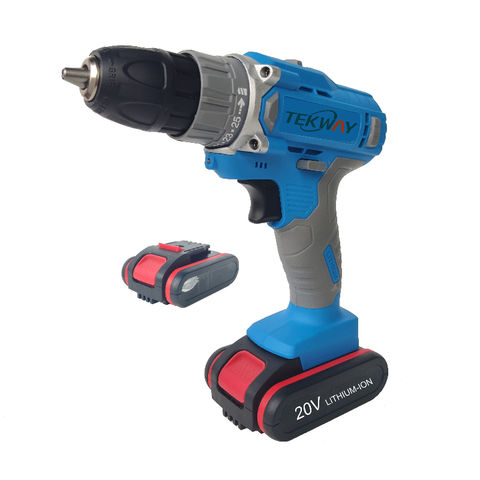
Drilling machines are fundamental in manufacturing, designed to bore holes in various materials. They come in several forms, such as upright drills for larger workpieces and bench drills for smaller jobs. Radial drilling machines offer flexibility with a movable arm that can drill holes at different angles. Precision is key, and CNC drilling machines provide it by automating the drilling process, ensuring consistent results every time.
- Examples: Upright drills, bench drills, radial drilling machines, CNC drilling machines
- Key Applications: Creating precise holes in metal, wood, plastic
- Key Industries: Aerospace, automotive, construction
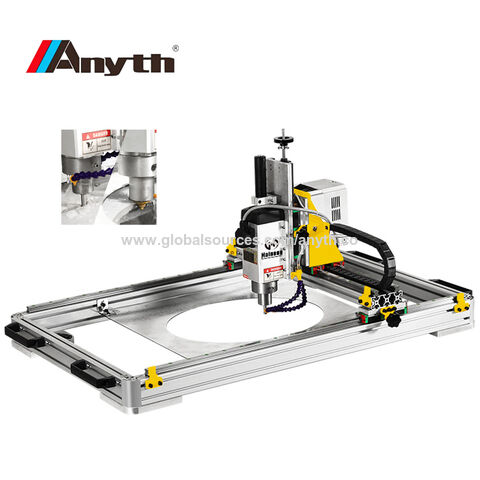
Wholesale Countertop Cutter Edge Polish Automatic Granite Marble Stone Cutting Sink Hole Drill Machine
Professional-portable-mini-li-lion-brushless-battery drill
Turning Machines
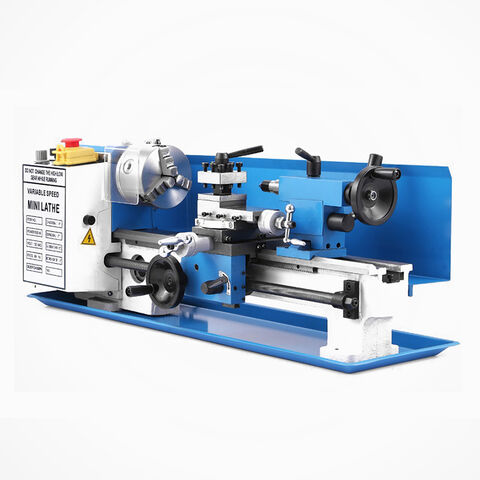
Turning machines, commonly known as lathes, are used to shape materials by rotating them against a cutting tool. They can perform various operations such as cutting, sanding, knurling, drilling, or deformation. Engine lathes are versatile and widely used, while turret lathes are suitable for sequential work on a piece. Modern turning centers are often CNC-controlled for high precision and complex shapes.
- Examples: Engine lathes, turret lathes, CNC turning centers
- Key Applications: Shaping and finishing cylindrical parts
- Key Industries: Metalworking, manufacturing, tool-making
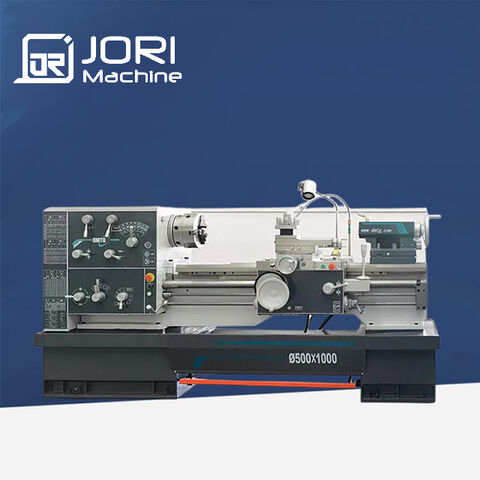
Professional DMTG Hot Selling Metal Processing Manual Lathe Metal Manufacturer Conventional Lathe Manual Lathe
Quality Testing Machines
Quality assurance is vital in manufacturing, and quality testing machines ensure that products meet strict standards. These machines include coordinate-measuring machines (CMMs), which provide detailed inspections of geometries; tensile testing machines, which assess material strength; and hardness testers. Automated optical inspection (AOI) systems are crucial in electronics manufacturing for detecting surface defects.
- Examples: Coordinate-measuring machines (CMMs), tensile testing machines, hardness testers, AOI systems
- Key Applications: Inspecting geometries, assessing material strength, detecting defects
- Key Industries: Electronics, automotive, aerospace
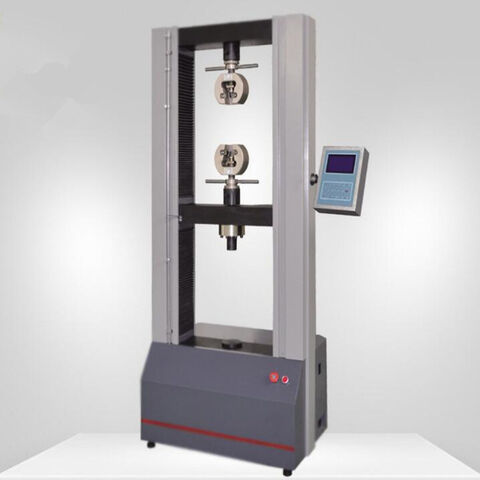
Universal testing machines -
Packaging Machines
Once products are made, they need to be packaged securely and attractively. Packaging machines serve this purpose and vary widely depending on the product. Filling machines handle liquids and powders; sealing machines close bags and containers; labeling machines apply branding; and vacuum packaging machines ensure freshness and longevity of perishable goods.
- Examples: Filling machines, sealing machines, labeling machines, vacuum packaging machines
- Key Applications: Encasing products for distribution and sale
- Key Industries: Food and beverage, pharmaceuticals, consumer goods
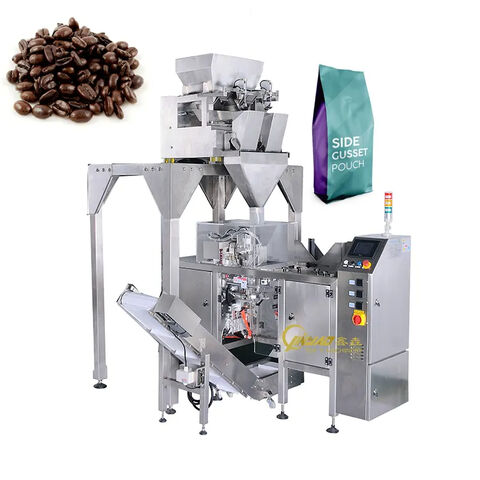
Automatic Granule Packing Machine Doypack Filling Machine Coffee Bean Candy Candis Seeds Grain Pouch Premade Bag Packing Machine
Grinders
Grinders are used to finish workpieces by removing material and smoothing surfaces to a desired finish or texture. They range from hand-held angle grinders to large cylindrical grinders for industrial work. Surface grinders ensure flat surfaces, while tool and cutter grinders sharpen and recondition cutting tools.
- Examples: Hand-held angle grinders, cylindrical grinders, surface grinders, tool and cutter grinders
- Key Applications: Finishing surfaces, sharpening cutting tools
- Key Industries: Metalworking, construction, woodworking

Commercial Walnut Pecan Butter Grinder Machine Pistachio Paste Grinding Machine
Cranes
In the heavy industry sector, cranes are essential for lifting and moving heavy materials. Overhead cranes travel along beams above the factory floor, gantry cranes are used for outdoor applications like shipbuilding, and jib cranes offer localized lifting capabilities. Tower cranes are a common sight at construction sites where vertical lifting is required.
- Examples: Overhead cranes, gantry cranes, jib cranes, tower cranes
- Key Applications: Lifting and moving heavy materials
- Key Industries: Construction, shipbuilding, logistics
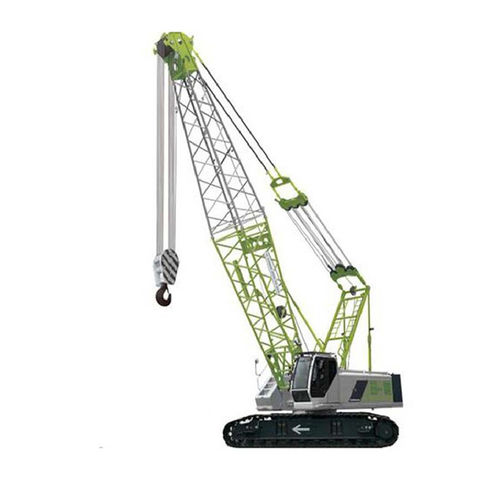
Crane 50 Ton 130 tons ZCC1300 crawler crane with high performance for hot sale
Surface Treatment Machines
Surface treatment machines alter the exterior of workpieces to protect against corrosion, improve appearance, or enhance surface properties. This category includes painting equipment, plating machines for applying protective or decorative coatings, shot blasting machines for cleaning and preparing surfaces, and anodizing equipment for aluminum products.
- Examples: Painting equipment, plating machines, shot blasting machines, anodizing equipment
- Key Applications: Enhancing appearance or surface properties of materials
- Key Industries: Automotive, aerospace, metal fabrication
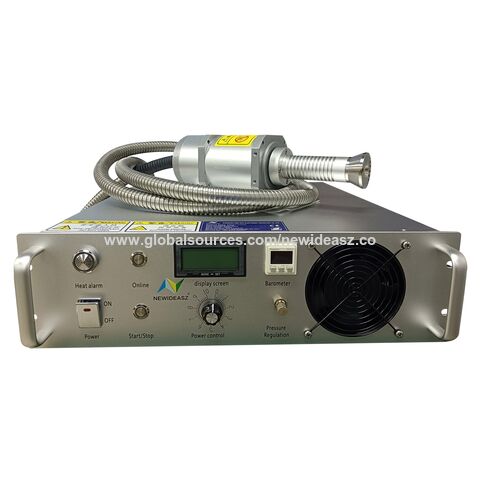
Plasma Surface Treatment Machine for Other Rubber and Plastic Machinery
Assembly Machinery
Assembly lines are the pulse of mass production, and assembly machinery automates the process of putting together components to form a finished product. Robots are increasingly used for tasks that require precision or are hazardous for humans.
- Examples: Automated assembly lines, robotic arms
- Key Applications: Assembling components into finished products
- Key Industries: Electronics, automotive, consumer goods
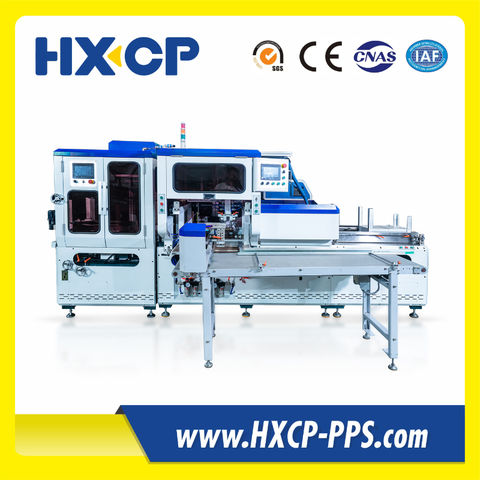
HXTF 400L Automatic Book Style Box Assembling Machine Rigid Cardboard Paper Magnetic Packaging Box
Milling Machines
Milling machines remove material from workpieces with rotary cutters. They can perform a variety of cuts and shapes and are commonly used in metalworking but also in wood and plastic manufacturing.
- Examples: Horizontal and vertical milling machines
- Key Applications: Cutting and shaping materials
- Key Industries: Metalworking, manufacturing
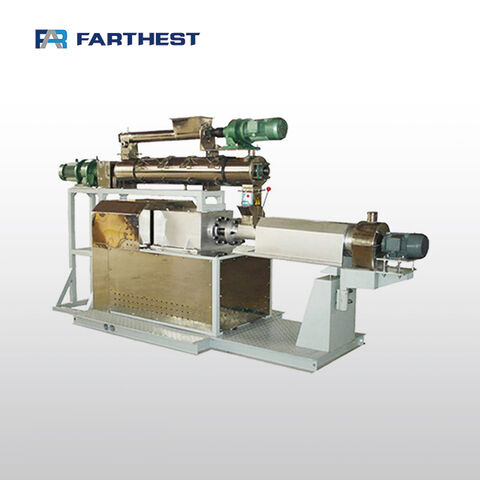
Factory direct Sales Poultry Feed Mill Floating Fish Feed Extruder Pellet Machine
Presses
Presses apply force to shape or cut materials using a set of dies. Hydraulic presses offer powerful force for metal forming, while mechanical presses are faster and more suitable for high-volume tasks.
- Examples: Hydraulic presses, mechanical presses
- Key Applications: Shaping or cutting materials using dies
- Key Industries: Metal forming, automotive
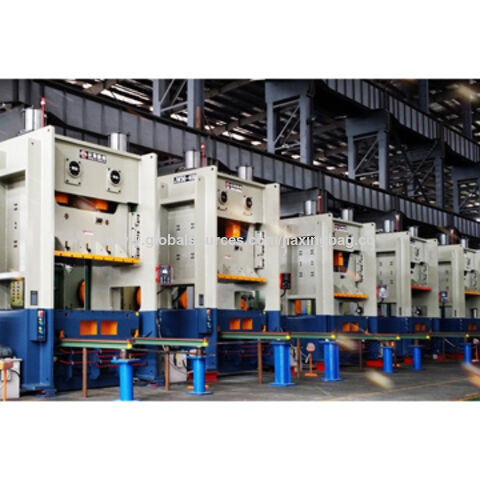
Best Sale Double Crank Mechanical Punch Press -
Welding Equipment
Welding is a critical process in many manufacturing operations. Welding equipment includes traditional arc welders as well as laser welding machines which offer high precision and speed.
- Examples: Arc welders, laser welding machines
- Key Applications: Joining metal parts together
- Key Industries: Construction, manufacturing
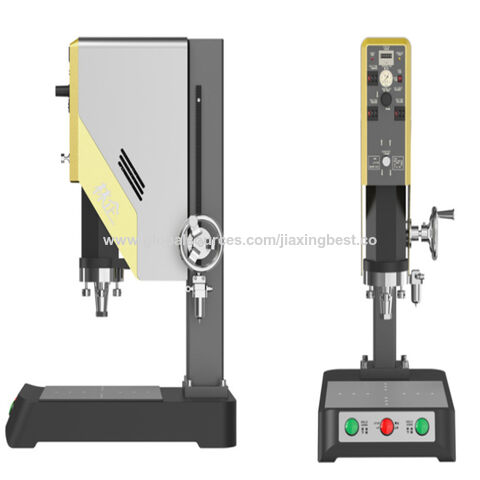
Ultrasonic plastic welding machine Plastic welding equipment for ABS PP PE
Robotic Arms
Robotic arms replicate human arm movements and can be equipped with various tools to perform tasks such as welding, painting, or assembly. They increase productivity while reducing human error and safety risks.
- Examples: Articulated robotic arms with various end-effectors
- Key Applications: Repetitive tasks such as welding or painting
- Key Industries: Manufacturing, automotive
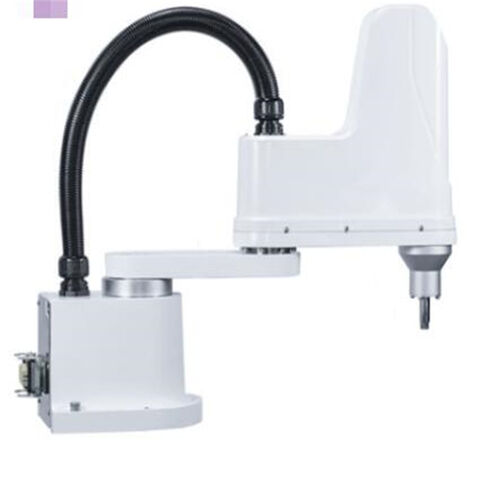
Desktop Robot Scara Industrial Robot Selective Compliance Assembly Robot Arm -
Extrusion Machines
Used primarily in the production of long continuous profiles like pipes or tubing, extrusion machines push material through a shaped die to form specific cross-sectional designs.
- Examples: Plastic and metal extruders
- Key Applications: Producing continuous shapes like tubes or profiles
- Key Industries: Plastics, metal fabrication
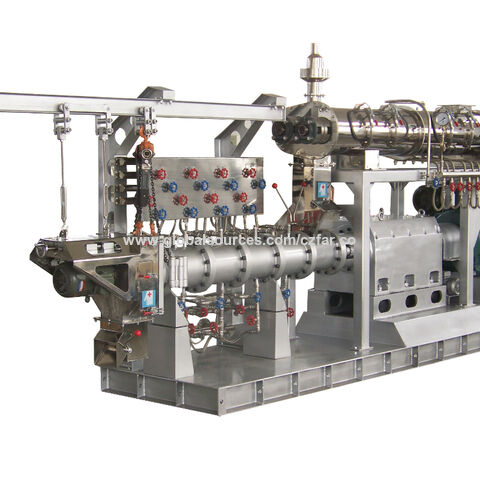
Electric Steam Extrusion Machine for Sinking Fish Feed Production
Injection Molding Machines
In plastic manufacturing, injection molding machines heat plastic pellets until molten before injecting them into molds where they cool into a final shape.
- Examples: Plastic injection molders
- Key Applications: Creating plastic parts by injecting molten material into molds
- Key Industries: Plastics manufacturing
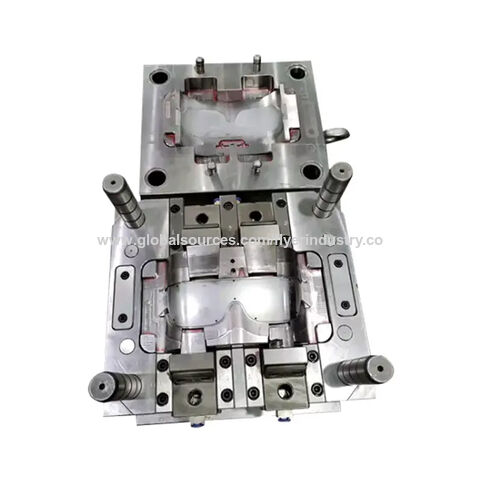
OEM plastic injection mould tooling injection mold Stainless Steel Mold maker injection molding machine CNC punched parts
Die Casting Machines
Die casting machines are used for producing metal products by forcing molten metal under high pressure into molds. This method is common for making complex shapes with a high degree of accuracy.
- Examples: High-pressure die casting machinery
- Key Applications: Producing metal parts with complex shapes
- Key Industries: Automotive, metalworking
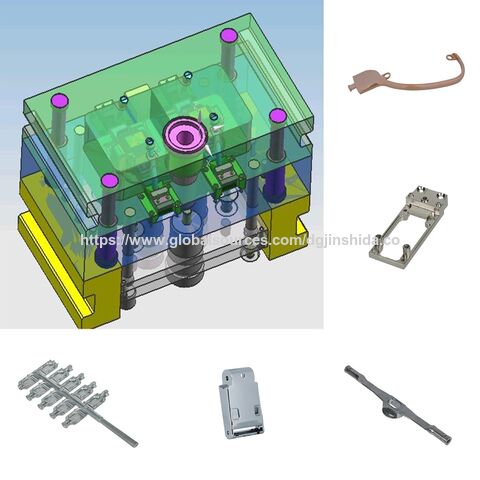
OEM/ODM Die Casting Design Produce, Mold. Mould, Zinc Alloy; Al Die Casting
Electrical Discharge Machines (EDMs)
EDMs remove material from conductive workpieces using electrical discharges or sparks. They are particularly useful for hard metals or intricate designs that are difficult to machine with traditional methods.
Each type of manufacturing equipment plays a specialized role within the production process. Understanding these roles is essential for optimizing manufacturing operations, ensuring product quality, and maintaining efficient production lines. The evolution of manufacturing equipment continues to advance with technology, leading to more automated, precise, and efficient manufacturing solutions across all industries.
- Examples: Wire EDMs and sinker EDMs
- Key Applications: Machining hard metals with intricate designs
- Key Industries: Tool and die making, aerospace
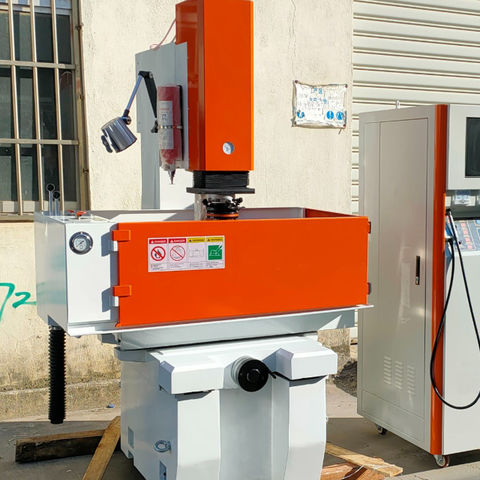
Spark Erosion Electric Discharge EDM Die Sinker Machine Znc540
Global Sources: The Premier Destination for Manufacturing Equipment Sourcing
Global Sources stands as a pivotal hub for international trade, connecting savvy buyers with trusted suppliers from around the world. With its extensive and user-friendly online marketplace, Globalsources.com, the platform has become a premier destination for sourcing manufacturing equipment. In this comprehensive introduction, we will delve into the myriad of features, services, and advantages that make Global Sources an indispensable resource for businesses looking to procure top-tier manufacturing machinery.
A Rich History of Connecting Businesses
With over four decades of experience in facilitating global trade, Global Sources has established a legacy of trust and efficiency. Founded with the mission to connect buyers worldwide with quality suppliers from Asia, the platform has grown to become a robust bridge for international commerce, particularly in the manufacturing sector.
A Wide Range of Manufacturing Equipment
Globalsources.com offers an extensive array of manufacturing equipment, catering to various industries such as electronics, machinery, hardware, auto parts, and more. Whether you're in need of CNC machines, packaging equipment, or textile machinery, Global Sources provides a comprehensive catalog. This diversity not only streamlines the sourcing process but also ensures that buyers can find nearly everything they need in one place.
Verified Suppliers for Assured Quality
One of the standout features of Globalsources.com is its rigorous supplier verification process. This process ensures that every listed supplier is credible and capable of meeting international quality standards. Buyers can source with confidence knowing that they are dealing with legitimate businesses that have been thoroughly vetted.
User-Friendly Interface and Tools
The platform's interface is designed with user experience in mind. Intuitive search functions, detailed supplier profiles, and easy-to-navigate categories allow buyers to quickly find suitable equipment and suppliers. Additionally, Globalsources.com provides powerful sourcing tools such as customized alerts for new products and suppliers, ensuring that buyers stay ahead of market trends.
Online to Offline Trade Shows
Global Sources complements its online marketplace with offline events—trade shows that bring together suppliers and buyers in dynamic environments. These events offer an opportunity for buyers to experience products firsthand and engage directly with suppliers, fostering relationships and facilitating informed purchasing decisions.
Tailored Services for Buyers
Understanding that every business has unique needs, Global Sources offers services tailored to individual buyer requirements. From personalized sourcing assistance to private sourcing events, the platform goes beyond a standard marketplace by providing end-to-end support throughout the procurement process.
A Platform for Industry Insights
Globalsources.com is not just a sourcing platform; it's also a treasure trove of industry insights. The site features market intelligence reports, industry news, and analysis to keep buyers informed on the latest trends and technological advancements in manufacturing equipment.
Robust Supply Chain Management
Global Sources recognizes the complexity of supply chain management and provides solutions to streamline this aspect of sourcing. With an emphasis on efficient logistics and supply chain services, the platform ensures that the journey from sourcing to delivery is smooth and reliable.
Strong Focus on Innovation and Technology
The manufacturing industry is continually evolving with advancements in technology. Global Sources stays at the forefront by featuring suppliers that offer innovative products and by incorporating cutting-edge features into its marketplace, such as virtual reality showrooms and live-streamed product demonstrations.
Commitment to Customer Satisfaction
At the core of Global Sources' values is an unwavering commitment to customer satisfaction. The platform's responsive customer service team is dedicated to resolving any issues promptly and ensuring a positive sourcing experience for all users.
Building Long-Term Business Relationships
Global Sources doesn't just facilitate transactions; it aims to build long-term business relationships. By providing a reliable platform for repeat business and networking opportunities, it fosters a community where buyers and suppliers can grow together.
In a world where efficient, reliable sourcing is more crucial than ever, Global Sources stands out as a leader in the international trade arena. Its comprehensive approach to connecting buyers with high-quality suppliers makes Globalsources.com an invaluable ally for businesses seeking manufacturing equipment. With its extensive selection, verified suppliers, user-friendly tools, and commitment to customer satisfaction, Global Sources is more than just a marketplace—it's a partner in your business's growth and success.
FAQs
What are the equipments in manufacturing?
In manufacturing, equipment refers to the heavy-duty machinery and tools that are used to produce various goods and products. This equipment is integral to the operations of a manufacturing plant and can be categorized based on their functions:
- Metalworking Machinery: This includes lathes, milling machines, and drill presses used for cutting, shaping, and assembling metal components.
- Material Handling Equipment: Forklifts, conveyor belts, cranes, and hoists are used to move materials around a factory.
- Plastic Processing Machinery: Injection molding machines and extruders are used to shape plastic materials.
- Fabrication Equipment: Machinery like press brakes, shears, and laser cutters are used to cut, bend, and assemble metal sheets and structures.
- Packaging Equipment: Machines for filling, sealing, labeling, and wrapping products for shipping and sale.
- Quality Control Instruments: Devices such as coordinate-measuring machines (CMMs), gauges, and inspection cameras are used to maintain product quality.
Each type of equipment plays a critical role in the manufacturing process, from initial raw material handling to the final quality assurance checks before products leave the factory.
What are the examples of industrial equipment?
Industrial equipment encompasses a broad range of heavy-duty machinery that serves various functions within industrial settings:
- Boilers: Generate steam for power generation or heating.
- Compressors: Supply compressed air for various industrial applications.
- Pumps: Move fluids through systems, essential for operations in chemical, water treatment, and oil industries.
- HVAC Systems: Control the heating, ventilation, and air conditioning in industrial facilities.
- Generators: Provide backup or primary power supply.
- Industrial Robots: Automate tasks such as welding, painting, assembly, and inspection.
These examples illustrate the diversity of industrial equipment designed to support and maintain continuous industrial operations across different sectors.
What is production equipment?
Production equipment refers specifically to the machinery and tools that are directly involved in the creation of products. This equipment is designed to perform various tasks that transform raw materials into finished goods:
- Assembly Lines: Consist of a series of workstations where parts are added in sequence until the final assembly is made.
- CNC Machines: Utilize computer programming to control complex cutting and shaping operations with high precision.
- Welding Machines: Used to join metal parts together using various welding techniques.
- Painting Systems: Include spray guns and automated painting robots for applying coatings to products.
- Food Processing Equipment: Machines for sorting, cutting, cooking, and packaging food products.
Production equipment is essential for ensuring efficiency, quality control, and scalability in manufacturing processes.
What is an example of a machinery equipment?
An example of machinery equipment is an excavator. An excavator is a heavy construction machine consisting of a boom, dipper (or stick), bucket, and cab on a rotating platform known as the "house." The house sits atop an undercarriage with tracks or wheels. Excavators are used in many applications such as digging trenches and holes, material handling, demolition, mining projects, and more. They are a staple piece of equipment in construction and civil engineering projects due to their versatility and power. The modern excavator combines advanced hydraulic systems with powerful motors and sophisticated controls to provide precise manipulation of the arm and bucket, allowing for efficient excavation and material movement.

