
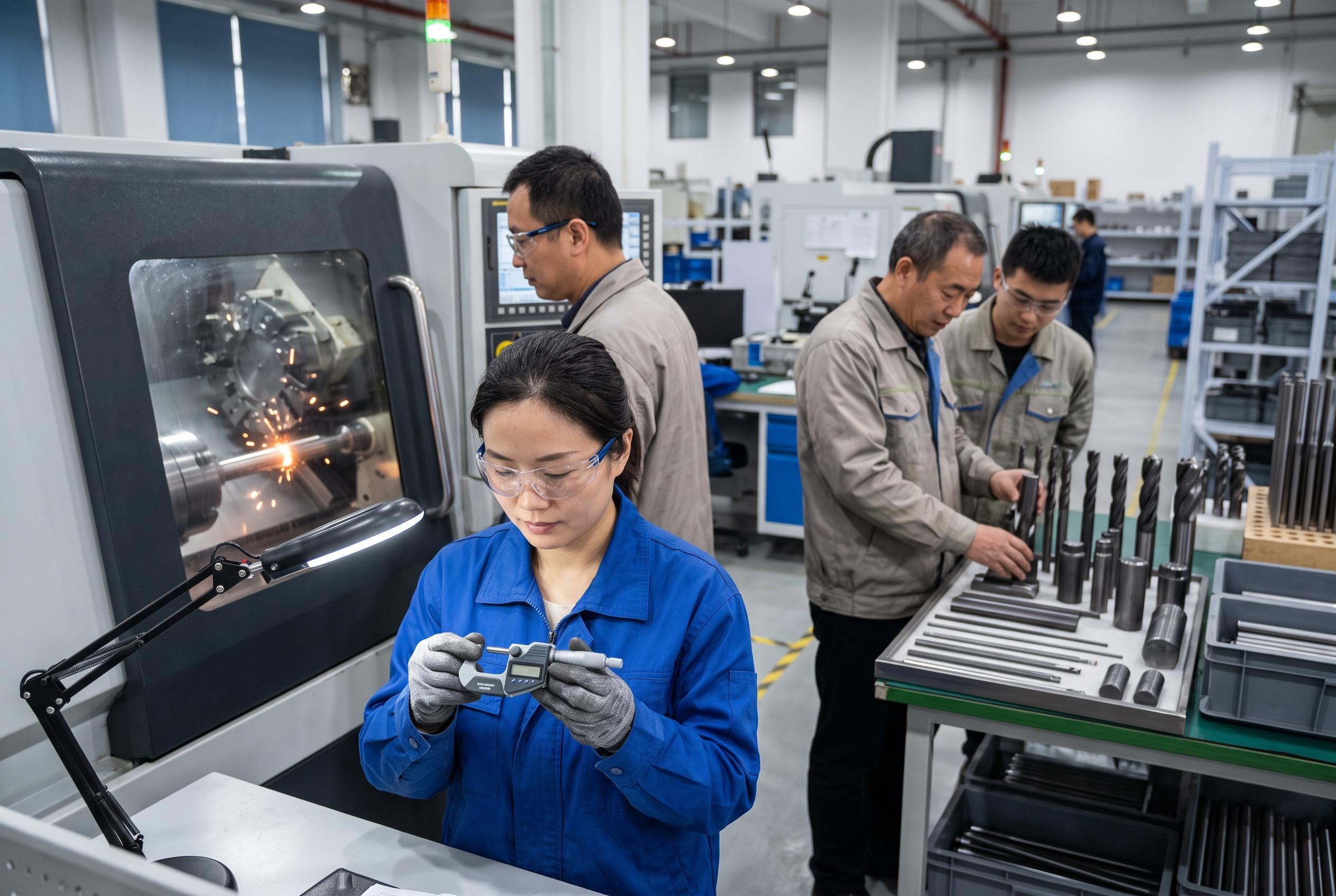
- Tungsten supply restrictions in China cause sharp price increases and material shortages
- Disruptions impact chip manufacturing, pushing companies to diversify sourcing
- Supply chain resilience becomes critical as capacity growth lags behind demand, with shortages expected until 2028
China’s tighter controls on tungsten exports are affecting supply conditions for a material used in semiconductor manufacturing. Industry sources cited in Reuters-style coverage indicate that the supply squeeze has intensified in 2026, with tungsten prices rising as availability tightens, defense-related demand remains elevated, and semiconductor manufacturers evaluate alternative materials.
A significant disruption was reported on July 1, 2026, when Japan’s Kanto Denka and Central Glass suspended their tungsten hexafluoride (WF6) operations after running out of feedstock, according to reports cited in the coverage. The two producers together accounted for about one-quarter of global WF6 capacity, or approximately 2,200 tons annually. The shutdowns demonstrate how shortages of a key input can affect semiconductor supply chains.
China controls around 80% of global tungsten supply, and its export restrictions have reduced the number of companies able to ship the material overseas. The restrictions were introduced in 2025 and tightened further for 2026 and 2027, while demand from military applications and AI-related semiconductor manufacturing has continued to increase. Analysts cited in the reports expect tungsten demand to remain above supply for several years, with shortages potentially continuing through at least 2028.
The supply constraints are particularly relevant to manufacturers of advanced memory and logic chips. Companies including Samsung and SK Hynix are seeking to diversify tungsten sources, but alternative supplies can take time to develop. WF6 is used in chemical vapor deposition, a process in semiconductor manufacturing, making its availability a supply consideration for chip production.
Almonty Industries has identified its Sangdong mine in South Korea as one of the larger non-Chinese tungsten sources. The company announced that the mine reached full production in July 2026 and announced a share buyback on August 17. However, additional mining capacity outside China would take time to develop, limiting the immediate ability of new projects to address the global supply gap.
The tungsten market also highlights the role of raw materials in the broader AI and electronics supply chain. Semiconductor production depends on a range of minerals, gases, chemicals, and other inputs in addition to computing technologies and data-center infrastructure. Tungsten is used at several stages of semiconductor manufacturing and therefore forms part of the upstream supply chain supporting advanced electronics.
For procurement teams, securing tungsten supplies involves more than comparing prices. Companies need to assess upstream mine production, refining capacity, logistics networks, chemical processing, and the ability of alternative suppliers to meet semiconductor-grade requirements. Export policies and the concentration of processing capacity can also affect supply availability and lead times.
The supply constraints could affect semiconductor manufacturers if WF6 availability remains limited. Potential impacts include adjustments to expansion plans, fabrication schedules, or inventory levels, while higher material costs could also affect downstream electronics production. These effects could extend across products including enterprise servers, consumer electronics, and mobile devices.
Developing new mining and refining capacity outside China also involves extended timelines. Environmental reviews, permitting, financing, transportation infrastructure, and downstream processing can take several years. As a result, projects announced in response to current supply constraints may not immediately add significant volumes to the market. This timing gap is one factor behind forecasts that shortages could continue through 2028.
For manufacturers, the supply situation increases the importance of materials planning and supplier diversification. Strategies can include qualifying suppliers in multiple regions, increasing visibility into upstream sources, and developing contingency plans for logistics and material disruptions. Maintaining appropriate inventory levels can also provide additional flexibility when supply conditions change.
The tungsten shortage is also relevant to the investment outlook for AI and semiconductor supply chains. While market attention often focuses on AI models, processors, and data centers, raw materials can influence semiconductor production costs and capacity. Supply constraints for materials such as tungsten can therefore affect miners, chemical producers, semiconductor manufacturers, equipment suppliers, and downstream electronics companies.
From a policy perspective, tungsten export restrictions are affecting global supply patterns and encouraging manufacturers and governments to seek alternative sources. Companies are evaluating new suppliers and stockpiling strategies, while investment is being directed toward mining, processing, and other supply-chain capacity outside China. These adjustments can take time and may affect material prices and availability during the transition.
The current tungsten supply situation illustrates the impact that concentrated sourcing can have on semiconductor supply chains. Trade restrictions can alter material availability relatively quickly, while developing alternative sources requires longer lead times. For AI and electronics manufacturers, supply-chain assessments therefore extend beyond direct suppliers to include minerals, gases, chemicals, and other inputs several stages upstream from finished products.
Takeaways
- - Tungsten is becoming a strategic choke point for AI and semiconductor manufacturing.
- - China’s export restrictions are exposing how concentrated the global sourcing base remains.
- - WF6 shortages show how quickly logistics and feedstock constraints can halt production.
- - Advanced electronics makers may face higher costs, delays, and tougher sourcing decisions.
- - Diversification outside China is important, but new capacity will take time to matter.
- - The AI boom depends on physical supply chains as much as on computing power.
FAQ
Why does tungsten matter so much to chipmaking? It is used in key semiconductor processes, including WF6-based chemical vapor deposition.
Why are prices rising? Supply is tightening while defense and AI-related demand remain strong.
Can companies quickly switch to other materials? Not easily. Semiconductor manufacturing is highly specialized, and alternatives can be limited.
Will the shortage end soon? Analysts cited in the reports suggest tightness may last until at least 2028.
What should electronics companies watch next? They should monitor sourcing diversification, logistics stability, and any further policy changes affecting supply.
Disclaimer: This article may have been created with AI assistance and reviewed by our editorial team. It is provided for general informational purposes only. Readers should verify information independently before relying on this content.
Source Map (for reference)
Inspired by the headline at: [1]
Sources by paragraph:
