
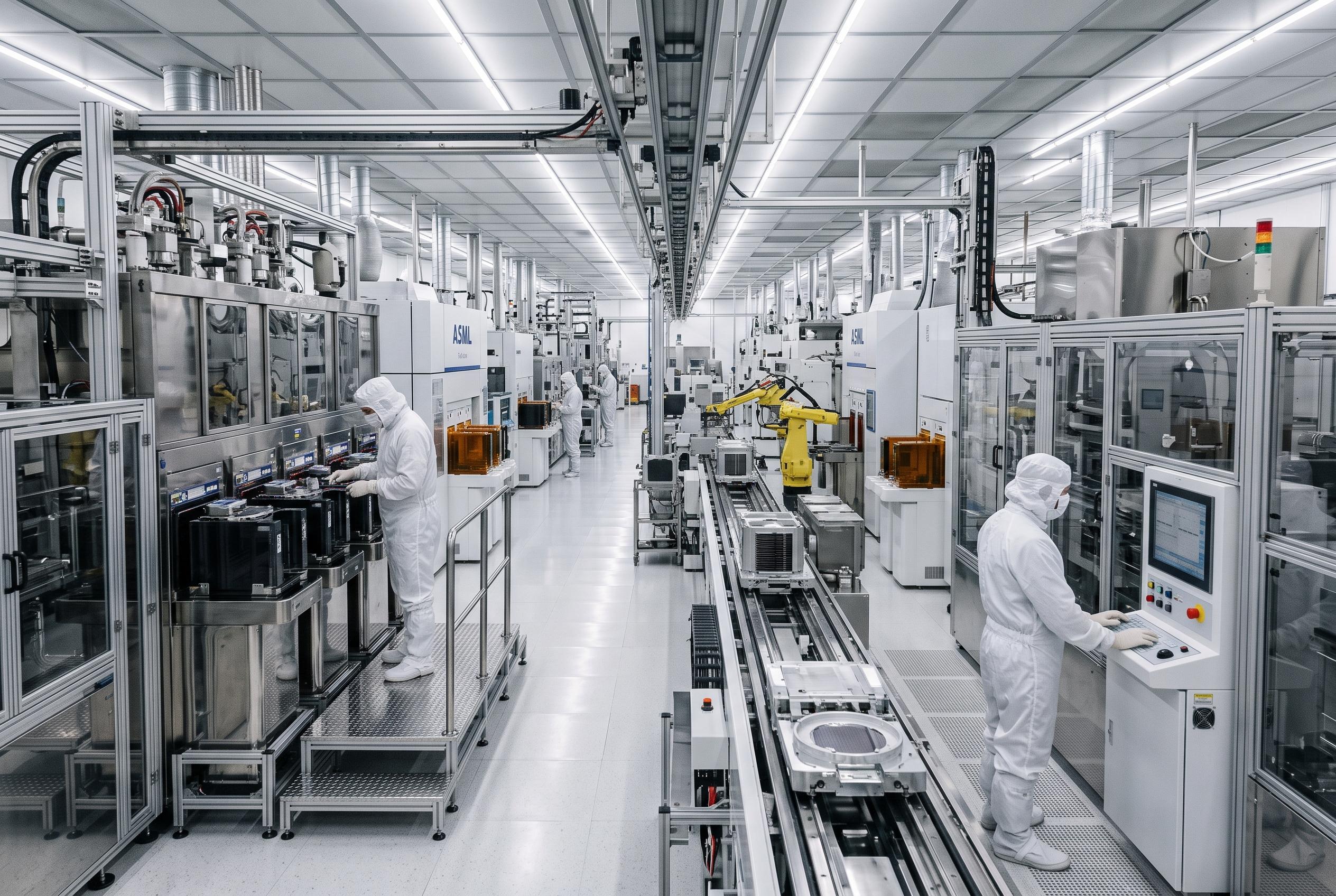
Japan is backing a major GlobalFoundries expansion in Malta, New York, with up to $21 billion aimed at adding two new chip factories, thousands of jobs, and more resilient US semiconductor capacity.
A huge semiconductor bet lands in New York
The biggest number here is hard to miss. Japan is prepared to provide approximately $21 billion for two GlobalFoundries fabs at the company's Malta campus, creating one of the most ambitious new US chip-manufacturing projects in years.
The first phase involves about $10 billion for a new 300mm fab expected to come online in 2029. A similarly sized investment would finance a second facility, although its timing remains less immediate. The scale is striking, especially in a region where semiconductor manufacturing already has deep roots.
When fully operational, each fab could add around 900,000 wafers of annual capacity. That's the kind of expansion that doesn't just add factory space. It can reshape supplier networks, training programs, logistics, and the local economy around it.
Why Japan is paying for American chip capacity
The arrangement is part of a broader US-Japan economic deal tied to Japan's planned $550 billion investment in the United States. The agreement followed negotiations over tariffs on Japanese vehicles and other imports, linking trade policy with industrial investment in a very direct way.
Japan will provide the funding, while GlobalFoundries brings the less visible but equally important ingredients: process technology, factory management, and years of experience running high-volume semiconductor operations. As GlobalFoundries explains in its company announcement, the project is designed around a partnership rather than a simple construction contract.
That distinction matters. A modern fab is an extraordinarily complex building filled with cleanrooms, precision tools, chemical systems, and tightly controlled processes. The money can build the shell, but experienced operators are needed to turn it into a dependable production engine.
New fabs will cover more than mainstream chips
The expansion isn't limited to one category of semiconductor. The US Commerce Department and GlobalFoundries have also agreed to redirect $955 million from the company's existing CHIPS and Science Act award toward silicon photonics, silicon-germanium, and advanced packaging projects in New York and Vermont.
Those technologies are increasingly important for data centers and communications infrastructure. Silicon photonics, for instance, helps move huge volumes of data using light, while advanced packaging allows more components to work together in smaller, more capable systems.
Tom's Hardware has also reported on GlobalFoundries' growing role in US-based packaging and interposer production. That broader push suggests the Malta expansion is intended to strengthen several links in the chip supply chain, not merely increase wafer output.
What the investment means for New York workers
The project is expected to create about 27,000 construction and ecosystem jobs, alongside more than 1,000 high-skilled manufacturing positions in New York's Capital Region. Those numbers include the wider network of contractors, equipment suppliers, service companies, and other businesses that typically gather around a large fab.
New York's Green CHIPS program is also supporting the region's semiconductor ecosystem. The state has been positioning the Capital Region as a long-term manufacturing and research hub, so the new investment builds on an existing industrial base rather than starting from scratch.
For local workers, the opportunity will likely extend beyond cleanroom technicians. Large fabs need electricians, software specialists, maintenance crews, chemical engineers, logistics teams, and safety professionals. The quiet work behind the polished factory floor is where much of the employment story will unfold.
The US government is taking a stake
The US Commerce Department will receive an additional equity stake of roughly 4% in GlobalFoundries, taking the government's total ownership to about 7%, according to the project details reported by TechTarget. Japan, meanwhile, is providing the capital for the two new facilities.
GlobalFoundries is majority-owned by Mubadala Investment Company, Abu Dhabi's sovereign wealth fund. The company is expected to earn fees for building and operating the fabs, as well as for licensing its manufacturing technology.
That structure gives Washington a financial interest in the chipmaker while keeping GlobalFoundries responsible for execution. It also reflects how strategic semiconductor projects are increasingly being assembled: public money, overseas investment, corporate expertise, and regional incentives all working in one package.
A long-term test of America's chip strategy
The Malta project will be watched closely because building a fab is only the beginning. The harder test is whether the factories open on schedule, attract enough skilled workers, and produce chips competitively over decades.
Apple has already described GlobalFoundries as a partner in its American manufacturing plans, while New York officials have highlighted the site's workforce and established ecosystem. That existing foundation gives the project a head start, but semiconductor manufacturing remains unforgiving. A cleanroom can look sleek and futuristic, yet its success depends on thousands of precise, repetitive tasks going right every day.
For the Capital Region, though, the message is clear. New York is no longer merely hosting a chip factory; it's becoming part of a wider US effort to rebuild domestic semiconductor capacity and make the supply chain feel a little less fragile.
A larger local chip ecosystem could make New York a stronger manufacturing hub for years to come.
Disclaimer: This article may have been created with AI assistance and reviewed by our editorial team. It is provided for general informational purposes only. Readers should verify information independently before relying on this content.
