
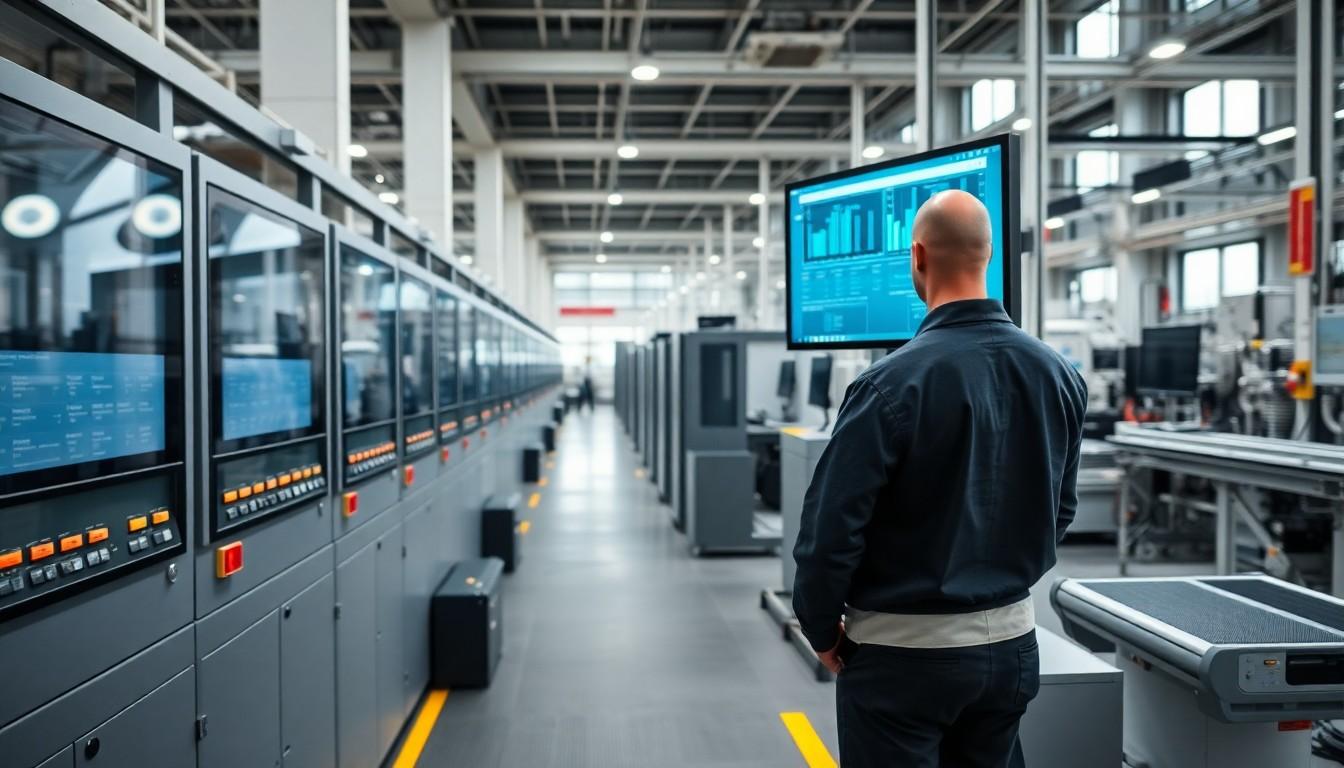
- Separates control software from fixed hardware to enable flexible upgrades
- Bridges legacy systems with modern digital environments for gradual modernization
- Supports incremental updates and improved integration between OT and IT systems
Open, Software-Defined Automation Is Changing the Way Industries Operate
Industrial automation is going through a significant shift. For decades, many of these systems were built around proprietary controllers, fixed hardware setups, and long, drawn-out upgrade cycles. That traditional approach focused on delivering consistency and making sure things ran predictably. But it wasn’t really set up for an environment where manufacturers, utility companies, and process operators need to respond quickly to new tech, changing demand, and tighter performance goals.
Schneider Electric suggests that open, software-defined automation could offer a different and maybe better route forward. Instead of viewing automation as a one-and-done installation, this approach sees it as a living, breathing platform, one that can be upgraded, expanded, and tweaked as the needs of the business and operations evolve.
Taking Control Software Beyond Fixed Hardware
At the core of software-defined automation is the idea of separating control software from specific hardware setups. Instead of being permanently attached to a particular controller or device, industrial applications can run in more flexible computing environments.
This separation is important because it gives operators a chance to gradually evolve their systems. Instead of tearing everything out and replacing a whole automation stack in one massive, disruptive project, companies can add new features step by step.
It also helps reduce reliance on single-vendor setups. Organizations might find it easier to mix and match technologies from different suppliers, scale their computing power when they need to, and safeguard their existing investments as their operational requirements change.
Open Platforms Bridge Old and New Systems
The push toward open systems is already noticeable across the broader automation industry. OSOLogic, for example, describes its open-source platform as a bridge between legacy PLC, SCADA, and HMI environments, and newer, software-defined computing.
This bridging role is crucial because most industrial sites don’t start from scratch. Their existing equipment, control systems, and software may have been running for years. So, any modernization plan needs to make room for systems that can’t be removed immediately or that still perform essential functions.
Similarly, Rapid SCADA promotes an open industrial automation stack designed to support large, distributed systems, spanning servers, embedded devices, and cloud infrastructure.
And then there’s OpenMES, which tackles things from the manufacturing execution angle. Its main focus is on production visibility, traceability, and connecting the shop floor to enterprise systems, all without licensing barriers getting in the way.
Software-Defined Controllers and Stepping Up Gradually
Another big trend is the rise of software-defined controllers. In Schneider Electric’s approach, control logic no longer has to be tied to fixed hardware. Instead, it moves into standardized execution environments.
This shift means hardware and software can evolve more independently. Computing resources can be reallocated based on changing needs, workloads can be redistributed to enhance resilience, and new control strategies can be pushed out via software updates, where the system design permits it.
For sectors like energy, chemicals, and water treatment, this opens up the chance to modernize in increments while keeping plants running as usual.
Bringing Operational Technology and Information Technology Closer
The same ideas are also helping to blur the lines between operational technology (OT) and information technology (IT). Modern platforms increasingly bring together deterministic control, scalable computing, cybersecurity, and system and process visibility.
Open architectures like ctrlX OS and rPLC show parts of this trend. ctrlX OS emphasizes modular applications and an ecosystem of software, while rPLC supports remote-edge programming and industrial protocols alongside software-defined networking.
For equipment vendors and customers, the result can be an automation setup that supports flexible deployment and integration with business systems.
A Fresh Operating and Investment Model
And here’s where it gets pretty interesting, it’s not just the technology that’s changing; the way companies operate and invest in automation is shifting too.
Older automation projects often involved rare, costly, and sometimes disruptive upgrades. Conversely, software-defined automation leans toward continuous improvement, small updates, gradual upgrades, and potentially less downtime as organizations align modernization with current business priorities.
OpenTAP, though mainly aimed at test automation, not plant control, reflects this broader trend. Modular, open software platforms are increasingly designed to work across various tools, environments, and even with AI-aided workflows.
What Industry Leaders Need to Keep an Eye On
For leaders in the industry, the message is straightforward. The next generation of automation systems will need to stand out for more than just reliability; they’ll be judged on their adaptability, how well they work with different systems, and their long-term value.
Open, software-defined architectures are fast becoming the foundation for that transformation. They can turn a rigid control layer into a flexible platform that grows and adapts with the business needs.
Now, that doesn’t mean every plant should instantly rip out its current setup. The real value of this model is in supporting gradual change. Companies can identify where openness, software-centric control, improved system integration, or more flexible computing can deliver the most benefit , and then plan their modernization accordingly.
Key Takeaways
- - Software-defined automation separates control software from fixed hardware setups.
- - Open platforms can help integrate legacy systems like PLC, SCADA, and HMI with modern digital environments.
- - Software-defined controllers support staged upgrades, workload shifting, and control improvements via software.
- - Open architectures boost integration between operational tech and IT.
- - Ongoing updates and improvements might reduce the need for full-system replacements.
- - Long-term success depends on reliability, adaptability, interoperability, and lifecycle management.
Disclaimer: This article may have been created with AI assistance and reviewed by our editorial team. It is provided for general informational purposes only. Readers should verify information independently before relying on this content.
Sources:
