
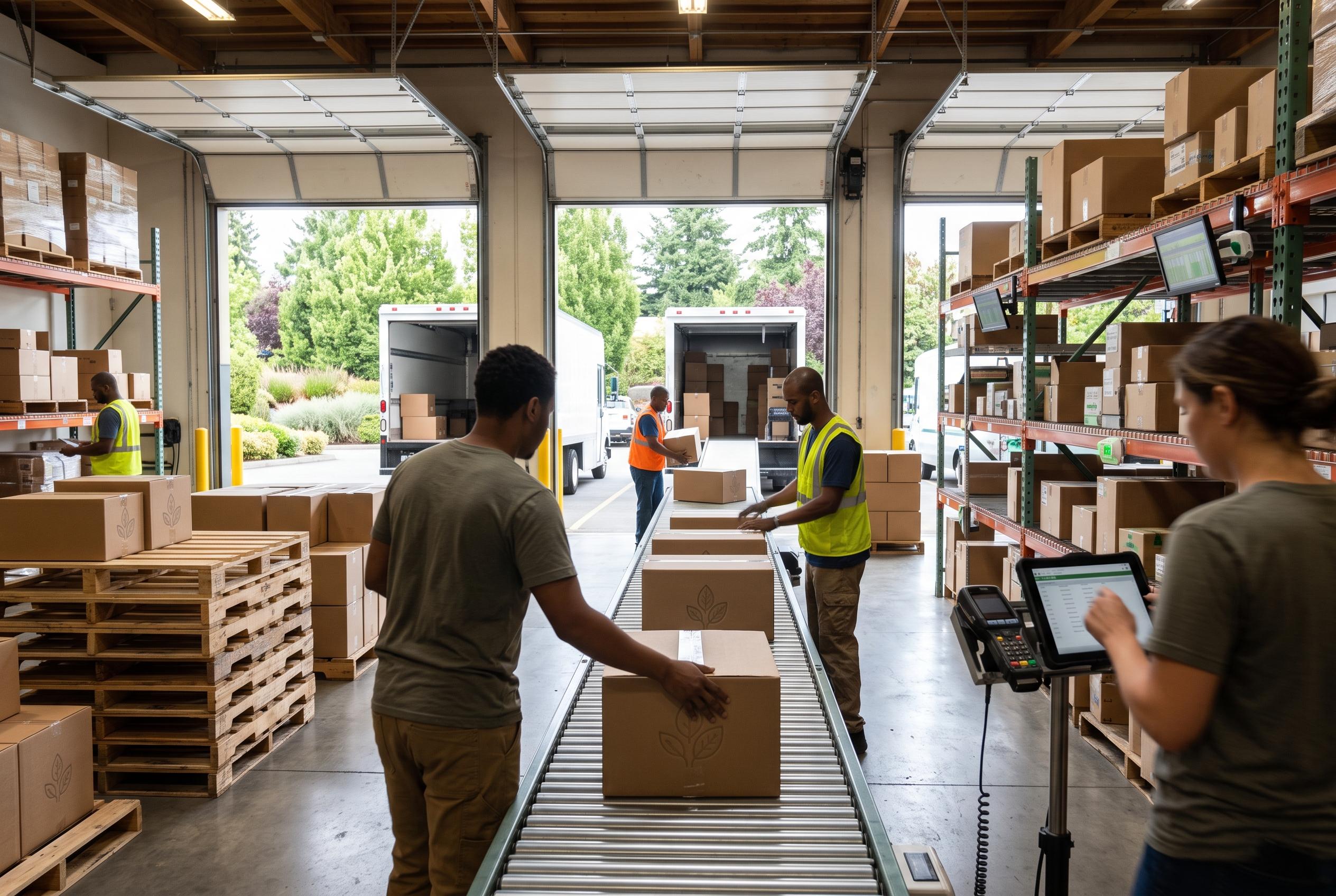
Small businesses are rethinking sustainable supply chain practices as customers, regulators, and partners demand greater accountability. From supplier standards and life cycle assessments to smarter logistics and live data, these practical steps can reduce waste, improve visibility, and make sustainability feel less like a grand promise and more like a manageable business habit.
Start with a Supplier Code of Conduct
A sustainable supply chain is only as strong as the standards followed beyond your own front door. A supplier code of conduct sets expectations for fair treatment, workplace safety, environmental care, and responsible business practices, giving vendors a common rulebook instead of vague promises.
Guidance from Nielsen and other organizations shows why these documents matter: they help translate corporate values into requirements suppliers can understand and follow. The most useful codes are specific, written in plain language, and connected to contracts, onboarding, and regular reviews.
Audits can help, but they shouldn't be the whole strategy. Businesses should also create a way for suppliers to report challenges, explain gaps, and show progress. That approach feels less like a surprise inspection and more like a working partnership, which is usually where lasting improvement begins.
Measure Environmental Impact Across the Product Life Cycle
A product's environmental story doesn't begin when it reaches a warehouse. Life cycle assessment looks across stages such as raw material extraction, manufacturing, distribution, use, and end-of-life treatment, helping businesses see where the biggest impacts actually occur.
The General Services Administration describes life cycle thinking as a way to support better decisions across a product or building's full existence. Meanwhile, Carbon Managers and Bright Products highlight how assessment can expose emissions, resource use, and waste that might otherwise remain hidden.
This matters because a seemingly greener choice can shift the problem elsewhere. A lighter package might reduce shipping emissions but require a material that's harder to recycle, for instance. Mapping the full journey helps small businesses choose improvements based on evidence rather than a shiny label.
Real-Time Monitoring Makes Sustainability More Actionable
Sustainability gets much easier to manage when the numbers arrive before the monthly bill. IoT sensors and connected systems can track electricity, fuel, temperature, water, equipment performance, and waste in near real time, giving operators a clearer view of what is happening on the ground.
That visibility can reveal a refrigeration unit using too much power, a production line sitting idle, or a delivery route that repeatedly adds unnecessary miles. Instead of relying on guesswork, teams can respond while the issue is still small, which is both kinder to the planet and gentler on the budget.
Technology isn't a magic wand, though. Companies need a few focused measures, reliable data ownership, and someone responsible for acting on the findings. Start with one facility, route, or product line, then expand once the system proves useful.
Smarter Transport Can Cut Waste and Emissions
Transportation is often where sustainability efforts become visible, from noisy delivery vans to the fuel surcharge on an invoice. Better route planning, improved load management, consolidated shipments, and lower-emission vehicles can all reduce the energy required to move products.
The right mix depends on the business. A local retailer might begin by grouping deliveries or switching short trips to electric vehicles, while a manufacturer could focus on fuller truckloads and fewer urgent shipments. Telematics can add another layer of insight by showing idling, mileage, driver behavior, and maintenance needs.
Alternative fuels may also have a role, but businesses should compare the entire operating picture, including availability, cost, vehicle compatibility, and infrastructure. The greenest option is often the shipment that doesn't need to be rushed, split, or sent halfway across the country in the first place.
Collaboration Turns Individual Efforts Into Supply Chain Progress
No company can make a complex supply chain sustainable alone. Suppliers, carriers, manufacturers, retailers, and customers all influence the final impact, so progress depends on sharing information and aligning incentives.
Supplier codes from Nielsen, PSC Corporation, and Gonimble show how formal expectations can create a baseline across business relationships. From there, companies can add shared audits, improvement plans, and digital reporting that make performance easier to compare without turning every conversation into a spreadsheet marathon.
Small businesses can begin with a practical question: which partner or process creates the greatest environmental risk? Tackling that area first makes the work more manageable and gives collaborators a clear reason to participate. Over time, transparency can become more than a compliance exercise; it can build trust, spot savings, and make a business feel more resilient when conditions change.
Sustainable supply chain practices work best when they become everyday decisions, not a once-a-year report.
Disclaimer: This article may have been created with AI assistance and reviewed by our editorial team. It is provided for general informational purposes only. Readers should verify information independently before relying on this content.
