
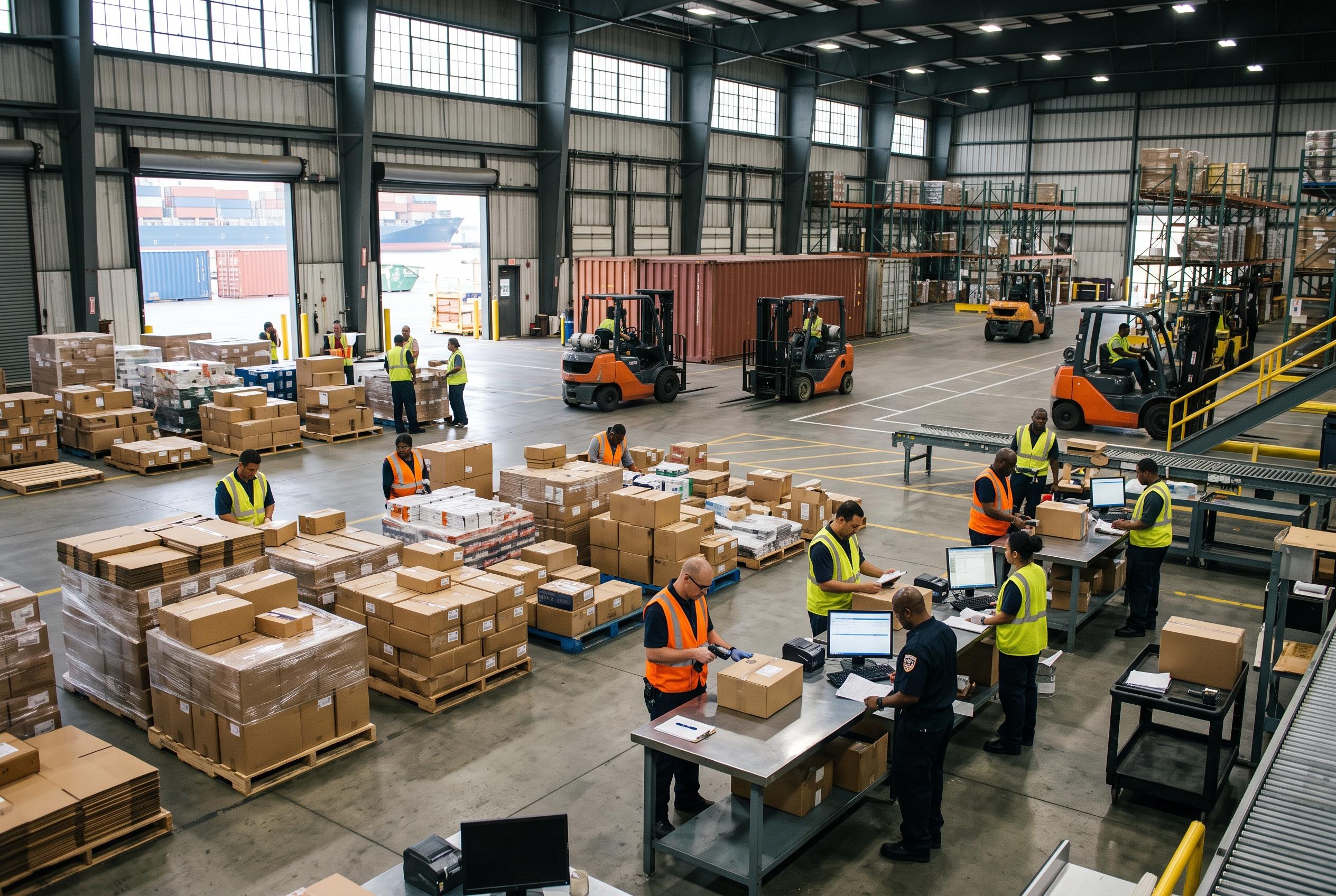
Importers and manufacturers are taking a closer look at foreign trade zones, free trade agreements, and duty optimisation tools as tariffs reshape landed costs. The opportunity is especially relevant for companies already using ONESOURCE, because existing classification and supplier data can help uncover savings without building a fresh compliance system from scratch.
Tariff pressure is putting duty savings back on the agenda
Tariffs aren't just a policy headline anymore. For manufacturers importing steel, aluminum, copper, or components, they can alter the landed cost of every product moving through the supply chain.
That pressure is making foreign trade zones more attractive. According to the National Association of Foreign-Trade Zones, FTZ programs can support duty deferral, duty reduction, and duty elimination in specific circumstances. The result is a potentially meaningful cash-flow benefit, especially for businesses holding large inventories or processing goods before re-export.
The opportunity can feel surprisingly close to home. Companies already managing product classifications and import entries may have much of the groundwork in place, rather than needing to start with an entirely separate data project.
How foreign trade zones can lower import costs
A foreign trade zone is a designated area where imported goods can be stored, handled, or processed under special customs treatment. Duties generally aren't paid until merchandise enters the domestic market, while goods that are re-exported may avoid US import duty altogether.
That timing matters. A manufacturer can keep cash working in the business instead of paying duty the moment goods arrive. FTZ guidance from FTZ No. 9 also highlights benefits such as improved inventory control, duty deferral, and potential savings on goods that leave the country again.
There can be another advantage for manufacturers. If imported components carry a higher duty rate than the finished product, an approved programme may allow the business to use the lower finished-goods rate, subject to the relevant rules and authorisations. It's a technical detail, but it can have a very real effect on margins.
Free trade agreements are valuable, but paperwork gets in the way
Preferential trade agreements can reduce or remove duties when products meet specific origin requirements. The catch is that qualifying isn't a one-time box-ticking exercise. Importers may need supplier certifications, product-level calculations, renewal dates, and supporting records that can stand up to a customs review.
That administrative load is one reason companies sometimes leave savings unclaimed. A preference that looks obvious on paper can become difficult to defend when a supply chain includes multiple suppliers, countries, and tariff classifications.
FTA management tools can help centralise those details. By using existing classification data and supplier information, teams can focus on validating eligibility rather than recreating the same records in a new system. As LegalClarity explains, the benefit of trade preferences depends on meeting the required documentation and origin tests, not simply shipping from an eligible country.
The smartest move may be modelling before changing suppliers
Sourcing decisions often look simple until duty rates, transport costs, origin rules, and inventory timing are considered together. Moving production to a lower-cost country, for instance, may create a new tariff exposure that wipes out the apparent saving.
Scenario analysis gives trade and finance teams a clearer view before they commit. ONESOURCE Trade Analyzers can compare shipment data, trade lanes, sourcing countries, FTZ structures, and FTA possibilities side by side. That makes the discussion less about guesswork and more about documented alternatives.
This is particularly useful for fast-moving importers. A model can reveal whether a proposed change genuinely improves landed cost, or merely shifts the expense from one part of the supply chain to another. Nobody enjoys discovering that surprise after the purchase order has been placed.
Start with the data you already trust
A practical first step is to review recent import activity for repeated patterns: high-duty classifications, goods that are later re-exported, suppliers in FTA countries, and products with frequent classification changes. Those areas can point to the best candidates for an FTZ review, an origin assessment, or a post-entry audit.
Businesses should also separate potential savings from compliance risk. An attractive duty result isn't useful if the supporting records are incomplete or the programme isn't approved for the company's operations. The best approach pairs savings analysis with clear ownership, documented calculations, and a reliable audit trail.
For finance leaders, that combination is increasingly important. Duty optimisation has to survive not only a customs review but also an internal question about how the saving was calculated. A quiet, repeatable process is usually more valuable than a dramatic one-off win.
Waiting can make the opportunity more expensive
Industry estimates cited by Thomson Reuters suggest companies may overpay roughly 3% to 8% of import duties because of classification and qualification errors. The exact exposure varies by business, but the broader lesson is straightforward: missed preferences and inaccurate classifications can compound across thousands of entries.
An assessment using a company's own shipment and classification data can show where the biggest opportunities sit. That might mean activating FTZ management, tightening FTA certification, reviewing first-sale valuation, or simply correcting recurring classification problems.
The encouraging part is that duty savings don't always require a wholesale technology overhaul. Sometimes the quickest route is to make better use of the compliance platform already in place.
It's a small shift in focus, but it can turn trade compliance from a cost centre into a practical source of margin.
Disclaimer: This article may have been created with AI assistance and reviewed by our editorial team. It is provided for general informational purposes only. Readers should verify information independently before relying on this content.
