
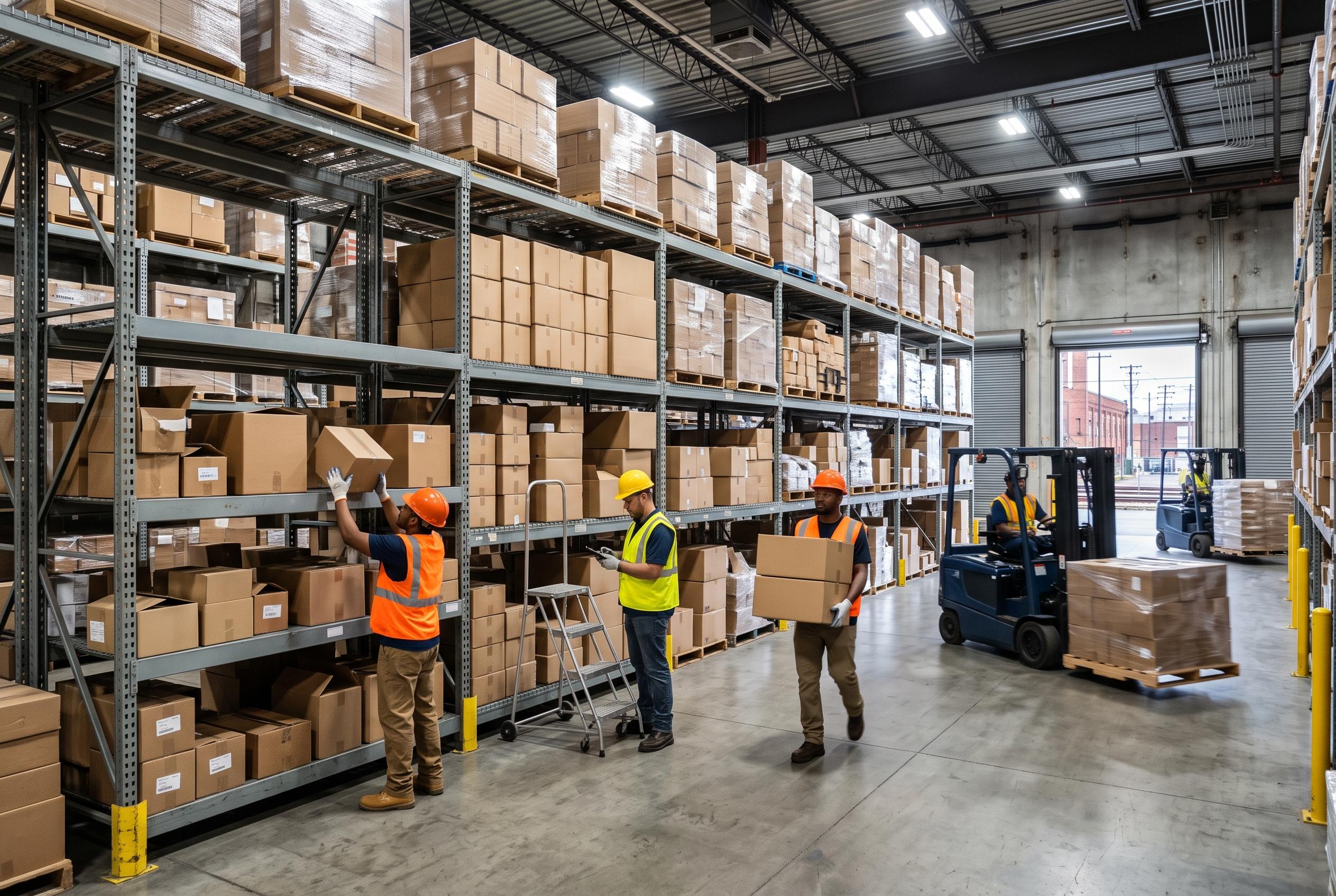
Supply chain visibility can show a disruption in crisp detail, but it can't keep orders moving on its own. For manufacturers, retailers, and logistics teams, true resilience means having qualified suppliers, usable routes, spare capacity, and clear authority ready before trouble hits. The difference is practical: seeing the problem is useful, but acting quickly is what protects customers.
Visibility Spots the Fire, but Resilience Finds Another Door
A supply chain dashboard may flash red when a factory shuts, a port backs up, or a carrier loses capacity. That warning is valuable, but it doesn't automatically create a new source of supply or free up a replacement truck. As industry commentary has increasingly stressed, visibility describes what has changed, while resilience reflects what the organization can do next.
That distinction matters because disruptions rarely wait for a convenient meeting. A planning team may know that a supplier is offline and still face days of internal debate before anyone can approve a substitute. Meanwhile, customers are waiting, inventory is thinning, and the cost of a rushed response is climbing. Research and industry analysis on visibility platforms similarly points to the growing importance of turning information into coordinated action.
Backup Options Must Exist Before the Crisis
The most useful alternatives are rarely improvised. A second supplier may need audits and quality approval. A replacement material might require engineering changes, while an alternate transport lane can depend on contracts, customs knowledge, and confirmed capacity. Even a larger inventory buffer involves decisions about cash, storage, shelf life, and service targets.
That makes resilience a design choice rather than a last-minute emergency exercise. Supply chain teams need to map which products, sites, and customers are most exposed, then decide where redundancy is worth paying for. A quiet second source or modest reserve can look expensive during calm periods, but it can seem remarkably cheap when the primary network fails.
The Fastest Response Starts With Clear Authority
A backup plan loses much of its value if every step requires senior approval. Teams should establish thresholds in advance for actions such as reallocating stock, booking premium freight, changing suppliers, prioritizing key customers, or temporarily switching processes. That doesn't mean removing oversight. It means deciding the rules before the pressure arrives.
Recent discussion of resilience has increasingly focused on the first hours of a disruption, when uncertainty is high and delay can multiply. A control tower may identify several possible responses, but people still need permission to choose one. Clear decision rights turn a list of possibilities into an operating capability.
Technology Helps Teams Compare Real Choices
Modern visibility tools can bring together supplier updates, inventory positions, transport data, facility status, and risk alerts. Used well, that information gives planners a clearer view of which alternatives are available, how quickly they can be activated, and what each one may cost. Control-tower systems are particularly useful when they connect monitoring with workflows and escalation.
Still, software isn't a magic backup generator. It can't qualify a supplier, guarantee a carrier's capacity, or approve a material change by itself. The strongest architecture links sensing, planning, approvals, and execution, so a disruption signal leads to a short, credible menu of actions rather than another dashboard for people to admire.
Test the Plan Before Customers Test It
A plan that has never been exercised can hide surprisingly ordinary problems. Phone numbers change, contracts expire, alternate sites become unavailable, and assumptions about inventory or transport capacity quietly go stale. A tabletop scenario or recovery drill can reveal these weaknesses while the business still has time to fix them.
The best exercises aren't elaborate theatre. They can start with a straightforward question: if the main supplier stopped shipping tomorrow, which product would be protected first, who would decide, and what would happen within the next four hours? Repeating that test across suppliers, routes, facilities, and critical products gives resilience a measurable foundation.
For customers, the payoff is mostly invisible, which is exactly the point. Orders arrive, shelves stay stocked, and a disruption becomes a managed inconvenience instead of a public failure. For supply chain leaders, the next step is clear: invest not just in better warning systems, but in alternatives that remain usable when the network gets messy.
It's not enough to see the disruption; resilient companies are ready to move around it.
Disclaimer: This article may have been created with AI assistance and reviewed by our editorial team. It is provided for general informational purposes only. Readers should verify information independently before relying on this content.
