
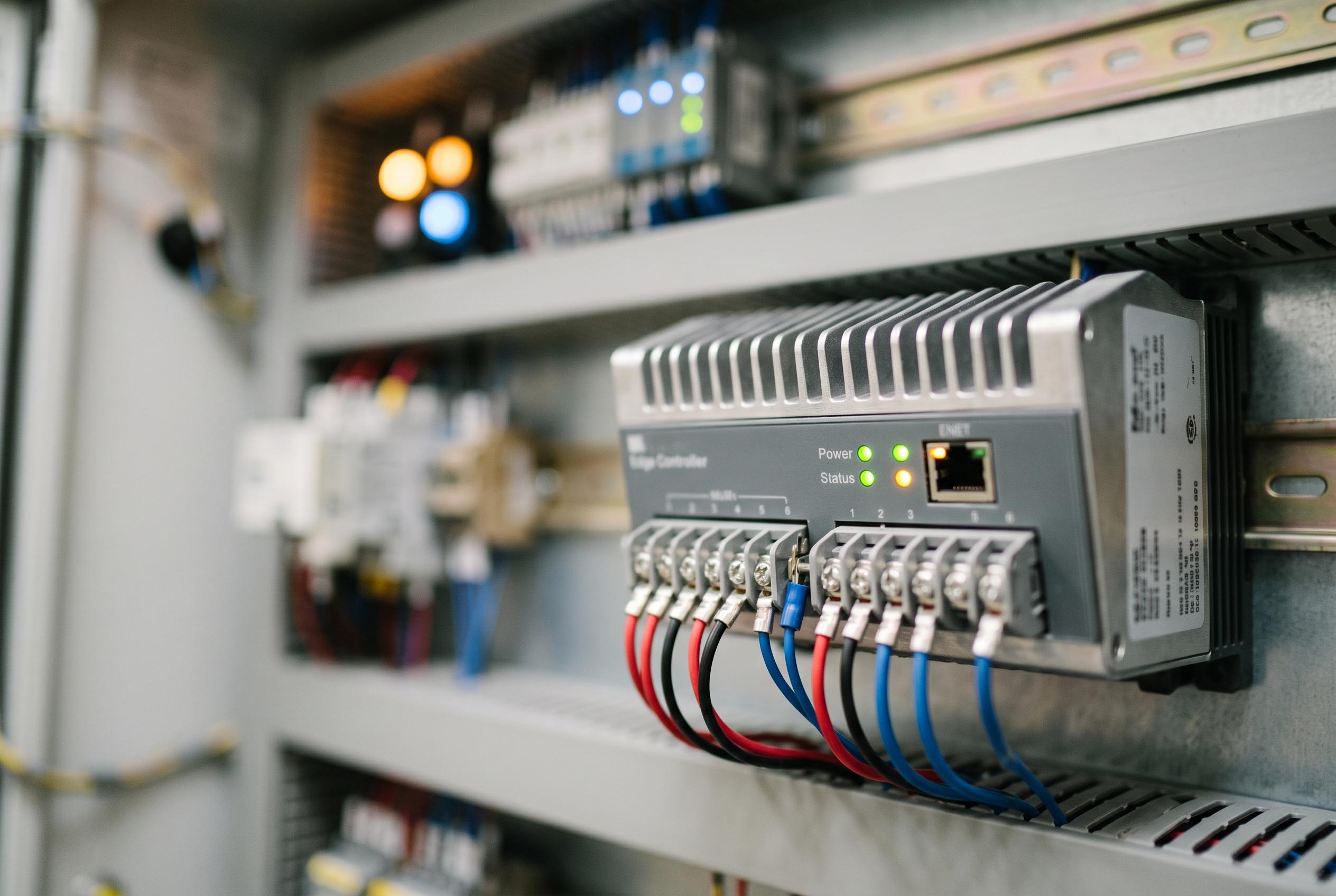
Manufacturers are moving beyond basic interoperability toward open industrial automation platforms that let different software applications run on the same control or edge hardware. That shift could reduce vendor lock-in, simplify integration, and give engineering teams more choice, but it also raises practical questions about cybersecurity, support, and who fixes the system when something goes wrong.
Essential Takeaways
- - Open means more than connected: Modern openness increasingly includes running third-party applications on control and edge devices.
- - Standards help systems talk: OPC UA and MQTT support data exchange, while application freedom goes a step further.
- - Security still matters: Signed software, network segmentation, access controls, and vulnerability management are essential.
- - Support needs clarity: Buyers should understand which modifications remain covered by the supplier.
- - The payoff is flexibility: Teams can combine software from different vendors instead of accepting one fixed stack.
Industrial automation is entering its application-freedom era
The biggest change in open industrial automation isn't simply that machines can exchange data. That milestone is already familiar. The more interesting question is whether a controller or edge computer can run useful software from several suppliers at once.
Imagine one device hosting a PLC runtime, a data-logging tool, and an HMI application, with each program sharing information through a common protocol. That arrangement could cut down on custom drivers and make it easier to select the right tool for each task. The result feels less like buying a sealed appliance and more like building a flexible computing platform.
According to Automation World, this newer interpretation of openness is often described as a second phase of open automation. The first focused on interoperability between systems, while the newer model focuses on the buyer's freedom to choose and move applications. Related projects such as OpenWebHMI show how open software can support alternative approaches to industrial interfaces, although deployment still requires careful technical review.
Open standards laid the groundwork
Industrial teams have spent years trying to make equipment from different manufacturers communicate without expensive custom work. Protocols such as OPC UA and MQTT helped create a shared language for exchanging data across machines, controllers, supervisory systems, and cloud services.
That foundation remains important, but communication alone doesn't guarantee freedom. A device may exchange data with another platform while still restricting which software can run locally. The distinction matters because integration can be technically possible yet commercially narrow.
OPC documentation and industry guidance commonly present the protocol as a way to connect industrial data sources and applications across diverse environments. Factory I/O's driver documentation also illustrates how software platforms may support multiple automation technologies, but compatibility at the driver level isn't the same as a genuinely open runtime environment.
What buyers gain from a more open platform
The most obvious benefit is choice. An engineering team may prefer one company's control runtime, another supplier's visualisation software, and a specialist analytics package. If those applications can share data on common hardware, the buyer has more room to optimise rather than accept an all-in-one bundle.
There could be financial benefits, too. Less bespoke integration may mean fewer engineering hours, while easier application portability can reduce the cost of replacing a single component. Open software projects often make that flexibility visible, although organisations still need to assess licensing, maintenance, documentation, and long-term reliability before using them in production.
The practical test is straightforward: ask whether the application can move to another supported device without a complete redesign. If the answer is no, the platform may be connected, but it isn't especially open from the buyer's perspective. That's a useful distinction when comparing open industrial automation systems.
Openness and cybersecurity must work together
Opening a control device to more applications naturally increases the number of things that must be managed. More software can mean more dependencies, more update paths, and a larger attack surface. That doesn't make openness unsafe by definition, but it does make governance non-negotiable.
A responsible platform should support signed software, role-based permissions, segmented networks, and a clear process for handling vulnerabilities. Security frameworks and open technology guidance frequently stress that flexibility works best when access and integrity controls remain in place. In other words, openness shouldn't mean allowing any unknown program to stroll into the controller.
Buyers should ask practical questions before signing a contract. Can the platform verify software signatures? How are patches tested? Can administrators restrict applications by role? Is there a documented response process when a vulnerability appears? These questions may sound less exciting than a feature list, but they tell you far more about the system's real-world maturity.
The support question could make or break adoption
There is one uncomfortable issue that tends to appear after the sales presentation: who owns the problem when a customised open system fails during a night shift? A supplier may support its own runtime but decline responsibility for a third-party application, a modified operating system, or an unusual configuration.
That doesn't make an open platform a bad choice. It simply means the support boundary needs to be written down. Buyers should look for clear language covering approved applications, customer modifications, recovery procedures, backup images, and the steps required to return a device to a supported state.
Open-source and open-access projects can offer valuable transparency, but they don't automatically provide the service agreement, testing discipline, or emergency response that a factory may need. The smartest procurement approach is to treat openness as a managed capability, not a slogan. A sleek architecture diagram is helpful, but a reliable recovery plan is what people remember at 2 a.m.
A useful checklist for comparing open automation platforms
Start by asking what the supplier means by open. Does it refer only to protocols, or can approved third-party software run on the hardware itself? Next, check whether applications can be moved between supported devices, and whether data exchange relies on recognised standards rather than proprietary connectors.
Then examine the less glamorous details. Review software-signing requirements, identity management, network architecture, update procedures, licensing, and backup options. Ask for a support matrix that explains exactly which configurations the supplier will troubleshoot.
Finally, consider the people who will operate the system. A flexible platform can reduce lock-in, but it may also require stronger in-house skills. For some factories, that tradeoff will be worthwhile. For others, a tightly integrated system with simpler support may still be the better fit.
The future of industrial automation is likely to be neither completely closed nor completely unrestricted. It will be governed openness: enough freedom to choose the best applications, with enough control to keep production secure and supportable.
Choose platforms that make both sides of that bargain clear.
Disclaimer: This article may have been created with AI assistance and reviewed by our editorial team. It is provided for general informational purposes only. Readers should verify information independently before relying on this content.
