




Image from iStock
The global automotive accessories market continues to demonstrate exceptional resilience and growth, with the interior accessories segment leading much of that expansion. Rising vehicle ownership rates, increased commuting time in urban centers, growing road safety awareness, and a consumer culture that increasingly treats the car interior as an extension of the home and workplace have all converged to create powerful, sustained demand across multiple product categories.
Dash cams
Dash cams are among the largest subsegments in the automotive accessories market. What began as a niche security product has matured into a mainstream global category with broad consumer and commercial adoption. Insurance companies, ride-share operators, logistics businesses, car rental agencies, taxi fleets and private consumers are all active buyers, creating a purchasing ecosystem that spans multiple commercial channels simultaneously.
The core technical specifications that define quality tiers in the dash cam market center on several key factors. Resolution is the most immediately visible differentiator: Full HD 1080p recording has become the de facto baseline for any product positioned above the entry level, while 2K (1440p) and 4K units command premium pricing and are increasingly demanded by buyers who need reliable license plate legibility and incident documentation. Night vision performance is equally critical.
Wide dynamic range (WDR) and HDR technology matter significantly in real-world driving conditions, where the camera frequently transitions between bright highway sunlight and shadowed tunnels or parking structures. G-sensor impact detection, loop recording that automatically overwrites old footage and parking mode functionality that activates on motion or vibration are now standard expectations at the mid-tier and above. For fleet-oriented buyers, GPS integration that records speed, location and route data alongside video footage is a near-essential feature, as this data is increasingly used in insurance claims, driver behavior monitoring and liability disputes.
Connectivity has also become a major differentiator. Wi-Fi connectivity enabling wireless video transfer and live preview via smartphone app has moved from premium to standard. 4G-connected dash cams with cloud upload capabilities represent the cutting edge of fleet management technology for logistics or ride-share operators who need real-time visibility into their vehicles. These connected products carry higher complexity and cost.
Private label and OEM manufacturing opportunities are abundant and accessible in this segment. Many established manufacturers offer white-label dash cam production, with custom branding, packaging design and firmware available. For midsized distributors looking to build proprietary product lines with defensible brand identity, dash cams are one of the most practical categories in which to make that investment.
Essential certifications for market access include CE marking for European distribution, FCC certification for the US, IC certification for Canada and RoHS compliance across all major markets. For products with Wi-Fi functionality, additional wireless certifications apply.
Rear cameras
Rear cameras occupy a strategically interesting position in the automotive accessories market because they exist at the intersection of regulatory mandates, aftermarket consumer upgrades and commercial vehicle safety requirements. In the US, federal regulations have required factory-installed rear cameras on all new passenger vehicles since 2018. In many other markets, no such mandate exists, meaning the aftermarket remains entirely open.
The most robust B2B opportunities in rear cameras today are concentrated in three distinct segments. The first is older vehicle fleets or the passenger vehicles on the road worldwide that predate factory camera installation. The second is the commercial vehicle sector where neither factory installation nor regulatory mandates have kept pace with safety needs. The third is the premium upgrade market, where vehicle owners want to replace basic factory-installed cameras with higher-resolution, wider-angle or feature-rich aftermarket alternatives.
Weatherproofing is paramount – an IP67 or IP68 waterproof rating is the minimum acceptable standard for any camera that will be exposed to outdoor conditions. Viewing angle is another critical specification: 120 to 170 degrees is the typical range, with wider angles preferred for large commercial vehicles where blind spots are a genuine safety hazard. Reverse trigger compatibility is a universal requirement for any aftermarket installation.
Night vision capability, typically achieved through infrared LEDs surrounding the camera lens, is non-negotiable for vehicles operating in low-light commercial environments. Color night vision is available in premium tiers and is a meaningful upsell feature for buyers targeting safety-conscious commercial operators.
Wired systems remain the gold standard for commercial vehicles due to their reliability, absence of signal interference and compatibility with complex multicamera setups. Wireless systems have found a strong niche in the consumer passenger vehicle market due to the ease of DIY installation. Carrying both variants significantly broadens addressable market without requiring fundamentally different supply chains, as many manufacturers produce both configurations.
Car camera systems
Car camera systems represent the premium tier and one of the fastest-growing segments within the automotive camera market. A full system addresses the comprehensive safety and documentation needs of vehicles where blind spots, side-impact liability and passenger monitoring are genuine operational concerns.
The most common configurations include dual-channel systems (front plus interior or front plus rear), three-channel systems (front, interior and rear) and four-channel or 360-degree systems that cover all angles of the vehicle simultaneously. The 360-degree bird's-eye view system, which stitches together feeds from four wide-angle cameras into a composite overhead image, is particularly compelling for commercial vehicles, fleet operators and premium passenger vehicle retrofits, as it virtually eliminates blind spots during low-speed maneuvering.
The most compelling products in the commercial fleet management category integrate with fleet management software platforms, transmit data via 4G to cloud dashboards, enable real-time alerts for harsh braking or speeding events, and support remote video retrieval without requiring physical access to the vehicle.
Recorder unit quality is as important. The digital video recorder (DVR) or network video recorder (NVR) at the heart of the system determines recording capacity, compression efficiency, simultaneous channel processing speed and overall system reliability. H.265 video compression, which reduces file sizes by approximately 50 percent without sacrificing image quality, has become the expected standard for professional fleet applications, as it dramatically reduces storage requirements and bandwidth consumption for cloud-connected systems.
Multichannel camera systems require a higher level of technical sophistication than single-unit dash cams, which means the supplier base is somewhat more consolidated. Established manufacturers with dedicated R&D teams, in-house firmware development capability and verifiable commercial fleet references are the appropriate partners for buyers targeting this segment.
Power management and vehicle electrical compatibility are important considerations as well. Multicamera systems draw more current than single-unit cameras, and systems must be designed to operate reliably across the voltage variations typical of commercial vehicle electrical systems, particularly for diesel trucks where voltage spikes are common.
Car seats
Car seats are the highest-value product category in this guide and simultaneously the one that demands the most rigorous supplier due diligence. The category encompasses child safety seats and premium adult aftermarket seats.
Child safety seats are among the most regulated consumer products in the world. Every major market has its own mandatory safety standards, and compliance documentation must be current, market-specific and independently verified.
The adult aftermarket seat segment serves performance and racing enthusiasts looking for bucket seat upgrades, commuters and long-distance drivers seeking ergonomic improvement over factory seating, and vehicle owners pursuing a premium cabin aesthetic upgrade.
Quality differentiation in adult aftermarket seats is driven by materials and construction. Foam density and grade determine the long-term support and comfort performance of the seat. Surface material determines both the premium positioning of the product and its durability under UV exposure, heat and moisture. Stitching and pattern design are visible quality indicators, while frame construction materials and weight rating are important for both safety and performance positioning.
Installation compatibility is a practical consideration. Seats with universal mounting brackets compatible with standard OEM seat rail configurations are far easier for retailers and consumers to install and support, whereas manufacturer-specific brackets require custom fitment guides.
Car seat massagers
The commercial success of car seat massagers is driven as much by the broader consumer wellness trend as by any specifically automotive dynamic. People are spending more time in their vehicles than ever before, commuting distances have increased in many markets and the cultural shift toward treating personal health and comfort as worthy of investment has created a ready audience for products that bring therapeutic benefit.
The product category spans a wide price and feature spectrum. At the entry level, simple vibration cushions using basic motor technology appeal to price-sensitive buyers looking for a basic comfort upgrade. At the mid-tier, full-back or lumbar-focused shiatsu massage systems with rotating nodes, heat therapy and multiple program modes represent the strongest commercial opportunity for most B2B buyers. At the premium tier, multizone systems with body-scanning technology, app connectivity and zero-gravity positioning appeal to corporate gifting buyers, premium accessory retailers and health-conscious consumers with higher discretionary spending.
The technical specifications include massage node count, coverage area and rotation quality. A poorly calibrated node that delivers inconsistent pressure or creates an audible grinding sensation under load is an immediate return trigger. Heat therapy is a high-value feature but also a liability consideration as heating elements should operate within the 35 to 45 C therapeutic range without exceeding safe skin contact temperatures, and electrical safety certification is mandatory for any heated product. Motor noise level is a subjective but commercially important quality indicator: a massager that makes the cabin feel like a construction site undermines the relaxation proposition entirely.
Power management compatibility deserves attention. The vast majority of car seat massagers draw power via the standard 12VDC cigarette lighter adapter, and current draw must be within the fuse rating of the vehicle's accessory circuit. Products with dual-zone heating and multiple massage motors can draw enough current to trip circuit breakers in some vehicles if not properly engineered.
Car seat towel covers
Car seat towel covers encompass a wide range of materials, constructions and use cases. Standard cotton terry and microfiber seat covers are popular in coastal markets, outdoor recreation retail, fitness-oriented channels and anywhere consumers regularly transition between active outdoor activities and their vehicles. Bamboo fiber covers have grown meaningfully as eco-conscious purchasing behavior has expanded. Premium quilted designs with padded cores, integrated headrest sections and anti-slip silicone backing represent the high-margin end of the category and are well suited to automotive specialty retail and corporate gifting.
GSM (grams per square meter) rating is the primary determinant of material quality and durability – a higher GSM indicates a denser, heavier, more absorbent fabric that lasts longer and feels more premium. Anti-slip backing performance is a safety and satisfaction issue: a cover that migrates forward on the seat during normal driving is at best annoying and at worst creates a distraction hazard. Fit versatility avoids complaints as the design accommodates both bucket and standard bench seats, as well as seats with integrated armrests or side airbags.
Washing durability is another quality consideration. Car seat towel covers are used in messy conditions, requiring frequent washing. A cover should not shrink significantly, loses its anti-slip backing adhesion or fades noticeably after five or ten wash cycles.
The commercial buyer landscape for car seat towel covers extends to pet supply retailers and outdoor recreation stores.
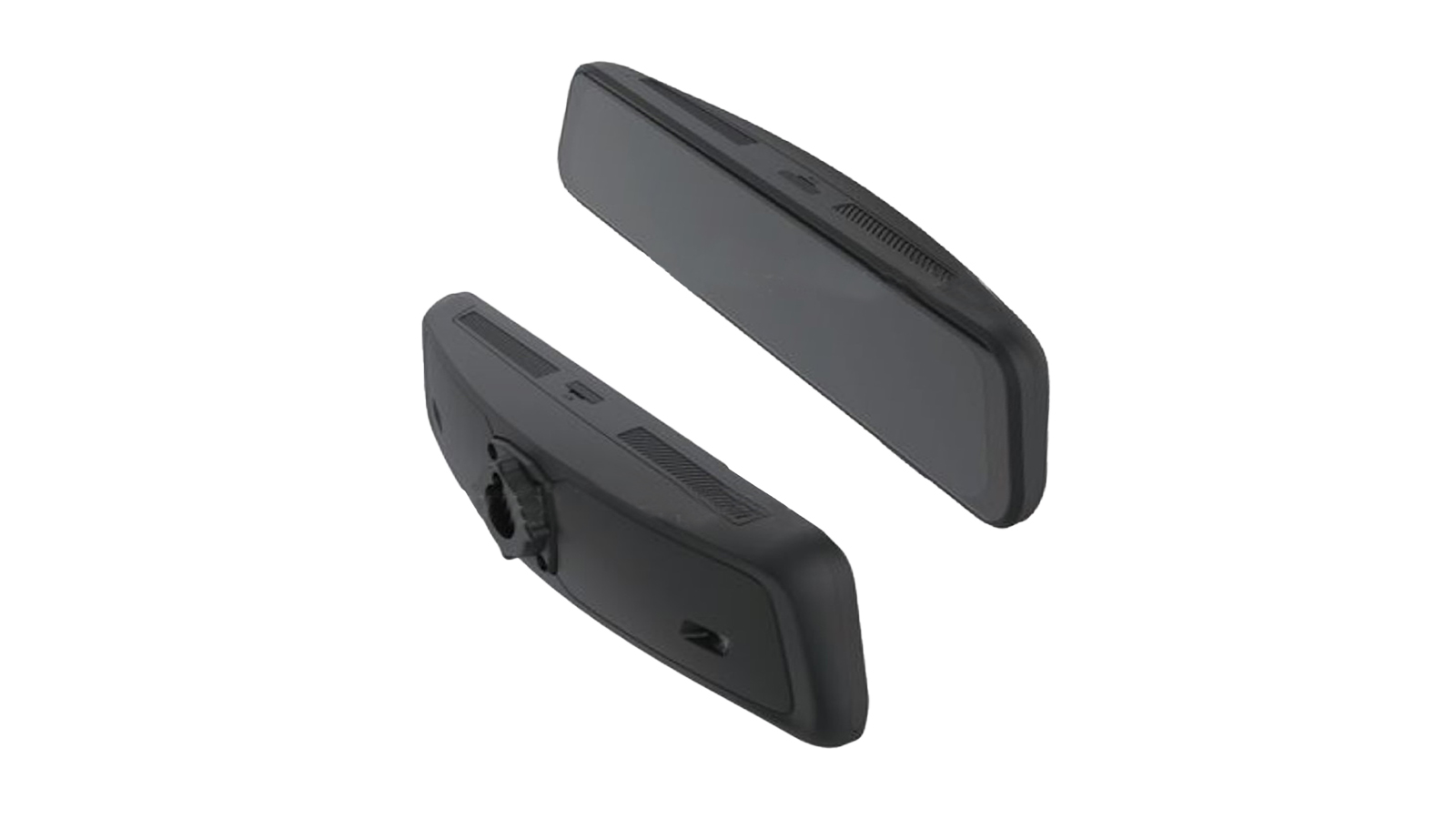
Streaming media rearview mirror assembly
Company: Chongqing Kankan Intelligent Technology Co. Ltd
Chongqing Kankan’s streaming media rearview mirror assembly, with model number 14149118-00, features a front-facing camera and a 9.66-inch display. It includes a rear camera, power and extension cables and a 32GB microSD memory card. Both front and rear cameras have a resolution of 1920x480 pixels. This system has 130-degree field of view and audio recording function and supports up to 128GB storage. The operating voltage range is 9 to 16V, rated voltage 12V, rated current 250mA in low-light conditions and 500mA in bright-light environments and operating temperature -30 to 75 C. The MOQ and the lead time are available on direct inquiry.
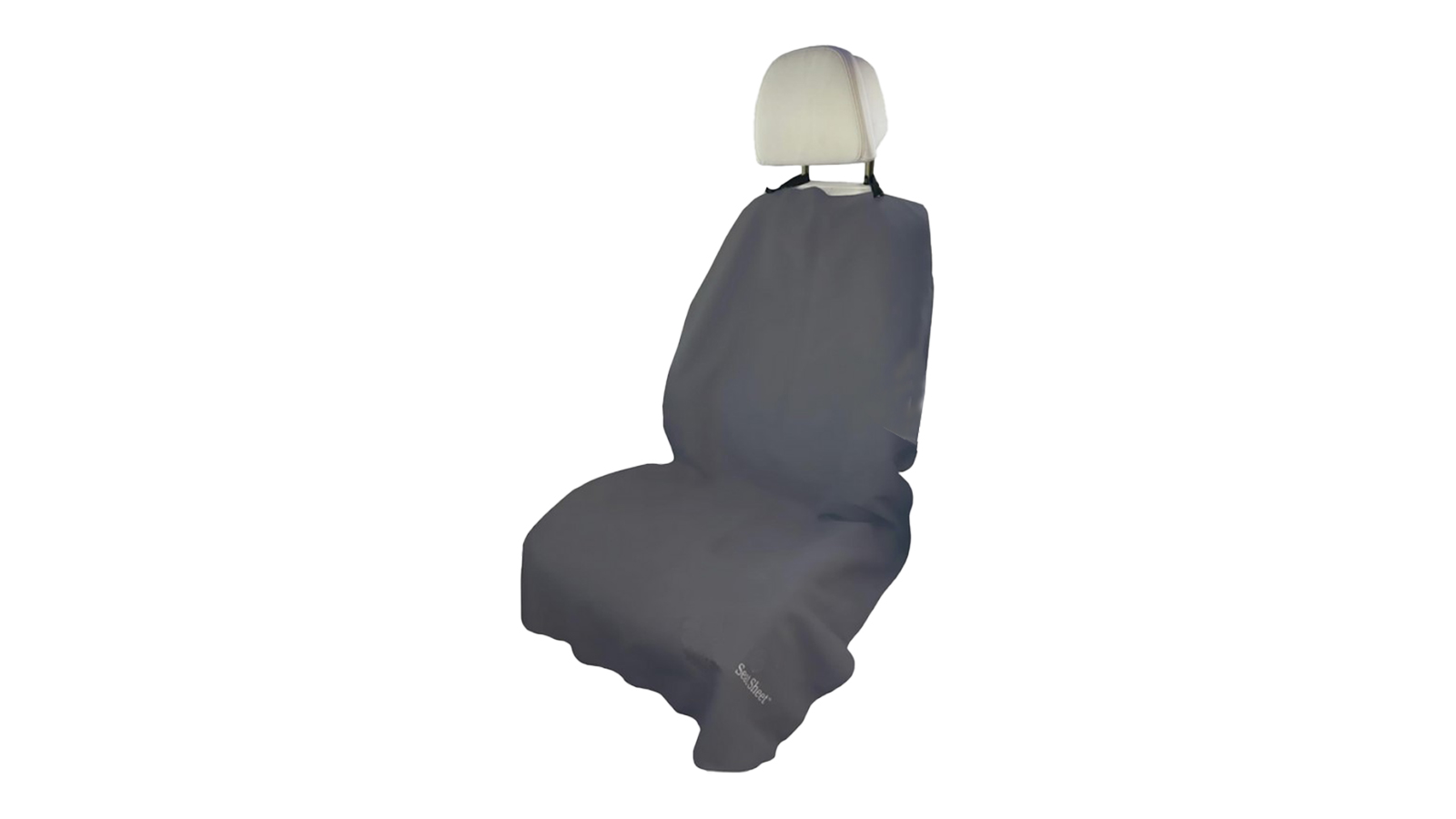
Seat towel cover
Company: Ningbo Baifuning Textiles Co. Ltd
Ningbo Baifuning offers the BSCT1001, a vehicle seat cover cum towel designed to block heavy sweat, accidental spills and pet messes. This product made of quick-dry microfiber can be easily thrown over the seat, secured around the headrest poles and folded into the bundled storage pouch behind the seat when not in use. It can also be used on pool lounge chairs or as-is on the beach.
Lead time: 30 to 45 days
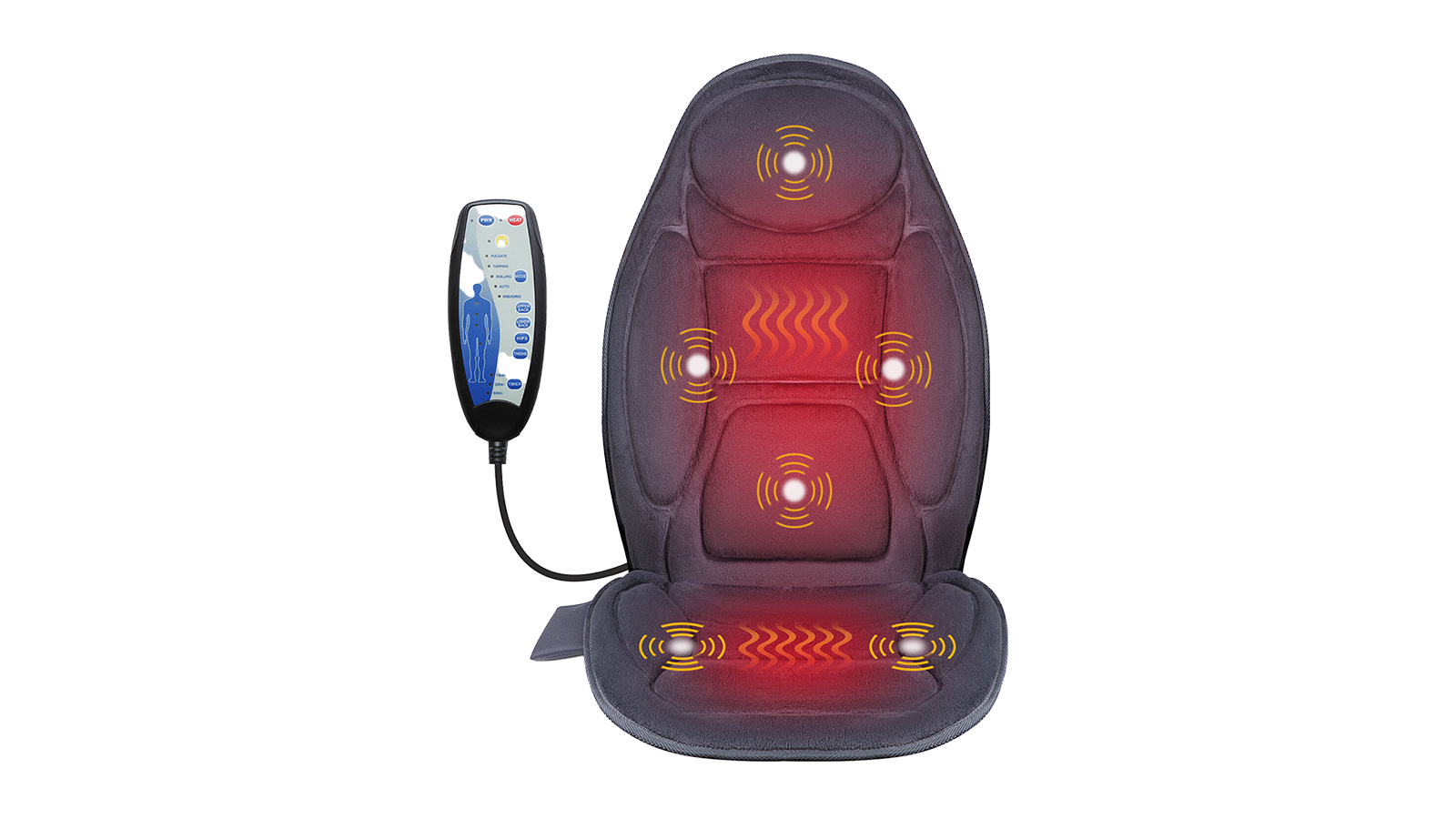
Car seat massager
Company: Quanzhou Princen Health Tech Co. Ltd
The PRSM-1604-A02 from Quanzhou Princen is a car seat heat and vibration massager that can also be used in offices and homes. It has a flame-retardant foam padding, polyester cover and a nonslip silicone bottom. There are five selectable modes such as pulsating, tapping, rolling, kneading and auto, that can be set to 15, 30 or 60 minutes. This product includes a remote control and a storage pouch. Warranty is for 12 months.
Lead time: 20 to 35 days
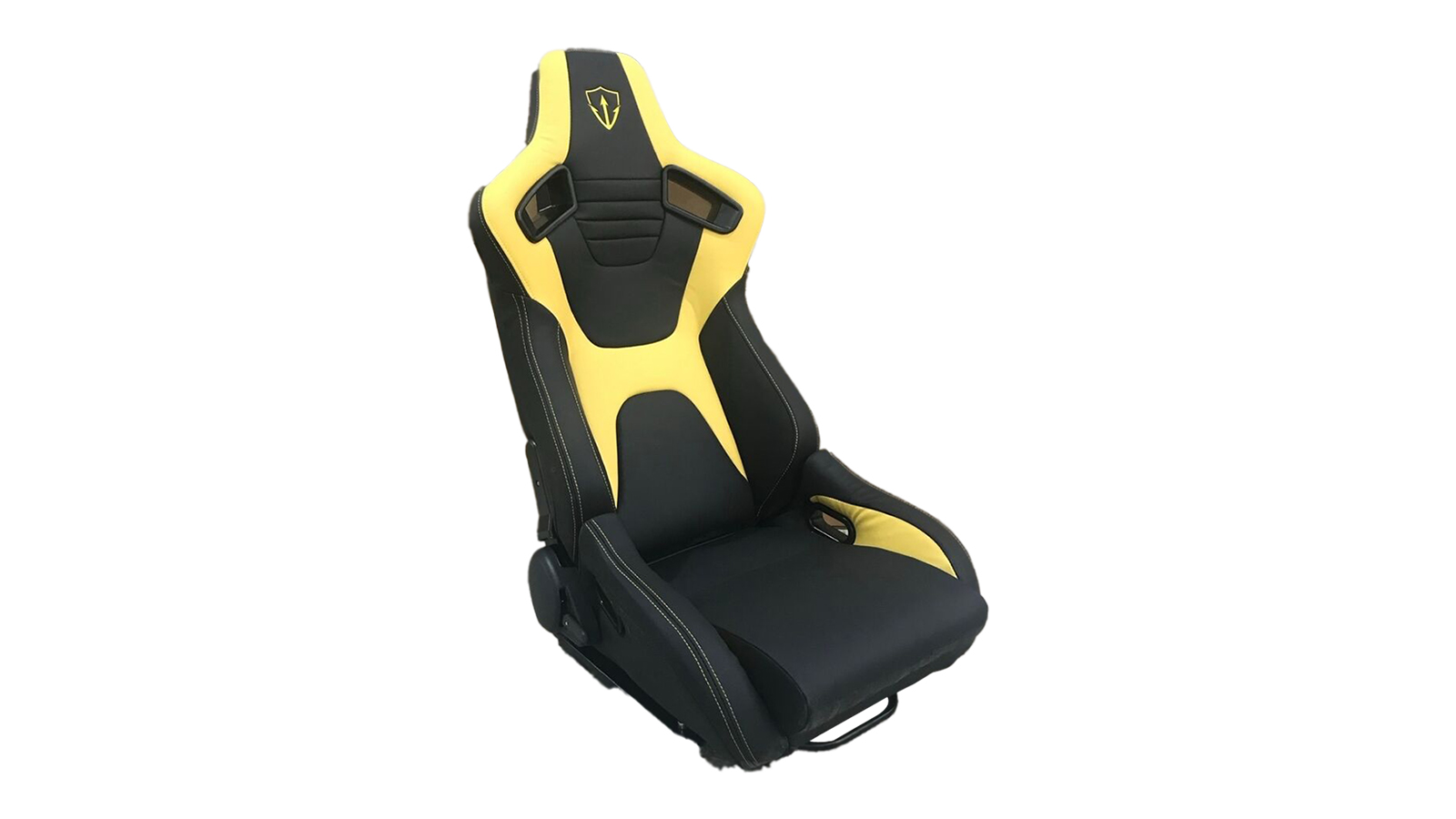
Racing-style car seat
Company: Ruian Jiabeir Auto Parts Co. Ltd
Ruian Jiabeir markets this custom car seat, with model number 1095, made of oxidation-resistant carbon fiber and eco-leather. This racing-style product is compatible with many car models and can be modified according to requirements. It is CE-marked. The MOQ is provided on direct inquiry.
Lead time: 25 to 30 days

