




Shein began as a small e-commerce platform in China in 2008, initially focused on women’s fashion. Over time, the company expanded its product offerings to include men’s and children’s apparel, accessories, and home goods.
Headquartered in Guangzhou, China, Shein has since developed into a global fashion e-commerce company, with operations in over 100 countries and regions. It has established operational centers in key cities worldwide to support its international logistics and supply chain needs.
This article examines the business strategies, operational processes, and supply chain practices that contributed to Shein’s rapid global expansion. Through a closer analysis of its sourcing model, inventory management, and use of digital tools, the article aims to provide sourcing professionals and buyers with a clearer understanding of how Shein operates in the fast-moving fashion e-commerce sector.
Table of Contents
Shein’s marketing strategy: An overview
Shein’s product range and supply chain operations
Key factors behind Shein's fast fashion model

Where is Shein located?
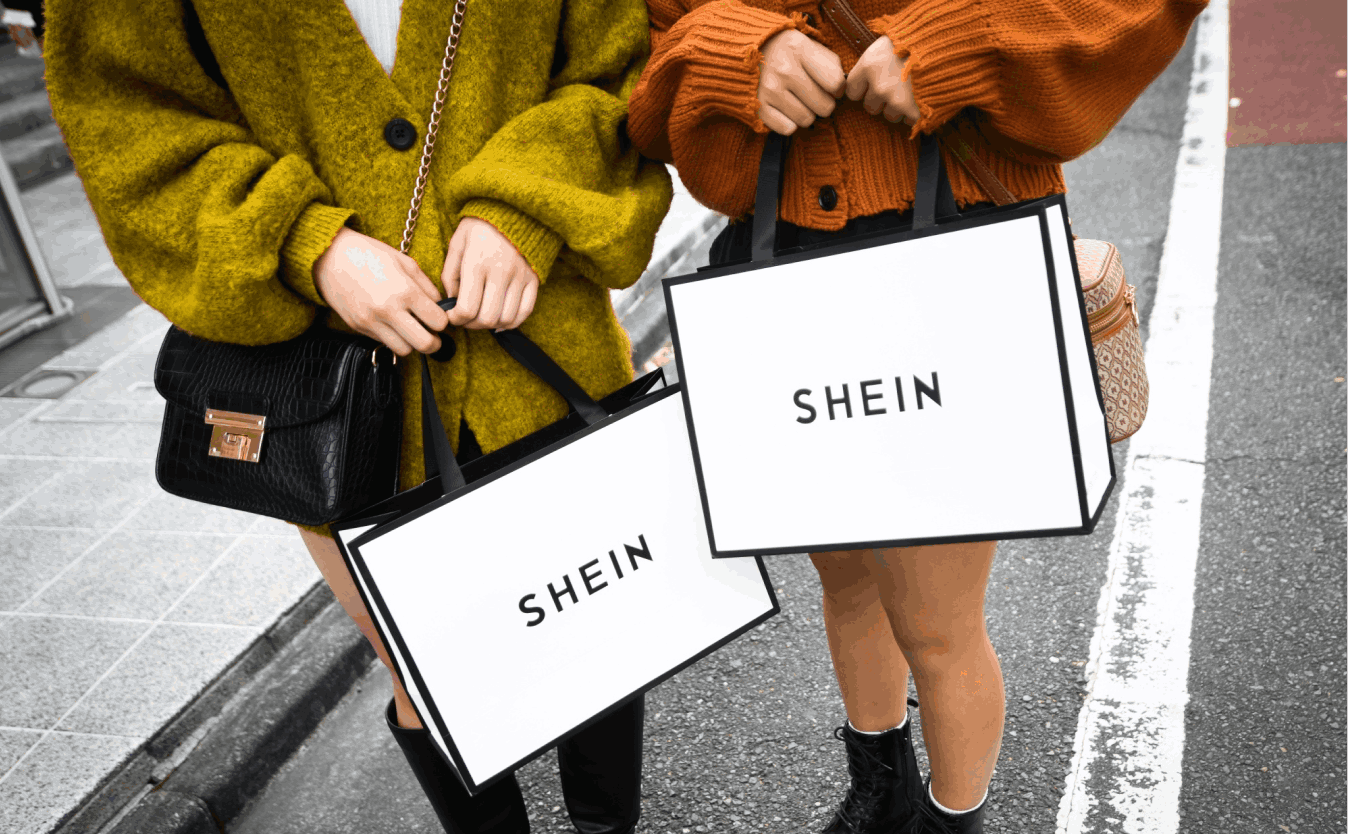
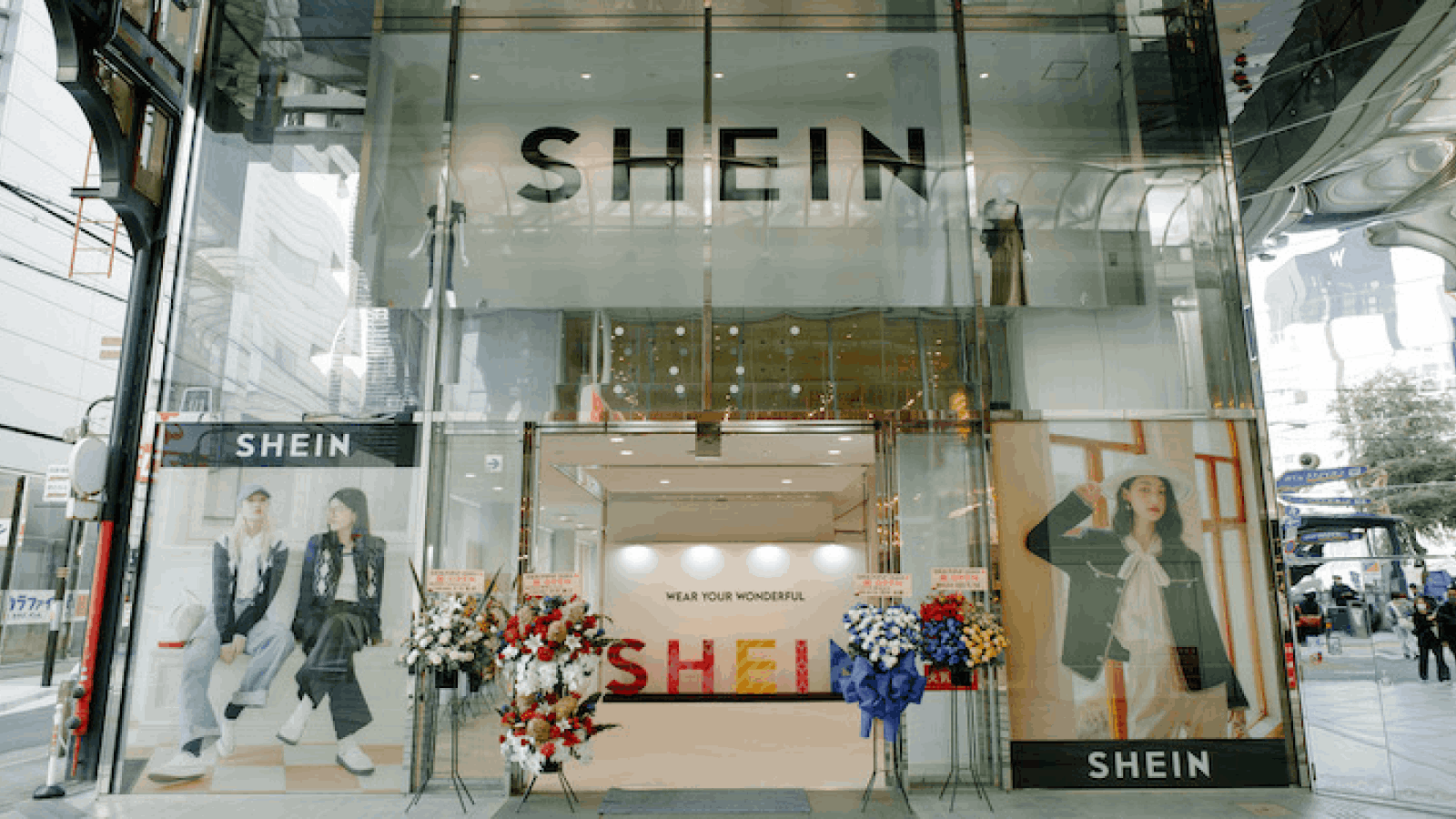
Shein is a global online fast fashion retailer headquartered in China. Although it was originally founded in China, Shein quickly expanded to global markets and became an international brand. It sells products through online platforms, covering many countries and regions including the United States, Europe, Australia, and the Middle East. Shein has no physical stores and all of its products are sold through its website and app, allowing it to serve consumers around the world. In addition, Shein has multiple logistics centers around the world to support its fast delivery services.
Shein’s marketing strategy: An overview
1. Social media and influencer marketing
Shein actively uses platforms such as Instagram, TikTok, and YouTube to reach its target audience, primarily through partnerships with fashion influencers and content creators. These collaborations often involve product sponsorships, style showcases, and unboxing videos. The goal is to build visibility and consumer trust by leveraging influencers' established audiences and credibility.
2. Data-driven personalization
A key element of Shein’s marketing operations is the integration of data analytics. By collecting and analyzing user behavior data – including browsing history, purchase patterns, and engagement metrics – Shein tailors product recommendations and promotional content to individual users. This targeted approach contributes to higher conversion rates and improved customer retention.
3. Diversified marketing channels
Beyond social platforms, Shein utilizes additional digital marketing channels such as email campaigns, search engine optimization (SEO), and content marketing. This broad channel mix allows Shein to maintain consistent engagement with users across various online touchpoints and helps attract new customers through organic and paid search strategies. This marketing model supports Shein’s rapid response to shifting consumer preferences and enables the company to align its product offerings with current trends efficiently. For sourcing professionals, understanding this strategy highlights the importance of digital agility and customer data utilization in fast-paced retail environments.

Shein’s pricing strategy
1. Competitive pricing through supply chain efficiency
Shein leverages an integrated supply chain and large-scale procurement to control production costs. The company primarily operates on a direct-to-consumer (DTC) model, which minimizes intermediary costs such as wholesale markups or distributor fees. This structure enables Shein to offer trend-driven products at prices lower than those typically seen in traditional retail channels.
2. Dynamic pricing based on market conditions
In addition to baseline competitive pricing, Shein uses a dynamic pricing model. Product prices are adjusted in real time or periodically based on factors such as demand fluctuations, inventory levels, and promotional activity. This approach allows the company to optimize sales performance while managing stock turnover and minimizing excess inventory. Together, these strategies support Shein’s ability to maintain a strong position in the global fast fashion market. For sourcing professionals, Shein’s model highlights the role of responsive pricing mechanisms and cost-efficient supply chains in sustaining competitive advantage within high-volume, trend-driven sectors.
Shein’s product range and supply chain operations
1. Product diversity
Shein offers a wide product range that includes women's, men's, and children's apparel, as well as accessories, footwear, bags, and beauty items. The company focuses on trend-driven, affordable fashion targeted at a global audience. Its in-house design team closely monitors fashion trends across international markets, enabling the rapid development of new styles aligned with current consumer preferences.
2. Real-time fashion supply chain
A defining feature of Shein’s operations is its “real-time fashion” supply chain model. This approach emphasizes speed and flexibility, allowing the company to reduce lead times from concept to market. New designs can be produced and listed online in as little as a few days, which is significantly faster than traditional retail cycles.
3. Design-to-production workflow
Shein maintains an internal design team that regularly develops new styles based on real-time trend analysis. The company collaborates with a large network of third-party suppliers and contract manufacturers, primarily based in China, to carry out small-batch production runs. Products that show strong sales potential are then scaled up for larger production, helping to minimize inventory risk while meeting consumer demand efficiently.

4. Flexible manufacturing network
Shein maintains close partnerships with a network of manufacturers, primarily based in China, with additional production capabilities in other regions. This decentralized and flexible production model enables the company to scale manufacturing volumes up or down in response to real-time demand data. By operating on a small-batch, test-and-repeat model, Shein is able to reduce excess inventory and increase responsiveness to market shifts. The model supports shorter lead times and allows for faster trend adoption.
5. Streamlined logistics and distribution
To support global fulfillment, Shein has developed a logistics system that integrates warehousing, inventory management, and international shipping. The company collaborates with multiple third-party logistics (3PL) providers to optimize last-mile delivery and reduce shipping times to key markets. Products are typically shipped directly from manufacturing hubs to consumers via centralized distribution centers, minimizing handling and lowering delivery costs. This infrastructure supports Shein’s ability to serve customers in over 100 countries efficiently.
Challenges and responses
Despite the operational strengths of Shein’s supply chain model, the company faces ongoing challenges related to sustainability, ethical sourcing, and supply chain transparency. These concerns are particularly relevant given the fast fashion industry’s impact on labor standards and the environment.
In response, Shein has initiated steps to improve supplier oversight and compliance. The company has implemented measures aimed at strengthening supplier audits and monitoring systems to ensure alignment with environmental regulations and social responsibility standards. These efforts include setting baseline expectations for labor practices, workplace safety, and environmental performance across its supply base.
While these measures are still evolving, they represent an acknowledgment of the growing importance of responsible sourcing practices in global operations.
In summary, Shein’s ability to offer product variety and maintain a highly responsive supply chain has played a central role in its growth. However, the company continues to address operational challenges by investing in supply chain oversight and sustainability initiatives to align with broader industry expectations and regulatory developments.
Key factors behind Shein's fast fashion model
Shein’s growth in the global fast fashion market is largely attributed to its distinct business model and the integration of data, supply chain agility, and cost management. The following operational strategies have contributed significantly to its market position:
1. High-frequency product releases
Shein introduces hundreds to thousands of new SKUs daily. This high turnover rate caters to consumers seeking variety and trend-driven styles. The continuous stream of new products keeps the platform updated and encourages frequent engagement and repeat purchases.
2. Accelerated time to market
A key competitive advantage is Shein’s ability to shorten the product lifecycle—from concept to launch—through a tightly integrated supply chain. This responsiveness enables the company to align product offerings with emerging fashion trends in near real-time, enhancing its adaptability and market relevance.
3. Cost-efficient pricing strategy
By streamlining production processes, engaging in bulk raw material procurement, and maintaining a direct-to-consumer model, Shein minimizes production and distribution costs. This allows the company to offer products at lower price points, appealing to value-conscious consumers without significantly compromising on trend alignment.
4. Flexible production capacity
Shein collaborates with a wide network of manufacturing partners, primarily located in China. This flexible production structure supports small-batch testing and rapid scale-up of successful products. The model reduces inventory risk and enables demand-driven production adjustments.
5. Data-informed design process
The company’s design operations rely heavily on consumer data, market analytics, and trend monitoring. Design teams use this information to develop products that align closely with current consumer preferences, improving sell-through rates and reducing design-to-market timelines.
Taken together, these strategies illustrate a vertically integrated approach that prioritizes speed, flexibility, and market responsiveness. For sourcing professionals, Shein’s model presents an example of how technology, supply chain coordination, and data utilization can be leveraged to meet the demands of modern fast fashion retail.
Conclusion
Shein’s production and innovation strategies form the foundation of its core competitiveness in the fast fashion e-commerce sector. Central to its model is an efficient and flexible manufacturing process that allows rapid product development and frequent new releases—often introducing hundreds to thousands of new styles daily. This is supported by a data-driven approach, where consumer insights, market trends, and sales data continuously inform design and production decisions. The company’s agile supply chain management further enables quick turnaround from concept to market, minimizing lead times and inventory risks while maintaining responsiveness to shifting consumer preferences.
Together, these elements allow Shein to maintain a dynamic product portfolio that meets global demand for affordable, trend-focused fashion. Its ability to integrate digital analytics with manufacturing and logistics processes has positioned it as a leader in speed-to-market and product variety within the fast fashion industry.
At the same time, Shein faces increasing scrutiny regarding the sustainability and social responsibility of its production practices. The fast fashion business model inherently presents challenges related to environmental impact, resource consumption, and labor standards. In response, Shein has begun to implement measures aimed at improving supplier oversight, strengthening environmental compliance, and promoting ethical sourcing. Advancing these efforts will be critical not only for regulatory compliance but also for meeting growing consumer and stakeholder expectations around responsible business practices.
For sourcing professionals and buyers, Shein’s approach illustrates the importance of balancing operational agility with sustainability considerations. As the industry evolves, integrating efficient production and innovation with ethical supply chain management will be essential for long-term competitiveness and risk mitigation.
You May Also Like:
- Temu vs. Shein vs. AliExpress
- Decoding Shein's Success
- Where is Shein Located?
- Ultimate Guide: Urge Delivery on Shein
- How Long Does Shein Take to Ship?
- Temu vs Shein: Comprehensive Comparison

