




Since its rise in the early 20th century, the fast food industry has become an important part of global food culture. With the accelerated pace of life, fast food is deeply loved by consumers because of its convenience and speed. Today, the fast food market is huge, and major players include well-known brands such as McDonald's, KFC, and Burger King. These brands have maintained their competitiveness in the global market by constantly innovating and adapting to market demand.
In 2025, the fast food industry is ushering in new changes, and the core trends are focused on the evolution of speed, convenience, and taste. These changes not only reflect technological progress and changes in consumer demand, but also indicate the future development direction of the fast food industry. This article will explore these core trends in depth and analyze their impact on the fast food industry.
Table Of Contents
Automation and Technological Progress
New Standards for Fast Service
Popularization of Takeaway and Delivery Services
Diversified and localized tastes
Flexible supplier relationships
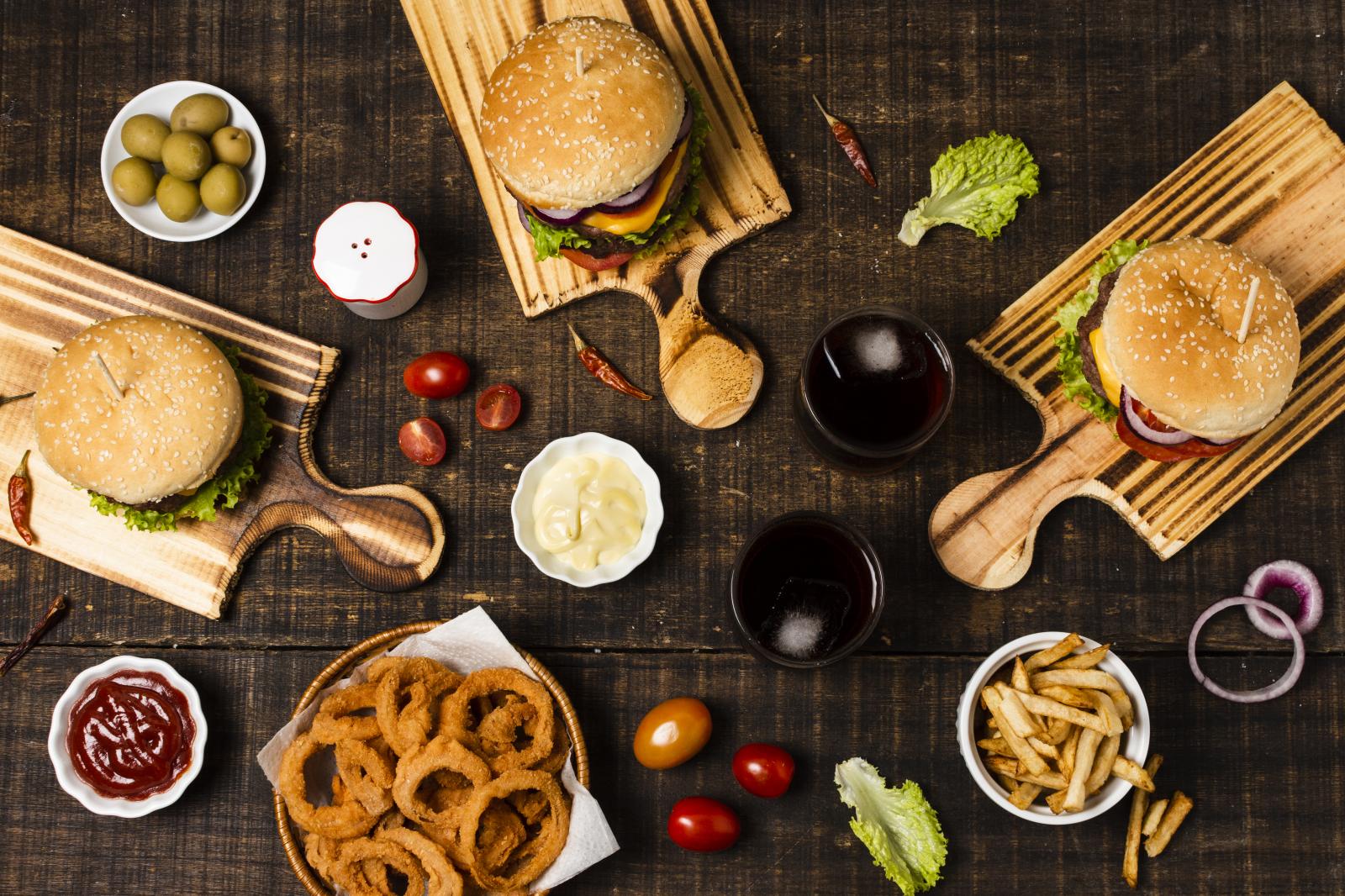
Automation and Technological Progress
Self-service ordering machines
The popularity of self-service ordering machines allows customers to complete the ordering process more quickly and reduce waiting time in line. Many fast food restaurants have introduced self-service ordering machines, which not only improves service efficiency, but also enhances the customer experience. For example, McDonald's self-service ordering machines have become standard in its stores, and customers can quickly select their favorite meals and even customize them through touch screens.
Mobile payment technology
The widespread use of mobile payment technology allows customers to complete payments without carrying cash, further improving the convenience of purchases. The trend of cashless payment is changing traditional payment methods and simplifying the transaction process. Mobile payment methods such as Alipay, WeChat Pay, and Apple Pay are rapidly gaining popularity around the world, providing fast food restaurants with a more efficient way to collect payments.
Robotic kitchen
The application of robot chefs is gradually being promoted. Some fast food restaurants have begun using robots for frying, baking and other operations, reducing labor costs and improving meal delivery efficiency. This technological advancement not only reduces operating costs, but also ensures the standardization of food. For example, the kitchen robot Flippy, from California-based Miso Robotics, has been put into use in some hamburger restaurants, which can accurately control cooking time and temperature to ensure the consistent quality of each burger.
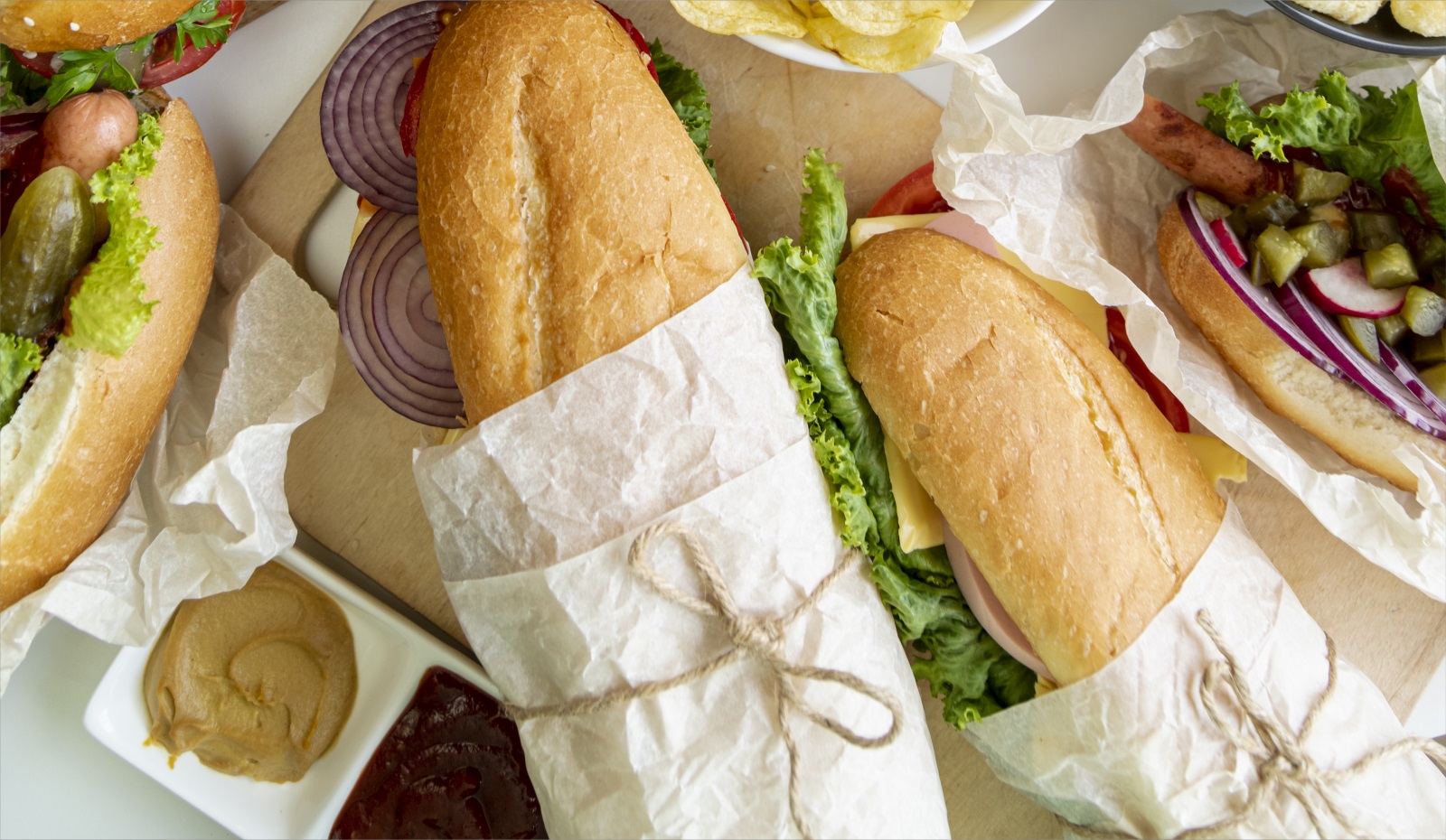
Drone delivery
Pilot projects for drone delivery are being carried out in some cities. Drones can quickly deliver food to customers, especially in traffic congestion or remote areas. In the future, drone delivery is expected to become one of the important ways to deliver fast food. For example, online food ordering platform Uber Eats, and drone delivery company Wing have already conducted drone delivery pilot projects in some cities in the US and Australia, initially showing the potential of this technology.
New Standards for Fast Service
Fast Delivery Time in Fast Food Restaurants
Standardized processes and efficient management systems enable fast food restaurants to deliver food in a short time. Customers' expectations for fast service continue to increase, and fast food restaurants need to continuously optimize processes to meet demand. For example, Starbucks has significantly shortened delivery time and improved customer satisfaction by optimizing its ordering system and back-end management.
Combining online ordering with offline pickup
The optimization of the reservation system allows customers to complete their orders online in advance and pick up their food directly after arriving at the store, reducing waiting time. Contactless pickup services have been widely used during the pandemic and will continue to be an important service method in the future. For example, McDonald's "Click and Pickup" service allows customers to order food in advance through a mobile app and pick up the food directly after arriving at the store, greatly improving convenience.
Popularization of Takeaway and Delivery Services
The Rise of Takeaway Platforms
The rapid rise of takeaway platforms such as Uber Eats and DoorDash around the world has greatly changed the sales model of the fast food industry. Consumers can conveniently order fast food through these platforms and enjoy home delivery services. These platforms not only provide a variety of dining options, but also provide valuable market insights for fast food restaurants through data analysis.
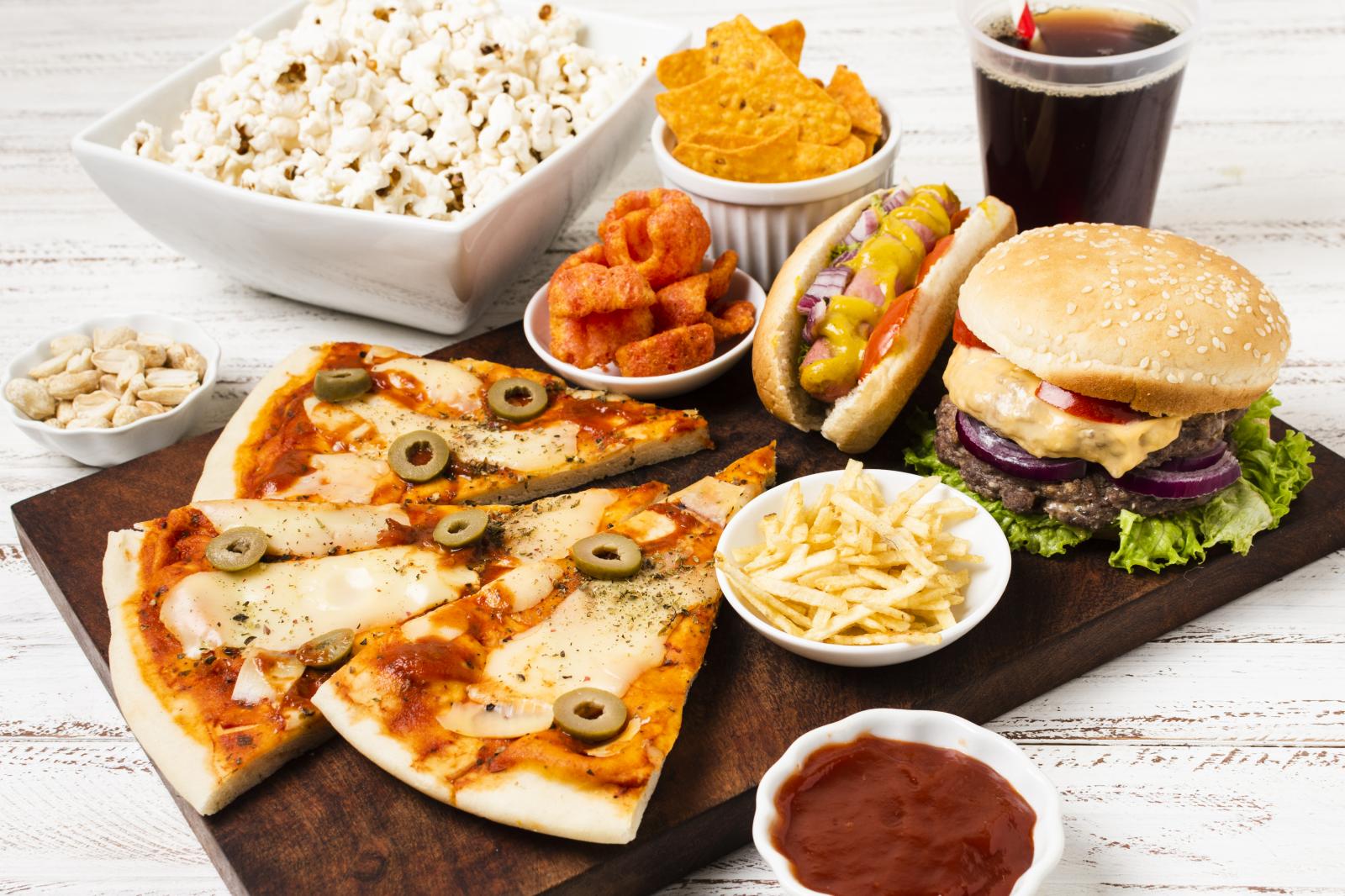
Cooperation between fast food brands and food delivery platforms
The cooperation model between fast food brands and food delivery platforms is becoming increasingly mature. By cooperating with food delivery platforms, fast food brands can expand their market coverage and increase sales. This win-win business model is becoming an industry standard. For example, KFC's cooperation with Grubhub, the Chicago-headquartered food ordering and delivery company, has significantly expanded KFC's food delivery business, further increasing the brand's market share.
Multichannel sales model
Integration of in-store dining, takeout and delivery services in fast food restaurants
The advantage of the multichannel sales model is that it meets the needs of different consumers. Whether it is in-store dining, takeout or delivery services, fast food restaurants can provide high-quality services. However, the implementation of this model also faces management and coordination challenges. For example, Chipotle has successfully increased its overall sales through the integration of "Chipotlanes" drive-thru service, in-store dining and takeout services, but it also needs to make fine adjustments in operational management.
Expansion of fast food brands in supermarkets and convenience stores
Many fast food brands have begun to sell their products in supermarkets and convenience stores to further expand their market. This channel expansion strategy not only increases brand exposure, but also provides consumers with more purchasing options. For example, Starbucks' ready-to-drink coffee drinks are widely sold in supermarkets and convenience stores around the world, becoming one of its important sources of income.
Healthy Diet Trends
Low-calorie, low-fat and high-protein menu options
As the concept of healthy diet becomes more popular, consumers' demand for low-calorie, low-fat and high-protein foods increases. Fast food restaurants are gradually launching healthy menus to meet customers' demand for healthy diets. For example, Subway has launched a series of low-calorie sandwich options, which have been welcomed by healthy diet enthusiasts.
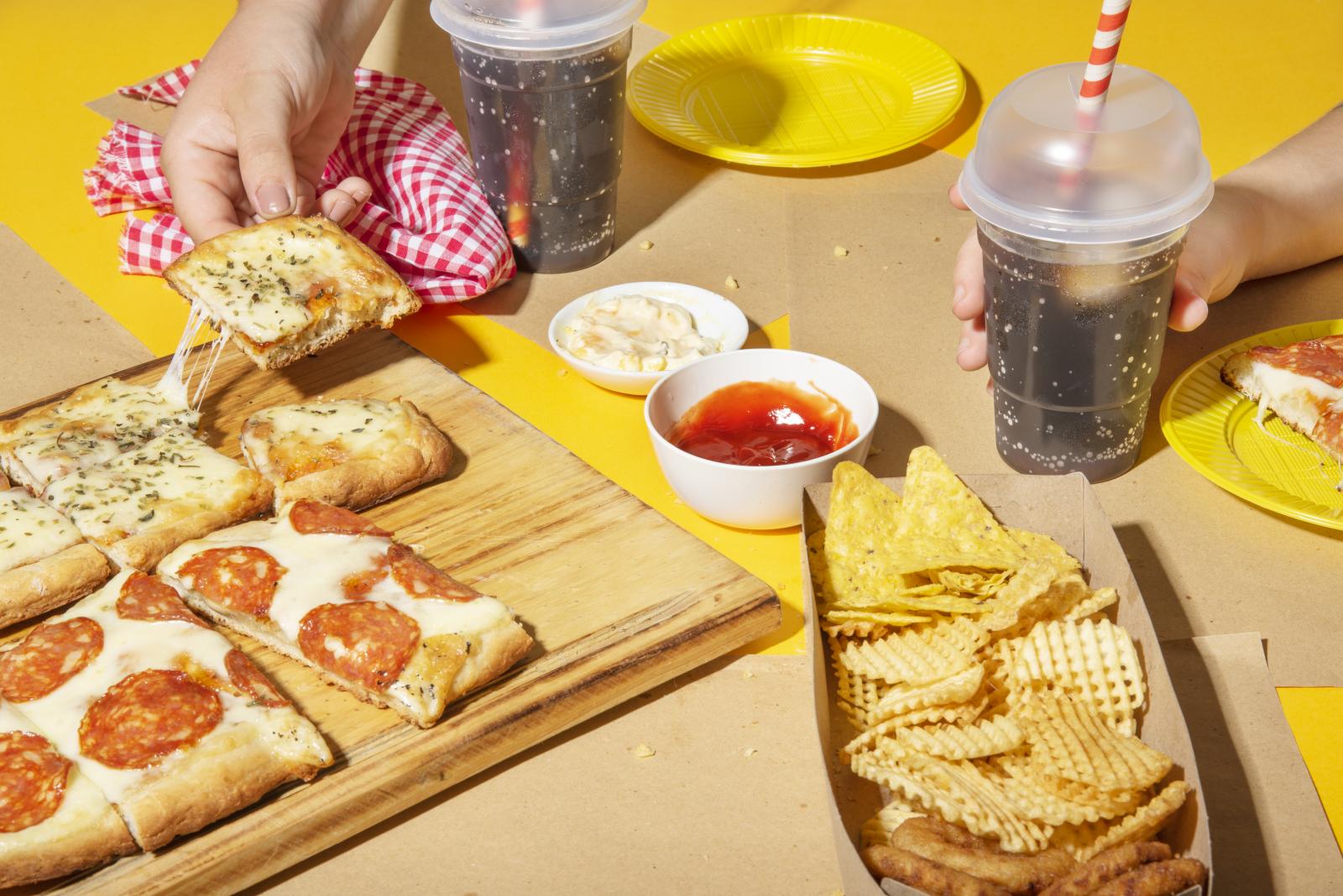
Increase in Plant-Based Foods
The plant-based food market is growing rapidly. More fast food brands are launching products such as plant-based burgers and plant-based chicken nuggets to cater to the needs of vegetarians and environmentalists. This trend not only reflects changes in consumer eating habits, but also reflects the improvement of environmental awareness. For example, Burger King's Impossible Whopper (with a meatless patty) and KFC's Beyond Fried Chicken (made with soy protein meat alternative) have received positive responses from the market.
Diversified and localized tastes
Diversified tastes brought by globalization
Globalization has enabled the fusion of cuisines from different cultures. Fast food brands continue to introduce special dishes from different countries and regions to enrich menu options. For example, McDonald's rice burgers launched in Japan and vegetarian burgers launched in India are both successful cases. These innovations not only attract local customers, but also attract international tourists who are interested in novel tastes.
Introduction of local specialties
The popularity of local specialties allows fast food brands to better adapt to local tastes in different markets. By introducing local specialties, fast food brands can not only attract local customers, but also show respect and understanding for local culture. For example, KFC's Sichuan spicy chicken wings and Old Beijing chicken rolls launched in China successfully integrated local tastes and won wide market recognition.
Adjustment of procurement strategy
In the fast food industry, timely adjustment of procurement strategy is the key to responding to market changes, meeting consumer needs and maintaining competitiveness. The following is a detailed analysis of two major aspects:
Flexible supplier relationships
Supply chain management in the fast food industry requires a high degree of flexibility to adapt to rapidly changing market demands. Establishing and maintaining flexible supplier relationships can help fast food companies better cope with fluctuations in food supply and price changes.
Diversified suppliers: Relying on a single supplier increases the risk of business operations. Fast food companies should consider establishing partnerships with multiple suppliers, including local and international suppliers, to ensure a stable supply of raw materials. This diversified strategy not only improves supply security, but may also bring cost benefits, as different suppliers may offer more favorable prices or higher quality products at different times.
Contract flexibility: Contracts signed with suppliers should have a certain degree of flexibility to allow order quantities to be adjusted according to market demand. This flexibility can help companies quickly adapt to the market when raw material prices fluctuate or when consumer preferences change. For example, the contract can include price adjustment clauses or minimum purchase quantity change options to cope with sudden market changes.
Strategic partnerships: Establish long-term strategic partnerships with key suppliers to jointly develop new products or improve supply chain efficiency. This partnership can not only reduce costs, but also improve the overall responsiveness and flexibility of the supply chain. For example, companies can invest in technological innovations with suppliers, such as automated sorting systems, to improve supply efficiency.
Sustainable procurement practices
As consumers pay more attention to environmental protection and sustainable development, fast food companies need to incorporate sustainable elements into their procurement strategies, not only for environmental considerations, but also to enhance their brand image and attract consumers with a strong sense of social responsibility.
Environmentally friendly packaging materials: Traditional disposable plastic packaging has a serious impact on the environment because it is difficult to degrade. Fast food companies should consider using degradable or recyclable packaging materials, such as paper packaging, PLA plastic, and others. This is not only in line with the environmental trend, but also can be promoted as part of corporate social responsibility. It also has the added benefit of enhancing consumer brand recognition.
Sustainable ingredients: Choose certified organic ingredients and fair trade products to ensure the sustainability of the source of ingredients. For example, purchase certified organic vegetables and fruits, seafood products that support sustainable fisheries, and coffee and chocolate from fair trade cooperatives. These measures not only help protect the environment, but also enhance consumers' goodwill and trust in the brand.
FAQs
1. How is plant-based food developing in the fast food industry?
The plant-based food market is growing rapidly. More fast food brands are launching plant-based foods, such as plant-based burgers and plant-based fried chicken, to cater to the needs of vegetarians and environmentalists. This trend not only reflects the changes in consumers' eating habits, but also reflects the improvement of environmental awareness.
2. What is the impact of globalization on fast food tastes?
Globalization has enabled the integration of cuisines from different cultures, and fast food brands have continuously introduced special dishes from different countries and regions to enrich menu options. For example, McDonald's rice burgers launched in Japan and vegetarian burgers launched in India are both successful cases.
3. How do fast food brands adapt to local tastes?
Fast food brands can better adapt to the taste needs of the local market by introducing local specialties. This not only attracts local customers, but also demonstrates the brand's respect and understanding of local culture. For example, KFC's Sichuan spicy chicken wings and Old Beijing chicken rolls launched in China successfully integrate local tastes.
4. What is the impact of the multichannel sales model on the fast food industry?
The multi-channel sales model, including the integration of in-store dining, take-out and delivery services, meets the needs of different consumers. This model enables fast food restaurants to provide more flexible and convenient services, but it also requires fine-tuning in operational management.
Conclusion
In 2025, the fast food industry has evolved significantly in terms of speed, convenience and taste. The application of automation technology and mobile payment has improved service efficiency. Takeaway and multichannel sales models have enhanced convenience. Furthermore, the trend of healthy eating and diversified tastes has met the changing needs of consumers.
Looking ahead, the fast food industry will continue to explore new possibilities in technological innovation and service optimization. At the same time, fast food brands must adapt and innovate to remain competitive in the face of emerging consumer trends flocused on health and environmental protection. As consumer demand continues to evolve, the fast food industry needs to respond flexibly and make continuous improvements to say ahead in the fierce market competition.
Also Read:
- Top Food and Beverage Trends 2025
- Food Service Trends 2025
- Food Processing Trends 2025
- Food Delivery Trends 2025
- Snack Food Trends 2025
- Fast Food Trends 2025
- Pet Food Industry Trends
- Food Industry Trade Shows 2025
- Fancy Food Show 2025
- Frozen Chinese Food Brands
- Food Truck Industry Trends 2025
- Start a Food Truck Business
- Wholesale Dog Food Guide
- Hot Food Vending Machines Guide

