




In recent years, China's automobile market has risen rapidly and become one of the most dynamic and potential markets in the world. As domestic consumers' demand for high-end cars increases, China's local luxury car brands are gradually emerging. Not, however, without difficulty. This article will introduce the top ten luxury Chinese car brands and their highs and lows.
Table of Contents
8. Seres
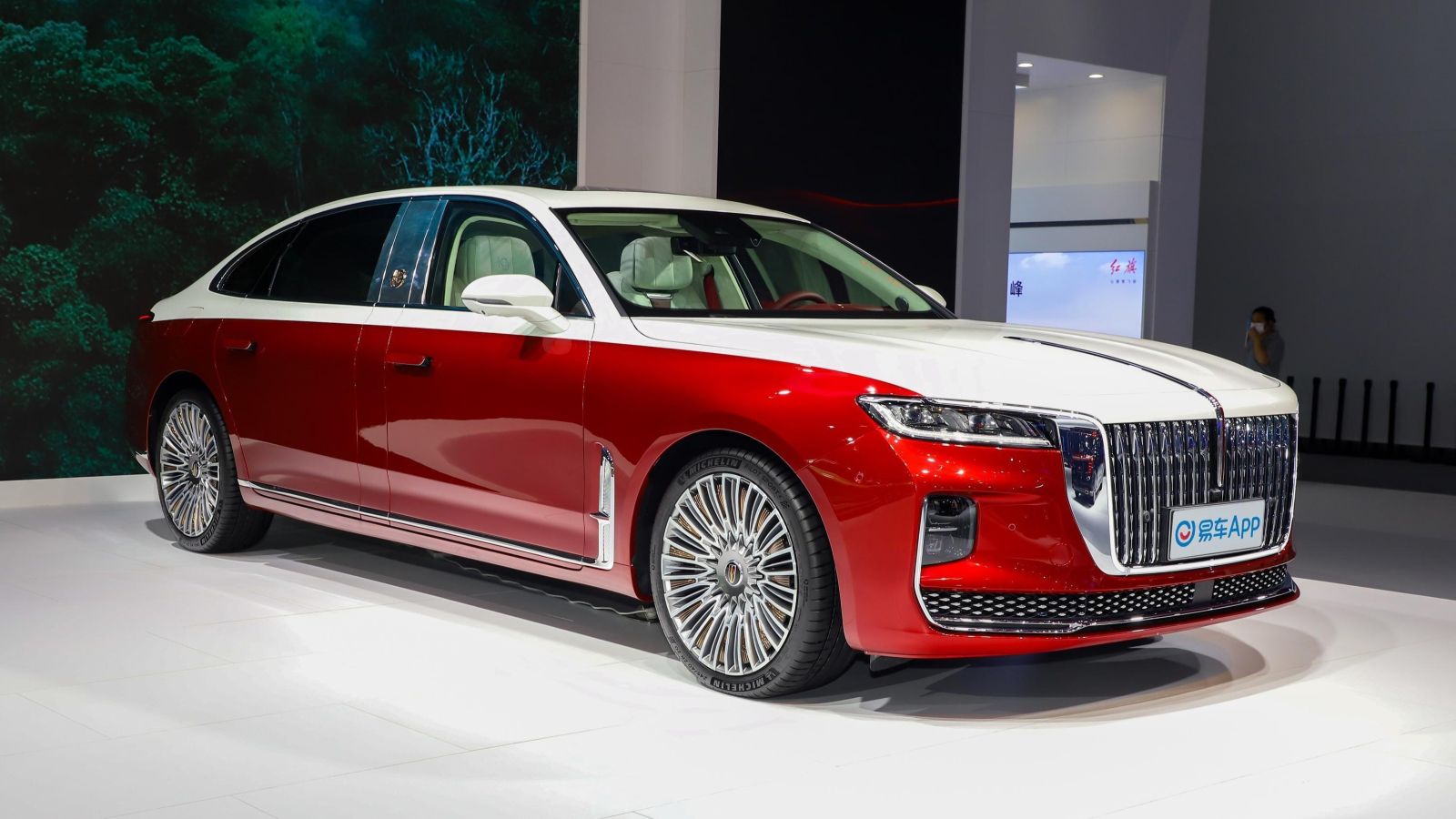
1. Hongqi
Brand history and background
Founded in 1958 and owned by FAW Group, Hongqi (红旗, "red flag") is China's oldest passenger car brand. As the manufacturer of China's first domestically produced sedan, Hongqi occupies an important position in China's automobile industry. Originally, Hongqi models were only for high-ranking government officials. They ceased production in 1981 but were revived in the mid-1990s.
Main models and features
Hongqi's flagship models include the L5, HQ9 and E-HS9. As Hongqi's flagship model, the L5 is known for its luxurious interior and powerful power system. The HQ9 is is a luxury minivan. E-HS9 is an all-electric SUV.
Market performance and consumer reviews
Hongqi has performed well in the domestic market in recent years, with sales growing rapidly. However, Hongqi sales are virtually non-existent outside China, with its cars available only in a handful of countries and struggling to sell in significant numbers. Owner reviews of these cars highlight their stylish appearance, but variable build quality coupled with limited performance means the vehicles are perceived as overpriced.
2. NIO

Brand history and background
Founded in 2014, NIO is a company focused on electric vehicles. As a pioneer in the field of electric vehicles in China, NIO has risen rapidly in just a few years to become a nationally renowned electric vehicle brand. NIO was one of the original Formula E teams, placing fourth in the inaugural championship. From season 2 onwards, Formula E opened up car development, with teams creating their own powertrains: this led to a downturn in NIO's performance and after years of dismal results, NIO exited the series after the 2022–23 season. The company is notable for developing and operating battery-swapping stations for its vehicles, as an alternative to conventional charging stations.
Main models and features
NIO’s main road car models include the ES8, ES6 and EC6. The ES8 is a luxury seven-seat SUV. The ES6 is a high-performance five-seat SUV with excellent endurance and strong power performance. The EC6 is a coupe SUV that combines elegant design with adequate performance.
Market performance and consumer reviews
NIO is expanding into the global market, with its cars now available in Norway. Consumers generally have a high opinion of NIO. NIO's battery swap service and smart driving technology have also been widely praised.
3. Li Auto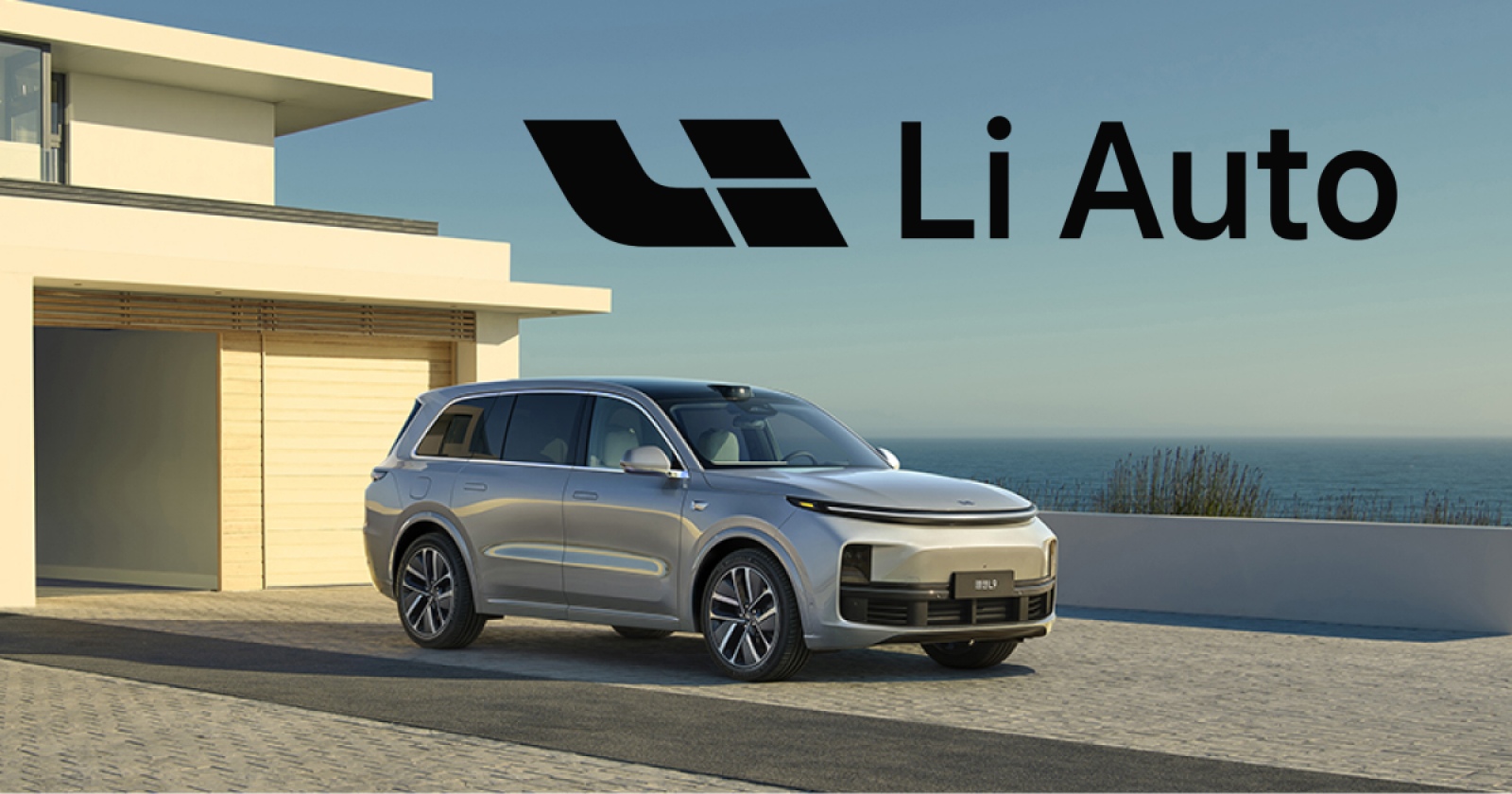
Brand history and background
Li Auto was founded in 2015 and focuses on the research, development and production of extended-range electric vehicles. Li Auto quickly established a place in the electric vehicle market through innovative technology and unique market positioning.
Main models and features
Ideal's main model is the Li L9, a luxury full-size crossover SUV. Its self-developed flagship range extension and chassis systems provide excellent drivability with a CLTC range of 1,315 kilometers and a WLTC range of 1,100 kilometers. Li L9 also features the Company’s self-developed autonomous driving system, Li AD Max.
Market performance and consumer reviews
Li Auto sold 376,030 units in 2023, almost exclusively in China. Reviews praise the L9's modern, minimalist design, but the manufacturer lacks a support network for overseas buyers, save or a single service center in Kazakhstan.
4.Xpeng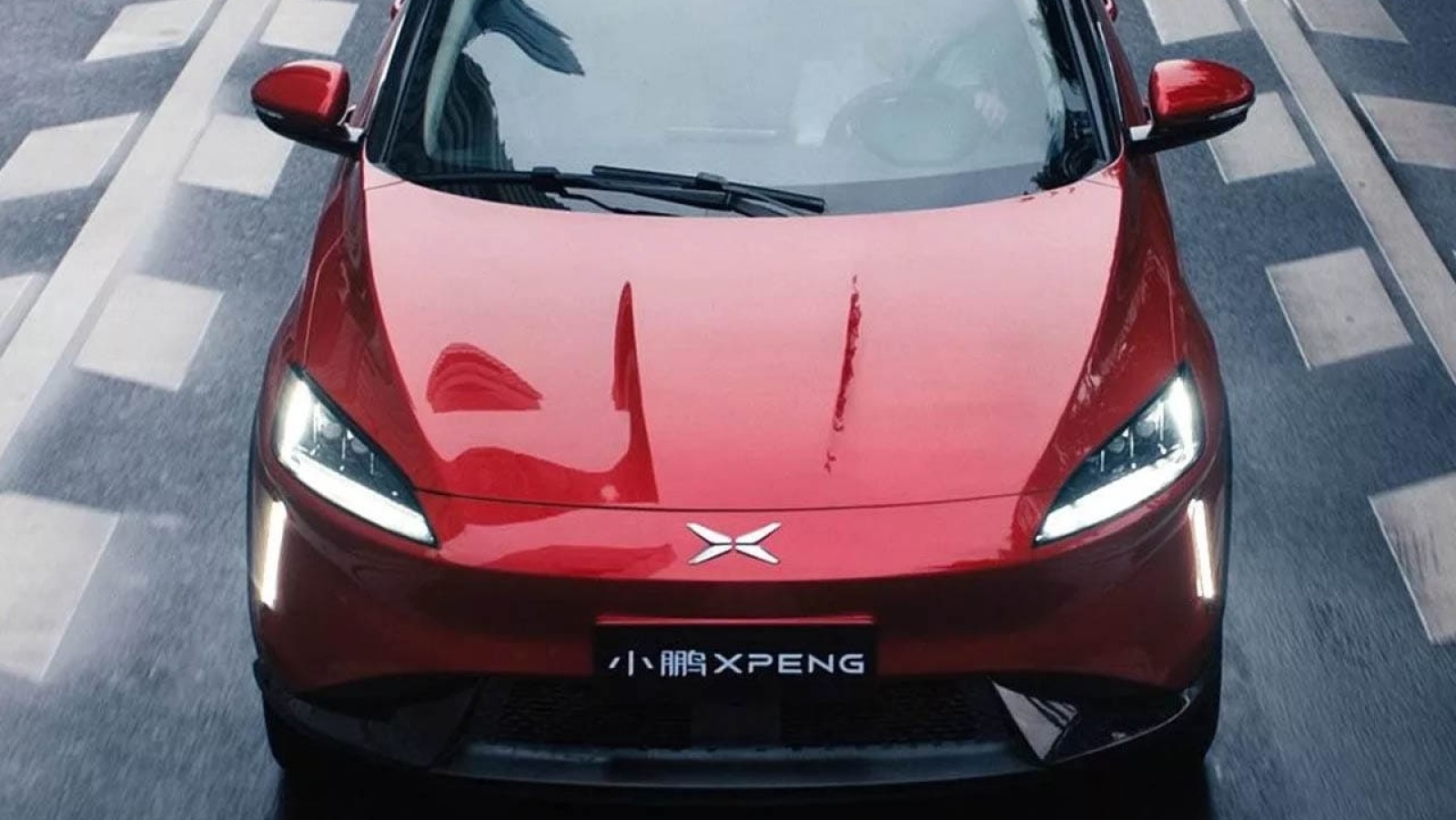
Brand history and background
Xpeng Motors was established in 2014 and is committed to developing smart electric vehicles. Xpeng Motors has rapidly grown into an important player in China's electric vehicle market through independent research and development and technological innovation.
Main models and features
Xpeng's main models include the P7, G6 and P5. The P7 is a smart electric sedan equipped with an advanced autonomous driving system and smart cockpit. The G6 is a mid-size SUV known for its stylish design. The P5 is a compact sedan.
Market performance and consumer reviews
Xpeng Motors' performance in the market has steadily improved, with sales continuing to grow. Consumers have spoken highly of Xpeng Motors' intelligent configuration and excellent driving experience. The company is taking tentative steps into markets outside China, including Europe, Australia, Hong Kong and Singapore.
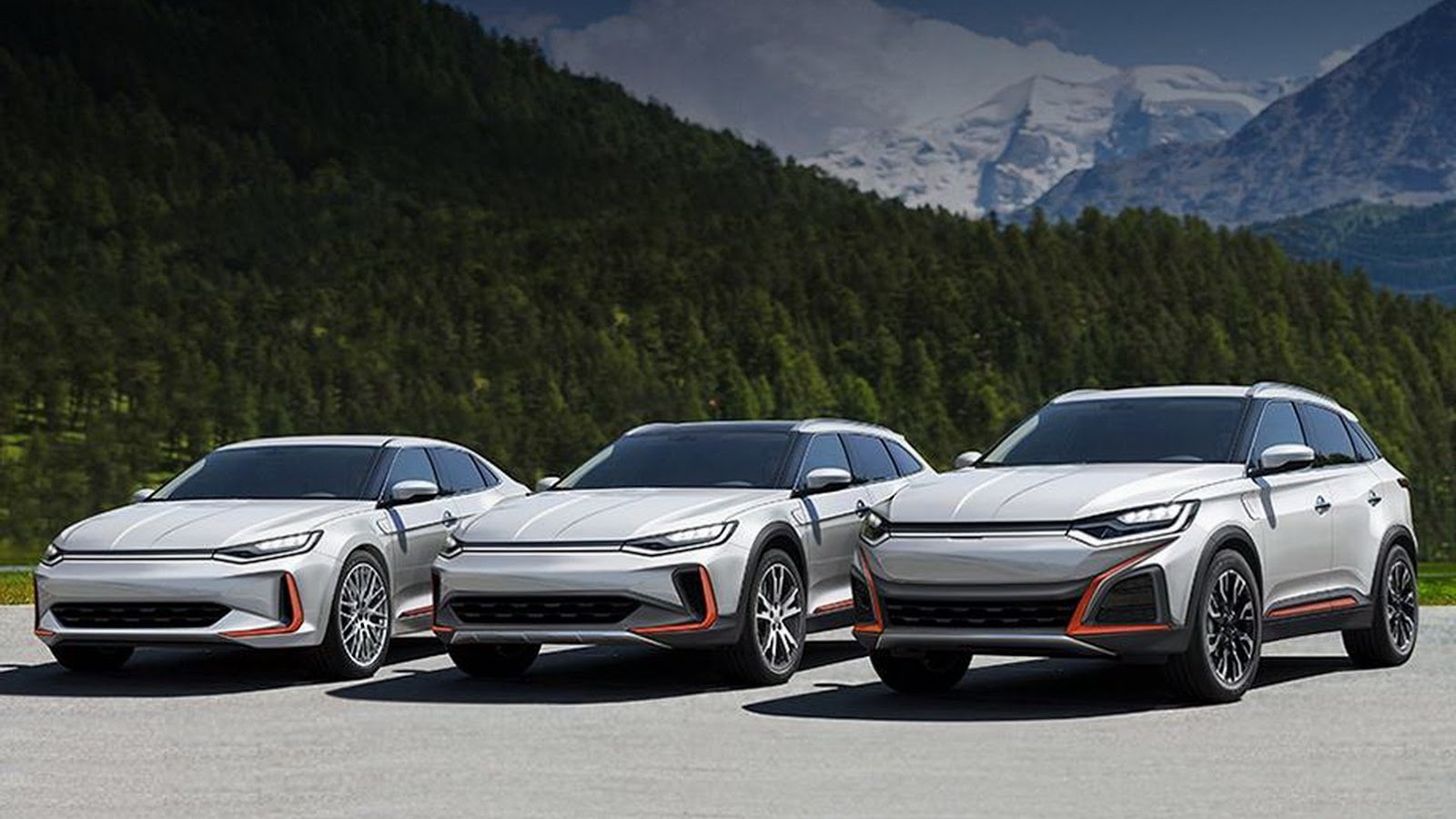
5. Weltmeister (WM Motor)
Brand history and background
Weltmeister, operated by WM Motor, was established in 2015 and is an innovative enterprise focusing on smart electric vehicles. Taking its name from the German for "world champion", it quickly occupied a place in China's electric vehicle market through technological innovation and market expansion.
Main models and features
WM's main models included the EX5, EX6 and W6. The EX5 is a compact SUV. The EX6 is a mid-size SUV that provides more space and stronger power performance. The W6 was the last SUV launched by WM, equipped with L4 level autonomous driving system and intelligent interconnection technology.
Market performance and consumer reviews
In the latter half of 2022, WM Motors faced significant financial difficulties due to escalating debt and ongoing losses, despite efforts to boost sales and expand its product range. Consequently, the company was unable to launch its flagship M7 model and ceased production of all existing models by the end of 2022, leading to staff layoffs and the closure of most sales locations. In the following year, the president of WM Motors sought new financing sources and introduced a cost-saving strategy. However, these measures proved ineffective, and by mid-October 2023, WM Motors declared bankruptcy.
6. Byton
Brand history and background
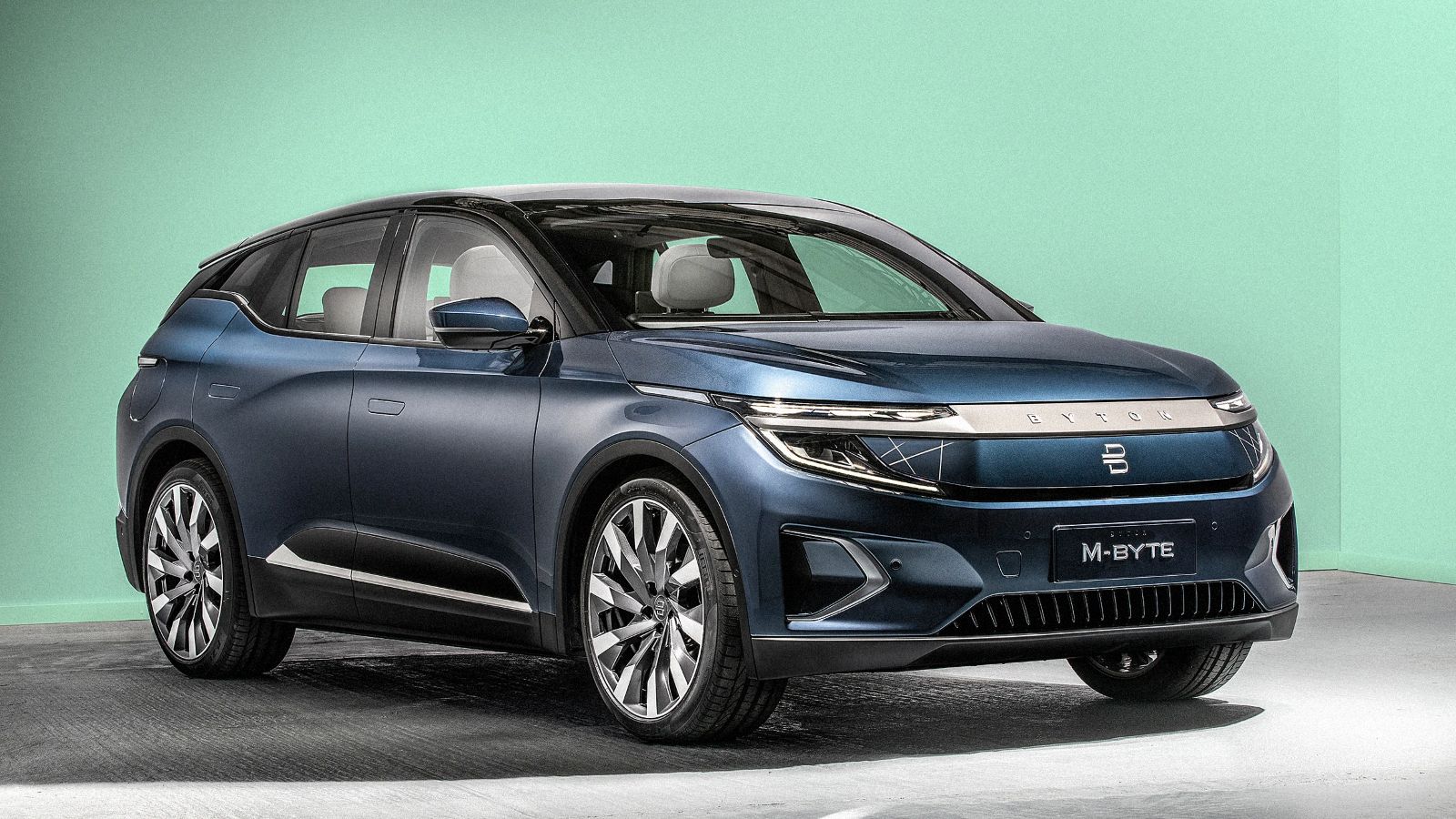
Byton was an all-electric vehicle brand founded in 2017, with ties to both China and Germany, and incorporated in Hong Kong. It was co-founded by former executives from BMW and Nissan.
Main models and features
Byton revealed its first concept car to the public in January 2018. The company aimed to launch its M-Byte SUV model first, with production and sales originally slated for late 2019. However, developmental setbacks and financial issues consistently delayed the launch.
Market performance and consumer reviews
In June 2020, Byton opted to suspend operations for a planned six-month corporate reorganization. In 2021, the company filed for bankruptcy, and its collaboration with manufacturing partner Foxconn was put on hold indefinitely.
7. Lynk & Co
Brand history and background
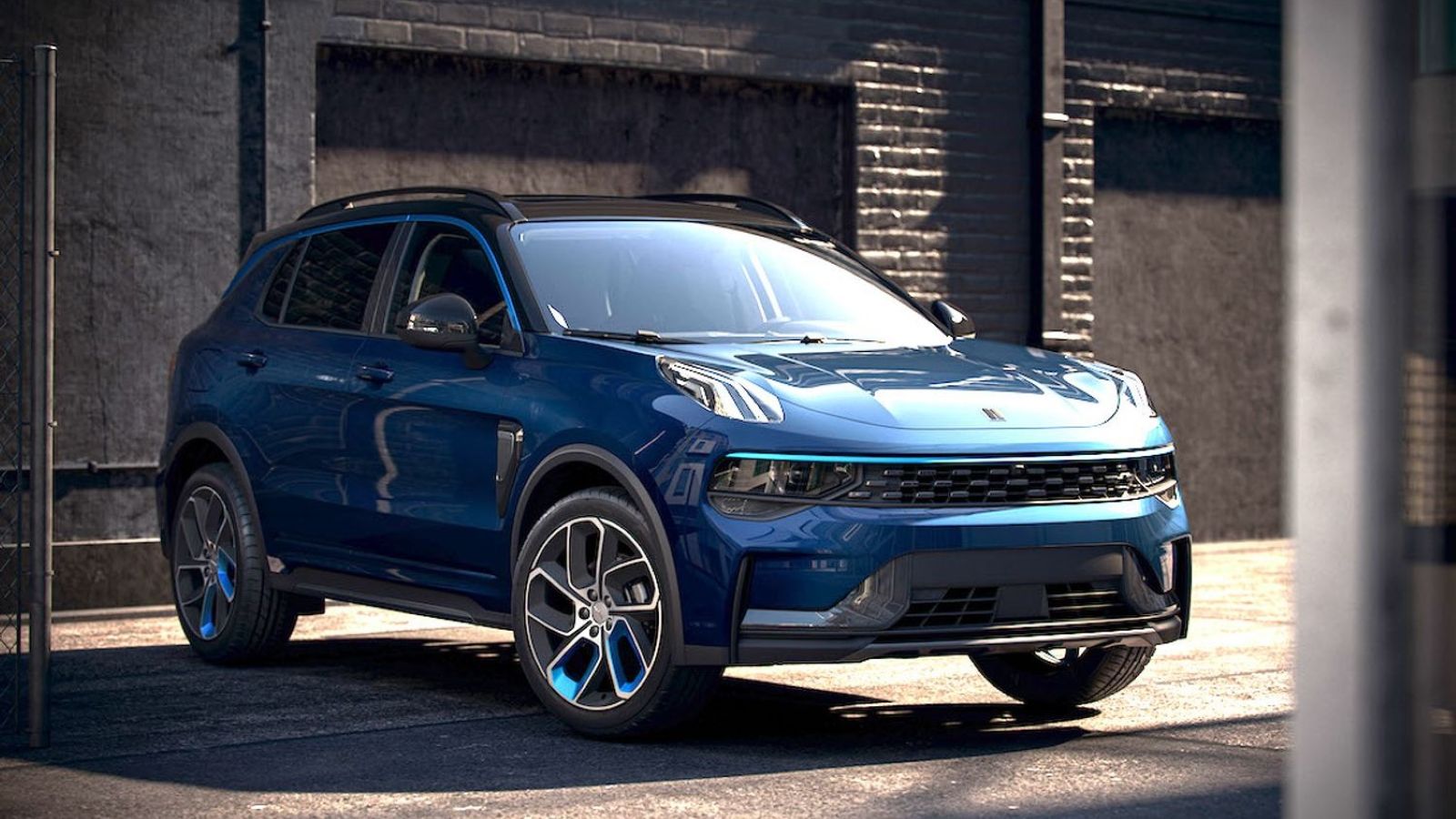
Lynk & Co Automotive Technology Co., Ltd., operating under the name Lynk & Co (Chinese: 领克; pinyin: Lǐng kè), is a Chinese-Swedish automobile manufacturer co-owned by Zhejiang Geely Holding, along with its subsidiaries, Geely Auto Group and Volvo Cars. Within the Geely group, Lynk & Co has positioned itself as a startup-like entity by implementing innovative sales strategies, including direct-to-consumer sales and subscription models to market its vehicles. The brand also shares technology, such as engines and platforms, with Volvo and Geely vehicles.
Main models and features
Lynk & Co's main models include the 01, 07 and Z20. The 01, Lynk & Co's first vehicle launched, is a compact SUV that combines stylish design with advanced intelligent configurations. The 07 is the company's most recently launched model, a plug-in hybrid mid-size vehicle that is a copy of the popular Volvo XC40. The Lynk & Co Z20/02 is a battery electric compact crossover SUV produced by Lynk & Co, the Chinese-Swedish automaker owned by Geely. This model will mark Lynk & Co's first entry into the electric vehicle market.
Market performance and consumer reviews
Lynk & Co cars are performing well in the market, with sales growing steadily. Consumers give positive reviews for Lynk & Co cars. In particular, the 01's intelligent configuration and driving experience have been widely praised.
8. Seres
Brand history and background
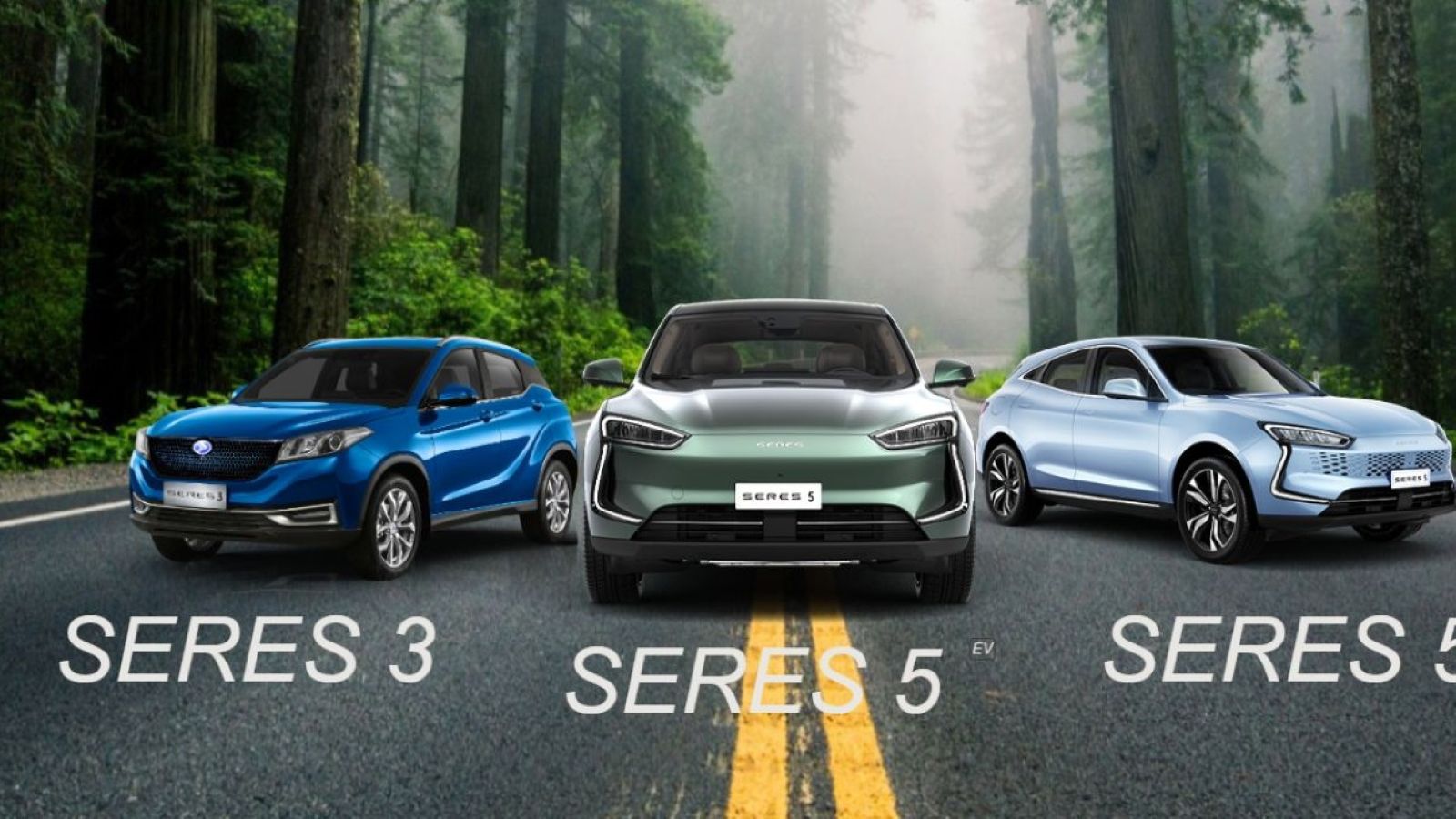
Seres (formerly known as SF Motors) is a brand of electric vehicles marketed by Seres Group, which was previously called Chongqing Sokon Industry Group. Since 2023, the Seres brand has shifted to being export-focused, while AITO and Landian became domestic-only brands.
Main models and features
The Seres 7 (a rebadged AITO M7) is a range-extender electric midsize luxury crossover SUV. The AITO M7 is an SUV available in two configurations: a 5-seater with two rows (since 2023) or a 6-seater with three rows. The second row features Zero Gravity Seats that can be adjusted to provide enhanced comfort for passengers.
Market performance and consumer reviews
The company has set up several R&D facilities and is currently developing a line of electric vehicles tailored for the U.S. market. However, it has postponed the launch of its U.S. products and laid off hundreds of employees, including 90 at its design studio.
9. Chery
Brand history and background
Founded in 1997, Chery is a well-known automobile manufacturer in China. Headquartered in Wuhu, Anhui, it is owned by the Wuhu municipal government and is now the fifth largest automobile manufacturer in China, having sold 1,881,316 vehicles in 2023.
Main models and features
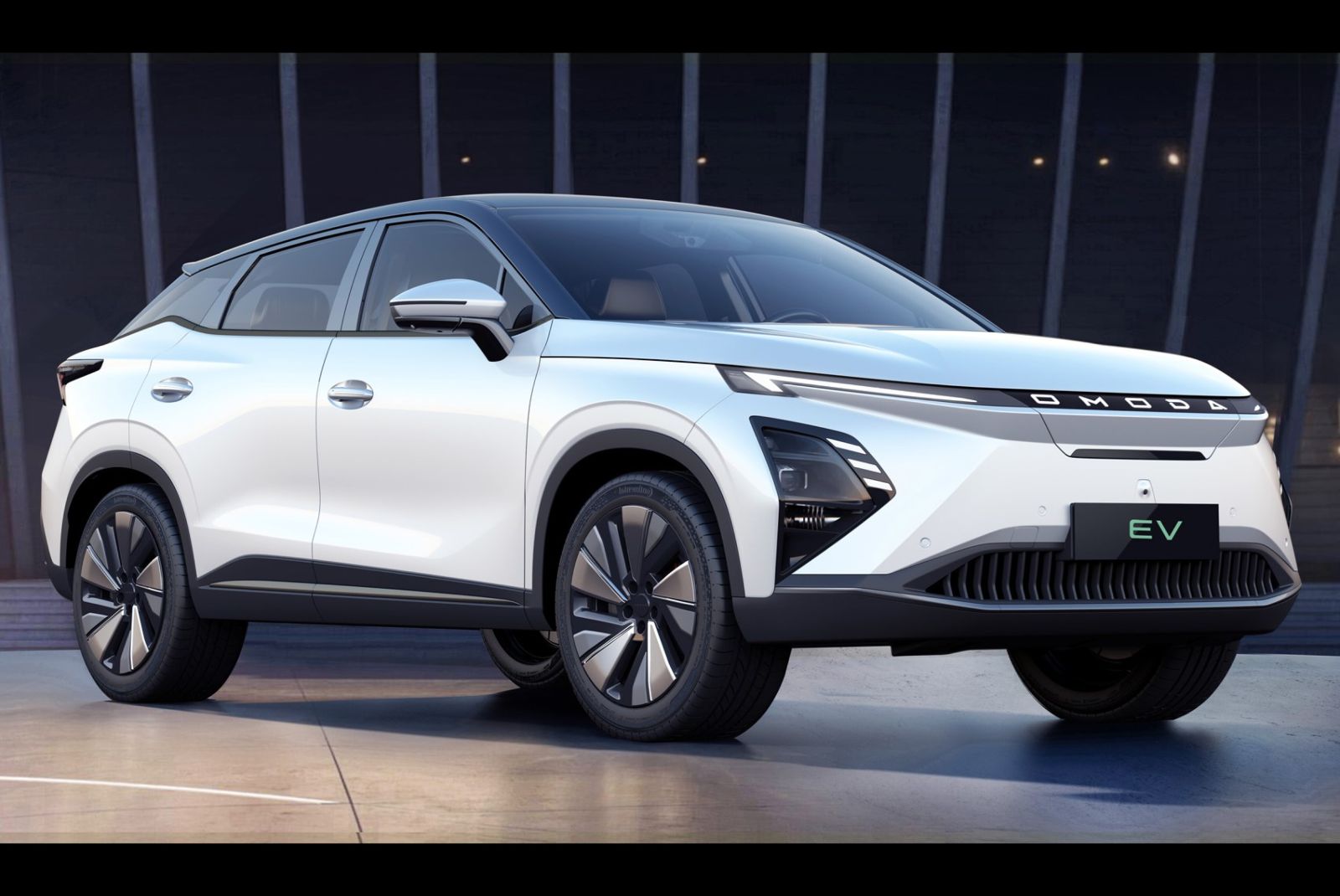
Chery's models include the Omoda 5, the inaugural model of the Omoda product series, which is positioned as a more premium offering than the main Chery brand.
Market performance and consumer reviews
The Omoda 5 sold over 120,000 units in 2023, in China, Mexico, Indonesia, Australia, Turkey and Malaysia.
Conclusion
In conclusion, China's luxury automobile market is undergoing a significant transformation, marked by the emergence of local brands that reflect the evolving preferences of domestic consumers. The luxury Chinese car brands showcased in this article illustrate a landscape filled with innovation and ambition, even as they navigate various challenges. While brands like NIO and Li Auto are gaining traction through advanced technologies and favorable consumer perceptions, others like WM Motor and Byton have faced substantial hurdles, highlighting the volatility within this sector. As these brands continue to develop and refine their offerings, the future of China’s luxury automobile market remains uncertain, with opportunities for growth and expansion on the global stage tempered by a slowing Chinese economy and increasing difficulties for the manufacturing sector.
FAQ
Q: What is the current state and growth trajectory of China's luxury automotive market?
A: China's luxury automotive market has demonstrated remarkable dynamism and potential in recent years, emerging as one of the world's most vibrant automotive sectors. The market is characterized by rapid domestic brand evolution, exemplified by companies like Hongqi, which has shown substantial sales growth in the domestic market. This growth is driven by increasing consumer affluence, technological advancement, and changing preferences among Chinese consumers. The market's expansion is further evidenced by the success of new energy vehicle manufacturers like NIO and Li Auto, which have achieved significant market penetration through innovative technologies and business models.
Q: How are Chinese luxury automotive manufacturers differentiating themselves in terms of business models and market approach?
A: Chinese luxury automotive manufacturers have adopted sophisticated and diverse business strategies to establish their market presence. Companies like NIO have pioneered innovative customer-centric approaches, including their unique battery-swapping infrastructure and premium user experience centers. Lynk & Co has introduced flexible ownership models, including subscription services, demonstrating the industry's adaptability to changing consumer preferences. Traditional manufacturers like Hongqi have maintained their premium positioning while expanding their product range to compete with international luxury brands. These varied approaches reflect the industry's maturity and understanding of different market segments' needs.
Q: What are the key technological innovations driving Chinese luxury automotive brands forward? A: Chinese luxury automotive brands have made significant strides in several key technological areas. Li Auto has developed advanced range-extended electric vehicle technology, achieving impressive range capabilities of up to 1,315 kilometers under CLTC standards. NIO has established a comprehensive battery-swapping network, offering an innovative solution to charging concerns. Companies like Xpeng have invested heavily in autonomous driving technology, developing advanced driver assistance systems that compete with international standards. These technological achievements demonstrate the industry's commitment to innovation and its ability to develop proprietary solutions that address specific market needs.
Q: What challenges and opportunities exist for Chinese luxury automotive brands in international markets? A: Chinese luxury automotive brands face complex challenges in their international expansion efforts. While companies like Xpeng have successfully entered multiple international markets, including Europe and Australia, they must overcome significant hurdles such as establishing service networks, building brand recognition, and meeting various regulatory requirements. The experience of brands like Hongqi, which has limited international presence despite domestic success, illustrates the difficulties in translating domestic market strength into global market share. However, opportunities exist through technological differentiation, competitive pricing, and innovative features that can appeal to international consumers seeking alternatives to traditional luxury brands.
Q: What are the long-term prospects for China's luxury automotive sector? A: The future of China's luxury automotive sector appears promising yet complex. While the industry benefits from strong domestic market support and technological advancement, it faces challenges including economic slowdown and intense competition. The sector's continued evolution will likely be shaped by factors such as technological innovation, changing consumer preferences, and global market conditions. Success will depend on manufacturers' ability to maintain technological competitiveness, build strong brand equity, and effectively navigate both domestic and international markets while adapting to evolving industry trends and regulatory requirements.

