




Spanish fashion holds a strong and influential place in the global style scene. Known for its bold designs and deep cultural roots, Spain has become a go-to source for unique, trendsetting fashion. From the runways of Madrid and Barcelona to boutiques around the world, Spanish style continues to inspire and lead.
What sets Spanish fashion apart is its ability to blend heritage with innovation. Designers take cues from centuries-old traditions and reimagine them with a modern edge, creating collections that resonate with both local and international audiences.
In this article, discover the latest trends emerging from Spain’s fashion industry and see how these standout styles can be translated into everyday collections. Whether you're a retailer, buyer, or brand looking for fresh inspiration, Spanish fashion offers ideas that are both timeless and on-trend.
Classic Spanish Fashion Elements
1. Flamenco Dress (Traje de Flamenca)
The flamenco dress is a quintessential symbol of Spanish culture, particularly associated with Andalusia. Characterized by its form-fitting bodice and flared skirt adorned with multiple layers of ruffles, this dress exudes both elegance and vibrancy. Modern adaptations have introduced variations in fabrics, colors, and patterns, making it a versatile piece suitable for various occasions. Its enduring appeal offers retailers a unique product that resonates with both traditional and contemporary fashion enthusiasts.
2. Mantilla and Peineta
The mantilla is a traditional Spanish lace or silk veil worn over the head and shoulders, often accompanied by a decorative comb called a "peineta." This ensemble is commonly seen during religious ceremonies and formal events, adding an air of sophistication and cultural richness. Incorporating the mantilla and peineta into modern collections can provide a distinctive touch that appeals to consumers seeking elegance rooted in heritage.
3. Manila Shawl (Mantón de Manila)
Originating from the Philippines and popularized in Spain, the Manila shawl is an embroidered silk accessory known for its intricate designs and fringed edges. Historically associated with flamenco dancers and festive occasions, it has transcended its traditional roots to become a fashionable statement piece. Offering Manila shawls in contemporary designs can attract customers interested in unique, culturally infused accessories.
4. Embroidered Details
Embroidery holds a significant place in Spanish fashion, reflecting the country's rich artistic heritage. From floral motifs to intricate patterns, embroidered elements add depth and character to garments. Incorporating traditional Spanish embroidery into modern apparel can enhance the aesthetic appeal and offer consumers a blend of classic craftsmanship with contemporary design.
Spanish fashion: Where heritage meets contemporary style
Spanish fashion is renowned for its unique ability to intertwine rich cultural heritage with modern design sensibilities. This fusion creates a distinctive aesthetic that resonates globally, offering both timeless elegance and contemporary appeal.
Traditional Craftsmanship as a Foundation
At the heart of Spanish fashion lies a deep respect for traditional craftsmanship. Elements such as intricate embroidery, vibrant textiles, and classic silhouettes like the flamenco dress and mantilla have been integral to Spain's sartorial identity. These traditional components provide a rich foundation upon which modern designers build.
Modern Interpretations and Global Influence
Contemporary Spanish designers skillfully reinterpret these traditional elements to align with current fashion trends. For instance, the flamenco dress has evolved beyond its folkloric roots, inspiring modern evening wear with its ruffled layers and dramatic flair. Designers like Cristóbal Balenciaga and brands such as Loewe have played pivotal roles in bringing Spanish fashion to the global stage, blending heritage with innovation.
Opportunities for Retailers and Buyers
For retailers and buyers, Spanish fashion offers a compelling mix of tradition and modernity. The integration of classic elements into contemporary designs appeals to a broad customer base seeking authenticity and style. Incorporating Spanish-inspired pieces can diversify product offerings and meet the growing demand for culturally rich fashion.
Current Popular Spanish Fashion Trends
Colors and Patterns
Spanish fashion is renowned for its vibrant fusion of bold colors and expressive patterns, seamlessly blending cultural heritage with contemporary design. This dynamic interplay offers a distinctive aesthetic that resonates globally, providing versatile options for retailers and buyers seeking to diversify their collections.
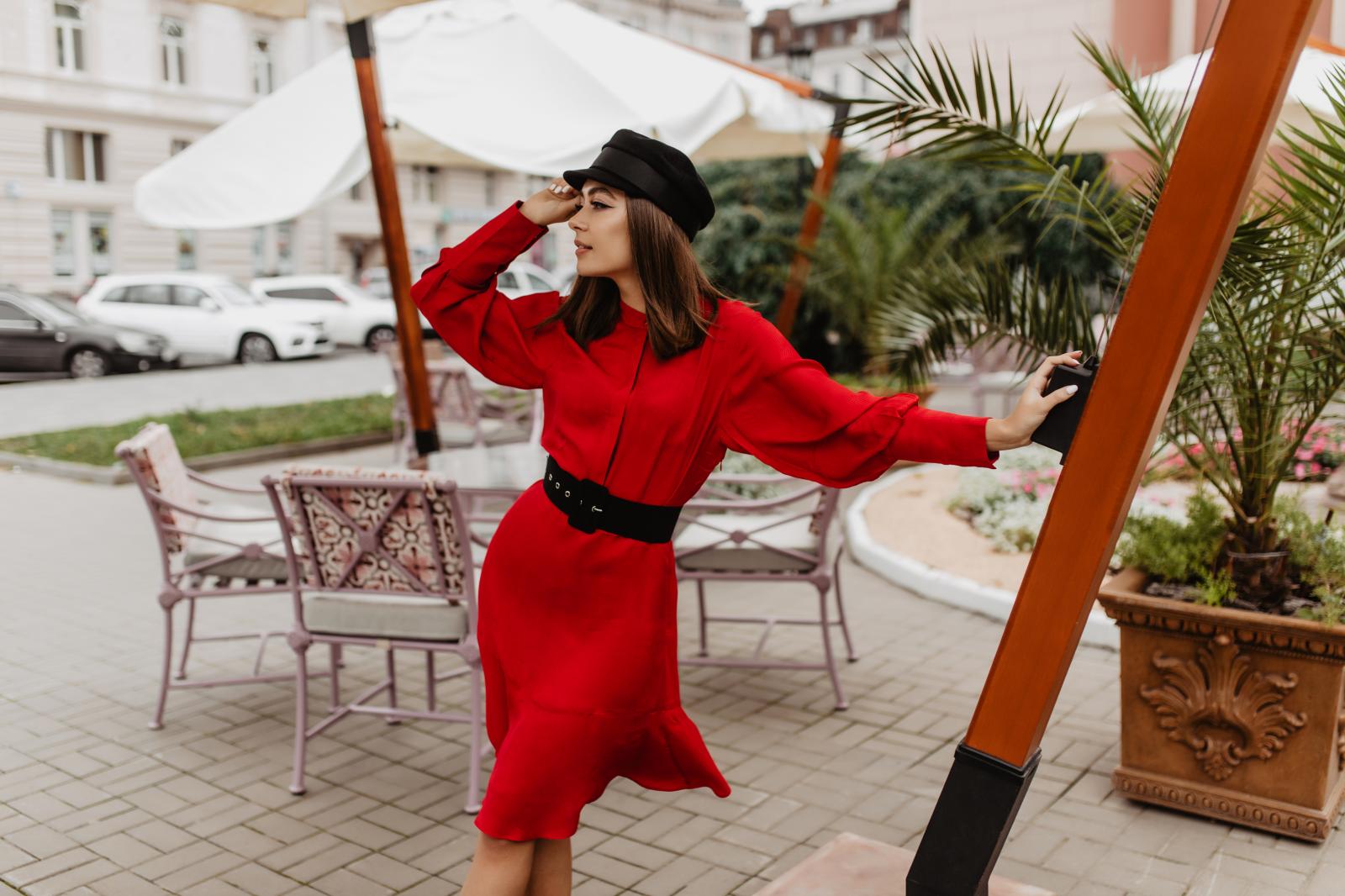
The color palette in Spanish fashion is characterized by rich, evocative hues. Red, symbolizing passion and vitality, often takes center stage, reflecting the nation's spirited culture. Yellow evokes warmth and optimism, reminiscent of Spain's sun-drenched landscapes. Black conveys elegance and sophistication, offering a timeless backdrop that complements more vibrant tones. These colors are frequently combined, creating visually captivating ensembles that appeal to a broad audience.
Patterns play a pivotal role in Spanish fashion, with designers integrating various motifs to add depth and character to their collections. Floral patterns infuse garments with romance and femininity, often reimagined with contemporary twists to suit modern tastes. Geometric designs introduce a sense of modernity and structure, appealing to those seeking bold, artistic expressions. Stripes provide a classic yet innovative element, with variations in direction and width adding visual interest to garments. This fusion of bold colors and diverse patterns results in fashion pieces that are both timeless and contemporary.
For retailers and buyers, incorporating these elements into collections can offer consumers a blend of cultural richness and contemporary style. By offering products that reflect this harmonious blend of tradition and innovation, businesses can meet the growing demand for culturally rich and fashion-forward apparel.
Fabrics and Materials
Spanish fashion is renowned for its thoughtful selection of fabrics, harmonizing comfort with elegance across seasons. In warmer months, lightweight and breathable materials like linen and cotton are favored for their cooling properties and relaxed aesthetic. These fabrics are staples in summer wardrobes, offering both comfort and style. Brands such as Vogana emphasize the use of natural fabrics like linen in their collections, highlighting their versatility and suitability for various occasions.
As temperatures drop, the focus shifts to luxurious textiles like silk and velvet, which provide warmth and a sense of opulence. Silk, with its smooth texture and lustrous sheen, is often chosen for formal events, adding a touch of sophistication to evening wear. Velvet, known for its rich depth of color and soft pile, is a preferred choice for autumn and winter, offering both warmth and a luxurious appearance.
This strategic use of fabrics not only enhances the wearer's comfort but also aligns with the aesthetic values of Spanish fashion, where tradition and modernity converge to create timeless elegance.
Style and Cut
The thoughtful selection of fabrics plays a pivotal role in balancing comfort and elegance across seasons in Spanish fashion. Lightweight and breathable materials like linen and cotton are favored during warmer months for their cooling properties and relaxed aesthetic. These fabrics are staples in summer wardrobes, offering both comfort and style. As temperatures drop, the focus shifts to luxurious textiles like silk and velvet, which provide warmth and a sense of opulence. Silk, with its smooth texture and lustrous sheen, is often chosen for formal events, adding a touch of sophistication to evening wear. Velvet, known for its rich depth of color and soft pile, is a preferred choice for autumn and winter, offering both warmth and a luxurious appearance.
This strategic use of fabrics not only enhances the wearer's comfort but also aligns with the aesthetic values of Spanish fashion, where tradition and modernity converge to create timeless elegance.
Spanish Street Fashion
Spanish street fashion is a dynamic fusion of cultural heritage and contemporary flair, offering a unique blend of tradition and innovation. From the vibrant streets of Madrid to the artistic avenues of Barcelona, the fashion scene reflects a rich tapestry of influences, making it a significant player in global fashion trends.
Key Elements of Spanish Street Fashion
Tailored Outerwear: Structured coats are a staple, providing both warmth and sophistication. These pieces are often paired with casual attire to elevate everyday looks.
Wide-Legged Trousers: Offering comfort and style, these trousers provide ease of movement while maintaining a chic silhouette. They are versatile enough to be dressed up or down, making them a favorite among fashion enthusiasts.
Statement Accessories: Vibrant scarves, bold handbags, and unique footwear add personality to outfits. These accessories often serve as focal points, reflecting individual style preferences.
Playful Prints: Patterns such as leopard print and stripes are frequently incorporated, adding a touch of fun and flair to ensembles. These prints are often mixed and matched, showcasing a fearless approach to fashion.
Athleisure Influence: Comfort-driven pieces like sneakers and sporty jackets are seamlessly integrated into daily wear, blurring the lines between athletic and casual fashion.
Conclusion
Spanish fashion is currently embracing a blend of classic and modern influences, along with a focus on innovation through new materials, technologies, and dynamic color patterns. This combination not only highlights the distinctive appeal of Spanish fashion but also demonstrates a strong commitment to innovation and personalization.
Looking ahead, personalization and sustainability are expected to play even larger roles in the evolution of Spanish fashion. With advancements in technologies such as 3D printing, personalized customization will become increasingly accessible, enabling consumers to design unique, tailored pieces. Moreover, the use of eco-friendly materials is set to become more widespread, as brands prioritize sustainable practices and launch products that align with growing consumer demand for environmentally conscious fashion.

