




Table of Contents
Part 1. Top 13 China Phone Brands
Part 2. Why Wholesale Phones from China?
Part 3. Key Players in China's Phone Market
Part 4. Wholesale Phones on Global Sources
Part 5. Types of Phones in China
Part 6. Growth of China's Phone Industry
Part 7. Market Trends and Challenges
Part 1: Top 13 China Phone Brands
In the rapidly evolving landscape of smartphone technology, Chinese phone brands have emerged as formidable contenders, changing the market with their competitive pricing. Over the past decade, these brands have gained substantial market share globally. This article looks at the top 10 Chinese phone brands, exploring their unique strengths and highlighting their most popular models.
1. Huawei
Huawei, founded in 1987, has grown into one of the world's largest telecommunications equipment manufacturers.
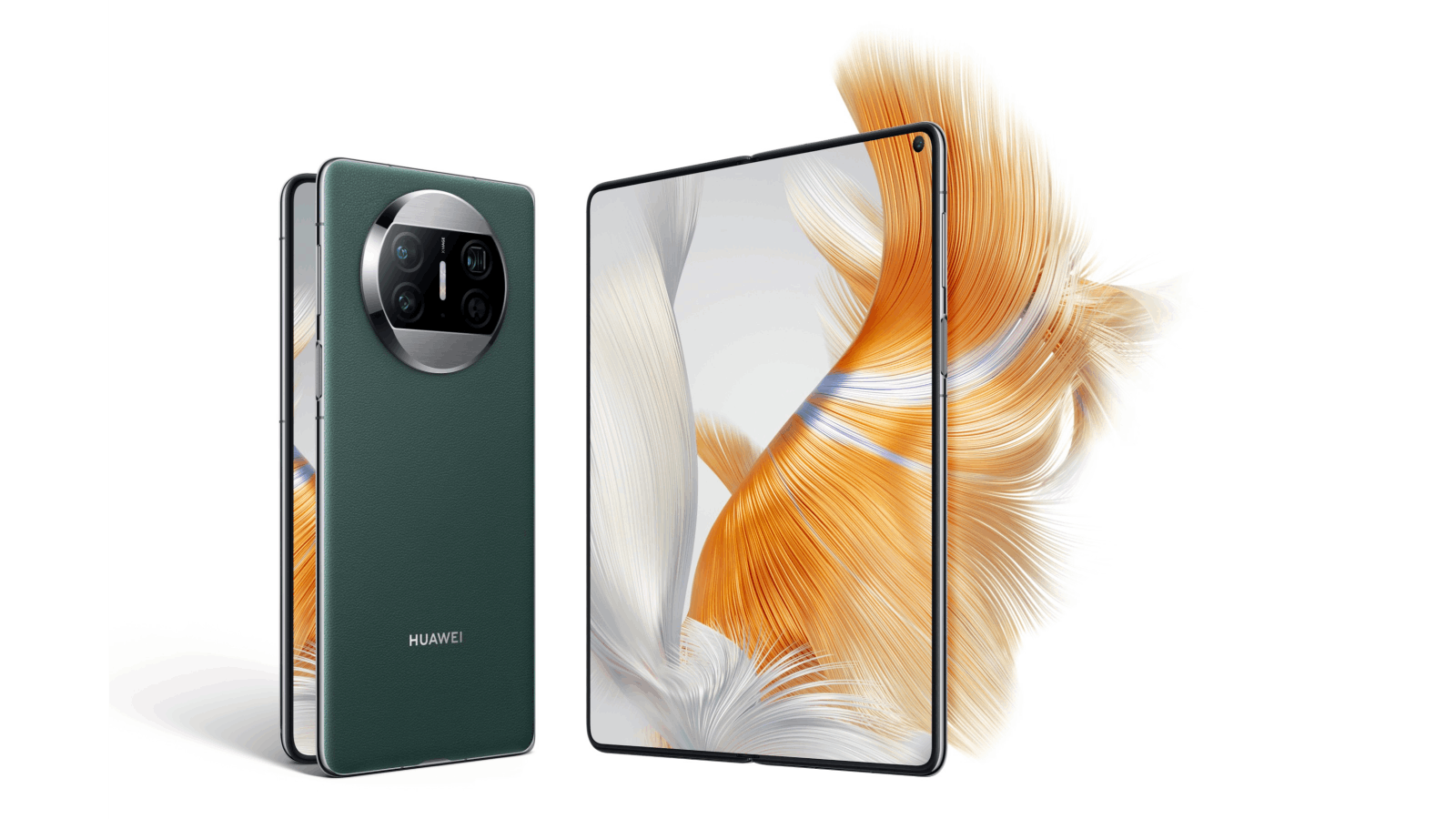
Strengths
- Camera Quality: The partnership with Leica has resulted in some of the best smartphone cameras on the market.
- Battery Life: Huawei phones are known for their long-lasting battery life and fast charging capabilities.
Popular Models
- Huawei P40 Pro: Celebrated for its exceptional camera system.
- Huawei Mate 40 Pro: Known for its powerful performance and sleek design.
- Huawei Nova 7i: A mid-range phone offering great value for money.
2. Xiaomi
Founded in 2010, Xiaomi quickly rose to prominence by offering smartphones at affordable prices. The brand has a strong online presence and a loyal customer base.
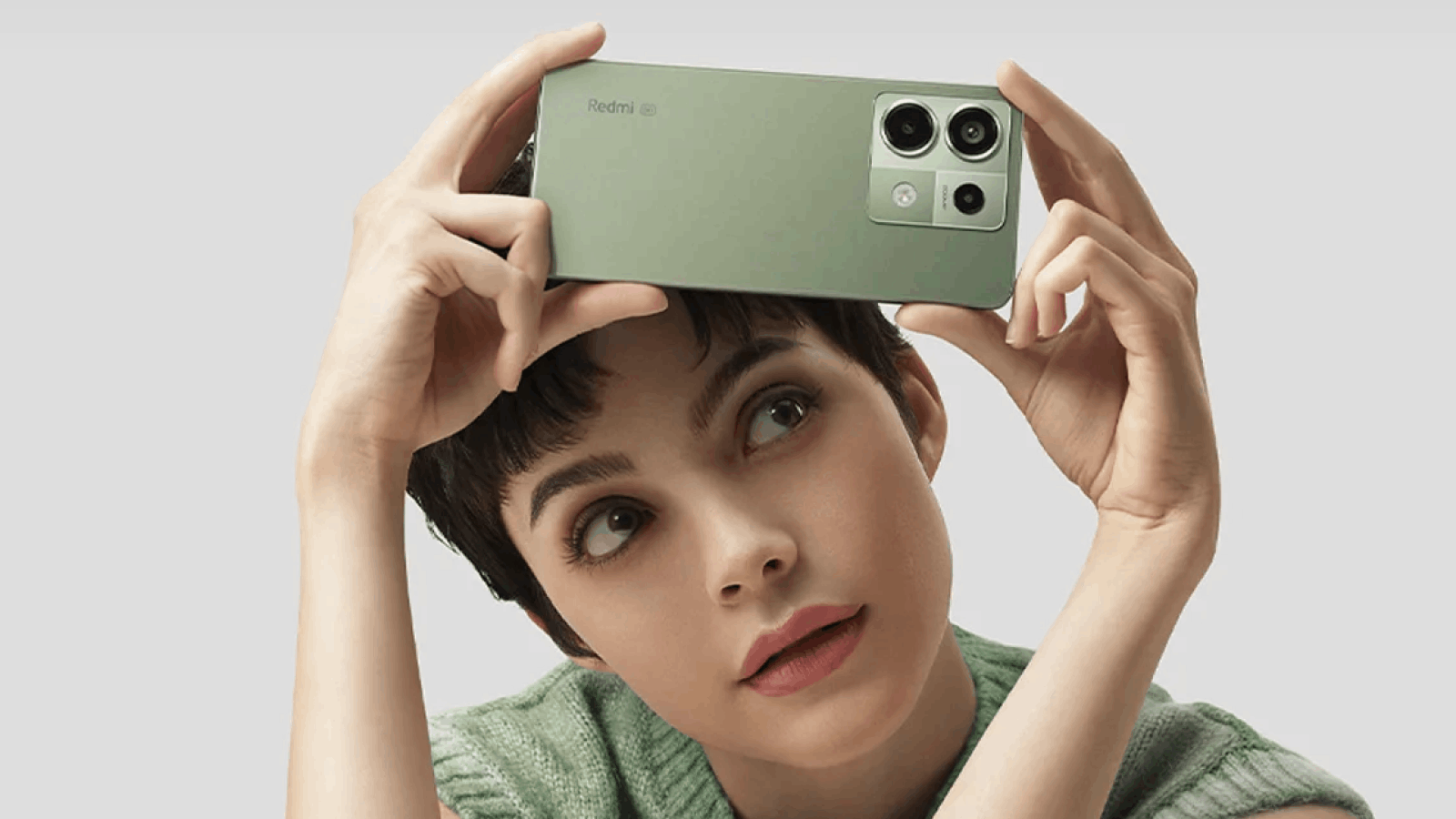
Strengths
- Value for Money: Xiaomi phones are known for offering premium features at competitive prices.
- MIUI Interface: Xiaomi’s custom Android skin is user-friendly and feature-rich.
- Innovation: Xiaomi is at the forefront of incorporating new technologies like fast charging and high-refresh-rate displays.
Popular Models
- Xiaomi Mi 11 Ultra: Known for its impressive camera setup and performance.
- Redmi Note 10 Pro: Offers a balanced mix of features and affordability.
- Poco X3 Pro: A budget-friendly option with powerful specs.
3. Oppo
Oppo, established in 2004, has made a name for itself with its focus on camera technology and stylish designs. The brand is a favorite among young consumers.
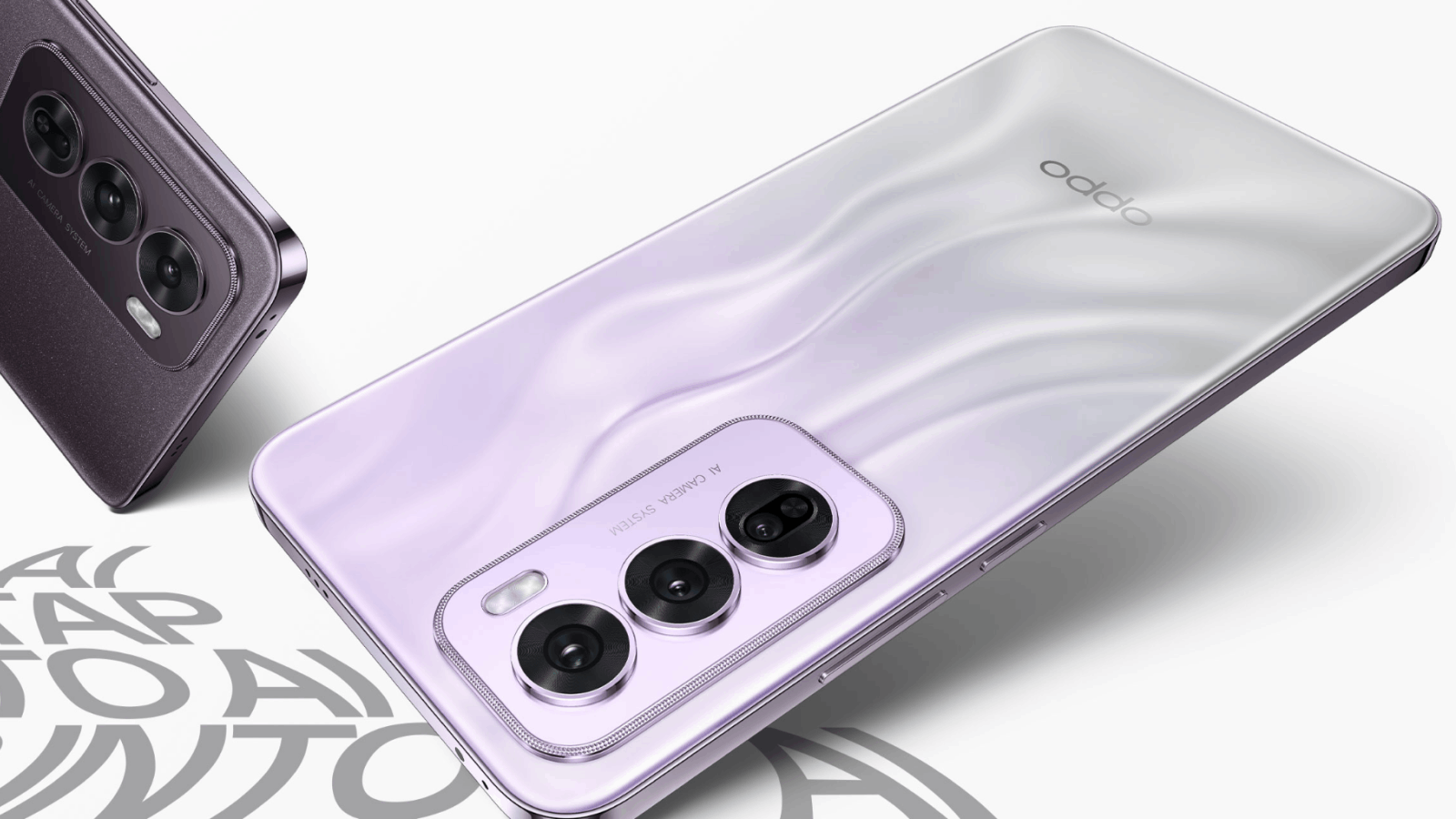
Strengths
- Camera Innovation: Oppo is known for its pioneering work in smartphone photography.
- Design: Oppo phones often feature sleek, modern designs.
- VOOC Charging: Oppo’s proprietary fast charging technology is one of the fastest in the industry.
Popular Models
- Oppo Find X3 Pro: Features a unique design and top-tier camera system.
- Oppo Reno6 Pro: Known for its stylish design and excellent camera performance.
- Oppo A54: A budget-friendly option with solid performance.
4. Vivo
Vivo, a subsidiary of BBK Electronics, was founded in 2009. The brand has gained recognition for its high-quality audio capabilities.
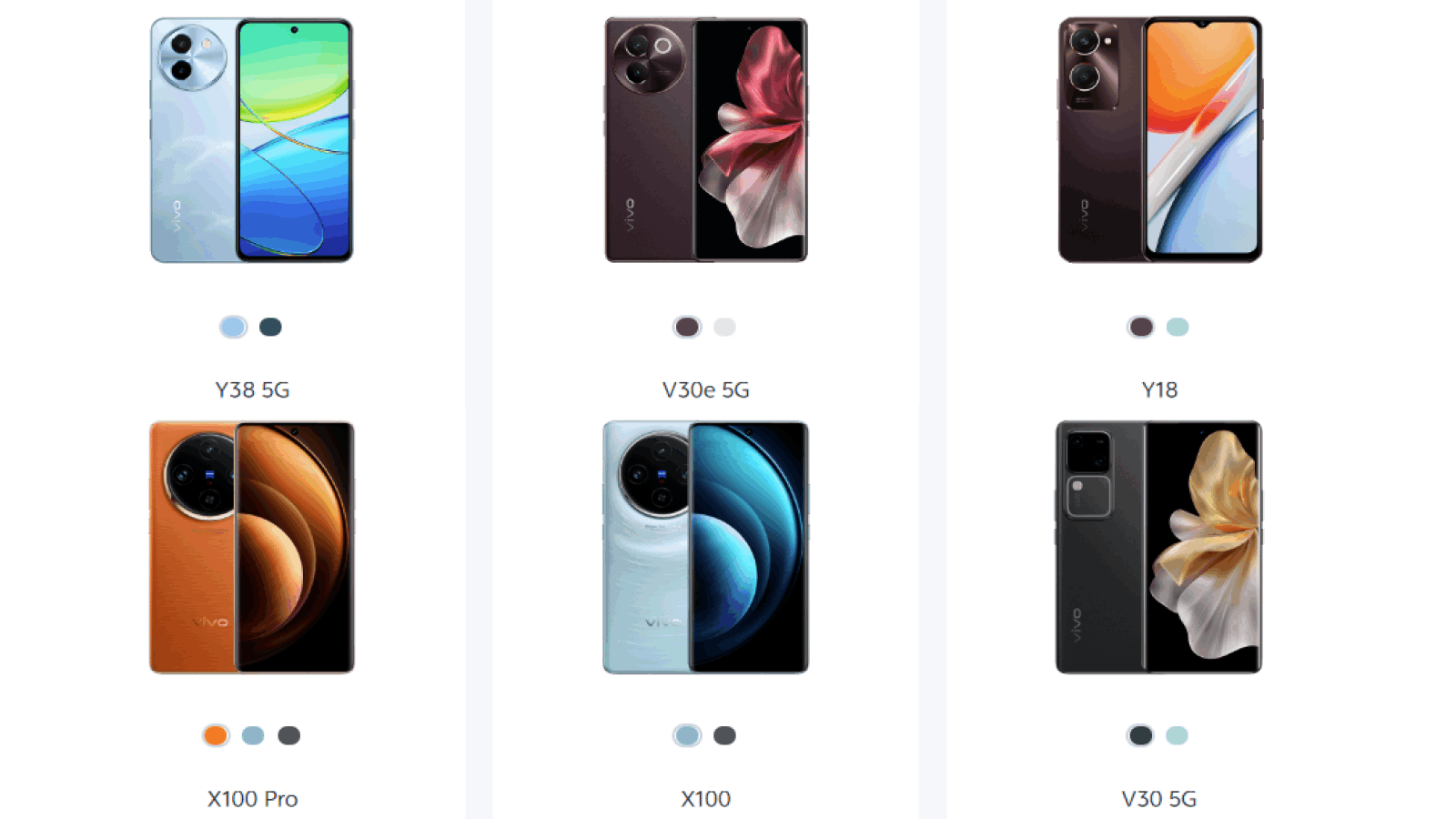
Strengths
- Novelty Features: Vivo is known for introducing features like pop-up cameras.
- Audio Quality: Vivo phones often come with superior audio hardware.
- Design: Vivo phones are known for their aesthetic appeal.
Popular Models
- Vivo X60 Pro: Offers a great camera system and smooth performance.
- Vivo V21 5G: Known for its selfie camera and 5G capabilities.
- Vivo Y20: A budget-friendly phone with decent specs.
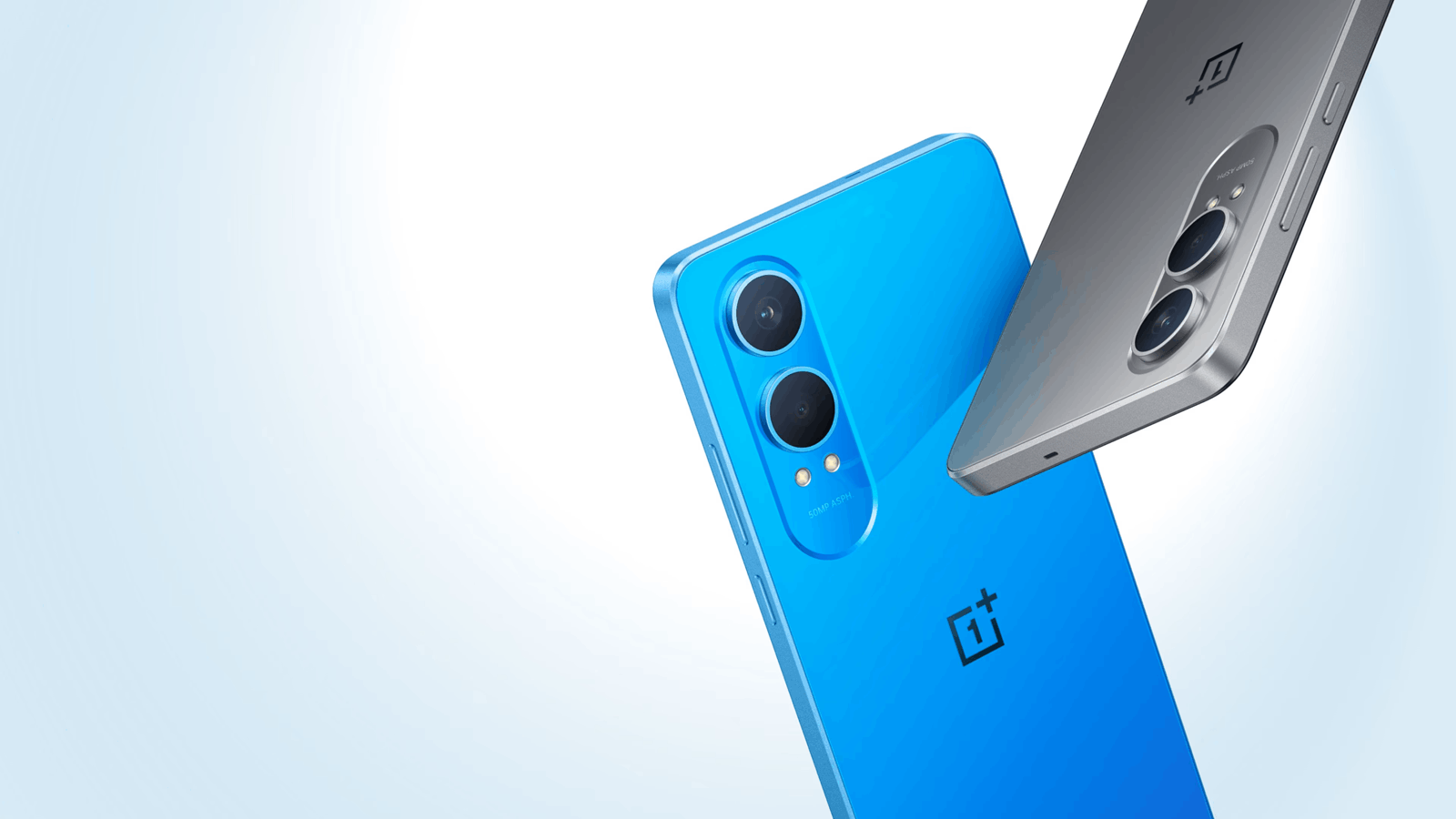
5. OnePlus
OnePlus, founded in 2013, quickly became known for its "flagship killer" smartphones that offer high-end specs at mid-range prices. The brand has a strong following among tech enthusiasts.
Strengths
- Performance: OnePlus phones are known for their fast performance and smooth user experience.
- OxygenOS: OnePlus's custom Android skin is clean and close to stock Android.
- Build Quality: OnePlus phones often feature premium materials and solid build quality.
Popular Models
- OnePlus 9 Pro: Known for its high-end specs and Hasselblad camera partnership.
- OnePlus Nord: A mid-range phone that offers great value.
- OnePlus 8T: Offers a balanced mix of features and performance.
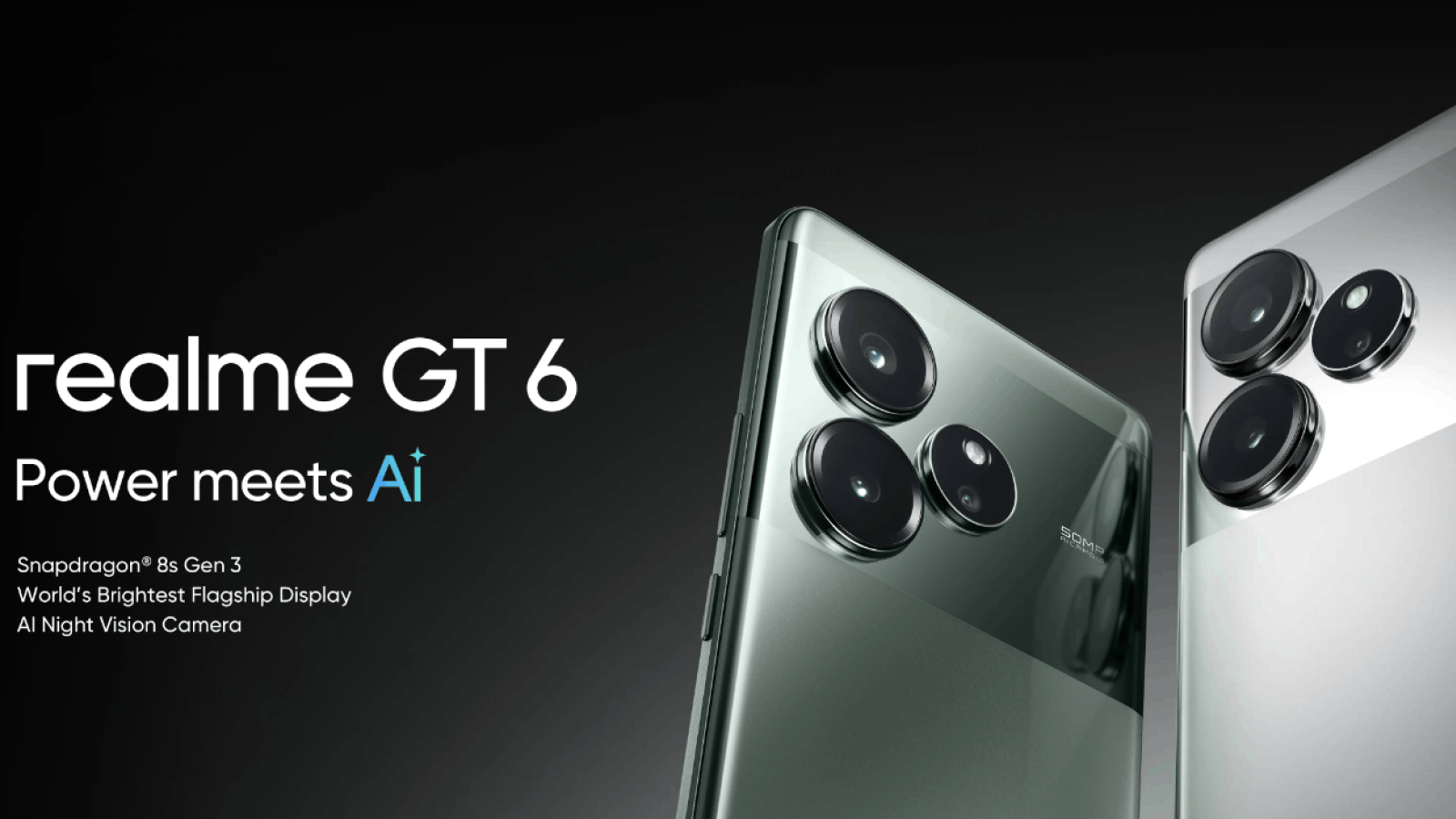
6. Realme
Realme, a subsidiary of BBK Electronics, was established in 2018. The brand quickly gained popularity for feature-rich smartphones at affordable prices.
Strengths
- Affordability: Realme phones are competitively priced.
- Fast Charging: Many Realme phones come with fast charging capabilities.
- Design: Realme phones often feature modern and attractive designs.
Popular Models
- Realme GT: Known for its flagship-level performance.
- Realme 8 Pro: Offers a great camera and solid performance.
- Realme C25: A budget-friendly option with good battery life.
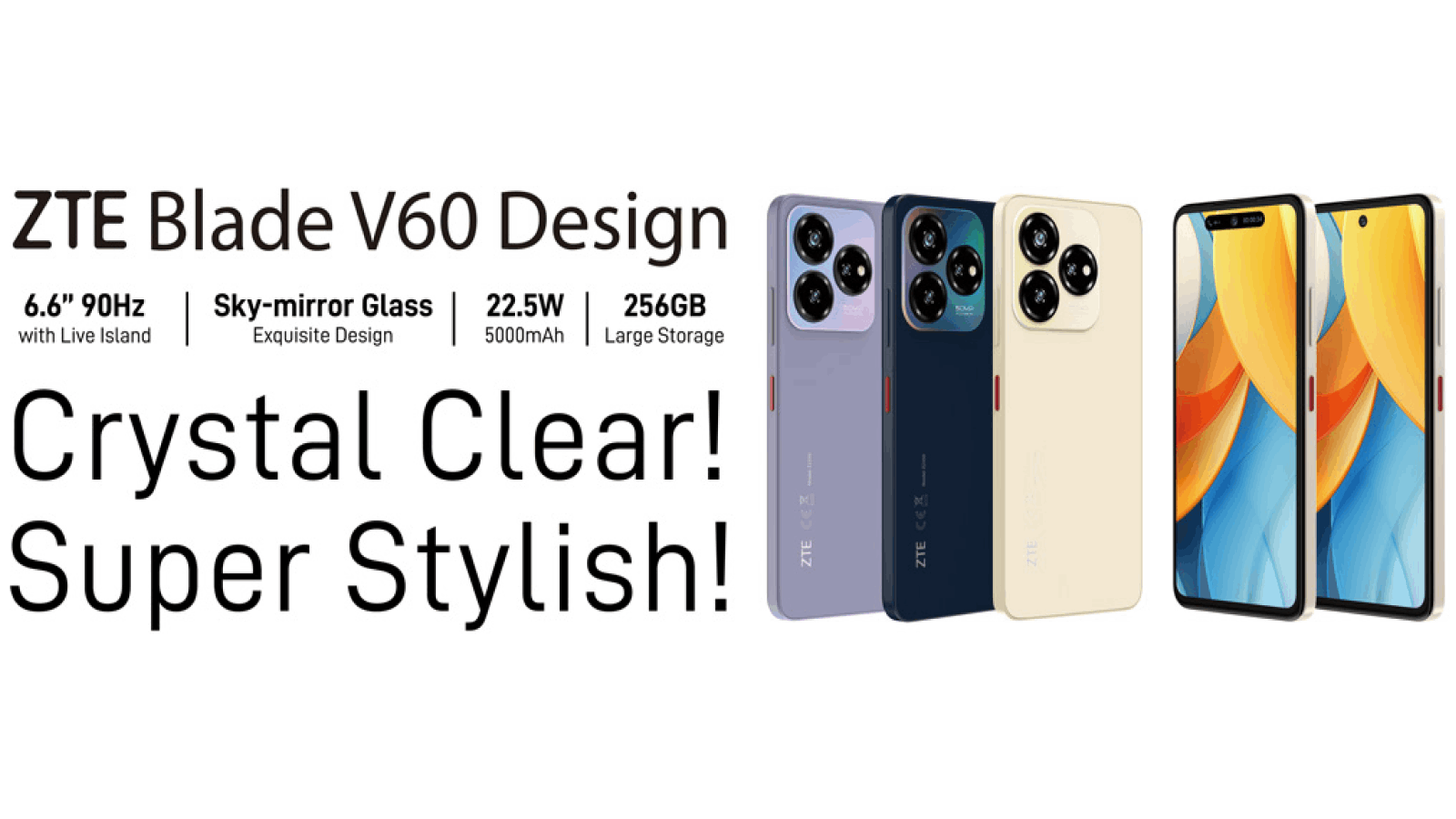
7. ZTE
ZTE, founded in 1985, is one of the oldest Chinese telecommunications companies. The brand has a diverse portfolio, including smartphones, tablets, and networking equipment.
Strengths
- Innovation: ZTE is known for its innovative features, such as under-display cameras.
- Diverse Product Line: ZTE offers a wide range of products catering to different market segments.
- Network Expertise: ZTE’s expertise in telecommunications gives it an edge in mobile connectivity.
Popular Models
- ZTE Axon 30 Ultra: Features a powerful camera system and high performance.
- ZTE Blade V30: A mid-range phone with a good balance of features.
- ZTE Nubia Red Magic 6: A gaming phone with high-end specs.
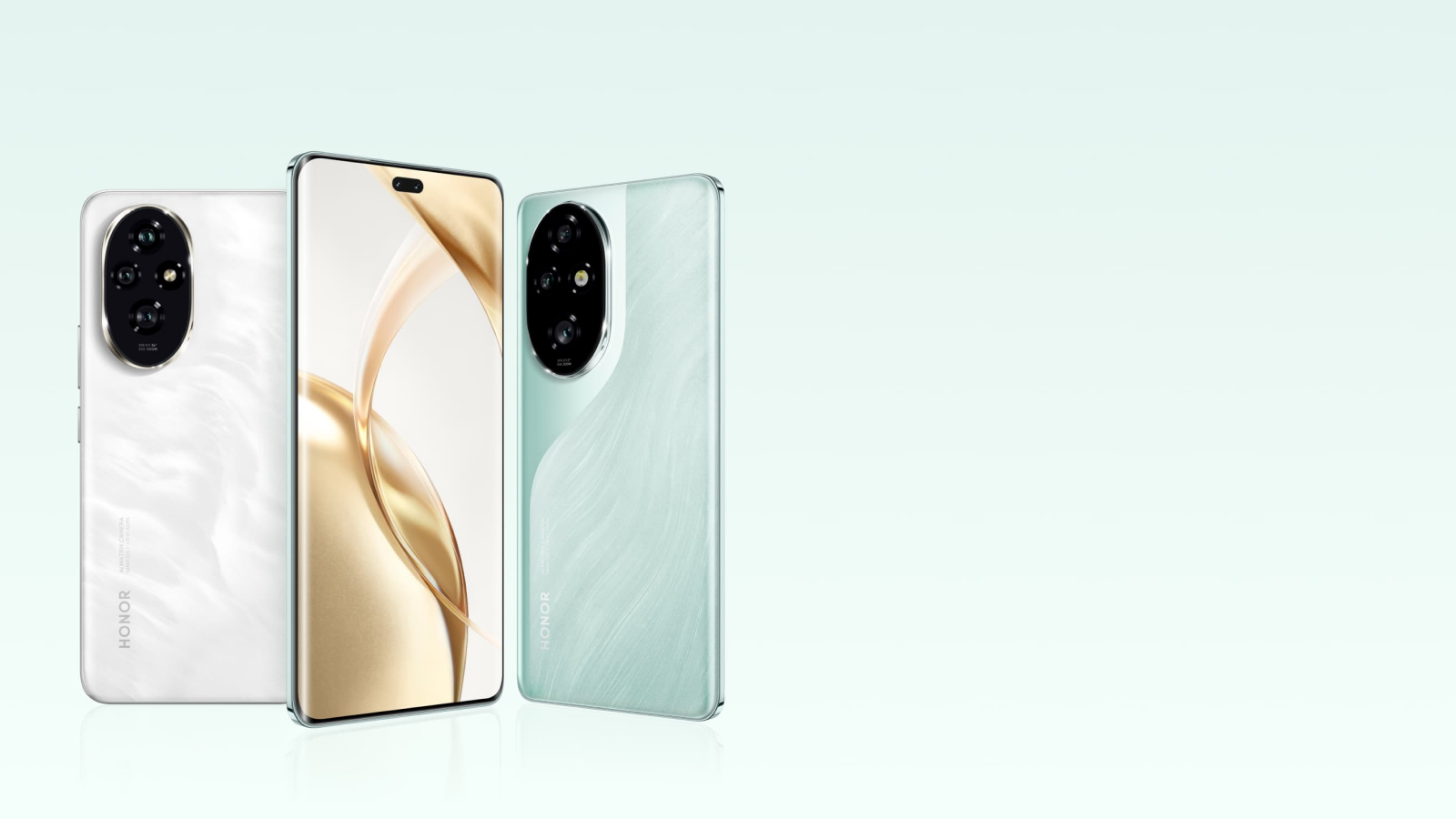
8. Honor
Honor, originally a sub-brand of Huawei, was established in 2013. Now an independent brand, Honor continues to offer smartphones with a focus on youth and innovation.
Strengths
- Youth-Oriented Design: Honor phones often feature trendy designs and colors.
- Performance: Honor phones are known for good performance and affordability.
- Camera Quality: Honor phones often come with impressive camera setups.
Popular Models
- Honor 50: Known for its stylish design and good camera.
- Honor Magic3: Offers high-end specs and performance.
- Honor X20: A budget-friendly option with decent features.
9. Lenovo
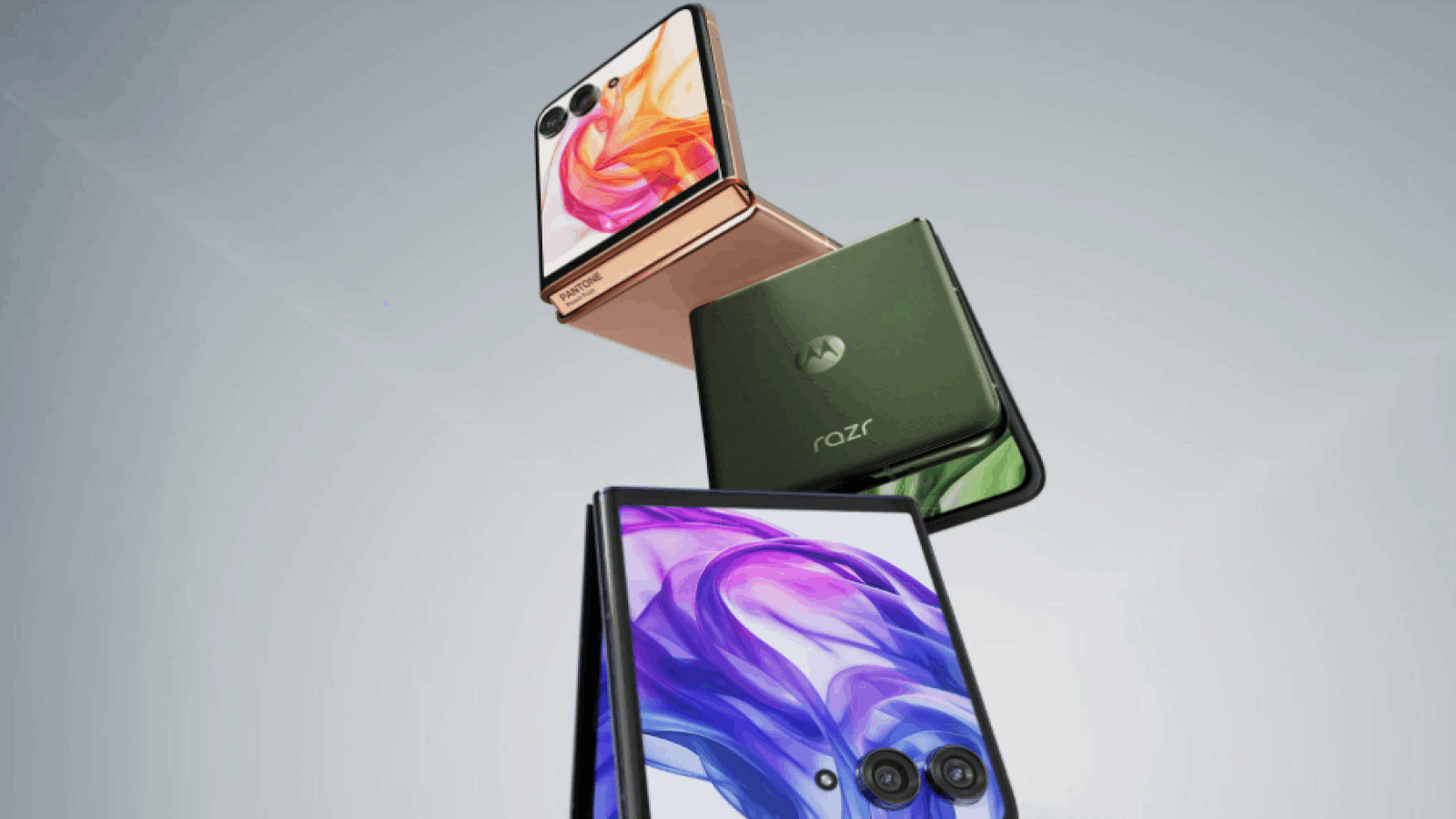
Lenovo, a multinational technology company, entered the smartphone market with its acquisition of Motorola Mobility in 2014. Lenovo phones are known for their reliability and robust build quality.
Strengths
- Build Quality: Lenovo phones are known for their durability.
- Battery Life: Many Lenovo phones come with long-lasting batteries.
Popular Models
- Lenovo Legion Phone Duel 2: A gaming phone with high-end specs.
- Lenovo K12 Pro: A budget-friendly phone with good battery life.
- Lenovo Z6 Pro: Offers a good balance of features and performance.
10. Meizu
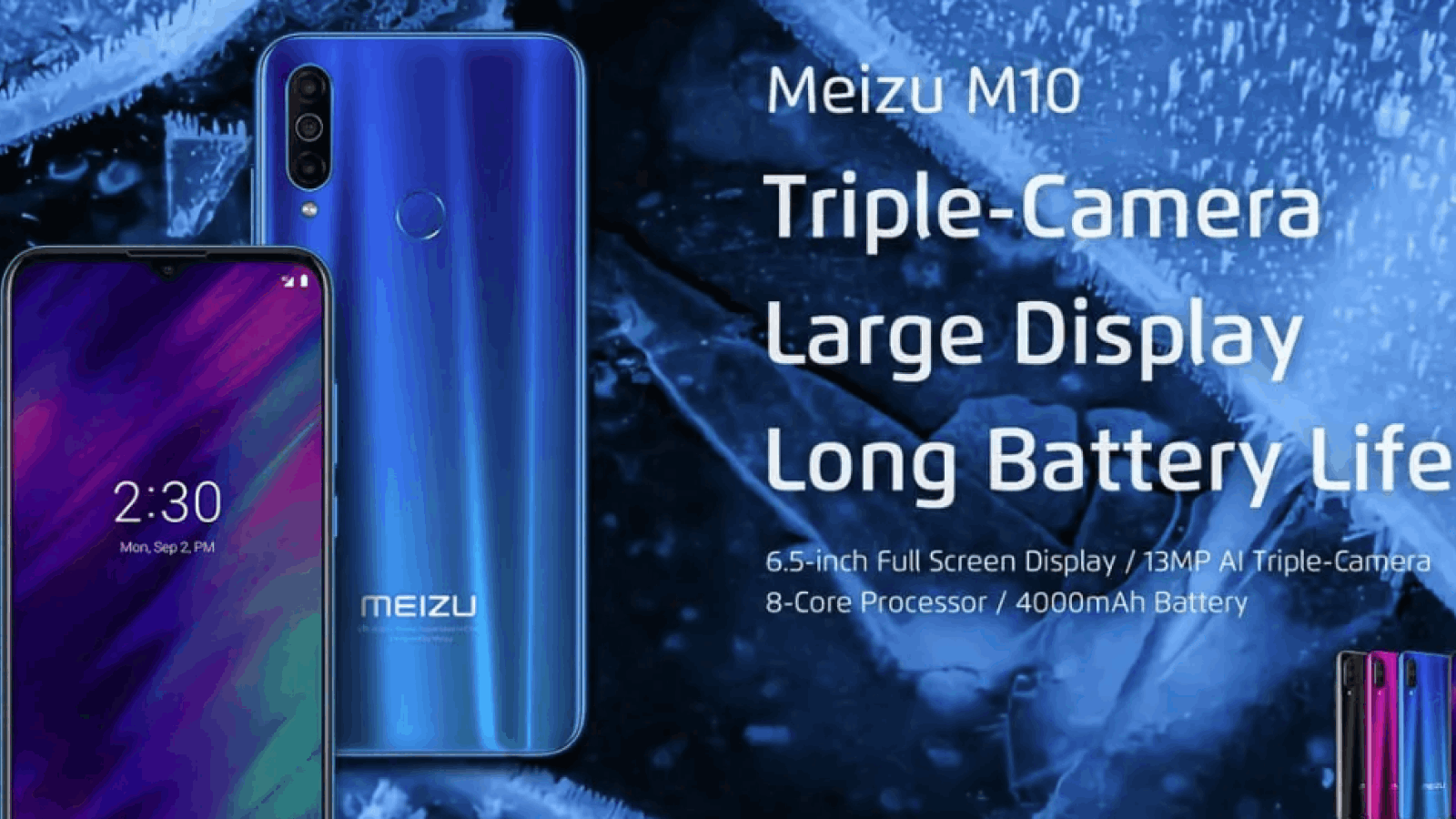
Meizu, founded in 2003, started as an MP3 player manufacturer before entering the smartphone market. The brand is known for its elegant designs and user-friendly interface.
Strengths
- Design: Meizu phones often feature sleek and elegant designs.
- Flyme OS: Meizu’s custom Android skin is intuitive and easy to use.
- Affordability: Meizu offers good value for money.
Popular Models
- Meizu 18 Pro: Known for its high-end specs and design.
- Meizu 17: Offers a good balance of performance and features.
- Meizu M6 Note: A budget-friendly option with decent specs.
11. Transsion (Tecno/Infinix/iTel)
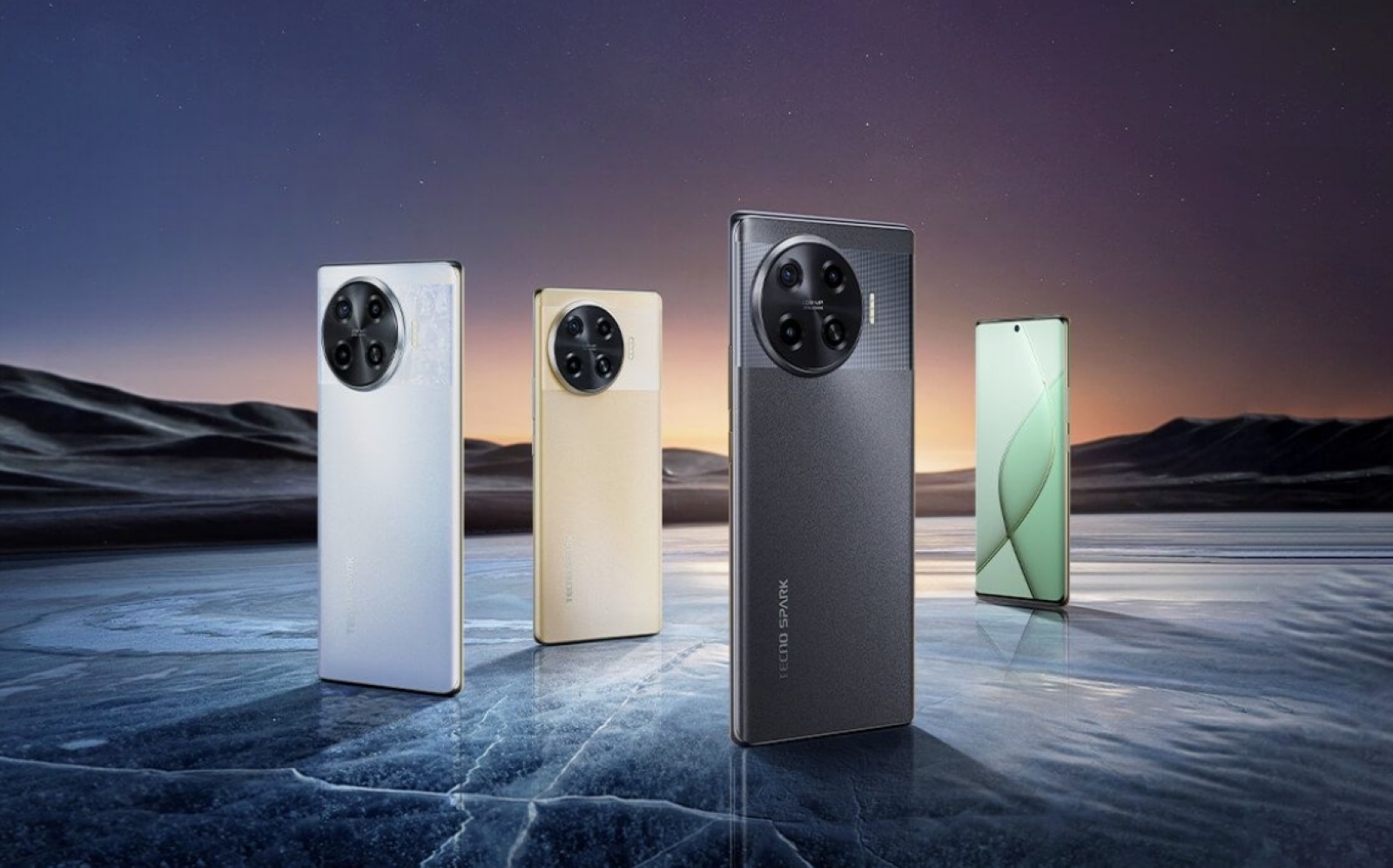
Transsion Holdings (传音控股), founded in 2006, has become the leading smartphone manufacturer in Africa and rapidly expanding in emerging markets. The company operates through three main sub-brands targeting different market segments with localized features.
Strengths
- Market Dominance: Leading smartphone brand in Africa with deep understanding of local consumer needs
- Multi-brand Strategy: Three distinct brands (Tecno, Infinix, iTel) covering premium, mid-range, and budget segments
- Localization: Advanced features like dual-SIM support, long battery life, and optimized cameras for darker skin tones
Popular Models
- Tecno Phantom X2 Pro: Premium flagship with advanced camera system and curved display
- Infinix Note 12: Mid-range powerhouse known for large battery and fast charging
- iTel A58 Pro: Budget-friendly option offering essential smartphone features at accessible prices
12. TCL Mobile
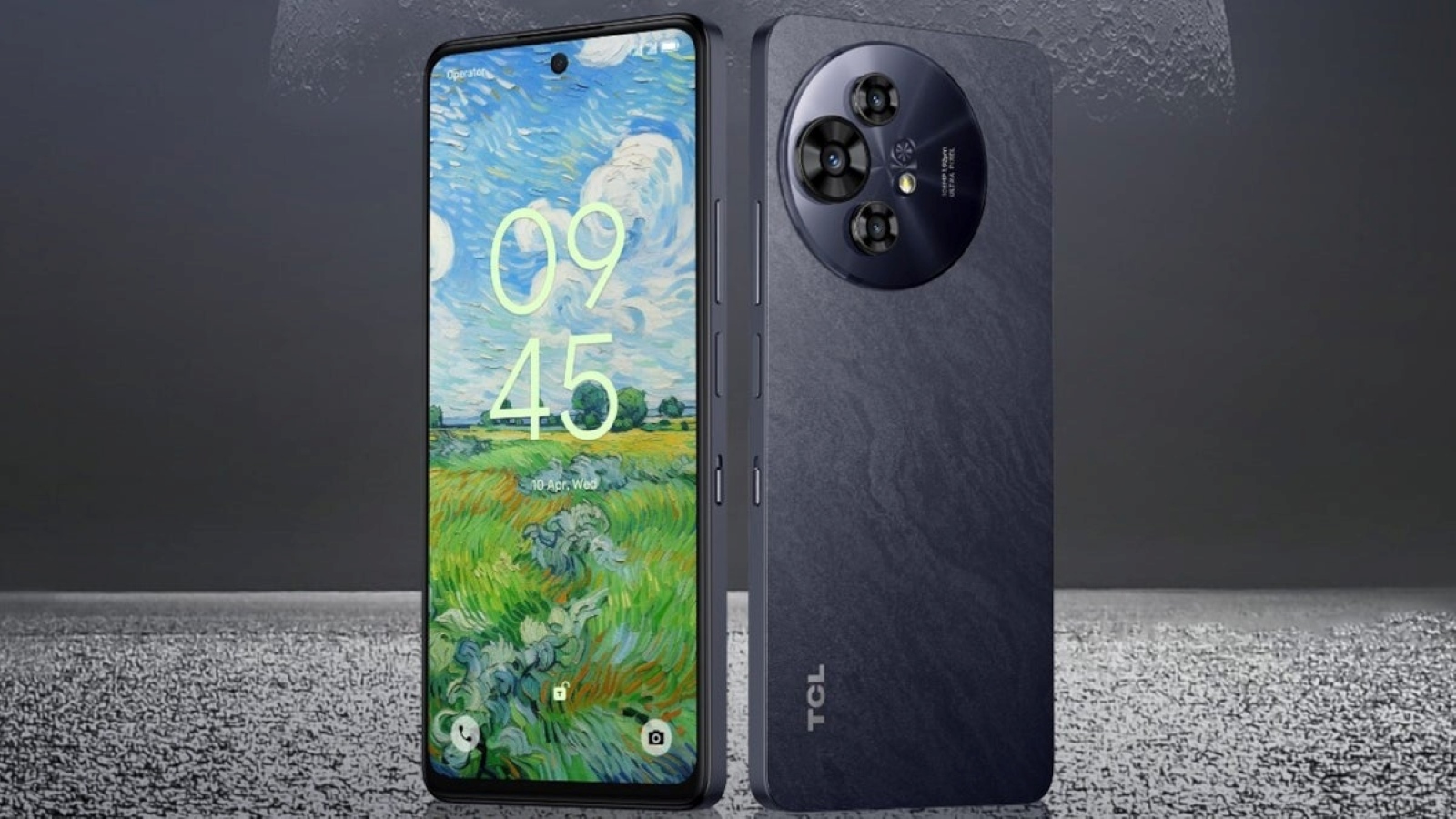
TCL Mobile, leveraging the established TCL brand from consumer electronics since 2004, entered the smartphone market with a focus on display technology and affordable premium features. The brand combines decades of screen expertise with competitive smartphone design.
Strengths
- Display Technology: Superior screen quality inherited from TCL's TV and display manufacturing expertise
- Value Proposition: Premium features at competitive prices with focus on multimedia experience
- Ecosystem Integration: Seamless connectivity with TCL's smart home and entertainment products
Popular Models
- TCL 20 Pro 5G: Mid-range flagship featuring curved AMOLED display and versatile camera system
- TCL 10L: Budget-friendly option with large display and decent performance for everyday use
- TCL 30 XE 5G: Entry-level 5G smartphone offering future-ready connectivity at affordable prices
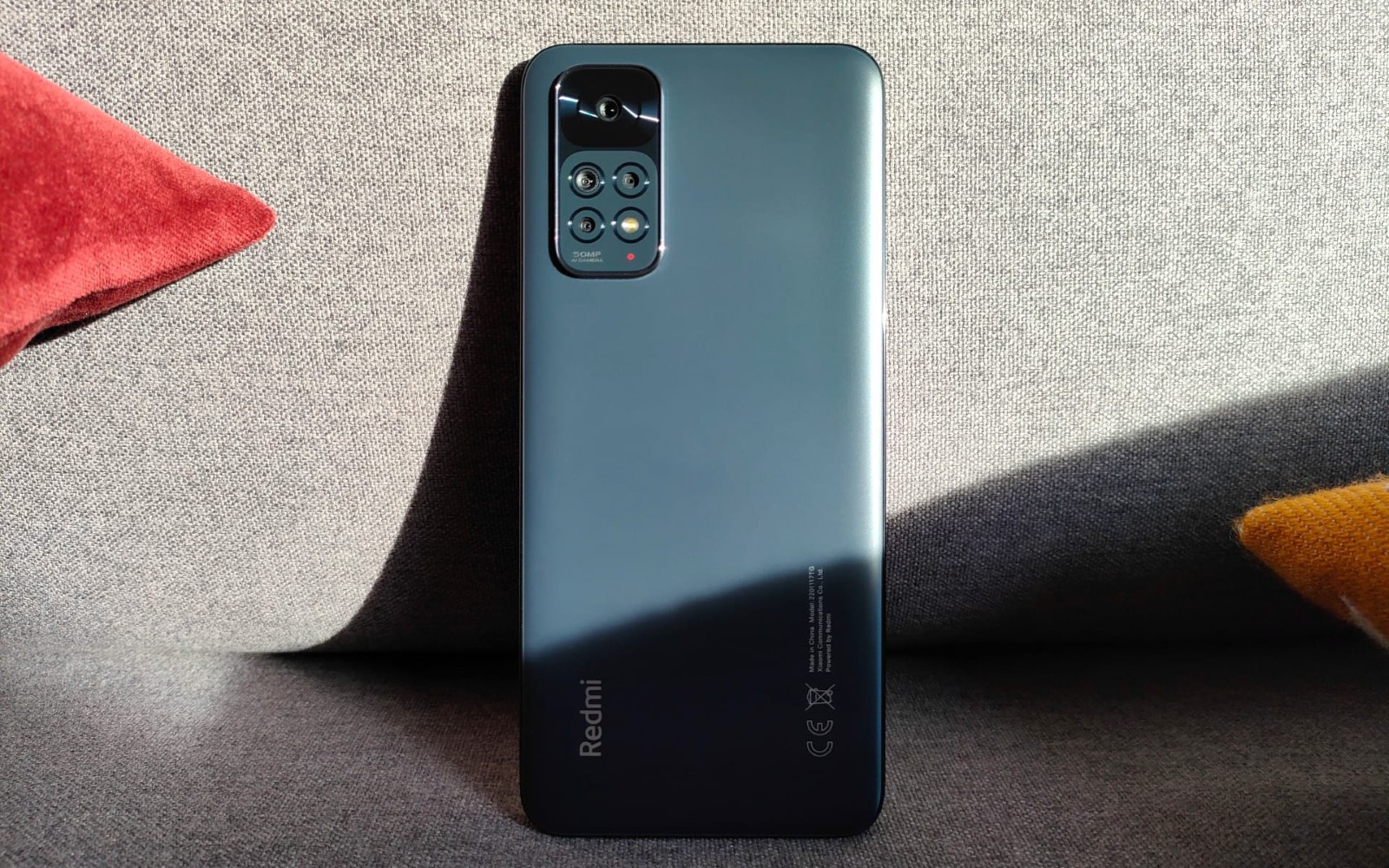
13. Redmi (Xiaomi Sub-brand)
Redmi, launched as Xiaomi's independent sub-brand in 2019, focuses on delivering flagship-level features at budget-friendly prices. The brand has built a reputation for exceptional value and aggressive pricing in the competitive smartphone market.
From: techreviewer
Strengths
- Value Engineering: Industry-leading price-to-performance ratio with flagship features at budget prices
- MIUI Optimization: Refined MIUI experience tailored for Redmi devices with regular updates
- Build Quality: Solid construction and reliable performance despite competitive pricing
Popular Models
- Redmi Note 12 Pro: Popular mid-range phone with high-refresh display and fast charging capabilities
- Redmi K60 Pro: Performance flagship offering top-tier specs at significantly lower prices than competitors
- Redmi 12C: Entry-level smartphone providing essential features and reliable performance for budget-conscious users
Part 2. Why Wholesale Phones from China?
The allure of China's wholesale phone market is undeniable, drawing entrepreneurs and businesses worldwide seeking quality devices at competitive prices. Several factors contribute to this global attraction:
1. Competitive Pricing: Chinese manufacturers have mastered the art of cost-effective production. Large-scale operations, access to raw materials, limit labor rights and efficient supply chains allow them to offer wholesale phones at significantly lower prices than traditional brands. This price advantage translates into higher profit margins for businesses and more affordable options for consumers.
2. Wide Selection and Variety: China's phone market is a vibrant ecosystem teeming with diverse options. From established brands like Xiaomi, OPPO, and Vivo to emerging players and Original Equipment Manufacturers (OEMs), the choices are vast. This diversity caters to various budgets and preferences, ensuring businesses can find the perfect phones to match their target market.
3. Improved Technology: China has rapidly closed the gap in technological innovation between itself and the rest of the world, and its phone industry is no exception. Manufacturers constantly follow the latest developments, introducing new features like high refresh rate displays, advanced camera systems, and powerful processors, often at price points that undercut international competitors.
4. Customization Options: Many Chinese phone wholesalers offer customization options, allowing businesses to personalize devices with their branding, pre-installed apps, and specific software configurations. This flexibility is invaluable for building brand identity and tailoring phones to specific target audiences.
5. Low Minimum Order Quantities (MOQs): Unlike traditional brands that often impose high MOQs, many Chinese wholesalers offer flexibility with smaller order sizes. This accessibility is particularly beneficial for startups, small businesses, and those testing new markets without committing to large upfront investments.
6. Established Logistics and Infrastructure: China boasts a robust logistics infrastructure with well-established shipping routes and networks connecting it to the rest of the world. This efficiency ensures smooth and timely delivery of wholesale phone orders, minimizing potential delays and disruptions.
7. Access to Spare Parts and Repair Services: A significant advantage of sourcing phones from China is the readily available and affordable ecosystem of spare parts and repair services. This accessibility simplifies after-sales support, reduces downtime, and ensures long-term device viability.
8. Growing Reputation for Quality: While "Made in China" carries connotations of inferior quality, Chinese phone manufacturers have made some advances in quality control and craftsmanship, producing devices that rival established international brands in performance and durability.
9. Thriving Ecosystem of Accessories: The Chinese phone market is complemented by a vast ecosystem of manufacturers and suppliers offering a wide range of accessories, from cases and screen protectors to chargers and headphones. This readily available and affordable accessory market allows businesses to provide comprehensive solutions to their customers.
10. Support for Multiple Operating Systems: While Android dominates the Chinese phone market, wholesalers offer devices running various operating systems, including customized Android versions. This flexibility allows businesses to cater to diverse user preferences and market demands.
In conclusion, the combination of competitive pricing, product variety, customization options, and a well-established infrastructure makes China an attractive destination for wholesale phone sourcing.
Part 3. Key Players in China's Phone Market
China's phone market is a dynamic landscape with a mix of established giants and rising stars constantly vying for market share. Understanding these key players is crucial for navigating the wholesale landscape:
1. Huawei: Despite recent challenges, Huawei remains a technological powerhouse and a major player in the Chinese market. Known for its innovative hardware, particularly in camera technology, Huawei offers a range of smartphones across various price points.
2. Xiaomi: Xiaomi has rapidly ascended to become one of the world's largest smartphone manufacturers. Renowned for its value-for-money approach, Xiaomi offers feature-rich devices at competitive prices, appealing to a broad consumer base.
3. OPPO: OPPO has carved a niche for itself with a strong focus on design and camera technology. Their phones often boast sleek aesthetics and innovative camera features, targeting a style-conscious and tech-savvy audience.
4. Vivo: Similar to OPPO, Vivo emphasizes design and camera capabilities. They are known for pioneering features like pop-up selfie cameras and in-display fingerprint sensors, appealing to users seeking cutting-edge technology.
5. Realme: A relatively newer entrant, Realme, has quickly gained popularity with its aggressive pricing strategy and focus on performance. Targeting younger demographics, Realme offers powerful devices at budget-friendly prices.
6. OnePlus: Initially known for its "flagship killer" approach, OnePlus has expanded its portfolio to offer a range of premium devices. They are known for their clean software experience and fast performance, appealing to tech enthusiasts.
7. Honor: Formerly a sub-brand of Huawei, Honor now operates independently and has quickly established itself as a significant player. They offer a diverse portfolio of smartphones across various price segments, focusing on design and innovation.
8. Lenovo: While primarily known for its computers, Lenovo also maintains a presence in the Chinese smartphone market. They offer a range of budget-friendly and mid-range devices, often targeting business users.
9. ZTE: A veteran in the telecommunications industry, ZTE also manufactures smartphones, primarily focusing on affordable and mid-range options. They are known for their reliable devices and long-standing presence in the market.
10. Tecno Mobile: Focusing on emerging markets, Tecno Mobile has gained significant traction in Africa and other regions. They offer a range of budget-friendly devices tailored to local market needs and preferences.
Beyond these major players, numerous smaller manufacturers and OEMs contribute to the diversity of China's phone market. Understanding the strengths and target audiences of these key players can help businesses identify suitable partners and source devices that align with their business goals.
Part 4. Wholesale Phones on Global Sources
Global Sources stands as a prominent B2B sourcing platform connecting buyers worldwide with verified suppliers, particularly from China. For businesses seeking wholesale phones, Global Sources offers a streamlined and reliable sourcing experience with several key advantages:
1. Vast Supplier Network: Global Sources boasts a vast network of verified Chinese phone manufacturers and wholesalers, providing access to a diverse range of brands, models, and price points. This extensive selection simplifies the process of finding the perfect devices to meet specific business needs.
2. Verified Suppliers: Global Sources employs a rigorous supplier verification process, ensuring businesses connect with legitimate and trustworthy manufacturers. This verification process minimizes the risk of scams, fraud, and unreliable suppliers, providing peace of mind during the sourcing journey.
3. Detailed Product Information: The platform provides comprehensive product listings with detailed specifications, images, and often videos, allowing buyers to thoroughly evaluate phones before making purchasing decisions. This transparency ensures informed choices and reduces the likelihood of surprises upon delivery.
4. Competitive Pricing and MOQs: Global Sources fosters a competitive environment where suppliers often offer competitive wholesale prices and flexible MOQs. This advantage allows businesses to secure attractive deals and manage inventory effectively, especially for smaller businesses or those testing new markets.
5. Communication Tools: The platform facilitates seamless communication between buyers and suppliers through built-in messaging systems, enabling efficient negotiation, clarification of details, and order tracking. This direct communication streamlines the sourcing process and fosters stronger business relationships.
6. Trade Show Participation: Global Sources organizes renowned trade shows, including the Global Sources Mobile Electronics Show, providing opportunities for buyers to meet suppliers face-to-face, experience products firsthand, and negotiate deals in person. These events offer invaluable networking and sourcing opportunities.
7. Sourcing Support Services: Beyond connecting buyers and suppliers, Global Sources offers various value-added services, including sourcing requests, supplier recommendations, and logistics support. These services simplify the sourcing process and provide assistance at every stage, from supplier identification to product delivery.
8. Secure Payment Options: Global Sources prioritizes secure transactions, offering various payment methods, including escrow services, to protect both buyers and suppliers. This secure payment environment minimizes financial risks and ensures smooth transactions.
9. Buyer Protection Programs: The platform offers buyer protection programs that safeguard businesses against potential risks, such as non-delivery, product misrepresentation, or payment disputes. These programs provide an additional layer of security and confidence when sourcing through Global Sources.
10. Industry Insights and Trends: Global Sources provides valuable industry insights, market trends analysis, and sourcing guides, keeping buyers informed about the latest developments in the mobile phone industry. This information empowers businesses to make informed sourcing decisions and stay ahead of the curve.
By leveraging the comprehensive features and services offered by Global Sources, businesses can navigate the complexities of wholesale phone sourcing from China with confidence, efficiency, and reduced risk. The platform's established reputation, verified supplier network, and commitment to buyer satisfaction make it a valuable resource for businesses of all sizes seeking to tap into the vast potential of the Chinese mobile phone market.
Part 5. Types of Phone in China
China's phone market is a testament to diversity, offering a vast array of devices catering to various budgets, preferences, and technological demands. Understanding these different types of phones is crucial for businesses to effectively target their desired market segments:
1. Flagship Phones: Representing the pinnacle of technology and innovation, flagship phones from Chinese brands like Huawei, Xiaomi, OPPO, and Vivo boast cutting-edge features, premium materials, and powerful processors. These devices target tech-savvy consumers seeking the best possible smartphone experience.
2. Mid-Range Phones: Balancing performance and affordability, mid-range phones offer a compelling value proposition. They often incorporate features found in flagship models, such as high refresh rate displays, multiple cameras, and ample storage, but at more accessible price points. This segment caters to a broad audience seeking a balance between features and cost-effectiveness.
3. Budget Phones: Addressing the needs of price-conscious consumers, budget phones prioritize affordability without compromising essential functionality. These devices offer basic smartphone capabilities, including calling, messaging, internet browsing, and social media access, at remarkably low prices, making them popular in emerging markets and among first-time smartphone users.
4. Gaming Phones: Designed for mobile gaming enthusiasts, gaming phones prioritize performance, responsiveness, and immersive gaming experiences. They often feature powerful processors, high refresh rate displays, dedicated cooling systems, and enhanced touch sensitivity for optimal gaming performance.
5. Rugged Phones: Built to withstand demanding environments, rugged phones prioritize durability and resilience. They typically feature reinforced frames, water and dust resistance, and shockproof designs, making them ideal for outdoor enthusiasts, construction workers, and those working in challenging conditions.
6. Camera Phones: Catering to photography enthusiasts, camera phones prioritize image and video capture capabilities. They often boast advanced camera systems with multiple lenses, high-resolution sensors, and dedicated image processing capabilities, allowing users to capture stunning photos and videos.
7. Foldable Phones: Pushing the boundaries of smartphone design, foldable phones offer a unique combination of portability and screen real estate. These devices feature flexible displays that can be folded or unfolded, transforming between a compact phone and a larger tablet-like device.
8. 5G Phones: Embracing the next generation of mobile connectivity, 5G phones offer significantly faster download and upload speeds, lower latency, and enhanced network capacity. As 5G networks continue to expand globally, these devices are becoming increasingly popular for their future-proof connectivity.
9. Feature Phones: While smartphones dominate the market, feature phones still hold a niche for their simplicity, affordability, and long battery life. These devices prioritize basic functionality, such as calling, texting, and FM radio, often at remarkably low prices, making them popular in specific markets and among users seeking basic communication tools.
10. Customized Phones: Many Chinese phone manufacturers offer customization options, allowing businesses to create unique devices tailored to specific needs. This customization can include branding elements, pre-installed apps, specific software configurations, and even hardware modifications, providing businesses with flexibility and control over their product offerings.
Understanding the diverse types of phones available in China empowers businesses to make informed sourcing decisions. By aligning phone types with target market preferences and business objectives, companies can effectively cater to specific customer needs and maximize their chances of success in the competitive mobile phone market.
Part 6. Growth of China's Phone Industry
China's phone industry has witnessed exceptional growth over the past decades, transforming into a manufacturing hub. Several factors have contributed to this remarkable trajectory:
1. Government Support and Investment: The Chinese government heavily subsidizes its domestic phone industry. Investments in infrastructure development, and favorable policies have helped Chinese manufacturers to undercut the competition in many areas.
2. Rise of Domestic Champions: Chinese phone brands like Huawei, Xiaomi, OPPO, and Vivo have emerged as global players, challenging established international brands with their competitive pricing and aggressive marketing strategies. These domestic champions have captured significant market share both domestically and internationally, driving the industry's overall growth.
3. Large and Growing Domestic Market: China boasts the world's largest smartphone market, with hundreds of millions of users. This vast and ever-growing domestic market provides a substantial customer base for Chinese phone manufacturers, fueling their revenue streams and enabling them to reinvest in expansion.
4. Manufacturing Prowess and Supply Chain Efficiency: China has established itself as the world's manufacturing powerhouse, and its phone industry benefits significantly from this expertise. Access to cheap labor, efficient supply chains, and readily available components allows for cost-effective production and rapid scaling of operations.
5. Technological Innovation and R&D Investment: Chinese phone manufacturers have demonstrated a relentless pursuit of technological improvement. Significant investments in research and development have enabled them to follow industry leaders and copy their innovations in areas like camera technology, display technology, battery life, and 5G connectivity.
6. Focus on Affordability and Value for Money: Chinese phone brands have successfully captured a significant portion of the global market by offering feature-rich devices at cheap prices. This focus on value for money has resonated with consumers in price-sensitive markets.
7. Aggressive Marketing and Expansion Strategies: Chinese phone companies have employed aggressive marketing campaigns and strategic partnerships to expand their global reach.
8. Mobile Internet Penetration and Smartphone Adoption: China's rapid mobile internet penetration and widespread smartphone adoption have created a massive demand for mobile devices.
9. eCommerce Growth and Online Sales Channels: The explosive growth of ecommerce in China has provided a significant boost to the phone industry. Online sales channels have made it easier for consumers to purchase smartphones, while also providing manufacturers with direct access to a wider customer base.
10. Government Initiatives to Promote Domestic Consumption: In recent years, the Chinese government has implemented initiatives to stimulate domestic consumption, including policies that encourage the purchase of domestically produced goods, further bolstering the growth of the phone industry.
Part 7. Market Trends and Challenges
China's phone industry, while robust and dynamic, faces evolving market trends and challenges that require adaptation and strategic navigation:
Trends:
1. 5G Adoption and Network Expansion: The rollout of 5G networks is transforming the mobile landscape, and Chinese manufacturers are at the following this transition closely. The demand for 5G-enabled devices is surging, presenting both opportunities and challenges for manufacturers to develop innovative and affordable 5G phones to meet diverse consumer needs.
2. Artificial Intelligence (AI) Integration: So-called AI is permeating various aspects of smartphones, from camera capabilities and voice assistants to battery optimization and personalized user experiences. Chinese phone makers are investing heavily in AI research and development to integrate advanced AI features into their devices.
3. Internet of Things (IoT) Connectivity: Smartphones are increasingly becoming central hubs for controlling and interacting with other smart devices in the IoT ecosystem. Chinese manufacturers are incorporating features and functionalities that enable seamless connectivity and interoperability between smartphones and other IoT devices, creating a more integrated and convenient user experience.
4. Foldable Phone Innovation and Adoption: Foldable phones represent a significant design innovation, offering the potential to transform the smartphone experience. Chinese manufacturers are actively adopting foldable phone technology.
5. Sustainable and Ethical Manufacturing Practices: Consumers are becoming increasingly conscious of the environmental and social impact of their purchasing decisions. This represents a challenge for Chinese phone manufacturers, who are facing growing pressure to adopt more sustainable and ethical manufacturing practices, including responsible sourcing of materials, reducing their carbon footprint, and ensuring fair labor conditions for their workers.
Challenges:
1. Intensifying Competition: The global smartphone market is highly competitive, with established international brands and emerging players vying for market share. Chinese phone manufacturers face constant pressure to differentiate their products, and maintain competitive pricing.
2. Global Chip Shortage: The ongoing global chip shortage poses a significant challenge for the entire electronics industry, including smartphone manufacturers, particularly in China where the technology to manufacture the latest generations of chips is unavailable. This shortage has led to production delays, increased component costs, and disruptions in supply chains, impacting the ability of Chinese phone makers to meet demand and maintain profitability.
3. Geopolitical Tensions and Trade Wars: Geopolitical tensions and trade wars, particularly between China and the United States, have created uncertainties and challenges for Chinese phone manufacturers. These tensions have resulted in tariffs, export restrictions, and disruptions in global supply chains, impacting the industry's ability to operate.
4. Data Privacy and Security Concerns: As smartphones become increasingly sophisticated and collect vast amounts of personal data, concerns regarding data privacy and security are paramount. Chinese phone manufacturers face scrutiny and skepticism from many consumers and governments because of their invasive data handling practices and their exposure to government pressure.
5. Intellectual Property Protection: Intellectual property protection remains a concern in China, and many foreign companies have raised concerns about intellectual property infringement.
Part 8. FAQs
Which Chinese Phone Brand is Best?
Determining the "best" Chinese phone brand can be subjective as it depends on various factors such as user preference, budget, and specific needs. However, several Chinese brands stand out due to their innovation, quality, and market performance.
Huawei is often considered one of the top Chinese phone brands. Known for its high-end smartphones, Huawei has made significant strides in the global market. The company’s flagship series, such as the Huawei P and Mate series, are praised for their advanced camera systems, robust performance, and sleek designs. Huawei's investment in 5G technology and its proprietary Kirin processors also set it apart.
Xiaomi is another leading Chinese brand, known for offering high-quality smartphones at competitive prices. Xiaomi's Mi and Redmi series cater to different segments of the market, from budget to premium. The Mi series, particularly the Mi 11 and Mi 11 Ultra, have received accolades for their performance, innovative features, and value for money. Xiaomi's commitment to providing regular software updates and its MIUI interface are also appreciated by users.
Oppo and its sub-brand Realme have also gained significant popularity. Oppo is known for its camera-centric smartphones and innovative features like the pop-up camera and SuperVOOC fast charging. Realme, on the other hand, focuses on delivering high-performance smartphones at affordable prices, making it a favorite among budget-conscious consumers.
Vivo is another noteworthy brand, particularly recognized for its camera innovations and sleek designs. Vivo's flagship series, such as the X and V series, offer excellent camera capabilities, including advanced night mode and gimbal stabilization.
OnePlus, originally a subsidiary of Oppo, has carved a niche for itself with its "flagship killer" smartphones. OnePlus devices are known for their smooth performance, OxygenOS interface, and fast charging technology. The brand has a loyal fanbase and is praised for its community-driven approach.
In conclusion, the "best" Chinese phone brand can vary based on individual needs. Huawei is ideal for those seeking cutting-edge technology and premium build quality. Xiaomi offers great value for money across different price segments. Oppo and Vivo are excellent choices for camera enthusiasts, while OnePlus appeals to those looking for a near-stock Android experience and high performance.
What Phone Brand is Made in China?
Many well-known phone brands manufacture their devices in China due to the country's advanced manufacturing infrastructure and cost efficiencies. Here are some of the prominent brands that are made in China:
Apple: Although Apple is an American company, a significant portion of its iPhones are assembled in China by Foxconn, Pegatron, and other manufacturers. The components may come from various countries, but the final assembly often takes place in China.
Huawei: As a Chinese company, Huawei manufactures its smartphones in China. The company has extensive production facilities and a robust supply chain within the country.
Xiaomi: Another major Chinese brand, Xiaomi manufactures its smartphones in China. The company has partnerships with several Chinese manufacturers to produce its wide range of devices.
Oppo and Vivo: Both brands are part of BBK Electronics, a Chinese multinational conglomerate. They manufacture their smartphones in China and have extensive production facilities within the country.
OnePlus: Initially a subsidiary of Oppo, OnePlus also manufactures its smartphones in China. The brand shares manufacturing resources with Oppo and benefits from the same supply chain efficiencies.
Lenovo: While Lenovo is more known for its laptops, its smartphones are also manufactured in China. The company owns the Motorola brand, and some Motorola phones are assembled in China as well.
ZTE: This Chinese telecommunications equipment company manufactures its smartphones in China. ZTE has a significant presence in the Chinese market and produces a variety of devices.
Meizu: Another Chinese brand, Meizu manufactures its smartphones in China. The company focuses on delivering high-quality devices with a strong emphasis on design and user experience.
In summary, many globally recognized phone brands, including Apple, Huawei, Xiaomi, Oppo, Vivo, and OnePlus, manufacture their smartphones in China. The country's advanced manufacturing capabilities and efficient supply chain make it a preferred location for producing high-quality smartphones.
What is the Best Selling Phone Brand in China?
As of the latest data, Vivo has emerged as the best-selling phone brand in China, overtaking other major players like Huawei, Xiaomi, and Oppo. Vivo's success can be attributed to several factors, including its strong focus on innovation, extensive marketing strategies, and a wide range of products catering to different segments of the market.
Vivo has invested heavily in research and development, resulting in cutting-edge technology and features in its smartphones. The brand is particularly known for its camera innovations, such as the gimbal stabilization system and advanced night mode capabilities. These features have resonated well with consumers who prioritize camera performance in their smartphones.
Another factor contributing to Vivo's success is its aggressive marketing and sponsorship deals. Vivo has been a prominent sponsor of major sporting events, including the FIFA World Cup and the Indian Premier League (IPL), which has significantly boosted its brand visibility and appeal. The company also engages in extensive online and offline marketing campaigns to reach a broad audience.
Vivo's product portfolio is diverse, catering to various price points and consumer preferences. The flagship X series offers premium features and high performance, while the V series focuses on camera-centric smartphones. The Y series targets the budget segment, providing good value for money. This wide range of products ensures that Vivo has something to offer for every type of consumer.
In addition to its strong product lineup, Vivo has a robust distribution network in China. The company has a significant presence in both urban and rural areas, making its smartphones easily accessible to a large number of consumers. Vivo's extensive network of retail stores and partnerships with online platforms ensure that its products are readily available across the country.
Furthermore, Vivo's commitment to customer service and after-sales support has helped build a loyal customer base. The company offers comprehensive warranty programs and efficient service centers, which enhance the overall customer experience.
In conclusion, Vivo's combination of innovative technology, aggressive marketing, diverse product range, and strong distribution network has propelled it to the top of the smartphone market in China. While other brands like Huawei, Xiaomi, and Oppo continue to be strong competitors, Vivo's strategic approach and focus on consumer needs have made it the best-selling phone brand in the country.
Are Samsung Phones Made in China?
Samsung, a South Korean multinational conglomerate, is one of the largest smartphone manufacturers in the world. Historically, Samsung did manufacture some of its smartphones in China, but the company has moved away from the PRC in recent years amid concerns over cost, security and labor practices. In 2019, Samsung closed its last smartphone factory in China. The company now manufactures its smartphones in several key locations:
South Korea: Samsung's home country remains a significant hub for its high-end smartphone production. The company manufactures its flagship devices, such as the Galaxy S and Galaxy Note series, in South Korea to maintain stringent quality control and leverage advanced manufacturing technologies.
Vietnam: Vietnam has become one of Samsung's largest manufacturing hubs. The company has invested heavily in building large-scale production facilities in the country. A substantial portion of Samsung's smartphones, including mid-range and flagship models, are produced in Vietnam. The country's favorable labor costs and trade policies make it an attractive location for manufacturing.
India: Samsung has also expanded its manufacturing operations in India. The company operates one of the world's largest mobile phone manufacturing plants in Noida, Uttar Pradesh. This facility produces a wide range of smartphones, catering to both the domestic market and export demands. India's growing market and government incentives for local manufacturing have encouraged Samsung to increase its production capacity in the country.
Brazil: Samsung has manufacturing facilities in Brazil to serve the Latin American market. The company produces smartphones locally to meet regional demand and benefit from local trade agreements.
Indonesia: Samsung also manufactures smartphones in Indonesia, primarily to cater to the Southeast Asian market. The company's investment in Indonesian production facilities helps reduce shipping costs and improve supply chain efficiency in the region.

