
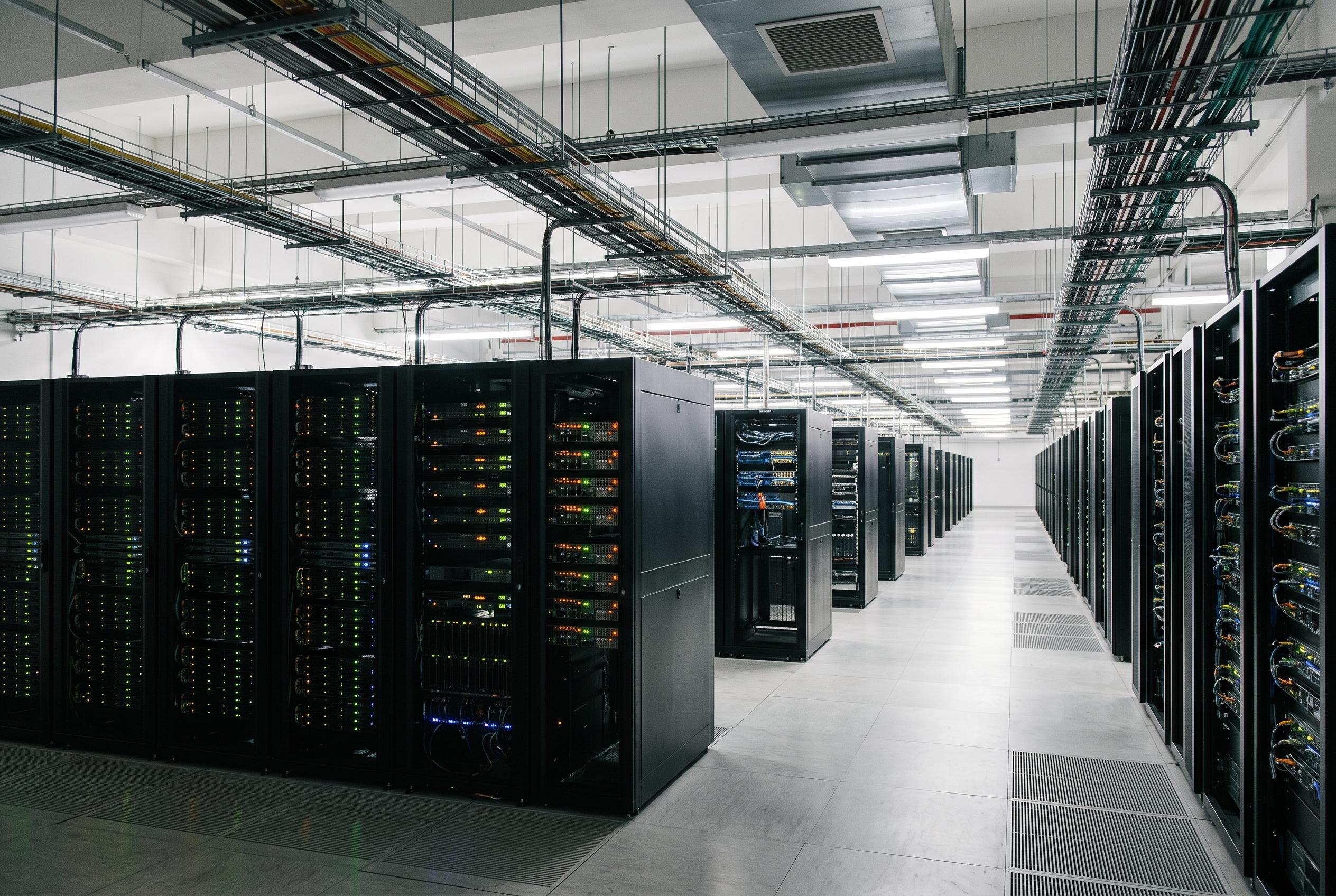
- Growing demand for AI accelerates need for new data center infrastructure
- Edge data centers address site and power constraints in major cities
- Urban redevelopment and university campuses may host future low-latency data hubs
Artificial intelligence is driving changes in everyday life. At the same time, specific IT infrastructure is needed to learn, distribute, and provide vast amounts of information and knowledge. In addition to advanced computing that can handle AI applications and various platform services, AI data centers (DCs) equipped with network and storage architectures, as well as energy and cooling capabilities, are essential.
As AI use increases across industries, demand for large-scale data center construction is rising. However, the reality is that there are difficulties not only with the power and water needed to support such facilities, but also with securing suitable sites, especially in major cities where complaints from residents can arise.
Large-scale DC construction faces site acquisition difficulties
As an alternative that can help solve this, interest in edge data centers is increasing. Edge data centers include the same components as traditional data centers, but their computing performance and other IT infrastructure capabilities differ significantly. In other words, they allow access to AI infrastructure while preserving the benefits of AI technology, making them suitable for advanced industries, the defense sector, and university research fields.
The biggest advantage of edge data centers is that they optimize latency by strategically managing and storing data close to the point of use. This makes efficient real-time data processing possible for automation, autonomous vehicles, and video streaming applications across industries.
In particular, as demand for low-latency data processing grows, they can help optimize the implementation of various AI applications such as voice and image recognition, machine learning, and natural language processing. By processing data near the source, companies can maximize efficiency, reduce costs, improve performance, and minimize the amount of data that must be sent to a central data center for various analyses.
As demand for various AI data centers surges, edge data centers are emerging as a new alternative, especially in megacities such as Seoul. Large data centers are having difficulty entering major urban areas such as Seoul because of site shortages and power supply issues. In addition to using underutilized office buildings in existing downtown areas or development projects linked to redevelopment efforts, developing small data centers on university campus land could be effective.
Possible through urban redevelopment and university campuses
Until now, domestic private data center investment has been concentrated in large facilities with power supply capacities of 50 MW or more. Large-scale data centers require massive amounts of electricity and large sites, so most are located on the outskirts of the capital region or in provincial areas, far from Seoul’s downtown, which has caused data transmission latency issues. In addition, securing power grids and going through permitting procedures have also been obstacles to business progress.
The global edge data center market is expected to grow from $17.99 billion in 2025 to $22.31 billion in 2026 and $124.79 billion in 2034. As adoption of emerging technologies such as the Internet of Things (IoT), big data, cloud computing, streaming services, and 5G increases, there is a need to consider promoting a K-edge data center construction project as a global high-end AI data center model.
Takeaways / FAQ
- -
Why are edge data centers gaining attention? They help reduce latency and support faster AI and mobile applications closer to users.
- -
What sectors may benefit most? Advanced industries, defense, university research, logistics, electronics, and lifestyle services can all benefit from low-latency infrastructure.
- -
What is the main challenge for large-scale DCs? Site acquisition, power supply, water use, and permitting remain major hurdles in dense urban areas.
- -
Why does this matter now? As AI, IoT, cloud, and streaming expand, the need for distributed infrastructure is growing quickly.
Disclaimer: This article may have been created with AI assistance and reviewed by our editorial team. It is provided for general informational purposes only. Readers should verify information independently before relying on this content.
