
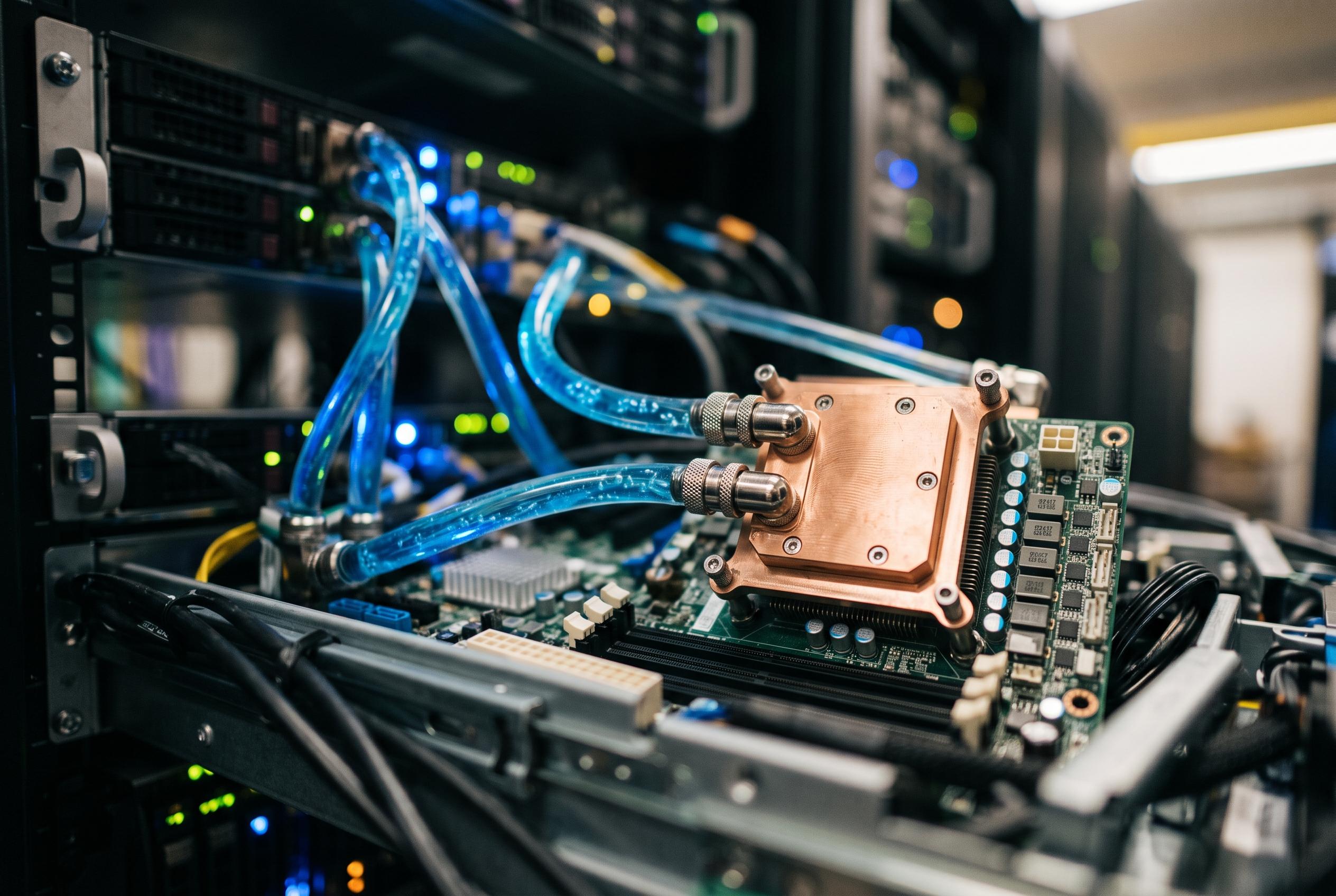
LG Electronics is building its first US chiller factory in Virginia as demand for AI data center cooling accelerates. The 350,000-square-foot facility is expected to begin production in 2027, creating more than 150 jobs while giving North American customers a closer source for large-scale, energy-conscious cooling equipment.
Essential Takeaways
- - New Virginia plant: LG plans to produce air-cooled chillers at a 43-acre Isle of Wight County site.
- - Production timeline: Manufacturing is scheduled to start in the first half of 2027.
- - North American focus: The factory is designed to shorten supply lines and support the region's fast-growing data center market.
- - Broader investment: LG is also upgrading chiller production in Pyeongtaek and Changwon, South Korea.
- - Cooling beyond chillers: LG's portfolio includes direct-to-chip liquid cooling, cold plates, coolant distribution units and control software.
AI's heat problem is becoming an infrastructure race
AI data centers don't just need enormous computing power. They also produce enormous amounts of heat, and keeping that heat under control has become one of the industry's most urgent practical challenges.
That makes LG's Virginia announcement more than a factory story. It's a bet that advanced cooling equipment will become essential infrastructure as operators build facilities for high-performance computing across North America. The company's new site is expected to produce air-cooled chillers, which help regulate temperatures across large commercial and industrial cooling systems.
According to LG Electronics, more than half of the world's AI data centers are located in North America. That concentration makes local production especially useful for operators that need equipment, maintenance and replacement parts without relying entirely on overseas supply chains.
Why Virginia is a strategic choice
The planned 350,000-square-foot factory will sit on a 43-acre site in Isle of Wight County. Production is expected to begin during the first half of 2027, with the project creating more than 150 local jobs.
Virginia also offers something that matters greatly in heavy equipment manufacturing: logistics. Access to the Port of Virginia, highways and rail connections should help LG move large chillers more efficiently, while the region's established data center industry provides a nearby customer base.
The company says the plant will support a more stable and responsive supply system for North American buyers. That's not glamorous, perhaps, but it can be decisive when a delayed cooling component threatens to hold up a massive facility buildout.
LG is expanding in South Korea, too
The Virginia factory isn't LG's only capacity move. The company is expanding air-cooled chiller production lines at its Pyeongtaek and Changwon facilities in South Korea, where it plans to use a conveyor-based manufacturing system to improve throughput.
This three-factory approach gives LG more room to respond as orders rise. The company plans to invest a combined 150 billion Korean won across the US and South Korean sites, expanding production while updating the way equipment moves through its factories.
Industry coverage from RefIndustry notes that the expansion is aimed at supporting AI data center demand in both established and emerging markets. For customers, the benefit is fairly straightforward: more manufacturing capacity can mean shorter waits, though actual delivery times will still depend on project size and site requirements.
From air cooling to direct-to-chip systems
Traditional air cooling remains important, but the most powerful AI processors are pushing data center designers toward liquid cooling. LG is positioning itself across both categories through what it calls a "Chip-to-Chiller" strategy.
The portfolio includes chillers, coolant distribution units and cold plates that sit close to the processors and draw heat away directly. In a direct-to-chip system, coolant travels through those cold plates, helping manage the concentrated heat produced by high-performance computing hardware.
LG is also combining cooling hardware with management systems, software and power infrastructure. That integrated approach could appeal to data center operators looking for fewer handoffs between suppliers. It also reflects a wider shift in the market: cooling is no longer a behind-the-scenes utility, but a central part of computing performance and energy planning.
What this means for data center operators
For buyers, the key question isn't simply whether a system is air-cooled or liquid-cooled. It's whether the equipment matches the facility's computing density, available power, water strategy, maintenance capabilities and future expansion plans.
Air-cooled chillers can remain a practical choice for many facilities, while direct-to-chip liquid cooling may become increasingly valuable where processor heat loads are especially intense. Operators should also examine service coverage, spare-parts access, controls compatibility and the manufacturer's ability to support a project after installation.
LG's move suggests that major HVAC companies are treating data center cooling as a long-term growth market rather than a niche specialty. Reuters-style industry reporting has highlighted how AI expansion is reshaping demand for power and thermal management, and this investment fits neatly into that larger picture.
The quiet machinery keeping servers cool may not attract the same attention as the chips themselves, but it could determine how reliably the next generation of AI infrastructure runs.
Explore cooling systems that fit both today's computing load and tomorrow's expansion plans.
Disclaimer: This article may have been created with AI assistance and reviewed by our editorial team. It is provided for general informational purposes only. Readers should verify information independently before relying on this content.
