




Table of Contents
Understanding the Packaging Landscape in 2026
10 Key Trends in Packaging Industry
How Global Sources Connects You to Packaging Innovation
Implementation Strategies for Businesses
Looking Ahead: The Packaging Industry Beyond 2026
The packaging industry is experiencing rapid transformation. New materials, evolving consumer expectations, and environmental regulations are reshaping how products reach customers worldwide. Companies that adapt to these changes will find new opportunities for growth and customer loyalty. This comprehensive guide examines the ten most important packaging trends expected to define 2026.
Understanding the Packaging Landscape in 2026
The global sustainable packaging market reached over 270 billion dollars in 2024 and forecasts show it will surpass 490 billion dollars in the coming years. This explosive growth reflects fundamental shifts in how businesses and consumers think about packaging.
Nearly 78% of consumers will actively seek out brands using certified sustainable packaging in 2026. This statistic reveals a powerful truth: packaging choices directly influence purchasing decisions. Businesses can no longer treat packaging as an afterthought.
10 Key Trends in Packaging Industry
The packaging sector is witnessing unprecedented innovation across multiple fronts. From revolutionary materials to cutting-edge technologies, these developments are reshaping how products are protected, presented, and delivered to consumers. Below are the ten most influential trends that will define the packaging industry in 2026:
- Circular Material Systems Become Standard
- Biodegradable and Compostable Materials Go Mainstream
- Hyper-Sustainable Packaging as Luxury
- Lightweight Design Reduces Carbon Footprint
- Industrial Minimalism in Design
- Localized Production Strategies
- Advanced Labeling and Tracking Technologies
- E-Commerce Packaging Optimization
- Reusable and Refillable Systems
- Regulatory Compliance Drives Innovation
Trend 1: Circular Material Systems Become Standard
The Rise of Closed-Loop Packaging
The packaging landscape is evolving faster than ever, and in 2026, one of the dominant shifts is the rise of truly circular material systems. These systems keep materials in use through multiple lifecycles, reducing waste and conserving resources.
Circular economy transition drives demand for mono-material packaging designs, recyclable barrier coatings, and standardized material streams. Single-material packages are easier to recycle than multi-layer alternatives, increasing the likelihood that packaging actually re-enters production cycles.
Designing for Disassembly
Packaging designers now consider end-of-life from the beginning. Products are created with disassembly in mind, allowing different components to be separated and recycled properly. This approach maximizes material recovery and minimizes contamination in recycling streams.
Trend 2: Biodegradable and Compostable Materials Go Mainstream
Plant-Based Innovations
Seaweed-based films, mushroom leather, and compostable inks are moving from experimental to mainstream applications. These materials break down naturally without leaving harmful residues in soil or water systems.
The increasing focus on recyclable, reusable, and biodegradable packaging materials is expected to boost growth across the industry. Companies are investing heavily in research and development to improve performance while maintaining environmental benefits.
Home Compostable Options
Industrial composting facilities exist in limited locations. Home compostable packaging solves this accessibility problem, allowing consumers to dispose of packaging in backyard compost bins. This convenience increases actual composting rates compared to materials requiring specialized facilities.
Trend 3: Hyper-Sustainable Packaging as Luxury
Eco-consciousness is now a demand rather than just a trend. In 2026, hyper-sustainable packaging represents the new definition of luxury. Premium brands are leading the charge, demonstrating that environmental responsibility and high-end appeal can coexist.
Consumers increasingly view sustainable packaging as a quality indicator. Products in eco-friendly packaging are perceived as more thoughtful, better made, and worth premium prices. This perception shift creates competitive advantages for early adopters.
Trend 4: Lightweight Design Reduces Carbon Footprint
Material Efficiency
Lightweight packaging is among the top 2026 packaging design trends, focusing on accessibility, sustainable refills, and reduced material use. Less material means lower production costs, reduced shipping weight, and decreased environmental impact across the supply chain.
Engineers are developing thinner materials that maintain strength and protective qualities. Advanced polymers and fiber technologies allow significant weight reduction without compromising product safety during transportation and storage.
Transportation Impact
Lighter packages reduce fuel consumption during shipping. This benefit multiplies across millions of shipments, creating substantial carbon emission reductions. Companies are calculating total lifecycle emissions and finding that lightweighting offers some of the biggest opportunities for improvement.
Trend 5: Industrial Minimalism in Design
Clean Aesthetic Appeal
After years of polished branding and noisy maximalism, consumers are turning toward packaging that feels reliable and authentic. Industrial minimalism strips away unnecessary decorative elements, focusing on clean lines, simple typography, and functional design.
This aesthetic communicates transparency and honesty. Brands using minimalist packaging signal confidence in their products, allowing quality to speak for itself rather than relying on elaborate packaging to create appeal.
Reduced Printing Complexity
Minimalist designs often require fewer inks and simpler printing processes. This simplification reduces environmental impact while cutting production costs. Single-color or two-color printing uses less energy and generates less waste than complex multi-color processes.
Trend 6: Localized Production Strategies
Regional Manufacturing Benefits
Localization of production is defining the future of packaging. Companies are establishing regional manufacturing facilities closer to end markets, reducing transportation distances and enabling faster response to local preferences.
This geographic strategy cuts carbon emissions from long-distance shipping. It also provides supply chain resilience, protecting against disruptions in global transportation networks.
Cultural Customization
Local production allows better customization for regional markets. Packaging can incorporate local languages, cultural references, and design preferences that resonate with specific audiences. This localization builds stronger connections between brands and consumers.
Trend 7: Advanced Labeling and Tracking Technologies
Intelligent Labels for Safety
Packaging made with sustainable materials and advanced labels focused on food safety will dominate through 2026 and beyond. Temperature-sensitive labels show if refrigerated products have been stored correctly. Time-temperature indicators help consumers know if frozen foods have thawed and refrozen.
These features reduce food waste by providing clear information about product freshness and safety. Consumers can make informed decisions about whether products are still safe to consume.
Digital Integration
QR codes and NFC tags connect physical packaging to digital information. Consumers can scan packages to access detailed product information, verify authenticity, learn about sourcing practices, or find proper disposal instructions. This digital layer enhances transparency and builds trust.
Trend 8: E-Commerce Packaging Optimization
Right-Sized Solutions
The e-commerce boom demands specialized packaging solutions. Most corrugated packaging today is recyclable, and almost every end-user expects this feature. The true differentiator now is the level of sustainability and how well packages fit products.
Right-sized packaging eliminates excess space and void fill materials. Custom-fit boxes and mailers prevent products from shifting during transport while minimizing material waste. This precision reduces both costs and environmental impact.
Unboxing Experience Design
The unboxing moment has become part of product marketing. Packaging needs to protect products during shipping while creating a memorable experience when customers open their orders. This dual purpose drives innovation in materials and design that balance function with engagement.
Trend 9: Reusable and Refillable Systems
Durable Container Models
Reusable and refillable packaging represents a growing segment in the industry. These systems work particularly well for cosmetics, cleaning supplies, and food containers. Customers purchase a durable container once, then buy refills that use minimal packaging.
Major brands are launching refill programs and designing attractive, durable containers meant to last for years. This model requires different thinking about package design, prioritizing longevity and repeated use over single-use functionality.
Consumer Convenience
Refill systems must be convenient and cost-effective for consumers to achieve widespread adoption. Brands are experimenting with in-store refill stations, mail-back programs, and concentrated refill formats that reduce shipping weight and volume.
Trend 10: Regulatory Compliance Drives Innovation
EU and Global Standards
EU and SUPD (Single-Use Plastics Directive) regulations propel innovation in barrier coatings and compostable packaging. These regulations set strict requirements for recyclability, recycled content percentages, and restrictions on certain materials.
Companies operating in multiple markets must navigate different requirements across regions. Many are adopting standards that exceed current regulations, anticipating future requirements and avoiding costly redesigns later.
Extended Producer Responsibility
Extended Producer Responsibility (EPR) programs make manufacturers responsible for packaging end-of-life management. These programs incentivize designing packaging that's easier and less expensive to recycle or dispose of properly.
How Global Sources Connects You to Packaging Innovation
Finding reliable suppliers who can deliver innovative, sustainable packaging solutions requires expertise and industry connections. Global Sources provides B2B buyers with direct access to verified packaging manufacturers and suppliers across Asia.
Verified Supplier Network
Global Sources maintains a curated network of packaging suppliers who meet strict verification standards. Buyers can connect with manufacturers specializing in sustainable materials, innovative designs, and custom packaging solutions for any industry.
Trade Shows and Digital Platforms
Global Sources hosts industry-leading trade shows where buyers can see the latest packaging innovations firsthand. The digital platform allows year-round sourcing, with detailed supplier profiles, product catalogs, and direct communication tools.
Industry Expertise and Support
The Global Sources team provides market intelligence, sourcing guidance, and negotiation support. Buyers gain insights into pricing trends, quality standards, and supplier capabilities to make informed decisions about packaging partners.
Customization and OEM Services
Many suppliers on Global Sources offer OEM and ODM services, allowing buyers to create custom packaging solutions tailored to specific brand requirements. From material selection to design implementation, these partnerships enable unique packaging that differentiates products in competitive markets.
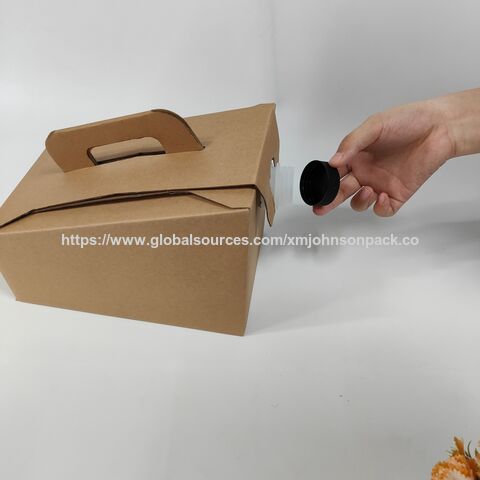
5L Eco-Friendly 5L One-Time Coffee Suitcase Set Durable Kraft Paper Carton Boxes Embossed Paper Bag Sustainable Sushi Packaging
2025 New Kraft Protective Honeycomb Wrap Paper Glass Bottle Cosmetics Product Packaging Hexpand Shipping Box with Fixed Insert


High End OEM Product Packaging Box White Card Paper Custom Perfume Boxes Packaging
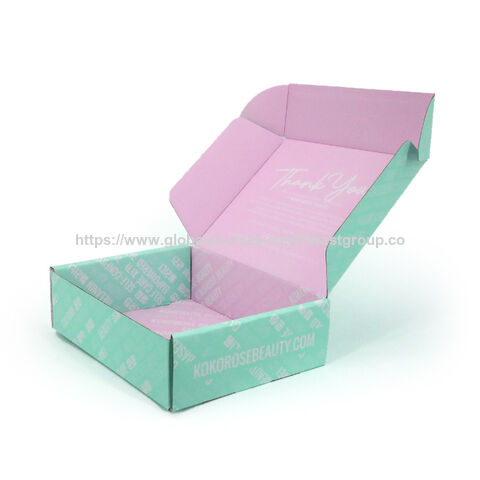
Gift Cosmetics Packaging Boxes, Wholesale Mailing Beauty Bundles Packaging Pink Color Box
Implementation Strategies for Businesses
Conducting Packaging Audits
Start by evaluating current packaging against 2026 trends. Assess material composition, recyclability, weight, consumer feedback, and regulatory compliance. Identify areas where improvements would have the biggest impact on sustainability and cost.
Testing New Materials
Before committing to new packaging materials, conduct thorough testing. Ensure materials protect products adequately, work with existing equipment, meet cost targets, and perform well in real-world conditions. Pilot programs help identify potential issues before full-scale implementation.
Communicating with Customers
When introducing new packaging, communicate clearly about changes and benefits. Explain how to dispose of or recycle new materials properly. Transparency about sustainability efforts builds brand loyalty and helps consumers participate in circular systems.
Partnering with Experts
Working with packaging specialists, material scientists, and experienced suppliers accelerates innovation. These partnerships provide access to emerging technologies, testing facilities, and industry knowledge that internal teams may lack.
Measuring Success and ROI
Environmental Metrics
Track metrics like carbon footprint reduction, material waste decrease, and recycling rates. These measurements demonstrate environmental impact and help identify areas for continued improvement.
Business Performance
Monitor cost changes, customer satisfaction scores, and brand perception metrics. Sustainable packaging initiatives should deliver both environmental and business benefits. Positive ROI comes from reduced material costs, increased customer loyalty, and premium pricing opportunities.
Continuous Improvement
Packaging innovation is an ongoing process rather than a one-time project. Regular reviews of new materials, technologies, and consumer preferences keep packaging strategies current and competitive.
Looking Ahead: The Packaging Industry Beyond 2026
The trends shaping 2026 represent the beginning of longer-term transformations. Packaging will continue evolving toward greater sustainability, increased functionality, and deeper integration with digital technologies.
Companies that embrace these changes position themselves for long-term success. The most successful businesses will balance environmental responsibility with practical functionality and cost considerations. They will listen to consumer feedback, stay informed about new materials and technologies, and remain flexible as the industry continues evolving.
The packaging industry in 2026 offers tremendous opportunities for innovation and differentiation. Sustainable materials, circular systems, and consumer-focused design are reshaping what's possible. Businesses that adapt to these trends will thrive in an increasingly competitive and environmentally conscious marketplace.
You May Also Like: Consumer Goods and Services Trends
- Retail Industry Trends
- Automotive Industry Market Trends
- Food Trends
- Wearable Industry Trends
- Food Service Trends
- Food Processing Trends
- Food Delivery Trends
- Snack Food Trends
- Pet Food Trends
- Food Truck Trends
- Home Care Trends
- Salon Industry Trends
- Makeup Industry Trends
- Cosmetic Industry Trends
- Retail Industry Trends
- Pet Industry Trends

