


Table of Contents
Why Do People Source Products from China Wholesale Websites?
Top 20 China Wholesale Websites for Your Business
What Products Are Profitable for Sourcing from China?
Importing from China Wholesale Sites? Avoid These 5 Common Pitfalls
6 Questions to Ask When Buying from China Wholesale Website
Cost vs Quality: 3 Metrics Where China's Supply Chain Outperforms Competitors
Alternatives to China Wholesale Websites: Trade Fairs & Local Markets
Finding a wholesaler in China to source products for your business involves navigating a vast marketplace known for its manufacturing prowess. The challenge often lies in identifying reliable websites that offer quality products at competitive prices. To streamline this process, we've curated a list of the top 20 Chinese wholesale websites. These platforms are renowned for their extensive product ranges, affordability, and reliability, making them excellent resources for businesses looking to source goods from China. This guide aims to simplify your search, ensuring you partner with trustworthy wholesalers that can meet your business needs efficiently.
Why Do People Source Products from China Wholesale Websites?
Here’s a concise breakdown of why businesses choose Chinese wholesale platforms:
Cost Efficiency
China’s manufacturing scale and bulk pricing allow wholesalers to offer products at lower costs than most markets, maximizing profit margins for buyers.
Diverse Product Range
From electronics to fashion, these platforms act as a one-stop hub for sourcing virtually any product category, reducing the need to juggle multiple suppliers.
Flexible Order Sizes
Many suppliers accept low minimum orders (e.g., 50–100 units), making it feasible for startups or businesses testing new markets.
Direct Manufacturer Access
Skip middlemen—connect directly with factories for faster production and customization (e.g., branding, packaging).
Streamlined Logistics
Platforms often handle shipping, customs, and quality checks, simplifying international procurement even for first-time buyers.
Bottom Line: For businesses balancing cost, variety, and ease of operation, Chinese wholesale websites offer a competitive edge with minimal barriers to entry.
Top 20 China Wholesale Websites for Your Business
#1 Global Sources
 Are you familiar with the methods sellers on platforms like Amazon, Temu, Wish, eBay, Shein, and Walmart use to find suppliers for the goods sold on their B2C platforms?
When it comes to major purchases, sellers tend to establish long-term strategic partnerships with manufacturers while also exploring trusted wholesalers face-to-face at trade shows. Additionally, in the digital age, finding verified suppliers through online third-party B2B platform channels has become a common and effective practice.
One notable B2B platform excelling in this regard is Global Sources. For over 50 years, Global Sources has stood as one of the world's largest facilitators of Business-to-Business (B2B) trade, garnering trust as a genuine and safe hands-on sourcing platform.
With a remarkable track record, it has served over 10 million registered buyers and users worldwide, boasting the participation of 97 of the world's top 100 retailers. Global Sources caters to online sellers across various platforms, including Amazon, Temu, Wish, eBay, Shein, Walmart, and Etsy. It offers a wide array of trusted suppliers from countries like China, Vietnam, South Korea, and India, ensuring diverse sourcing options.
| Pros | Cons |
|---|---|
| Well-established platform with a wide range of high-quality products. | Higher MOQs (Minimum Order Quantities) which might not be suitable for small businesses. |
| Offers reliable suppliers and manufacturers with verified credentials. | Can be more expensive due to the focus on quality and established suppliers. |
#2 Alibaba
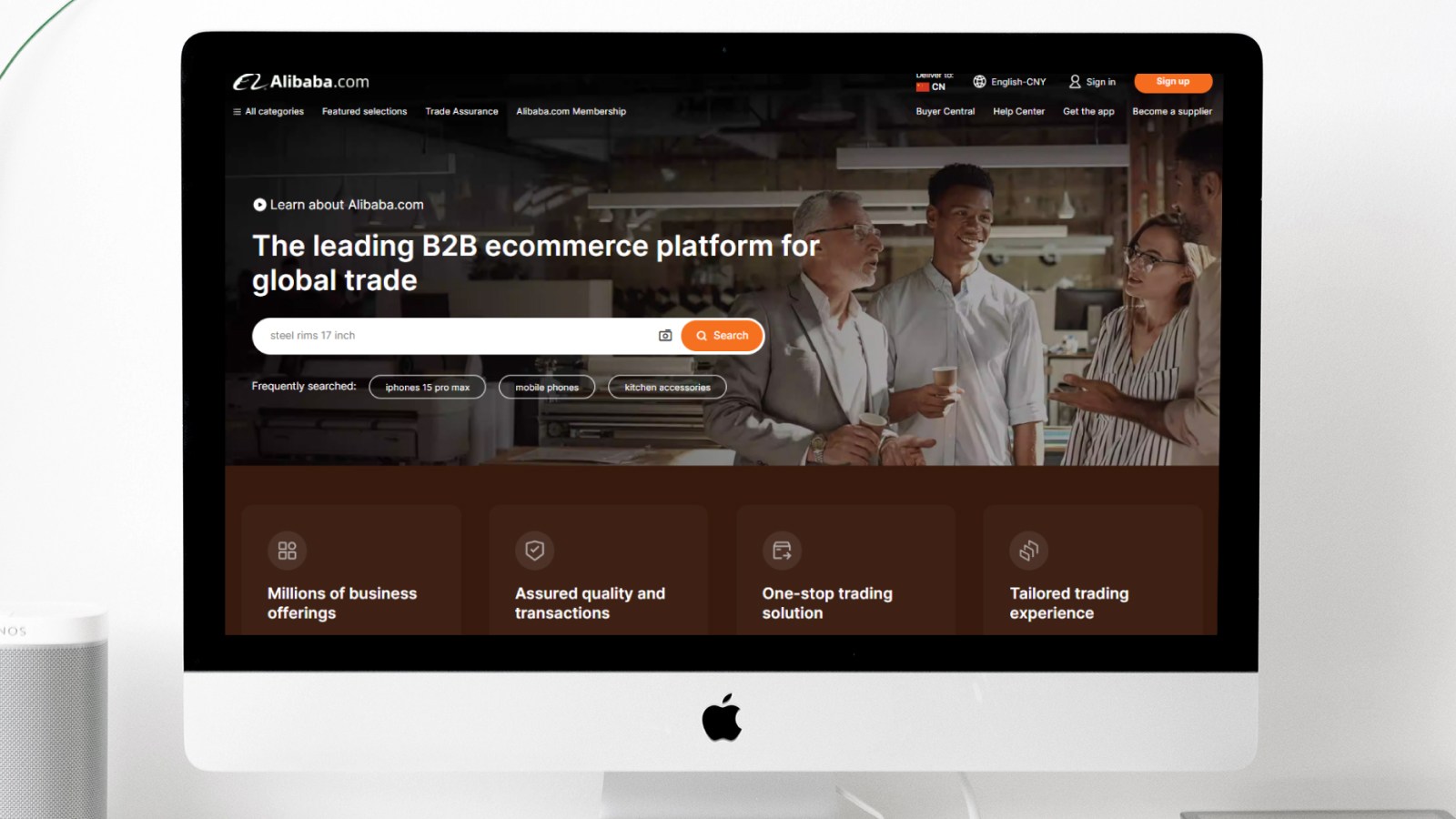
Alibaba is a large Chinese e-commerce company founded in 1999. It operates several online marketplaces that connect Chinese manufacturers and wholesale vendors with buyers around the world. Alibaba's main platforms include Alibaba.com for business-to-business transactions, Tmall for business-to-consumer transactions in China, and AliExpress for small businesses to sell to consumers globally. Alibaba also operates Alipay, a third-party online payment platform. The company has grown to become one of the world's largest e-commerce companies in terms of transaction volume. Alibaba provides an avenue for Chinese manufacturers to find new customers and expand their businesses. However, some have criticized Alibaba for allowing the sale of counterfeit goods on its platforms. Alibaba says it has implemented strict measures to address this issue. Overall, Alibaba has had a major impact on global trade by connecting buyers and suppliers across borders.
| Pros | Cons |
|---|---|
| Vast selection of products across all categories. | Quality can vary significantly between suppliers. |
| Offers trade assurances and secure payment methods. | Navigating the platform and vetting suppliers can be time-consuming. |
#3 DHgate

DHgate is an online marketplace based in China that connects Chinese vendors, manufacturers and wholesalers with international buyers looking for low wholesale prices. Founded in 2004, it sells a wide variety of product categories including consumer electronics, home and garden items, toys, apparel, and more. As a platform, DHgate does not sell inventory directly but provides tools and services to enable trade between merchants and buyers globally. The site is known for having competitive pricing as sellers can offer direct-from-factory costs without middlemen. DHgate offers buyer protection programs and product guarantees aimed at ensuring quality and customer satisfaction. The marketplace has grown considerably since its launch to become one of the major global online wholesale platforms originating from China.
| Pros | Cons |
|---|---|
| Lower MOQs, suitable for small to medium-sized businesses. | Some reports of inconsistent product quality. |
| User-friendly interface with buyer protection policies. | Counterfeit goods can be an issue, requiring vigilance from buyers. |
#4 AliExpress
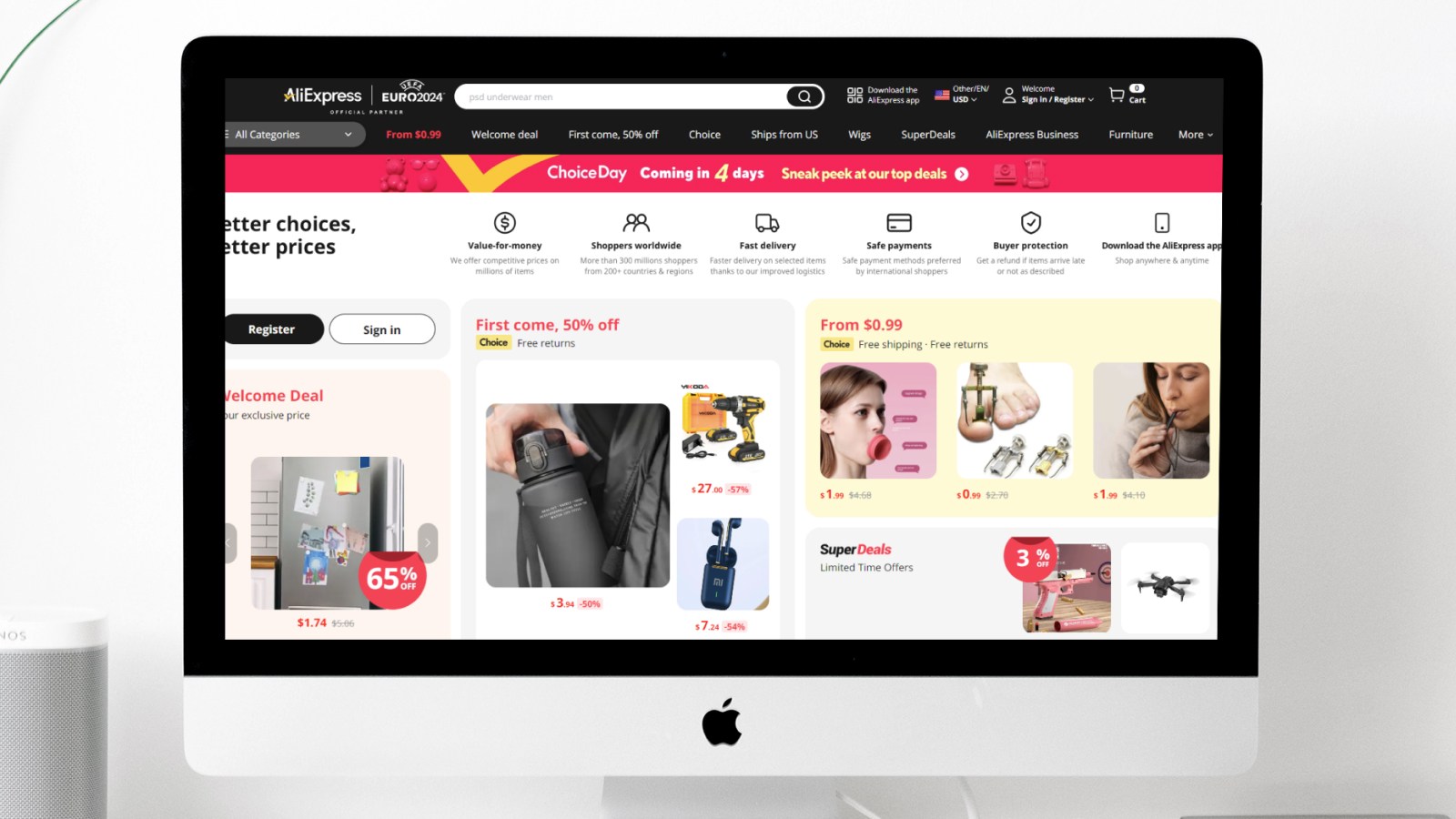
AliExpress is a business-to-consumer (B2C) platform that offers a wide range of products at competitive prices. It is owned by Alibaba, a multinational technology company. AliExpress caters to individual consumers rather than businesses, providing access to a vast selection of products from various categories, including electronics, clothing, home goods, and more. The platform connects buyers with sellers from around the world, facilitating online transactions and enabling consumers to purchase products directly from manufacturers or distributors.
| Pros | Cons |
|---|---|
| Retail-oriented, offering a wide range of products with no MOQ. | Shipping can be slow, depending on the seller and shipping method. |
| Buyer protection with a full refund if the product isn't received or as described. | Product quality can vary, and some items may be counterfeit. |
#5 Made-in-China
Made-in-China.com is a website that operates as an online marketplace connecting global buyers with manufacturers and trading companies in China. Launched in 1996, it features listings of millions of products across various categories that Chinese exporters offer to wholesale buyers around the world. As a business-to-business platform, Made-in-China focuses on wholesale trade rather than retail consumers. It provides tools for suppliers to showcase and promote their offerings and for buyers to search, find, and contact potential manufacturing partners in China. The marketplace also offers services related to assessing suppliers, checking quality, managing logistics, and more. Made-in-China aims to make global trade with China easier but does not directly sell or guarantee transactions on its platform.

| Pros | Cons |
|---|---|
| Focuses on industrial and commercial grade products. | Not as suitable for consumers or small retailers looking for low MOQs. |
| Supplier verification system to ensure reliability. | The platform can be less intuitive compared to others like Alibaba or AliExpress. |
#6 LightInTheBox
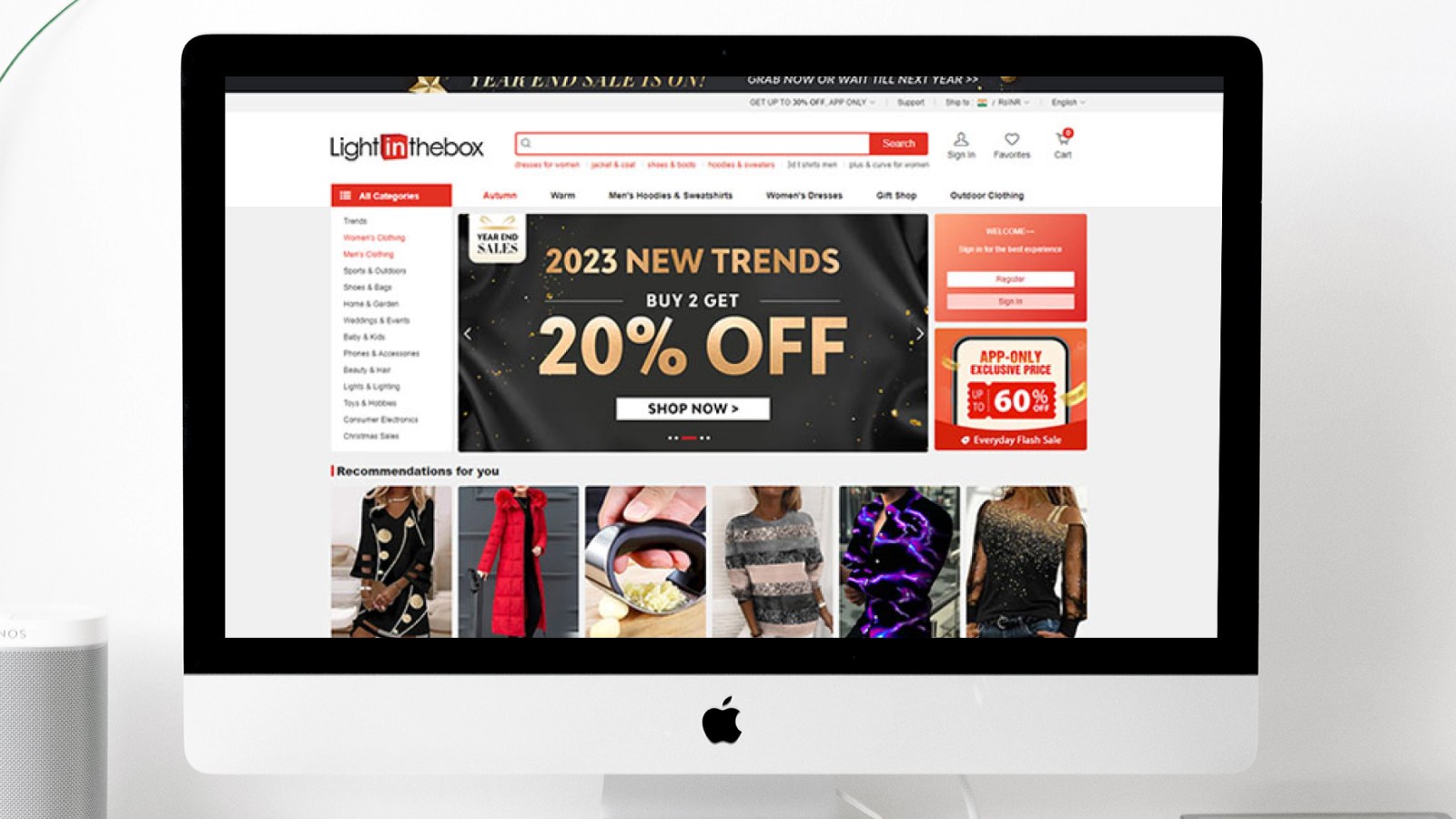
LightInTheBox is an international e-commerce company that sells products directly to consumers worldwide through its website and mobile apps. Founded in 2007 and headquartered in China, LightInTheBox specializes in offering fashion items, home goods, small gadgets and electronics that are often available at low prices compared to alternatives on the market. It aims to provide a convenient online shopping experience with benefits like free shipping on select items and a buyer protection program. The LightInTheBox platform connects its own warehouses in China with customers globally, though some criticized its shipping speed and inconsistent product quality in the past. Overall, LightInTheBox focuses on offering a wide variety of products across categories to retail consumers at competitive prices.
| Pros | Cons |
|---|---|
| Wide variety of products with a focus on apparel, gadgets, and small accessories. | Shipping can be expensive and slow, impacting overall cost-effectiveness. |
| Competitive pricing with regular discounts and promotions. | Some customers report issues with customer service and returns. |
#7 Banggood
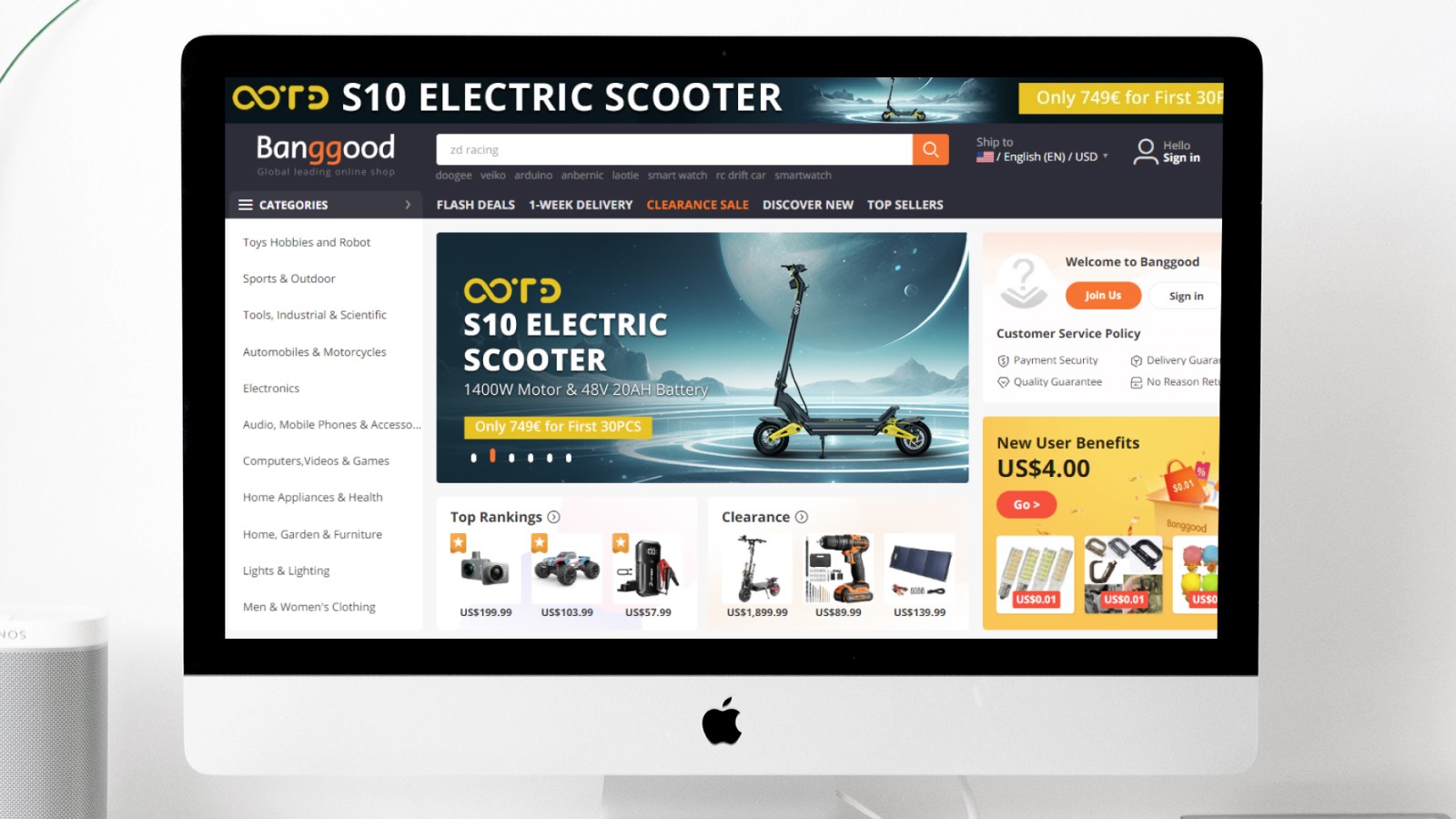
Banggood is an online retail company that operates on a business-to-consumer model. They offer a broad selection of merchandise across categories such as electronics, apparel, and household items. Banggood provides free shipping on a number of their products. They also have a buyer protection program in place with the goal of customers receiving satisfactory products.
| Pros | Cons |
|---|---|
| Offers a diverse range of products, including electronics, toys, and tools. | Quality can be inconsistent, requiring careful selection by buyers. |
| Competitive prices with direct shipping to many countries. | Customer service and after-sales support can be hit or miss. |
#8 Gearbest
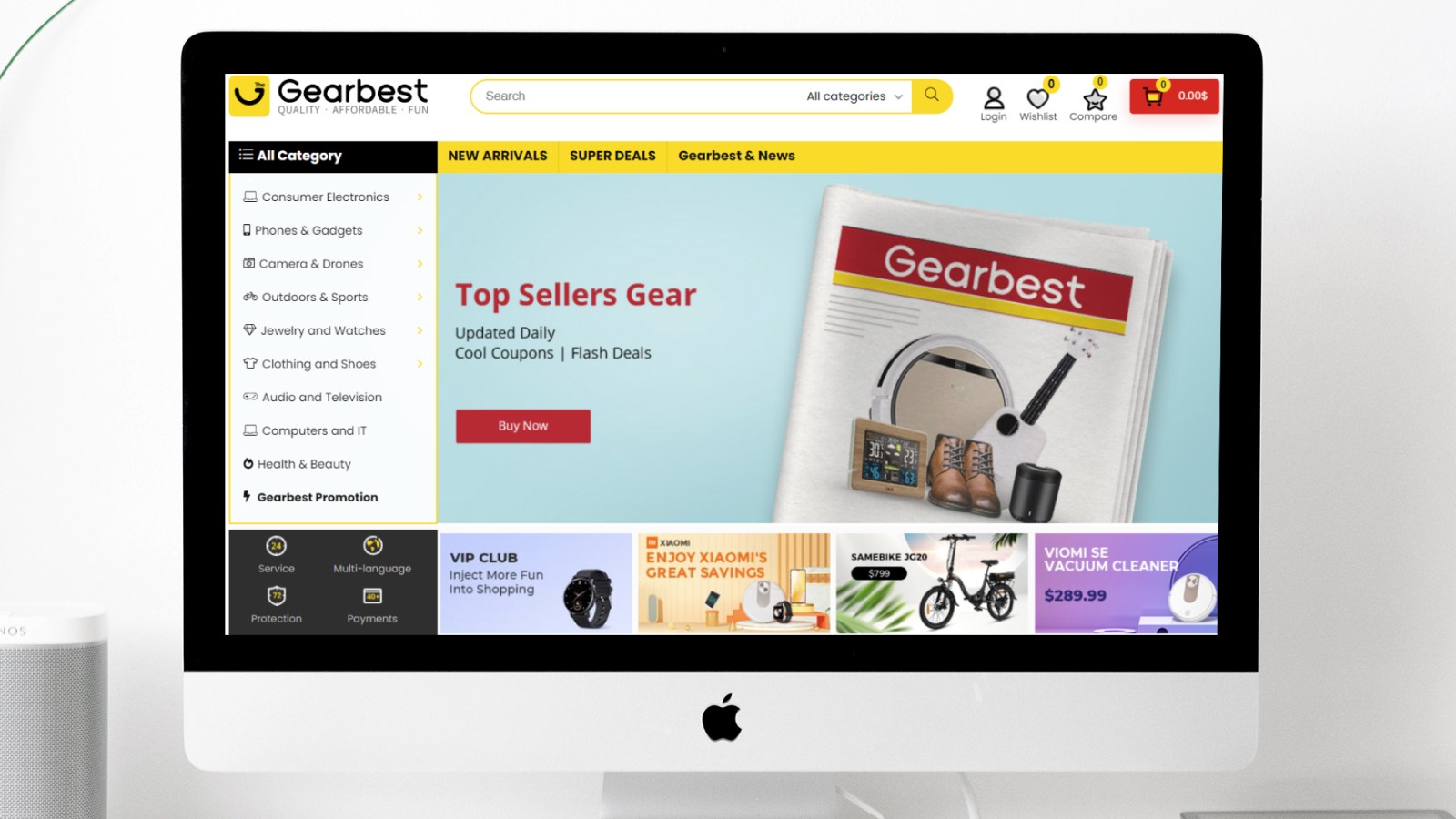
Gearbest is an online retailer that sells a variety of products such as electronics, clothing, and home goods. The company ships items worldwide and provides free shipping on some products. Gearbest has a buyer protection program in place to help ensure customers receive the products they ordered in the advertised condition. The platform allows manufacturers and distributors to sell directly to consumers.
| Pros | Cons |
|---|---|
| Specializes in electronics and tech gadgets, offering competitive prices. | Shipping times can be lengthy, and expedited shipping options are costly. |
| Provides a warranty for most products, enhancing buyer confidence. | Some users report challenges with returns and receiving refunds. |
#9 Chinabrands
Chinabrands operates as an online B2B marketplace, providing a platform for buyers to connect with vendors, manufacturers and suppliers in China. The company offers access to a range of products from Chinese factories, including electronics, clothing, home goods and more. Chinabrands aims to enable businesses to source products directly from manufacturers in China through its platform.
| Pros | Cons |
|---|---|
| Offers dropshipping services, making it ideal for small businesses without storage space. | Membership fees are required for the best wholesale prices and services. |
| Wide product selection with quality control processes in place. | Product descriptions and specs may not always be accurate. |
#10 Tmall
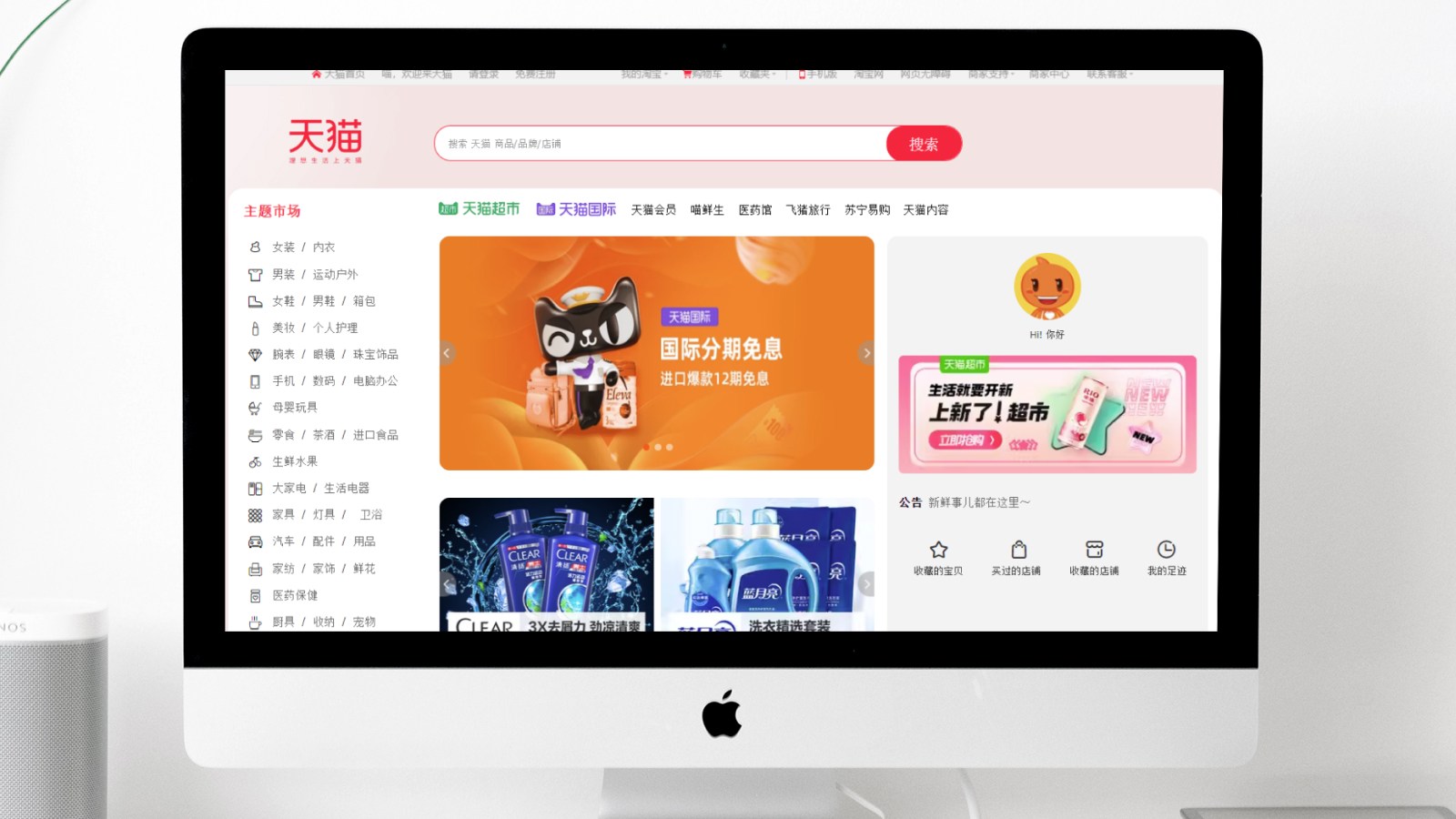
Tmall is an e-commerce platform owned by Alibaba that offers a wide selection of products to individual consumers. It provides a platform for third-party sellers to reach consumers in China. Tmall offers products across categories such as electronics, clothing, home goods, and more. The platform has features like customer reviews and ratings to help buyers make purchasing decisions. Tmall aims to provide a convenient online shopping experience and protect buyers through services like its buyer protection program. As an Alibaba company, Tmall leverages the larger Alibaba ecosystem.
| Pros | Cons |
|---|---|
| Targets the higher-end market with authentic brands and quality products. | Primarily caters to the Chinese domestic market, which may pose language barriers for international buyers. |
| Provides a secure shopping environment with reliable customer service. | Higher prices compared to other wholesale websites due to the focus on branded goods. |
#11 1688
1688.com is a Chinese business-to-business wholesale marketplace owned by Alibaba Group. Launched in 1999, it serves as an online platform connecting international buyers with manufacturers, trading companies, and other exporters based in China. It offers listings of millions of products in categories like machinery, electronics, fabrics, packaging materials and more. As a wholesale channel, 1688 caters to business buyers rather than individual consumers. It provides features and services that aim to facilitate searching Chinese wholesale vendors, sourcing products, and completing wholesale trade transactions. However, 1688 itself does not manufacture, stock or directly sell the items listed - it serves as a conduit bringing buyers and companies in China together to make deals. The platform continues to focus on providing tools and environment to enable domestic and international wholesale trade.
| Pros | Cons |
|---|---|
| Offers very competitive wholesale prices with a vast product range. | The platform is in Chinese, making it difficult for non-Chinese speakers to navigate without assistance. |
| Direct sourcing from manufacturers, offering potential for higher profit margins. | International shipping is not directly supported, requiring the use of agents or third-party logistics. |
#12 Taobao
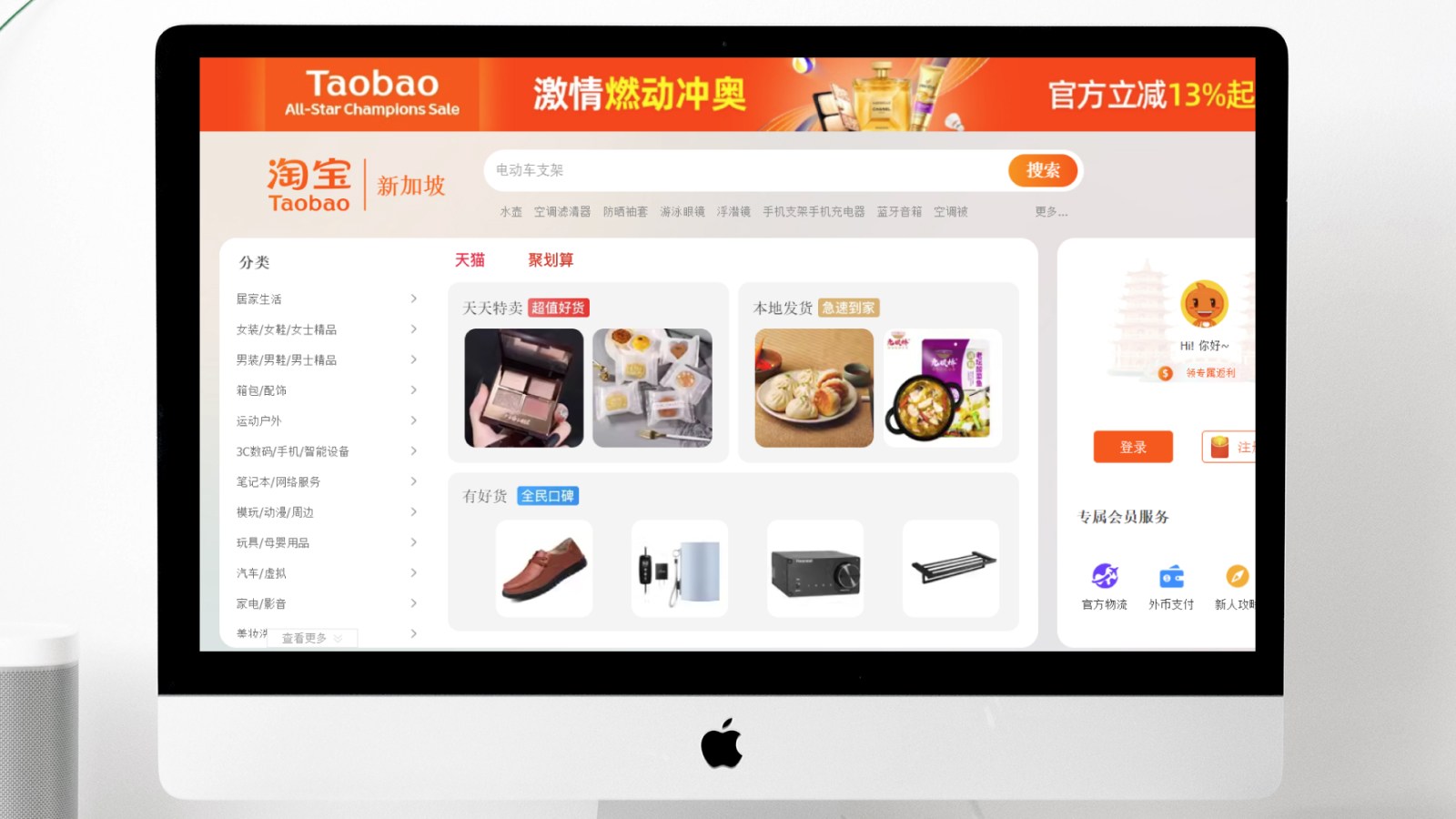
Taobao is a consumer-to-consumer online shopping platform owned by Alibaba Group. It offers a wide selection of products across categories such as electronics, clothing, and home goods that are sold directly by third-party sellers to individual buyers. As a major e-commerce site in China, Taobao caters to the consumer retail market rather than businesses. It provides features such as product listings, payment processing, and buyer protection to facilitate transactions between its users.
| Pros | Cons |
|---|---|
| Massive selection of products at competitive retail and wholesale prices. | Primarily designed for the Chinese market; language barrier can be significant for international buyers. |
| Community feedback system helps gauge seller reliability and product quality. | International shipping and payment can be complicated, often necessitating third-party services. |
#13 Chinavasion
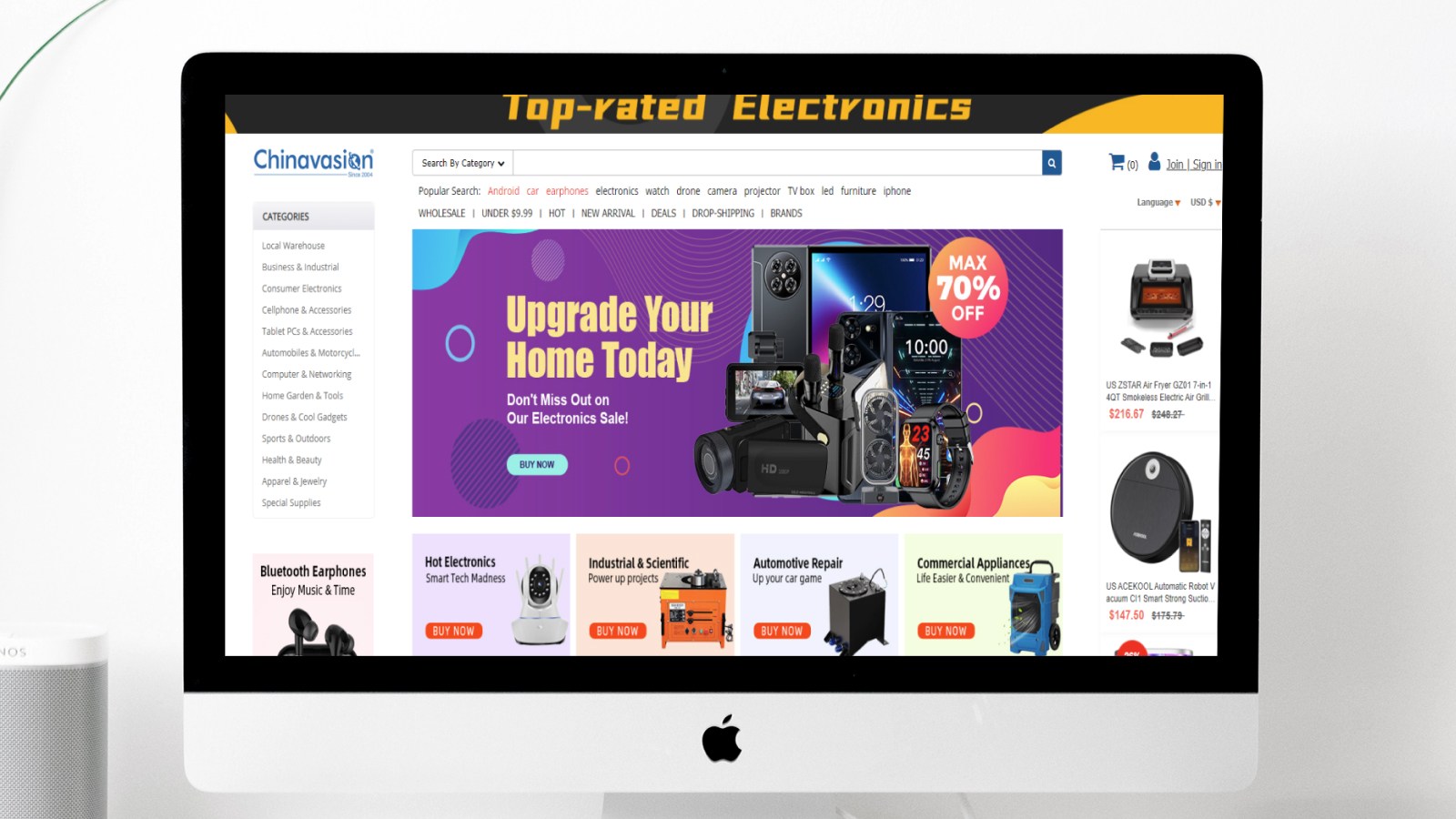
Chinavasion is a wholesale e-commerce company registered in Hong Kong that operates a business-to-business online marketplace connecting international buyers with manufacturers and exporters based in China. Founded in 2004, it focuses mainly on consumer electronics, cell phones, gadgets and accessories sourced from Chinese factories. As a conduit between buyers and suppliers, Chinavasion itself does not manufacture or stock inventory - it lists products from thousands of Chinese suppliers on its website for trade buyers worldwide. It has systems in place like supplier verification processes and product listings with detailed specifications aimed at building trust and confidence around wholesale sourcing via its platform. By specializing in the gadgets and electronics category from China, Chinavasion aims to enable international buyers to access and trade with relevant Chinese export manufacturers. However it does not directly mediate or guarantee any transactions on its marketplace.
| Pros | Cons |
|---|---|
| Specializes in electronics and gadgets with a focus on new and innovative items. | Smaller product range compared to giants like Alibaba or DHgate. |
| No minimum order quantity, appealing to small businesses and retailers. | Some users report longer shipping times and issues with product warranties. |
#14 Tomtop
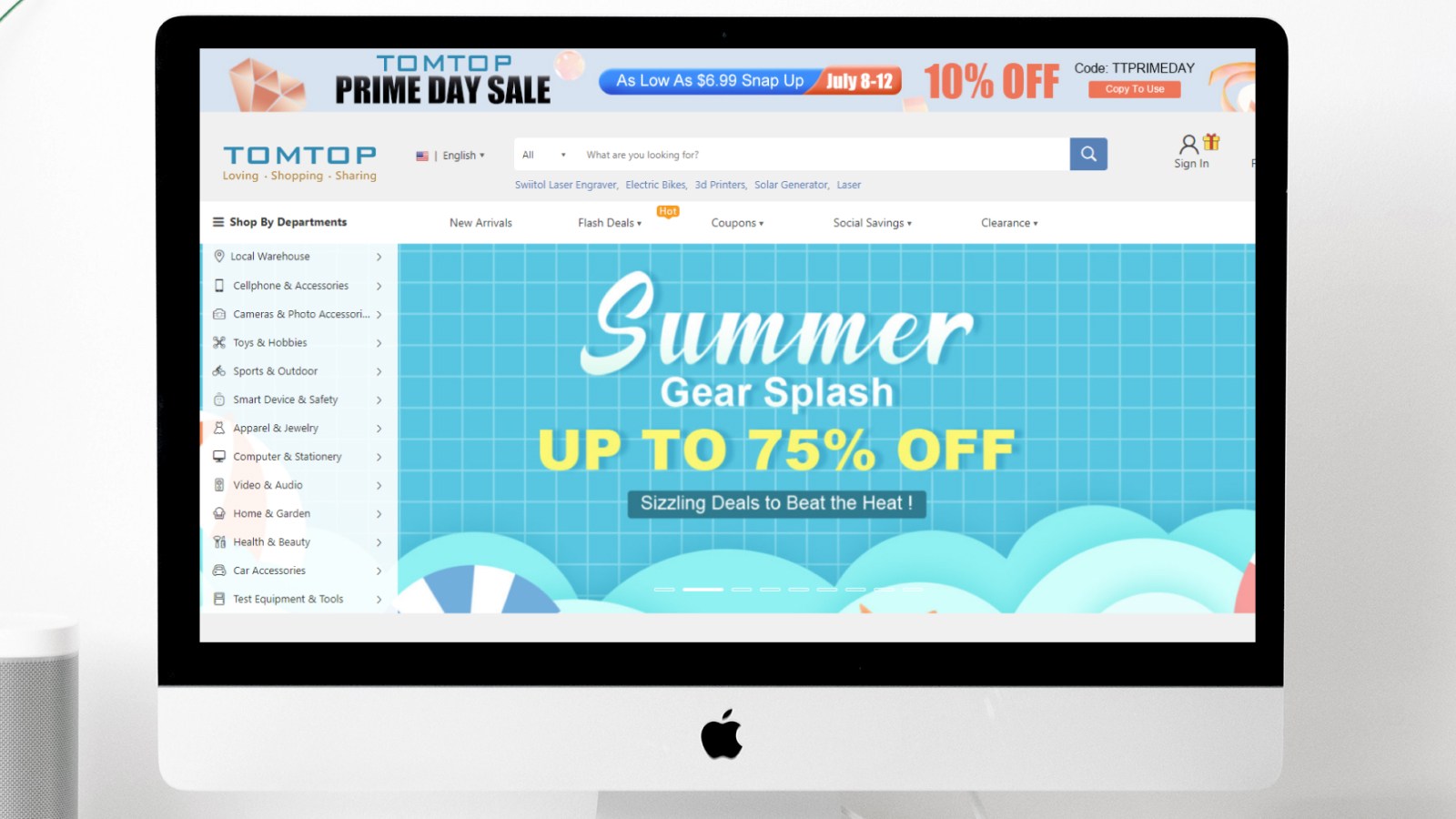
Tomtop is an e-commerce company registered in Hong Kong that operates an online retail store selling various consumer products to individual shoppers worldwide. Founded in 2010, it offers a range of products in categories such as cell phones, electronics, fashion, accessories, toys, and more. As a retail platform, Tomtop caters to individual consumers rather than wholesale trade. It has distribution centers in a few countries and stocks some products locally to enable faster delivery. Tomtop provides options like free shipping and return/refund policies as well as buyer protection plans aimed at customer satisfaction and ensuring product quality. However, as an international retailer based in China, it has faced some criticism around shipping times, consistency and accuracy of product listings, and after-sales support. Overall, it remains focused on providing a price-competitive consumer e-commerce platform selling Chinese manufactured goods to global customers.
| Pros | Cons |
|---|---|
| Offers a wide range of products, including electronics, musical instruments, and outdoor gear. | Product quality can vary, necessitating thorough research and vetting of items. |
| Competitive prices with frequent promotions and discounts. | Customer service experiences can be mixed, with some buyers facing challenges in resolving issues. |
#15 Geekbuying
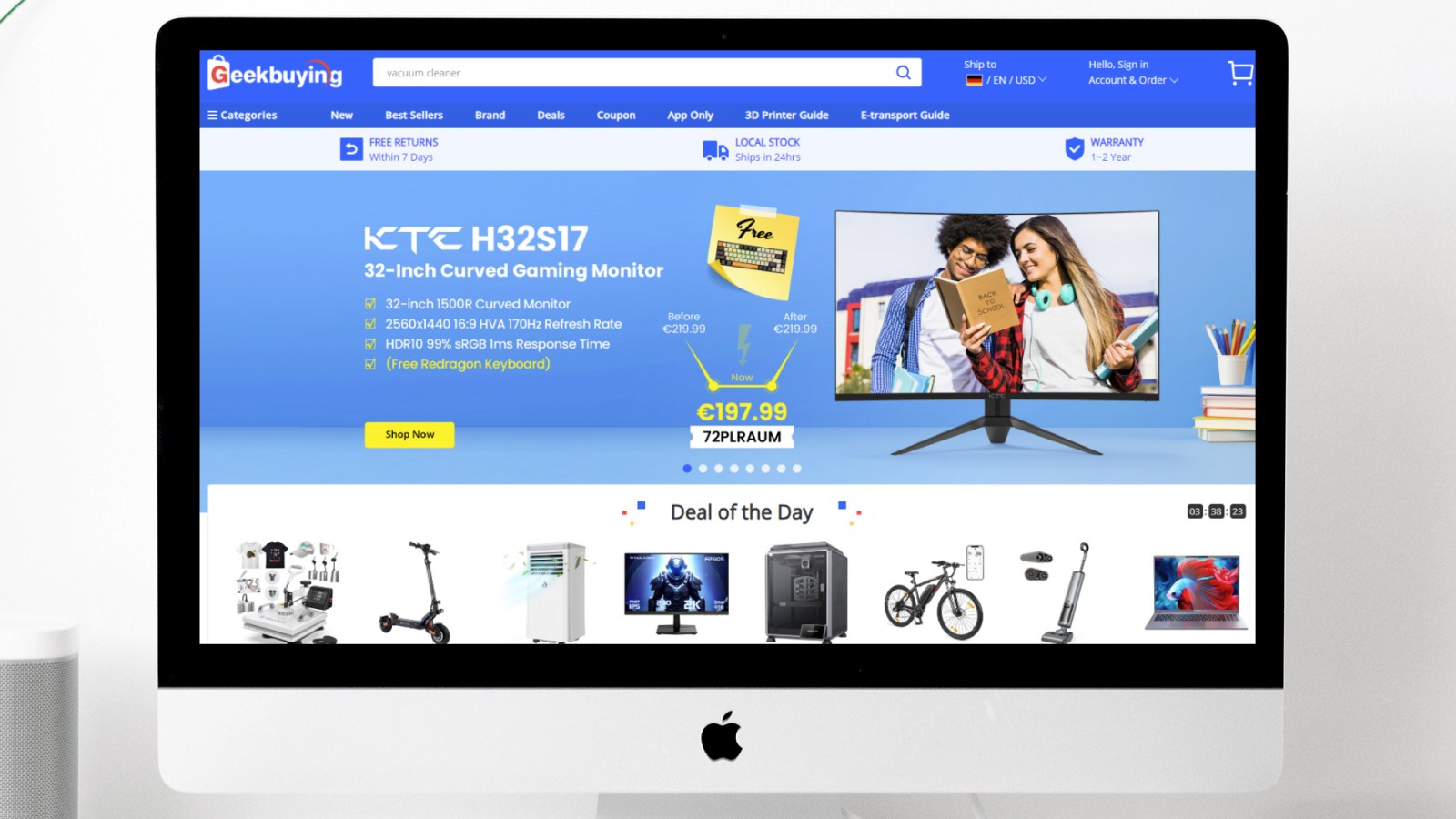
Geekbuying is a B2C platform that offers a wide range of electronics and gadgets at competitive prices. It offers free shipping on many products and has a buyer protection program to ensure that customers receive high-quality products.
| Pros | Cons |
|---|---|
| Focuses on tech gadgets, offering a curated selection of the latest devices. | Niche focus means a limited selection outside of electronics and tech gadgets. |
| Provides warranties on products, enhancing buyer trust. | Shipping can be slow, and expedited options are relatively expensive. |
#16 Everbuying
Everbuying is a B2C platform that offers a wide range of products, including electronics, clothing, and home goods. It offers free shipping on many products and has a buyer protection program to ensure that customers receive high-quality products.
| Pros | Cons |
|---|---|
| Offers a broad range of products with competitive pricing, especially in electronics. | The website has been less active recently, raising questions about current reliability and product range. |
| Features promotional deals and a points system for discounts on future purchases. | Customer service and support can be inconsistent, according to some buyer feedback. |
#17 MiniInTheBox
MiniInTheBox is a B2C platform that offers a wide range of electronics and gadgets at competitive prices. It offers free shipping on many products and has a buyer protection program to ensure that customers receive high-quality products.
| Pros | Cons |
|---|---|
| Wide selection of small items, particularly accessories, gadgets, and jewelry. | Shipping times can be lengthy, and tracking information may not always be accurate. |
| Offers products at very low prices, suitable for bulk buying. | Some buyers report issues with product quality not meeting expectations. |
#18 Sammydress
Sammydress is a B2C platform that offers a wide range of clothing and accessories at competitive prices. It offers free shipping on many products and has a buyer protection program to ensure that customers receive high-quality products.
| Pros | Cons |
|---|---|
| Focuses on fashion and apparel with a wide variety of styles and sizes. | Company has faced criticism over product quality and accuracy of listings in the past. |
| Competitive prices with frequent sales and discounts. | Shipping can take a long time, and there have been reports of difficulties with returns and exchanges. |
#19 Rosewholesale
Rosewholesale is a B2C platform that offers a wide range of clothing and accessories at competitive prices. It offers free shipping on many products and has a buyer protection program to ensure that customers receive high-quality products.
| Pros | Cons |
|---|---|
| Offers a wide range of clothing and accessories at wholesale prices. | Quality can vary significantly, with some items not matching the online descriptions or images. |
| Features frequent promotions and discounts for bulk purchases. | Customer service feedback is mixed, with some customers facing challenges in resolving issues. |
#20 Shein
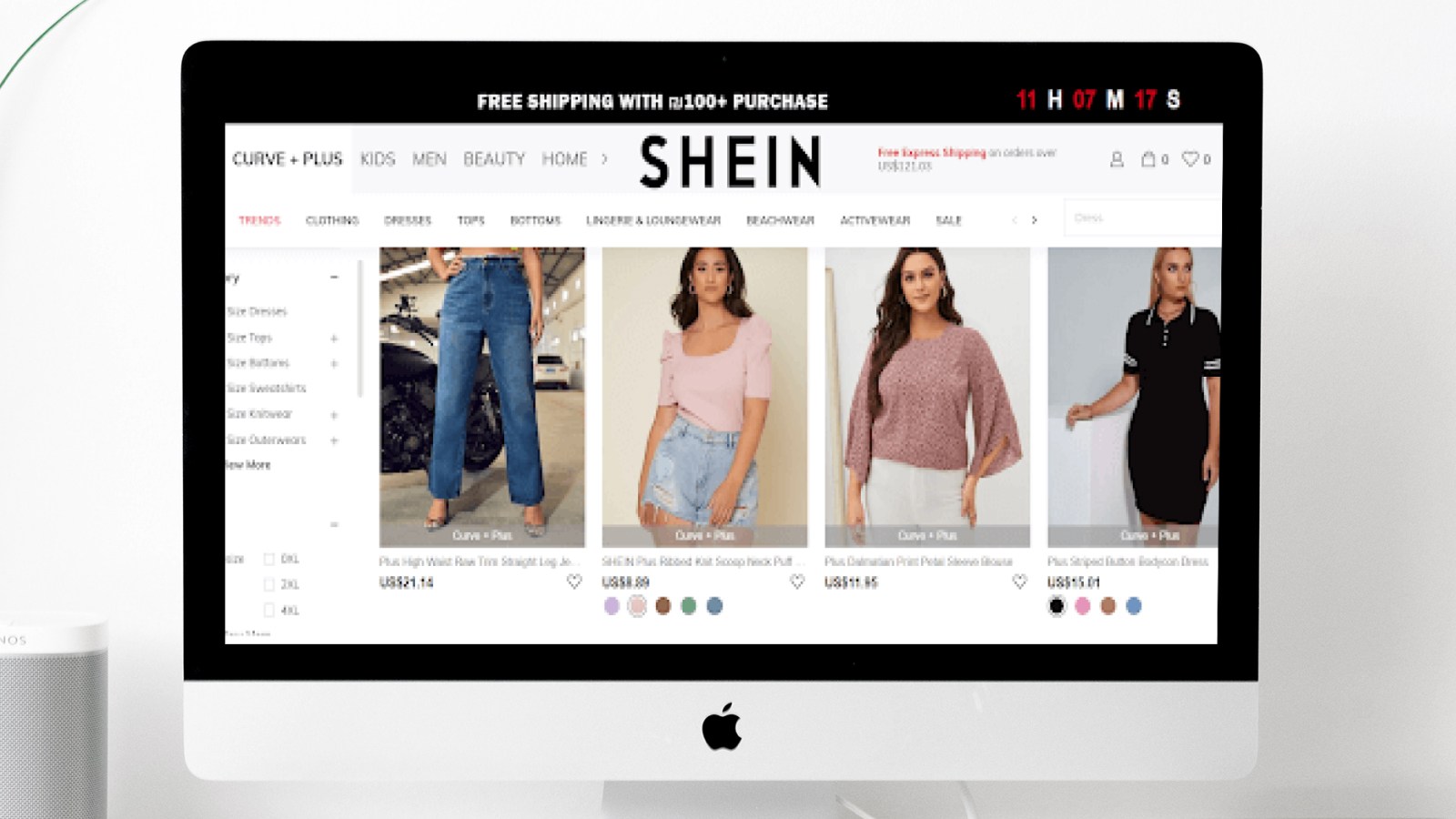
Shein is a B2C platform that offers a wide range of clothing and accessories at competitive prices. It offers free shipping on many products and has a buyer protection program to ensure that customers receive high-quality products.
In conclusion, these are the top 20 China wholesale websites that offer high-quality products at competitive prices. Whether you are an individual consumer or a business looking to source products from China, these websites provide an excellent place to start your search for the perfect product at the right price.
| Pros | Cons |
|---|---|
| Highly popular for its trendy fashion at affordable prices. | Concerns have been raised about the sustainability and ethical practices of the company. |
| Offers a vast selection with frequent updates to inventory. | Sizes may run small or vary widely, making it important to check reviews and measurements carefully. |
What Products are Profitable for Sourcing from China?
Electronics & Smart Devices
China dominates global electronics manufacturing, offering high-profit items like smartphones, wearables, and IoT gadgets. Competitive pricing and rapid tech adoption make these products ideal for resale in tech-driven markets.
Apparel & Textiles
From fast-fashion basics to luxury fabrics, China’s textile industry combines low production costs with scalable output. Custom branding options (e.g., logo printing) add value for resellers.
Home & Kitchen Goods
Cost-effective home decor, kitchenware, and small appliances are in high demand globally. Chinese suppliers excel in bulk orders with flexible MOQs, ideal for e-commerce platforms.
Beauty & Personal Care
Skincare, cosmetics, and hair tools sourced from China often yield 30-50% margins. Many factories offer private-label services to help brands stand out.
Industrial Components
Machinery parts, tools, and raw materials benefit from China’s advanced manufacturing infrastructure. Reliable lead times and quality assurance protocols attract B2B buyers.
Pro Tip: Always verify supplier certifications (e.g., ISO standards) and test market demand with small batches before scaling.
Importing from China Wholesale Sites? Avoid These 5 Common Pitfalls
Here’s a streamlined guide to sidestep rookie mistakes when sourcing from Chinese wholesale platforms:
1. Skipping Supplier Verification
Always check if the website has a valid business license and clear contact details. Scam sites often lack professional design, incomplete addresses, or vague policies. For trusted platforms, prioritize Global Sources (backed by rigorous vendor checks).
2. Ignoring Quality Control
Never order bulk without sample testing. Some sellers use stock photos instead of real product images, leading to mismatched expectations. Opt for suppliers offering third-party quality certifications or platforms that ensure traceable, authentic goods.
3. Overlooking Logistics & Customs
Direct shipping via DHL/UPS may cause delays or confiscation. Instead, use Hong Kong transit hubs for tax-efficient, flexible customs clearance. Confirm Incoterms (e.g., FOB, EXW) to avoid hidden freight costs.
4. Neglecting Legal Compliance
Verify if products meet your country’s safety standards (e.g., FDA, CE marks). For example, electronics might require specific certifications to avoid legal penalties. Work with agents who handle documentation if you lack import licenses.
5. Assuming "Cheapest = Best"
Bargain prices often mean compromised quality or unethical practices. Compare multiple quotes and read buyer reviews to gauge reliability. For long-term partnerships, prioritize suppliers offering fair MOQs and after-sales support.
6 Questions to Ask When Buying from China Wholesale Website
When engaging in trade with China's wholesale websites, it's crucial to approach transactions with a strategic mindset. The allure of cost-effective solutions and a vast array of products is balanced by the need for due diligence. To navigate this complex landscape, buyers should arm themselves with a set of key questions that can help ensure a successful and secure purchase.
Are Suppliers Legally Verified?
Always confirm certifications (ISO, CE) and cross-check business licenses. Reputable platforms often vet suppliers, reducing risks of scams or low-quality goods.
What’s the Real Cost After MOQ?
Clarify Minimum Order Quantity (MOQ) and tiered pricing. Smaller orders may work for startups, but bulk buyers should negotiate volume discounts to avoid hidden fees.
Can You Test Samples Before Bulk Orders?
Insist on physical samples to check quality and compliance. For example, verify fabric durability for apparel or safety standards for electronics.
Who Manages Shipping and Customs?
Use Incoterms (e.g., FOB, DDP) to define responsibilities. Partner with logistics providers familiar with China exports to avoid delays or unexpected tariffs.
Is Payment Secure and Traceable?
Opt for escrow services or verified payment gateways. Avoid direct transfers to unknown accounts to prevent fraud.
What Happens After Delivery?
Ensure clear return policies, warranty coverage, and responsive support. Reliable suppliers offer replacements for defective goods 58.

Cost vs Quality: 3 Metrics Where China's Supply Chain Outperforms Competitors
China’s supply chain leads globally in balancing cost and quality. Here are three key metrics that set it apart:
1. Cost-to-Quality Ratio
China achieves 30–50% lower production costs than Western counterparts without sacrificing quality. This stems from:
- Mass-scale efficiency: High-volume manufacturing reduces per-unit costs (e.g., Tesla’s Shanghai factory localizes 95% of parts).
- Integrated ecosystems: Clustered suppliers (e.g., electronics in Shenzhen) cut logistics/coordination costs.
2. Defect Rate Per Million (DPMO)
Chinese factories now average <500 DPMO (near Six Sigma standards) due to:
- AI-driven quality control: Automated defect detection in production lines.
- Supplier accountability: Contracts penalize defects, incentivizing precision (e.g., automotive parts suppliers like CATL).
3. R&D-to-Production Speed
China accelerates innovation cycles by 50% faster than competitors:
- Prototyping hubs: Shenzhen’s hardware labs turn concepts into samples in 72 hours.
- Agile IP adaptation: Cross-industry tech transfers (e.g., drone tech applied to EV batteries).
Why This Matters:
China’s supply chain isn’t just cheaper—it’s smarter. Metrics prove it delivers high quality at disruptive costs, making it a top choice for global procurement.
Alternatives to China Wholesale Websites: Trade Fairs & Local Markets
In global commerce, sourcing products competitively is key for businesses. China has long been a wholesale hub, but due to rising costs and trade issues, firms are exploring alternatives like trade fairs and local markets.
Trade Fairs
Notable Ones in China:
- Canton Fair: Established in 1957, held twice - yearly in Guangzhou, covering various product categories. It's China's most comprehensive fair.
- CIIE: Held in Shanghai, it promotes China's opening - up and global trade cooperation.
- Global Sources Trade Show: Hosted in Hong Kong, focuses on electronics, gifts, etc., connecting Asian sellers with global buyers.
- East China Fair: Annual event in Shanghai, featuring garments, home goods, etc.
Benefits:
- Direct Interaction: Facilitates clear communication and trust - building.
- Product Experience: Allows buyers to assess quality firsthand.
- Networking: Helps learn about industry trends.
- Diverse Suppliers: Offers a chance to diversify beyond China.
Drawbacks: Require significant time and money, with no guarantee of finding a suitable supplier.
Local Markets
Examples in China:
- Yiwu Market: World's largest small - commodity wholesale market.
- Huaqiangbei Market: Shenzhen's electronics hub.
- Guangzhou Wholesale Markets: Vast, including Baima for fashion.
Benefits:
- Lower MOQs: Good for market testing or limited storage.
- Faster Turnaround: Proximity means quicker production and delivery.
- Cultural Understanding: Useful for product development and marketing.
- Support Local: Aligns with CSR strategies.
Drawbacks: May lack China's scale and variety; finding reliable suppliers can be difficult.
Comparison with Chinese Wholesale Websites
- Quality Assurance: Trade fairs are better for assessment; local markets need extra checks.
- Cost: Chinese sites may have lower prices, but trade fairs and local markets can save on shipping and duties.
- Supplier Diversity: Both offer ways to diversify.
- Innovation and Trends: Trade fairs show new tech; local markets have unique products.
In conclusion, while Chinese wholesale websites are still powerful, trade fairs and local markets are viable alternatives for a comprehensive procurement strategy. The best choice depends on a business's specific needs.
Also Read: Selling Platforms and Marketplaces
- Top 10 Free Websites
- Websites Like eBay
- Websites Like Etsy
- Cheap Clothing Like SHEIN
- Chinese Jewelry Brands
- Chinese Sites Like Amazon
- Alibaba Alternatives
- DHgate Alternatives
- Top Online Shopping 2024
- Sites Like Global Sources
FAQs
What is the best website to buy wholesale from China?
Global Sources stands out as a top-tier B2B platform for procuring verified Chinese wholesale products. It connects buyers with pre-screened suppliers across electronics, fashion, and industrial goods, ensuring quality and compliance with international standards. Its trusted certification system minimizes risks for first-time buyers.
What is the best wholesale website in China?
For reliability and a diverse product range, Global Sources excels. Unlike other platforms, it focuses on high-value partnerships and offers tools like live chat and supplier verification badges, ideal for businesses prioritizing long-term quality over low-cost options.
Where can I get wholesale products from China?
- Global Sources: Connects 1.4M+ registered buyers with 90k+ vetted Chinese suppliers across 200+ countries.
- DHgate: Ideal for small orders, offering tiered pricing and fast shipping options.
- Made-in-China: Specializes in bulk purchases across machinery, textiles, and raw materials.
How to find wholesale suppliers in China?
- Use B2B platforms: Filter suppliers by certifications (e.g., ISO) and transaction history on Alibaba or Global Sources.
- Attend trade shows: Platforms like Global Sources host expos to meet suppliers face-to-face.
- Verify legitimacy: Request business licenses, factory audits, and product samples before finalizing orders.
You May Also Like:
Global Sources Reviews from Suppliers and Buyers
Alibaba vs Global Sources Which is Better for Wholesale 2024
Ultimate Guide: How to Buy Products Direct from Manufacturers
What Does Ready to Ship (RTS) Mean in Business & E-commerce?
15 Chinese Trading Company List: What is China Trade Company
Sourcing From China: Are 'Made in China' Products Reliable?
Beginners' Ultimate Guide: How to Buy Direct from China

