
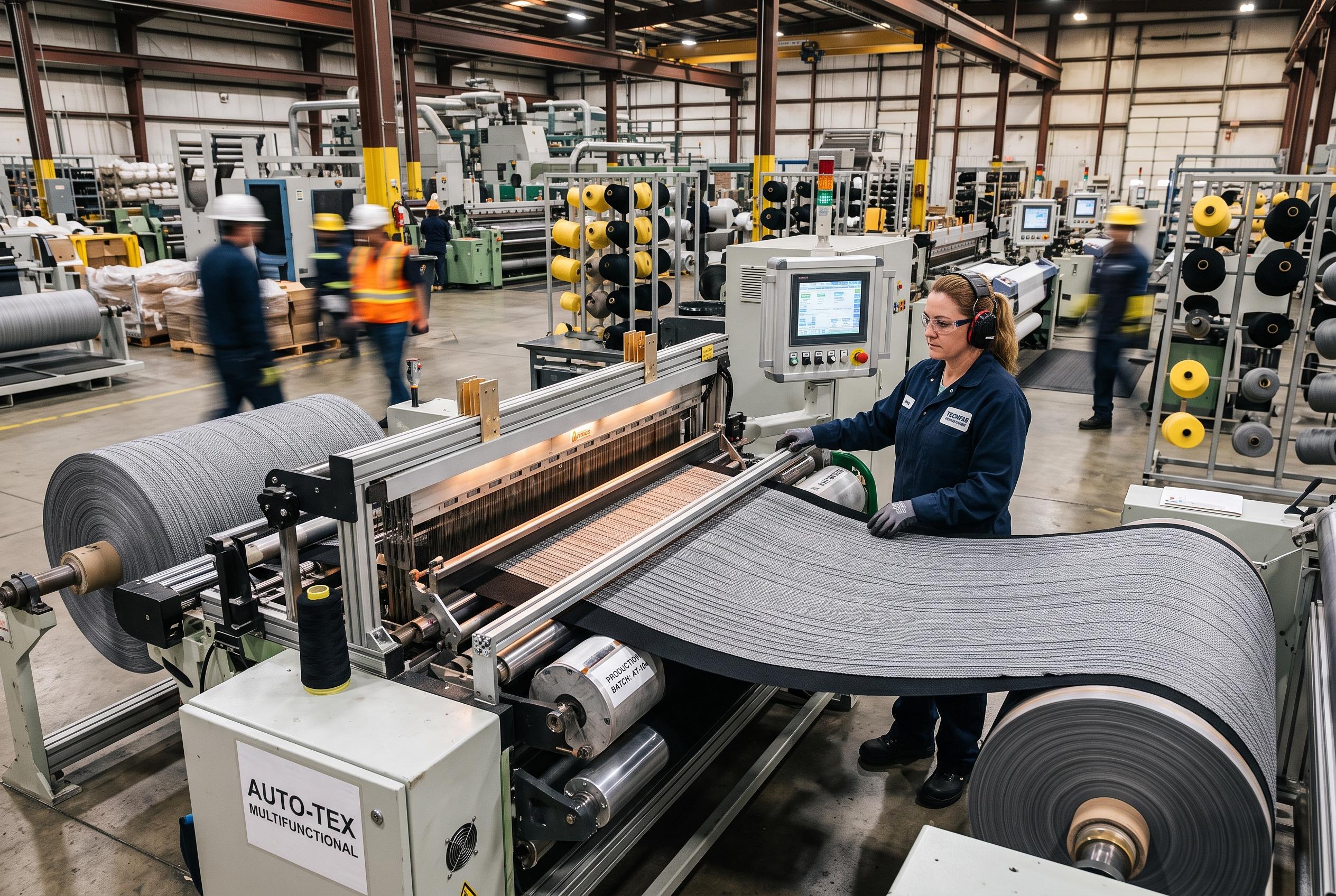
- Electric vehicles drive increased demand for acoustic and thermal interior materials
- Market expands with regional sourcing and multifunctional, lightweight textiles
- Growth driven by EVs, hybrids, and a focus on sustainability and resilience
According to IndexBox, the global market for automotive trim textiles is starting to enter a more steady growth period as vehicle manufacturers are refining how they source materials, interior content is on the rise, and supply chains are becoming more regionalized. In their latest outlook, the company describes this market as one increasingly shaped less by short-term restocking needs and more by deeper structural shifts in vehicle design. The main driving force behind this change is the push toward quieter, lighter, and more sustainable cabins, which is reshaping automakers’ expectations for interior materials and how suppliers position themselves within the electronics, logistics, and mobility value chain.
For the industry, it’s not just about swapping out one fabric for another anymore. It’s a much broader shift in sourcing that’s linked to how modern vehicles are built, how consumers experience the cabin, and how manufacturers balance performance with weight, regulations, and costs. Automotive trim textiles are increasingly expected to do much more than just provide a finished look or basic comfort. Now, they also support durability, acoustic insulation, thermal management, and multifunctional designs, aligned with premium lifestyles and the demands of mobile, connected transportation.
Electrification Is Changing Textile Demand
At the heart of this transformation is electrification. IndexBox estimates that battery electric vehicles (BEVs) demand two to three times more acoustic and thermal textile materials than traditional internal combustion engine (ICE) models. That’s a pretty big change, and it’s pushing the need for nonwovens, composites, and other technical fabrics used in dashpads, wheel-arch liners, battery covers, and headliners. Practically speaking, the rise of EVs isn’t just changing the powertrain; it’s also increasing interior material needs and creating fresh opportunities for suppliers who can meet these performance standards on a large scale.
Another report from IndexBox highlights that the sector is being reshaped by electrification, autonomous driving, and stricter environmental rules. In this context, trim textiles now go beyond aesthetic or comfort functions. They’re more closely linked to noise, vibration, and harshness (NVH) performance, turning them into a core part of cabin engineering instead of just a finishing touch. As vehicle architecture evolves, interior materials are taking on more technical and strategic roles, particularly as manufacturers aim to maintain a refined experience while reducing weight.
This shift is especially significant because EV platforms demand different considerations than traditional engines. Battery systems need thermal protection, and electric drivetrains tend to be quieter, which makes other sources of cabin noise more noticeable. Therefore, materials used for trims and insulation need to serve multiple purposes: damping sound, managing heat, supporting durability, and fitting into increasingly efficient production processes. This means sourcing decisions are now more critical than ever, with manufacturers hunting for suppliers who can deliver consistent quality while adapting to changing specifications.
The Market Gaining Momentum for Multifunctional Materials
The overall demand aligns with other market research reports. For example, Grand View Research points out that the Asia-Pacific region dominates in automotive textiles, mainly because of its high vehicle production and the importance of safety and interior applications there. This regional focus reflects the manufacturing scale, but also emphasizes the significance of supply chain access, logistics efficiency, and local production capacity. In a market where timing and compliance are key, proximity to assembly lines can be just as important as the material itself.
Meanwhile, reports on acoustic materials and NVH systems note that EV adoption has accelerated interest in lightweight damping solutions and sustainable soundproofing products. Automakers are trying to keep cabin comfort high without adding unnecessary weight, which makes material innovation all the more valuable. Lightweight options support efficiency goals while also maintaining the sensory experience associated with high-quality interiors. This is one reason trim textiles are now linked to a wider range of functions, comfort, acoustics, thermal performance, and even integrated sensing or lighting.
IndexBox states that suppliers are being pushed toward developing more multifunctional materials capable of combining comfort, durability, heating, sensing, and lighting functionalities in one product. That trend reflects how vehicle interiors are becoming more integrated environments, especially in mobile platforms where space is limited and user experience is paramount. Rather than separate components for each task, manufacturers want materials that can serve multiple purposes, making assembly easier and production smoother.
This multifunctional approach also fits with what consumers expect from modern vehicle interiors. Today, vehicles need to feel cleaner, quieter, and more adaptable. Whether it’s a passenger car, a commercial vehicle, or a specialty mobility platform, the cabin is increasingly viewed as a kind of living space. That raises the bar for textile suppliers, who must meet not just technical standards but also design expectations that influence how people perceive value.
Passenger Vehicles Still Lead, But EV and Hybrid Models Are Growing Fastest
IndexBox predicts that passenger cars will continue to be the largest market for trim textiles, but the quickest growth will come from electric and hybrid vehicles, where noise reduction and thermal needs are growing the fastest. Now, this distinction is important. While passenger vehicles still make up most of the total volume, the growth engine is shifting towards newer drivetrain categories that require more material per vehicle with more advanced performance demands. Basically, the market isn’t just expanding , it’s becoming more material-intensive.
It also anticipates contributions from commercial vehicles, aftermarket replacements, and specialty mobility platforms, but at a slower rate. These segments are important because they expand the market and ensure steady consumption, but they aren’t growing as quickly as EVs and hybrids. Across all categories, a common factor is the rising need for materials that can meet tougher requirements while remaining practical for large-scale sourcing and logistics.
The focus on passenger cars, EVs, and hybrids also points to a broader shift in how trim textiles are valued. Once primarily seen as just interior finishing, these materials now connect directly to vehicle architecture, platform strategies, and the overall customer experience. As automakers incorporate more features, like advanced infotainment or comfort-focused elements, trim textiles become part of the overall performance equation rather than just decorative surfaces. This makes them central to product planning and supplier relationships.
Regional Sourcing and Localization Are Increasing
The supply landscape is also shifting. IndexBox indicates that OEMs are localizing procurement to reduce risks from logistics and cut carbon footprints, with new manufacturing capacity appearing in Central Europe, Mexico, and Southeast Asia. This change is notable because it shows sourcing strategies are increasingly influenced by operational resilience and sustainability targets. Building regional supply chains can trim transportation risks, shorten lead times, and cut emissions tied to shipping long distances.
For suppliers, this shift means the competitive landscape is becoming more geographically diverse. Instead of depending solely on distant production hubs, OEMs are now seeking partners closer to assembly plants and key markets. That creates opportunities in Central Europe, Mexico, and Southeast Asia as capacity is being built or expanded to meet regional demand. It also highlights the importance of logistics planning, as delivery timeliness and supply stability are now as critical as cost and quality.
Of course, traditional challenges remain, like volatile raw material costs and strict compliance rules concerning flammability and volatile organic compounds (VOCs). These regulations, especially critical in interior components, mean that safety and air quality standards are closely monitored. Competition from alternative interior materials also pushes textile suppliers to improve functionality, sustainability, and cost-effectiveness. Despite all this, the overall outlook remains positive. IndexBox forecasts continued growth through 2035, driven by premium interior options, sustainable fibers, and the increasing material demands of next-gen vehicles. Overall, this suggests a market that’s not just expanding but also growing more specialized and aligned with broader shifts in automotive design and manufacturing, focusing on lighter materials, advanced interior tech, and regional, resilient supply chains.
What the Future Holds for the Automotive Supply Chain
For buyers, manufacturers, and suppliers, the main takeaway is that automotive trim textiles are becoming more strategically important in vehicle development. The market is reshaping under the influence of electrification, noise, vibration, and harshness (NVH) needs, as well as sustainability goals and regional sourcing strategies. As cars grow quieter and more integrated, the interior takes on a larger overall role, and the textiles used there are becoming more part of that story, measurably so.
This is also an area where electronics and materials are increasingly intersecting. As interior spaces incorporate more functional layers, such as heating elements, sensors, or lighting, textile suppliers must meet a wider array of expectations. It doesn’t change what the sector fundamentally is, but it does up the ante for suppliers who operate across both traditional manufacturing and the emerging mobility platforms. The best-positioned companies will be those who can coordinate sourcing, production, and product design to suit the evolving needs of automakers.
Looking further ahead, the market seems less cyclical and more driven by long-term shifts. Instead of waiting for the brief pause caused by restocking cycles, it’s clear that structural demand tied to vehicle architecture and consumer expectations is pushing this sector forward. Therefore, automotive trim textiles are an insightful indicator of broader mobility trends, towards lighter, smarter interior systems, and increasingly regional, resilient, and performance-driven supply chains.
Key Takeaways
- - Electrification is fueling increased demand for acoustic and thermal trims.
- - Passenger cars still dominate, but EV and hybrid models are experiencing the fastest growth.
- - OEMs are localizing procurement to cut logistics risks and reduce emissions.
- - Suppliers face pressures from volatile feedstock costs, strict compliance, and competition from alternative materials.
- - The growth outlook through 2035 remains positive, driven by premium interiors and sustainable fibers.
Frequently Asked Questions
Why are automotive trim textiles growing more important now? Because they now support comfort, acoustics, thermal control, and design goals at the same time.
Which vehicles are driving the fastest growth? Battery electric vehicles and hybrids, due to their higher material needs and stricter interior performance requirements.
Why are OEMs moving toward regional sourcing? To reduce logistics risks, improve supply reliability, and support lower-carbon supply chains.
What is the biggest challenge for suppliers? Meeting stricter compliance standards while keeping materials lightweight, durable, and cost-effective.
Why are EVs demanding more trim textiles? IndexBox explains that BEVs need about two to three times more acoustic and thermal textile material compared to traditional combustion engine models.
Which materials are gaining popularity? Nonwovens, composites, and other technical fabrics are seeing a stronger push, especially for parts like dashpads, wheel-arch liners, battery covers, and headliners.
Which region is leading the market? Grand View Research highlights Asia-Pacific as the main region for automotive textiles, mainly due to high production volumes and a focus on interior applications.
What’s the biggest trend in the supply chain? OEMs are shifting towards localizing procurement, establishing new manufacturing capacities in Central Europe, Mexico, and Southeast Asia to improve resilience and sustainability.
Sources by paragraph:
