
- Unilever integrates AI and digital twins to meet rapidly changing demand * AI-human collaboration enhances forecasting and decision-making * Digital factory models improve efficiency, reduce waste, and support large-scale brand activations
Unilever is increasingly integrating artificial intelligence, digital twins, and connected data into its global supply chain as more unpredictable demand shifts and large-scale brand activations put pressure on planning, manufacturing, and logistics. The company is moving toward a more interconnected operating system, according to Vicky Cuthbert, Unilever’s chief product supply chain officer for personal care, with AI and human expertise working together in forecasting, scenario planning, and daily decision-making.
This isn’t just theory. Unilever said consumer demand cycles have shrunk from months to hours, which means its speed of developing, manufacturing, and restocking products has to increase accordingly. The company has cut concept-to-pilot timelines to about 12 weeks and is running weekly forecasts covering 40 markets and more than 5 million product-customer combinations. In a pilot project with Walmart in Mexico, the model reportedly helped deliver more than 98% on-shelf availability while also reducing inventory and supporting category growth.
On the manufacturing front, Unilever is also making AI-driven improvements. Its Hefei factory in China has used AI to boost equipment effectiveness by 8% and cut waste by 20%. The plant handles roughly 31,000 orders a day across more than 400 products, and the company said it now fulfils orders 75% faster while logistics costs have fallen by almost 25%.
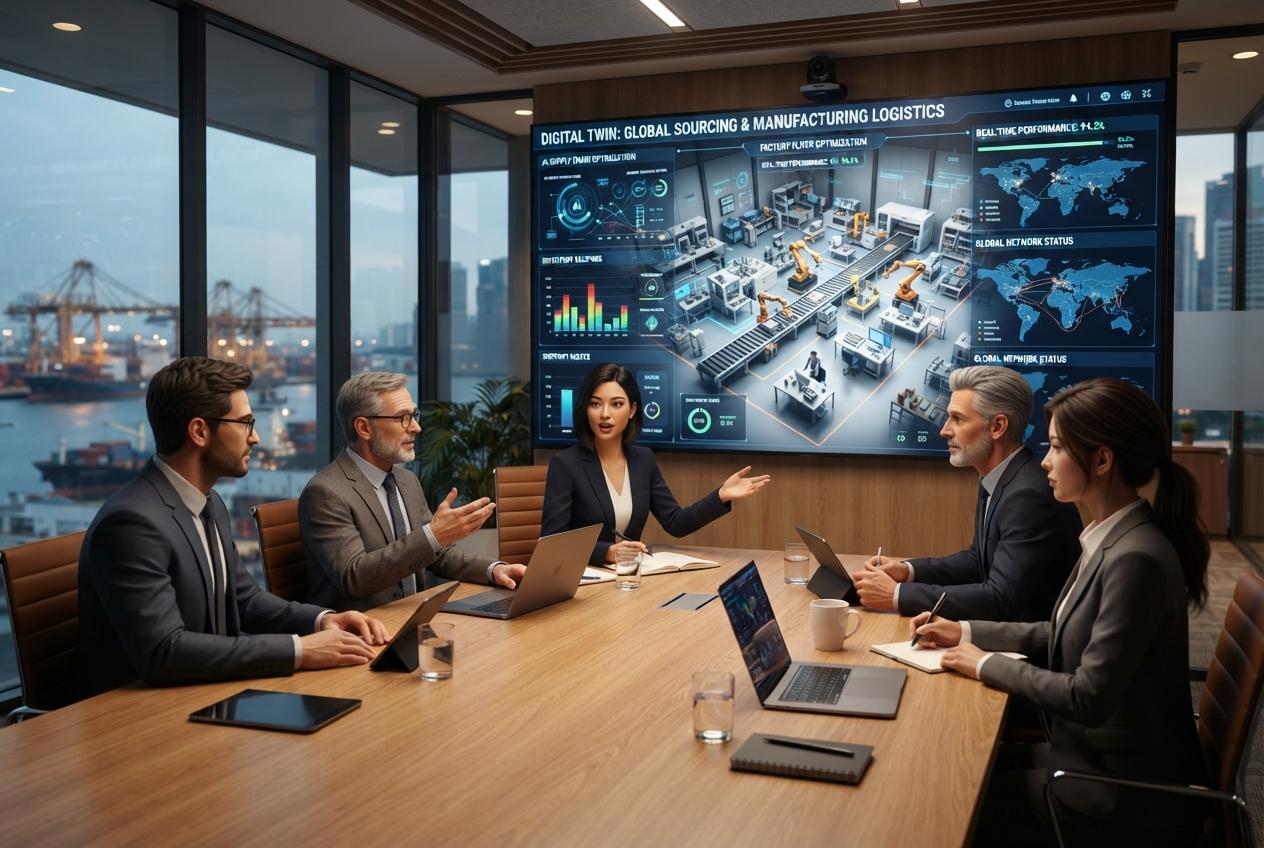
Digital twins are also playing a key role in the system. These virtual models of factories allow teams to simulate changes and identify bottlenecks before they affect production. Unilever said its Raeford factory in North Carolina, which helped produce products for the FIFA World Cup activation, used digital twins to improve quality and throughput, reducing waste by 20% and increasing capacity by 10%. The company plans to roll out more than 40 AI-powered digital twins across its manufacturing network over the next 18 months.
And speaking of the World Cup, the FIFA World Cup 2026 activation served as a large-scale test of these capabilities. Unilever said it activated 35 brands across more than 120 countries with 180 limited-edition products. That required coordinating material sourcing, manufacturing, and logistics across millions of retail locations, from major retailers to hundreds of thousands of smaller stores. The campaigns also ran across social media, in-store, out-of-home and television, involving more than 50,000 creators globally. The company cited Rexona’s limited-edition “World Champions” deodorants, which were produced and dispatched to Spain within days of the FIFA World Cup final after the winner was known.
Unilever’s longer-term strategy is to move beyond AI in individual supply chain functions and create a more connected digital infrastructure. The company said its five-year partnership with Google Cloud is intended to establish an enterprise-wide digital backbone that connects data, generates insights and supports agentic workflows across business processes.
For Unilever, the shift is not limited to introducing more AI tools. Cuthbert said the larger opportunity lies in redesigning processes so employees and AI systems can work together more effectively.
The company expects this combination of human judgment, AI-driven analysis and digital simulation to help its supply chain respond faster to demand changes, manufacturing constraints and external disruptions while supporting growth across its global consumer brands.
Takeaways
- - Speed is now a supply chain requirement. When demand shifts in hours instead of months, planning, sourcing, manufacturing, and logistics all need faster feedback loops.
- - AI works best when paired with human expertise. The article suggests that the strongest results come from combining machine-driven forecasting with experienced decision-making.
- - Digital twins are becoming a practical tool, not just a concept. Virtual factory models can help teams test changes before they affect production and distribution.
- - Large brand activations expose operational strengths. Events like the FIFA World Cup activation show how connected systems can support rapid product launches at global scale.
- - The future is more connected. Unilever’s approach points toward an integrated digital operating model rather than isolated technology projects.
Frequently Asked Questions
Why is Unilever investing in AI for supply chain operations? To improve forecasting, planning, manufacturing efficiency, and logistics responsiveness as demand becomes more volatile.
What role do digital twins play? They let teams simulate factory changes, find bottlenecks, and improve quality and throughput before real-world disruptions happen.
Why does this matter for consumers? It can help improve product availability, reduce delays, and support faster responses to trends and seasonal demand.
Is this only about technology? No. The article emphasizes process redesign and human-AI collaboration, not just adding new tools.
First Published on August 17, 2026, 15:57:22 IST
