
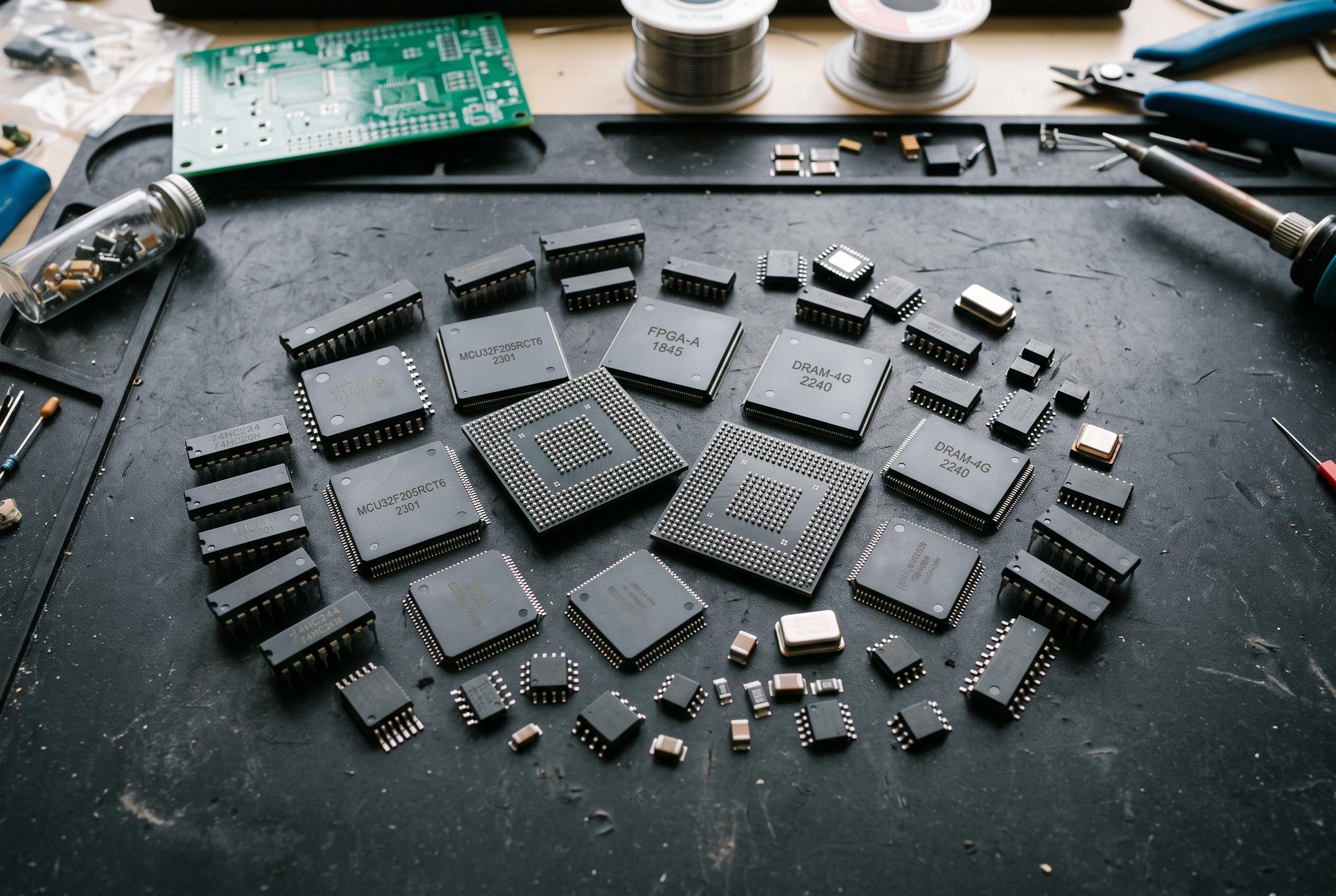
- Qualcomm hints at launching two high-end Snapdragon chips this year
- The Pro version may offer enhanced gaming, imaging, and AI capabilities
- Dual-flagship strategy could reshape device tiers and supply chain logistics
Qualcomm has dropped some hints that this year’s Snapdragon Summit is going to focus on a dual-flagship approach, with the company teasing what they called "Dual 8 Elites" just ahead of the September event in Maui. The teaser, which they posted on X, pointed toward upgraded connectivity, better camera performance, and faster graphics, basically, framing the announcement as part of Qualcomm’s larger push into what they're calling the "agentic AI era."
The most obvious takeaway here is that Qualcomm seems ready to introduce two high-end chips instead of just one main processor. Android Central reported that the teaser video showed two unnamed Snapdragon parts, and it highlighted that both would offer improved gaming, imaging, and communication features. The event itself is set for September 22-24, according to Qualcomm’s earlier confirmation.
Leaked details floating around the supply chain suggest the lineup will include a standard Snapdragon 8 Elite Gen 6 and a higher-tier Snapdragon 8 Elite Gen 6 Pro. Reports from Beebom Gadgets and Gadgets360 say that both chips are expected to be manufactured on TSMC’s 2nm-class process, with the Pro variant likely targeting the most premium "Ultra" phones. That makes sense, considering how handset makers tend to reserve the very best chips for their flagship models, like the upcoming devices from Samsung and well-known Chinese brands.
The rumored specs also hint at a pretty notable difference between the two versions. According to leaks, the Pro chip might feature a 2+3+3 CPU layout paired with an Adreno 850 GPU, 18 MB of GMEM, and support for LPDDR6 memory. Meanwhile, the standard version is said to include an Adreno 845 GPU, 12 MB of GMEM, and support for LPDDR5X. Gizmochina reported that the Pro could even be built on TSMC’s N2P node, which would mean a larger die size than the previous generation despite moving to a smaller process tech.
What makes this especially interesting for the broader electronics market is how neatly it fits into Qualcomm’s usual platform strategy. Rather than treating every premium phone as identical, the company may be moving toward clearer performance tiers, giving OEMs more room to decide whether they want to optimize for battery life, raw graphics power, on-device AI, or a balanced mix of all three. In practical terms, that could affect everything from industrial sourcing decisions to how quickly smartphone makers finalize their bill of materials, because chipset selection often ripples through memory, cooling, and modem choices as well.
That kind of segmentation could also reshape the mobile launch calendar. If the Pro model is truly reserved for the most expensive devices, brands may use it as a headline feature for their top-tier flagships while the standard chip becomes the default for premium-but-not-ultra handsets. For consumers, the distinction could become more visible than in past generations, especially if camera tuning, gaming frame rates, and AI features are marketed differently across models. In the lifestyle segment, that usually means a sharper divide between phones aimed at mainstream buyers and those meant for power users who care about long-term performance and bragging rights.
The logistics side matters too. A dual-flagship rollout can complicate forecasting, inventory planning, and supplier allocation, especially when one chip may rely on a more advanced process node or more expensive memory support than the other. If both chips land in volume, phone makers will need to manage procurement carefully so the “Pro” devices don’t run into bottlenecks while still keeping the standard version widely available. That is often where the real business story lives in electronics: not just what the chip can do, but how many units can actually be sourced, assembled, and shipped on time.
There is also the larger AI angle. Qualcomm has been leaning heavily into the idea that next-generation mobile devices should do more processing locally, reducing dependence on the cloud for certain tasks. If the teased chips really are part of an "agentic AI era," then the company appears to be positioning the Snapdragon platform as more than a speed bump from one generation to the next. Instead, the message seems to be that premium smartphones will increasingly act like responsive, context-aware assistants that can manage images, communications, productivity, and gaming with less latency and more personalization.
From a consumer perspective, that could translate into a more noticeable everyday experience than benchmark numbers alone suggest. Better imaging and graphics usually get the most attention, but improvements in connectivity and AI acceleration often influence the small things people feel every day: faster app launches, smoother video calls, smarter photo editing, and more reliable performance in crowded networks. In that sense, the rumored split between the two chips may reflect a broader shift in mobile hardware, where raw specs are only part of the story and software-driven utility becomes just as important.
Still, it is worth keeping expectations measured until Qualcomm actually unveils the hardware. Supply chain leaks often capture some details correctly while missing the final naming, exact clock speeds, or launch timing. The company could also adjust the positioning of the two chips between now and the summit, especially if partner feedback or manufacturing plans change. Even so, the current rumor set paints a fairly coherent picture: Qualcomm may be setting up a flagship ladder that gives phone makers more flexibility while keeping the Snapdragon brand firmly at the center of premium Android devices.
If the dual-chip approach does happen, it may also influence how the rest of the ecosystem reacts. Component suppliers, mobile accessory makers, and software developers often follow the lead of the most prominent platform changes, particularly when they affect gaming, camera pipelines, or on-device AI features. That means the summit may not just be about two new processors; it could become a signal for the next phase of smartphone competition, where performance tiers, premium materials, and AI capabilities all get tied together in a more deliberate way.
Takeaways - Qualcomm appears to be moving toward a two-chip flagship strategy. - The Pro model may target the most premium phones with stronger gaming and AI focus. - A dual launch could affect sourcing, logistics, and device planning across the mobile supply chain. - The real story may be less about raw speed and more about how Qualcomm segments the premium Android market.
Disclaimer: This article may have been created with AI assistance and reviewed by our editorial team. It is provided for general informational purposes only. Readers should verify information independently before relying on this content.
Source Reference Map
Inspired by headline at: [1]
Sources by paragraph: - Paragraph 1: [2], [4] - Paragraph 2: [1], [4] - Paragraph 3: [2], [5], [6] - Paragraph 4: [2], [3], [7] - Paragraph 5: [1], [3], [5], [6]
