



Table of Contents
Part 1. Supply Chain Sourcing: An Essential Aspect
Part 2. What is Supply Chain Sourcing?
Part 4. Why is Supply Chain Sourcing Important?
Part 5. What is the Process of Supply Chain Sourcing?
Part 6. Pros and Cons of Global Sourcing
Part 7. Supply Chain Sourcing vs. Procurement: Procurement Strategies
Part 8. 10 Examples of Sourcing Strategy
Part 9. One Stop Souring B2B Marketplace - GlobalSources.com
In supply chain management, sourcing strategies are crucial for balancing cost efficiency with quality assurance. They encompass a variety of approaches, such as global sourcing, technology utilization, and fostering strong supplier partnerships. These strategies are key to gaining a competitive edge by acquiring top-notch materials and services, while considering cost-effectiveness, sustainability, and innovation. In this article, we will discuss about some of the sourcing strategies for supply chain.
Part 1. Supply Chain Sourcing: An Essential Aspect
Supply chain sourcing is a critical aspect of any business's operations. It involves the process of identifying, evaluating, and selecting suppliers to provide goods and services that are integral to a company's success. This multifaceted process is the cornerstone of supply chain management, as it determines the quality, cost, and availability of the products that businesses offer to their customers.
Strategic Sourcing
At the heart of supply chain sourcing lies strategic sourcing, a method that goes beyond mere transactional functions. Strategic sourcing is about aligning purchasing decisions with the company's overall goals and long-term objectives. It's not just about finding the lowest price; it's about understanding the total cost of ownership, which includes factors like quality, service, delivery, and flexibility.
Types of Sourcing
There are several types of sourcing strategies that companies can employ, each with its own set of benefits and challenges:
- Outsourcing: Utilizing third-party suppliers, either domestically or internationally, to perform activities or provide goods and services that are typically done in-house.
- Insourcing: Leveraging internal resources to perform supply chain activities, often as a cost-reduction strategy.
- Near-sourcing: Moving sourcing activities closer to where goods or services are sold to cut transportation costs and delivery lead times.
- Single sourcing: Relying on one supplier for all materials, goods, and services, which can create exclusivity and reduce negotiation and selection time.
- Global sourcing: Acquiring goods or services from international markets to access low-cost resources and skills unavailable locally.
Supplier Relationships
Building and maintaining strong relationships with suppliers is another crucial element of sourcing. Companies must manage these relationships to ensure a steady supply of goods and services, negotiate favorable terms, and collaborate on innovations and improvements.
Technology in Sourcing
The use of technology has become increasingly important in sourcing. Advanced software and tools allow for better market analysis, supplier management, and communication. This technological integration helps companies make more informed decisions and streamline their sourcing processes.
Challenges in Sourcing
Sourcing is not without its challenges. Companies must navigate risks such as supply chain disruptions, geopolitical tensions, and fluctuating market conditions. They also need to consider ethical sourcing practices and ensure their suppliers adhere to environmental and social governance standards.
The Future of Sourcing
As the business world evolves, so too does the approach to sourcing. Companies are now looking at ways to incorporate artificial intelligence, machine learning, and blockchain technology to further enhance their sourcing strategies. These technologies promise to bring greater transparency, efficiency, and resilience to supply chains.
Part 2. What is Supply Chain Sourcing?
Supply chain sourcing refers to the process of identifying, evaluating, and selecting suppliers for goods and services that are essential to an organization's operations. It encompasses activities such as supplier identification, negotiation, contract management, and supplier relationship management. Effective supply chain sourcing is crucial for ensuring that organizations obtain high-quality products and services at competitive prices while mitigating risks and ensuring continuity of supply.
The first step in supply chain sourcing is supplier identification, where potential suppliers are identified based on factors such as product quality, price, reliability, and geographic location. Once potential suppliers are identified, organizations typically engage in a process of supplier evaluation and selection, which involves assessing factors such as supplier capabilities, financial stability, production capacity, and compliance with regulatory requirements.
Negotiation plays a critical role in the supply chain sourcing process, as organizations seek to secure favorable terms and conditions with their chosen suppliers. This may include negotiating pricing, payment terms, delivery schedules, and service level agreements. Effective negotiation requires a thorough understanding of market dynamics, as well as strong communication and relationship-building skills.
Once agreements are reached with suppliers, organizations must effectively manage their contracts to ensure compliance and mitigate risks. This involves monitoring supplier performance, resolving disputes, and periodically reassessing supplier relationships to ensure they continue to meet the organization's needs.
Supplier relationship management is an ongoing process that involves building and maintaining collaborative relationships with suppliers to drive continuous improvement and innovation. This may include sharing information, providing feedback, and collaborating on product development and process improvement initiatives.
Overall, supply chain sourcing is a complex and dynamic process that requires careful planning, analysis, and collaboration across various functions within an organization. By effectively managing their supply chain sourcing activities, organizations can enhance their competitiveness, reduce costs, and create value for their customers.
Part 3. Examples of Sourcing
Sourcing is a critical aspect of business operations, encompassing the procurement of goods, services, or materials from external suppliers or partners. Here are several examples illustrating sourcing activities across different industries:
1. Raw Material Sourcing
Example: A furniture manufacturing company sources sustainably harvested wood from certified forestry suppliers to ensure environmental responsibility and meet customer demand for eco-friendly products. By prioritizing ethical sourcing practices, the company enhances its brand reputation and aligns with consumer preferences for sustainable products.
2. Component Sourcing
Example: An electronics manufacturer sources microprocessors from specialized suppliers to integrate into its devices. By selecting suppliers with expertise in microprocessor manufacturing, the company ensures high-quality components that meet performance standards. This sourcing strategy enhances product reliability and allows the company to focus on its core competencies in design and innovation.
3. Service Sourcing
Example: A software development company outsources software testing services to a third-party testing firm. By leveraging the testing expertise of external specialists, the company ensures comprehensive testing coverage and identifies potential software defects early in the development process. This sourcing strategy accelerates time-to-market, improves software quality, and reduces development costs.
4. Talent Sourcing
Example: A consulting firm sources freelance consultants with specialized expertise in areas such as marketing, finance, or IT to augment its project teams. By tapping into a pool of freelance talent, the firm gains access to diverse skill sets and can scale its workforce according to project requirements. This sourcing approach enhances project flexibility, reduces overhead costs, and enables the firm to deliver tailored solutions to clients.
5. Product Sourcing
Example: A retail company sources a wide range of products, including clothing, electronics, and home goods, from various suppliers and manufacturers worldwide. By curating a diverse product assortment from different sources, the company caters to the preferences and needs of its target customers. This sourcing strategy allows the retailer to offer a comprehensive selection of products, maintain competitive pricing, and adapt to changing market trends.
6. Vendor Sourcing
Example: A construction contractor sources building materials from multiple vendors based on factors such as price, quality, and delivery lead times. By evaluating and selecting vendors strategically, the contractor ensures timely access to materials and minimizes project delays. This sourcing approach mitigates supply chain risks, optimizes cost-effectiveness, and enhances project efficiency and profitability.
7. Strategic Partnership Sourcing
Example: An automotive manufacturer forms strategic partnerships with key suppliers to develop advanced automotive technologies, such as electric vehicle components or autonomous driving systems. By collaborating closely with suppliers on research and development initiatives, the manufacturer accelerates innovation, reduces time-to-market, and gains a competitive edge in the automotive market. This sourcing strategy fosters long-term relationships, promotes knowledge sharing, and drives mutual success.
Part 4. Why is Supply Chain Sourcing Important?
Supply chain sourcing plays a pivotal role in the success and sustainability of businesses across industries. It encompasses the process of identifying, evaluating, and selecting suppliers to procure goods and services necessary for production. This function is crucial for companies seeking to optimize their supply chains, reduce costs, ensure product quality, and mitigate risks. This is why it is important:
1. Cost Reduction and Efficiency
One of the primary reasons why supply chain sourcing is important is its potential to drive cost reduction and enhance efficiency. By sourcing materials, components, and services from the right suppliers at competitive prices, companies can lower their production costs. This includes negotiating favorable terms, such as volume discounts, payment schedules, and delivery arrangements. Effective sourcing practices enable companies to optimize their procurement processes, streamline operations, and minimize wastage, thereby improving overall efficiency and profitability.
2. Quality Assurance and Risk Mitigation
Another critical aspect of supply chain sourcing is ensuring product quality and mitigating risks. By carefully selecting suppliers based on their capabilities, track record, and adherence to quality standards, companies can minimize the risk of receiving substandard materials or components. Additionally, sourcing from multiple suppliers or diversifying sourcing locations can help mitigate the impact of potential disruptions, such as supply chain disruptions, natural disasters, or geopolitical uncertainties. Robust sourcing strategies enable companies to maintain consistent product quality, meet customer expectations, and safeguard their reputation in the market.
3. Innovation and Competitive Advantage
Supply chain sourcing also plays a significant role in fostering innovation and gaining a competitive advantage. By collaborating closely with suppliers, companies can leverage their expertise, resources, and capabilities to drive innovation in product design, materials, and manufacturing processes. This collaborative approach enables companies to stay ahead of market trends, introduce new products, and differentiate themselves from competitors. Moreover, by sourcing from suppliers who prioritize sustainability, ethical practices, and social responsibility, companies can enhance their brand image and appeal to socially conscious consumers, thereby gaining a competitive edge in the market.
4. Flexibility and Adaptability
In today's dynamic business environment, flexibility and adaptability are key to navigating market uncertainties and changing customer demands. Effective supply chain sourcing enables companies to remain agile and responsive to evolving market conditions. This includes the ability to quickly onboard new suppliers, adjust sourcing strategies in response to changes in market dynamics, and scale operations up or down as needed. By building resilient and flexible supply chains, companies can better withstand disruptions and capitalize on emerging opportunities, thereby maintaining a competitive position in the market.
Part 5. What is the Process of Supply Chain Sourcing?
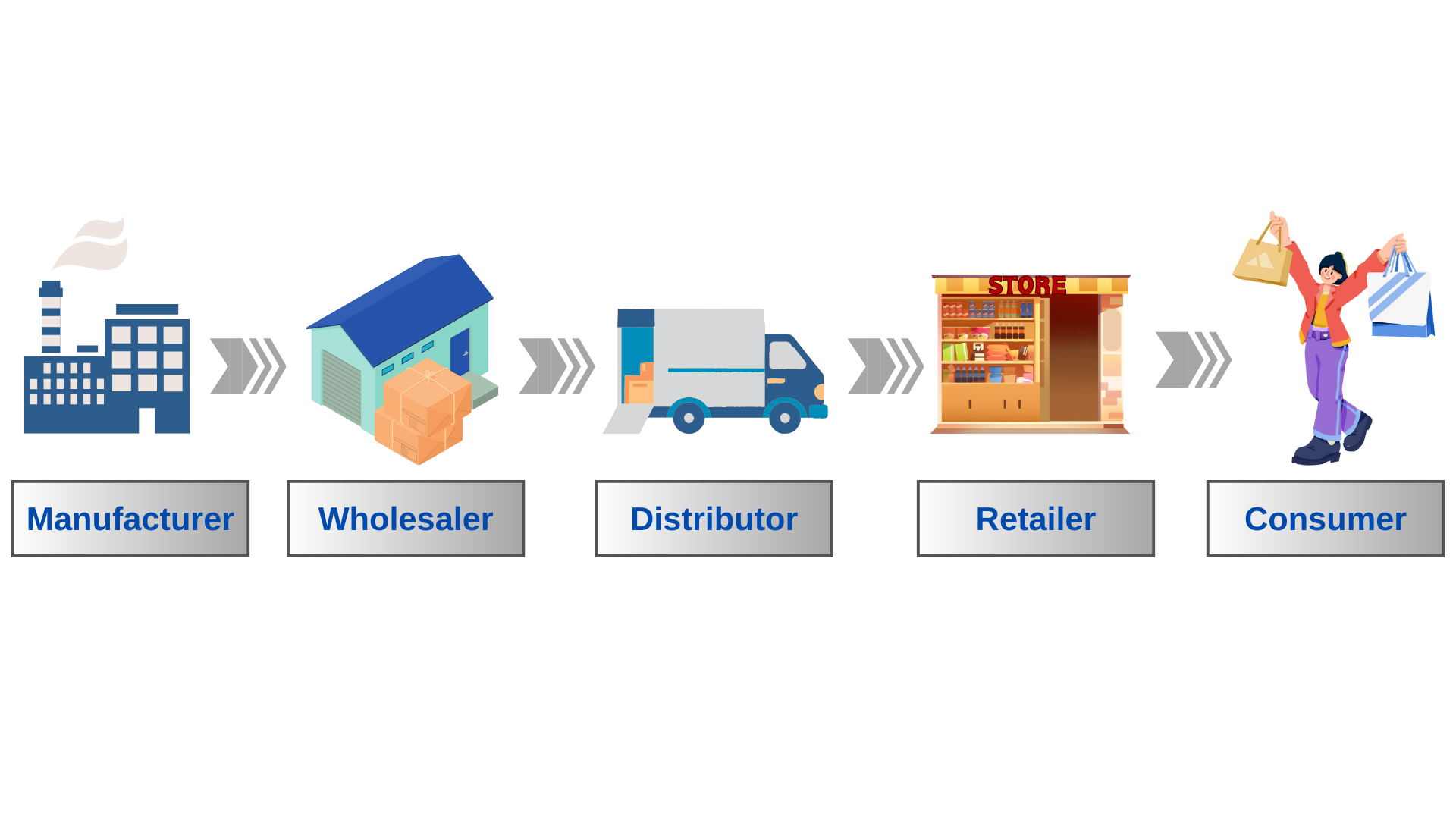
The process of supply chain sourcing involves several interconnected steps aimed at identifying, evaluating, and selecting suppliers to procure goods and services essential for a company's operations. This process is crucial for optimizing supply chains, reducing costs, ensuring product quality, and mitigating risks. These are the key steps involved in the supply chain sourcing process:
1. Supplier Identification
The first step in the sourcing process is identifying potential suppliers that can meet the company's requirements for goods or services. This involves conducting market research, leveraging industry networks, attending trade shows, and utilizing supplier databases. The goal is to compile a list of potential suppliers that align with the company's needs in terms of product specifications, quality standards, pricing, and delivery capabilities.
2. Supplier Evaluation
Once potential suppliers are identified, the next step is to evaluate them based on various criteria such as capabilities, reliability, financial stability, and compliance with regulatory requirements. This evaluation may involve conducting site visits, reviewing supplier qualifications, assessing production processes, and examining quality control measures. The goal is to assess the supplier's ability to consistently meet the company's quality, cost, and delivery requirements.
3. Negotiation and Contracting
After evaluating potential suppliers, the company enters into negotiations to establish terms and conditions for the supply of goods or services. This includes negotiating pricing, payment terms, delivery schedules, quality standards, and service level agreements. The negotiation process aims to achieve a mutually beneficial agreement that meets the company's needs while also addressing the supplier's requirements. Once terms are agreed upon, contracts are formalized to document the rights and obligations of both parties.
4. Procurement and Order Fulfillment
Once contracts are in place, the company initiates procurement activities to order goods or services from the selected suppliers. This involves issuing purchase orders specifying the quantity, delivery date, and other relevant details. The company monitors the procurement process closely to ensure timely delivery of goods or services and manages inventory levels to meet production demands. Additionally, the company may implement systems for tracking supplier performance and managing supplier relationships.
5. Supplier Relationship Management
Supplier relationship management is an ongoing process that involves maintaining open communication and collaboration with suppliers. This includes regular meetings, performance reviews, joint problem-solving, and sharing of market intelligence. The goal is to build strong relationships with suppliers based on trust, transparency, and mutual respect. By fostering positive relationships with suppliers, the company can address issues proactively, drive continuous improvement, and identify opportunities for innovation.
6. Performance Monitoring and Optimization
Throughout the sourcing process, the company continuously monitors supplier performance to ensure that suppliers are meeting their contractual obligations. This involves tracking key performance indicators (KPIs) such as on-time delivery, product quality, and responsiveness to issues. If performance issues arise, the company works with suppliers to address them promptly and implement corrective actions. Additionally, the company periodically reviews its sourcing strategies and supplier relationships to identify opportunities for optimization and improvement.
Part 6. Pros and Cons of Global Sourcing
Global sourcing, the practice of seeking goods, services, or components from suppliers worldwide, offers both advantages and challenges to businesses. Here's a breakdown of the pros and cons of global sourcing:
Pros
1. Cost Savings: One of the primary advantages of global sourcing is cost savings. Companies can often find lower-cost suppliers in regions where labor, materials, or production costs are lower. This can lead to significant cost reductions in manufacturing, assembly, and other operational processes.
2. Access to Specialized Skills and Resources: Global sourcing allows companies to access specialized skills, technologies, and resources that may not be available domestically. This can be particularly beneficial for industries requiring specific expertise or advanced manufacturing capabilities.
3. Diversification of Supplier Base: By sourcing globally, companies can diversify their supplier base, reducing dependence on a single supplier or market. This can help mitigate risks associated with supply chain disruptions, natural disasters, geopolitical uncertainties, or changes in government regulations.
4. Increased Market Reach: Global sourcing enables companies to expand their market reach by accessing suppliers in different regions and tapping into new markets. This can facilitate international expansion and growth opportunities for businesses seeking to reach customers worldwide.
5. Enhanced Product Quality and Innovation: Access to a broader pool of suppliers can foster competition and drive improvements in product quality, innovation, and technology. Global suppliers may offer unique perspectives, insights, and solutions that contribute to product differentiation and market competitiveness.
Cons
1. Logistics and Supply Chain Complexity: Global sourcing introduces complexities in logistics, transportation, and supply chain management. Longer lead times, shipping delays, customs clearance, and language barriers can impact operational efficiency and increase costs.
2. Quality Control and Communication Challenges: Maintaining consistent product quality and communication across global supply chains can be challenging. Differences in language, culture, and business practices may lead to misunderstandings, quality issues, and delays in production.
3. Political and Geopolitical Risks: Global sourcing exposes companies to political and geopolitical risks, including trade disputes, tariffs, sanctions, and regulatory changes. Political instability, civil unrest, or conflict in sourcing regions can disrupt supply chains and impact business operations.
4. Currency Fluctuations and Financial Risks: Exchange rate fluctuations can affect the cost of goods and impact profitability for companies sourcing globally. Currency volatility introduces financial risks, including foreign exchange exposure and fluctuations in raw material costs.
5. Ethical and Social Responsibility Concerns: Global sourcing raises ethical and social responsibility concerns related to labor practices, environmental sustainability, and human rights. Companies must ensure that their global suppliers adhere to ethical standards, comply with regulations, and uphold corporate social responsibility principles.
Part 7. Supply Chain Sourcing vs. Procurement: Procurement Strategies
Supply chain sourcing and procurement are two interconnected but distinct functions within the broader realm of supply chain management. While both focus on acquiring goods and services, they differ in scope and approach. Let's explore the differences between supply chain sourcing and procurement, along with some common procurement strategies:
Supply Chain Sourcing vs. Procurement:
Scope
- Supply Chain Sourcing: Supply chain sourcing involves the strategic identification, evaluation, and selection of suppliers to procure goods, services, or components necessary for a company's operations. It encompasses activities such as supplier identification, supplier evaluation, negotiation, and contract management.
- Procurement: Procurement, on the other hand, refers to the operational process of acquiring goods and services from selected suppliers. It involves activities such as issuing purchase orders, managing supplier relationships, coordinating deliveries, and ensuring timely receipt of goods or services.
Focus
- Supply Chain Sourcing: The primary focus of supply chain sourcing is on strategic decision-making and relationship-building with suppliers. It involves analyzing market trends, identifying potential suppliers, evaluating their capabilities, negotiating contracts, and managing supplier relationships to optimize supply chain performance.
- Procurement: Procurement focuses on the tactical and operational aspects of purchasing goods and services. It involves executing sourcing strategies, issuing purchase orders, managing inventory levels, coordinating deliveries, and ensuring compliance with contractual agreements.
Timeframe
- Supply Chain Sourcing: Supply chain sourcing typically operates on a longer-term strategic horizon. It involves conducting market research, assessing supplier capabilities, and establishing long-term partnerships to secure a stable and reliable supply of goods or services
- Procurement: Procurement operates on a shorter-term tactical horizon, focusing on the day-to-day execution of purchasing activities to meet immediate operational needs. It involves placing orders, managing inventory, and coordinating deliveries to ensure that goods or services are available when needed.
Procurement Strategies
Effective procurement strategies are essential for optimizing supply chain performance, reducing costs, and mitigating risks. Here are some common procurement strategies that companies employ:
1. Supplier Consolidation:
- Definition: Supplier consolidation involves reducing the number of suppliers in favor of establishing long-term partnerships with a select group of strategic suppliers.
- Benefits: Supplier consolidation can lead to economies of scale, streamlined supplier management, improved pricing, and better collaboration with key suppliers.
2. Just-in-Time (JIT) Procurement:
- Definition: JIT procurement involves acquiring goods or services exactly when they are needed, minimizing inventory holding costs and reducing the risk of obsolescence.
- Benefits: JIT procurement can improve inventory management, reduce carrying costs, increase operational efficiency, and enhance responsiveness to changing demand.
3. Total Cost of Ownership (TCO) Analysis:
- Definition: TCO analysis involves evaluating the total cost of acquiring, owning, and managing a product or service over its entire lifecycle, including acquisition costs, operating costs, maintenance costs, and disposal costs.
- Benefits: TCO analysis helps companies make more informed procurement decisions by considering all relevant costs and factors, leading to better value for money and improved profitability.
4. Supplier Development:
- Definition: Supplier development involves collaborating with suppliers to improve their capabilities, processes, and performance, ultimately enhancing the value they provide to the company.
- Benefits: Supplier development initiatives can lead to improved product quality, reduced lead times, increased innovation, and stronger long-term relationships with suppliers.
5. Risk Management:
- Definition: Risk management strategies involve identifying, assessing, and mitigating risks associated with the procurement process, such as supply chain disruptions, price fluctuations, quality issues, and geopolitical risks.
- Benefits: Effective risk management helps companies anticipate and proactively address potential risks, ensuring continuity of supply, protecting against financial losses, and safeguarding the company's reputation.
Part 8. Top 10 Examples of Sourcing Strategy
Supplier consolidation
Supplier consolidation involves optimizing supplier relationships to achieve economies of scale, negotiate advantageous pricing, and foster deeper collaboration. By nurturing long-term partnerships, companies streamline procurement processes, enhance supply chain visibility, and align with strategic partners' capabilities and goals. This approach not only simplifies supplier management but also facilitates better communication and coordination throughout the supply chain. With fewer suppliers to manage, companies can devote more resources to building strong relationships and driving mutual growth and innovation. Ultimately, supplier consolidation enhances efficiency, reduces costs, and strengthens the overall resilience of the supply chain.
Global sourcing
Global sourcing empowers companies to access cost-effective resources, specialized skills, and diversified supply chains by leveraging suppliers from diverse geographic regions. This strategy promises cost savings, risk mitigation, and market expansion. However, it also poses challenges such as logistical complexities, cultural differences, and regulatory compliance issues. Despite these obstacles, the benefits of global sourcing are significant, including enhanced competitiveness, improved product quality, and increased flexibility in meeting customer demands. Through effective management and strategic planning, companies can capitalize on the advantages of global sourcing while navigating the complexities of the global marketplace.
Just-in-Time (JIT)
Just-in-Time (JIT) procurement empowers companies to minimize inventory holding costs, reduce waste, and enhance responsiveness to demand fluctuations. By closely aligning procurement activities with production schedules and customer requirements, this strategy optimizes inventory management processes. It ensures that goods are acquired precisely when needed, minimizing the risk of overstocking or stockouts. Embracing JIT principles streamlines operations, improves efficiency, and enables companies to adapt swiftly to changing market demands. However, effective implementation requires robust supply chain coordination, reliable supplier relationships, and agile production capabilities to ensure seamless execution and maximize the benefits of JIT procurement.
Single sourcing
Single sourcing involves selecting a sole supplier for a product or component, ensuring consistent quality, simplified procurement, and enhanced collaboration. This strategy streamlines supplier management, consolidates purchasing, and empowers companies to negotiate advantageous terms. Yet, it introduces risks like supplier dependency and vulnerability to supply chain disruptions. Despite these challenges, single sourcing can optimize efficiency and cost-effectiveness by concentrating resources and efforts on a trusted supplier. Mitigating risks requires contingency planning and close monitoring to maintain continuity and resilience in the supply chain, balancing the benefits of streamlined operations with the need for robust risk management strategies.
Dual sourcing
Dual sourcing involves engaging two suppliers for a product or component, mitigating risks, ensuring supply continuity, and fostering healthy competition. This strategy enhances supply chain flexibility, resilience, and redundancy, balancing cost considerations with risk management. By diversifying suppliers, companies can maintain operations during disruptions, negotiate favorable terms, and optimize efficiency. However, managing multiple suppliers requires effective coordination, communication, and performance monitoring to maintain quality and consistency. Despite these challenges, dual sourcing provides a strategic advantage by reducing vulnerability to supply chain disruptions and enhancing overall resilience in dynamic market environments.
Vertical integration
Vertical integration involves internalizing stages of the supply chain, like manufacturing or distribution, granting companies greater control over quality, costs, and processes. This strategy diminishes reliance on external suppliers, amplifies supply chain transparency, and stimulates innovation and customization. Yet, it necessitates substantial investments in infrastructure, technology, and expertise. Despite the financial commitment, vertical integration offers strategic advantages by bolstering operational efficiency, ensuring consistent quality, and fostering agility in responding to market dynamics. Companies embracing this strategy position themselves for long-term sustainability and competitiveness by harnessing control over critical aspects of their supply chain operations.
Outsourcing
Outsourcing involves delegating business functions or processes to external vendors, leveraging their expertise, reducing costs, and enabling focus on core competencies. This strategy provides flexibility, scalability, and access to advanced capabilities. However, challenges like maintaining quality control, effective communication, and safeguarding intellectual property may arise. Despite these obstacles, outsourcing remains a valuable strategy for companies seeking to optimize operations, enhance efficiency, and remain competitive in dynamic markets. Effective management and collaboration with outsourcing partners are essential to maximize the benefits while mitigating risks associated with outsourcing arrangements.
Reverse auctions
Reverse auctions entail competitive bidding among suppliers to drive prices down and secure optimal value for goods or services. This approach fosters price competition, enhances transparency, and maximizes cost savings. However, it can strain supplier relationships and prioritize short-term cost savings over long-term partnerships. Despite potential challenges, reverse auctions remain an effective tool for companies seeking immediate cost reductions and leveraging market dynamics to their advantage. Effective communication and collaboration with suppliers are essential to balance cost considerations with the maintenance of strategic supplier relationships for sustained value creation in the supply chain.
Strategic partnerships
Strategic partnerships involve forging collaborative ties with key suppliers, rooted in trust, shared objectives, and ongoing improvement efforts, fostering innovation, efficiency, and value generation. This strategy facilitates knowledge exchange, risk mitigation, and joint issue resolution, culminating in heightened product excellence, supply chain robustness, and competitive edges. By nurturing such alliances, companies enhance operational effectiveness, tap into diverse expertise, and fortify their market position. Strategic partnerships drive continuous advancements, enabling both parties to adapt swiftly to evolving market dynamics while cultivating enduring relationships built on mutual trust and mutual benefit.
Supplier development programs
Supplier development programs entail partnering with suppliers to elevate their capabilities, processes, and performance via training, support, and incentives, fortifying the supply chain and fostering competitive advantages. This approach nurtures stronger supplier relationships, stimulates innovation, and instigates ongoing enhancement. Though demanding investments in resources, time, and mutual dedication, it promises long-term dividends by cultivating a more resilient, efficient supply chain ecosystem. By prioritizing collaboration and mutual growth, companies and suppliers unlock opportunities for innovation and operational excellence, solidifying their positions in the market and driving sustainable success.
Part 9. One Stop Souring B2B Marketplace - Globalsources.com
Global Sources stands as a pioneering B2B marketplace, offering a diverse range of sourcing solutions to businesses worldwide. With a reputation for reliability, efficiency, and innovation, Global Sources serves as a one-stop destination for companies seeking to streamline their procurement processes and access a vast array of quality products from trusted suppliers.
Comprehensive Sourcing Solutions
Global Sources provides an extensive range of sourcing solutions tailored to meet the diverse needs of businesses across industries. From electronics and machinery to apparel and accessories, the platform offers a wide selection of product categories, ensuring that buyers can find everything they need in one convenient location.
Trusted Supplier Network
At the heart of Global Sources lies its extensive network of trusted suppliers, meticulously vetted to ensure quality, reliability, and compliance with international standards. With thousands of verified suppliers from around the globe, buyers can confidently source products with the assurance of superior quality and professionalism.
Innovative Online Platform
Global Sources boasts a cutting-edge online platform designed to streamline the sourcing process and enhance user experience. With intuitive search functionalities, customizable filters, and comprehensive product listings, the platform empowers buyers to find the right products quickly and efficiently.
Efficient Sourcing Tools
The platform offers a suite of efficient sourcing tools designed to simplify the procurement process and facilitate seamless transactions. From RFQ (Request for Quotation) submissions and sample requests to online negotiations and secure payment options, Global Sources provides buyers with the tools they need to navigate the sourcing journey with ease.
Market Insights and Trends
Global Sources goes beyond traditional sourcing platforms by providing valuable market insights, trends, and analysis to help businesses stay ahead of the curve. Through industry reports, trend analysis, and expert insights, buyers can make informed decisions and capitalize on emerging opportunities in their respective markets.
Customized Sourcing Services
In addition to its comprehensive online marketplace, Global Sources offers customized sourcing services to meet the unique requirements of businesses. Whether it's OEM/ODM services, product customization, or tailored sourcing solutions, the platform provides flexible options to cater to the specific needs of buyers.
Commitment to Quality and Compliance:
Global Sources places a strong emphasis on quality and compliance, ensuring that all products listed on the platform meet stringent standards and regulations. By partnering with reputable suppliers and conducting rigorous quality checks, the platform upholds its commitment to delivering products of the highest caliber.
Part 10. FAQs
What is a sourcing strategy example?
One example of a sourcing strategy is "dual sourcing," where a company engages with two suppliers for the same product or component. This strategy aims to mitigate risks associated with supply chain disruptions, ensuring continuity of supply while fostering healthy competition among suppliers. By diversifying sources, companies enhance supply chain resilience and flexibility, balancing cost considerations with risk management. Dual sourcing enables companies to leverage competitive pricing, negotiate favorable terms, and maintain operational efficiency. However, effective management of multiple suppliers is crucial to ensure quality consistency, communication, and alignment with business objectives, ultimately strengthening the overall supply chain robustness.
What are the types of sourcing?
There are several types of sourcing strategies, each tailored to meet specific business needs and objectives. Common types include:
- Global Sourcing: Leveraging suppliers from different countries or regions to access cost-effective resources, specialized skills, and diversified supply chains.
- Single Sourcing: Selecting a single supplier for a particular product or component to ensure consistency in quality, simplify procurement processes, and foster closer collaboration.
- Dual Sourcing: Using two suppliers for the same product or component to mitigate risks associated with supply chain disruptions and ensure continuity of supply, while also fostering healthy competition among suppliers.
- Outsourcing: Entrusting specific business functions or processes to external vendors or service providers to leverage their expertise, reduce costs, and focus on core competencies.
- Vertical Integration: Bringing certain stages of the supply chain in-house, such as manufacturing or distribution, to gain greater control over quality, costs, and processes.
What is a real-life example of strategic sourcing?
A real-life example of strategic sourcing is Apple Inc.'s approach to securing components for its products. Apple strategically sources key components like processors, displays, and batteries from a select group of suppliers globally. By forming long-term partnerships with suppliers like TSMC for chips and LG Display for screens, Apple ensures a stable supply chain, consistent quality, and favorable pricing. This strategic sourcing strategy not only optimizes production efficiency but also enables Apple to maintain its reputation for high-quality products while mitigating risks associated with supply chain disruptions and market fluctuations.
What is a real-life example of global sourcing?
A real-life example of global sourcing is Nike's manufacturing strategy. Nike, a multinational sportswear company, sources materials and manufactures its products from various countries worldwide. For instance, Nike manufactures shoes in countries like China, Vietnam, and Indonesia, where labor and production costs are comparatively lower. Additionally, Nike sources materials like textiles and rubber from different regions, leveraging cost efficiencies and accessing specialized skills. This global sourcing strategy enables Nike to optimize costs, maintain product quality, and meet diverse market demands while navigating regulatory complexities and cultural differences across its global supply chain.
Conclusion
In conclusion, strategic sourcing and global sourcing are integral components of modern supply chain management, each offering unique advantages and challenges. Strategic sourcing involves deliberate decision-making to optimize supplier relationships and procurement processes, driving efficiency, cost savings, and risk mitigation. Global sourcing, on the other hand, leverages resources and suppliers from around the world to access cost efficiencies, specialized skills, and market opportunities, albeit with logistical and cultural complexities. Both strategies are essential for companies seeking to remain competitive in today's global marketplace, allowing them to enhance supply chain resilience, innovate, and deliver value to customers. By adopting strategic and global sourcing practices, businesses can navigate the complexities of the supply chain landscape, optimize their operations, and position themselves for sustainable growth and success in a rapidly evolving business environment.
Also Read:
- Supply Chain Trends 2024
- Supply Chain Resilience & Technology
- Logistics Industry Trends
- Future of Supply Chain Management
- Sourcing Strategy Examples
- Sole vs Single vs Multiple Sourcing
- Strategic Sourcing Framework
- Bullwhip Effect Explained
- Value Chain vs Supply Chain
- Wholesale vs Retail Strategies
- Develop Supply Chain Stability
- Key Supply Chain Trade Shows

