
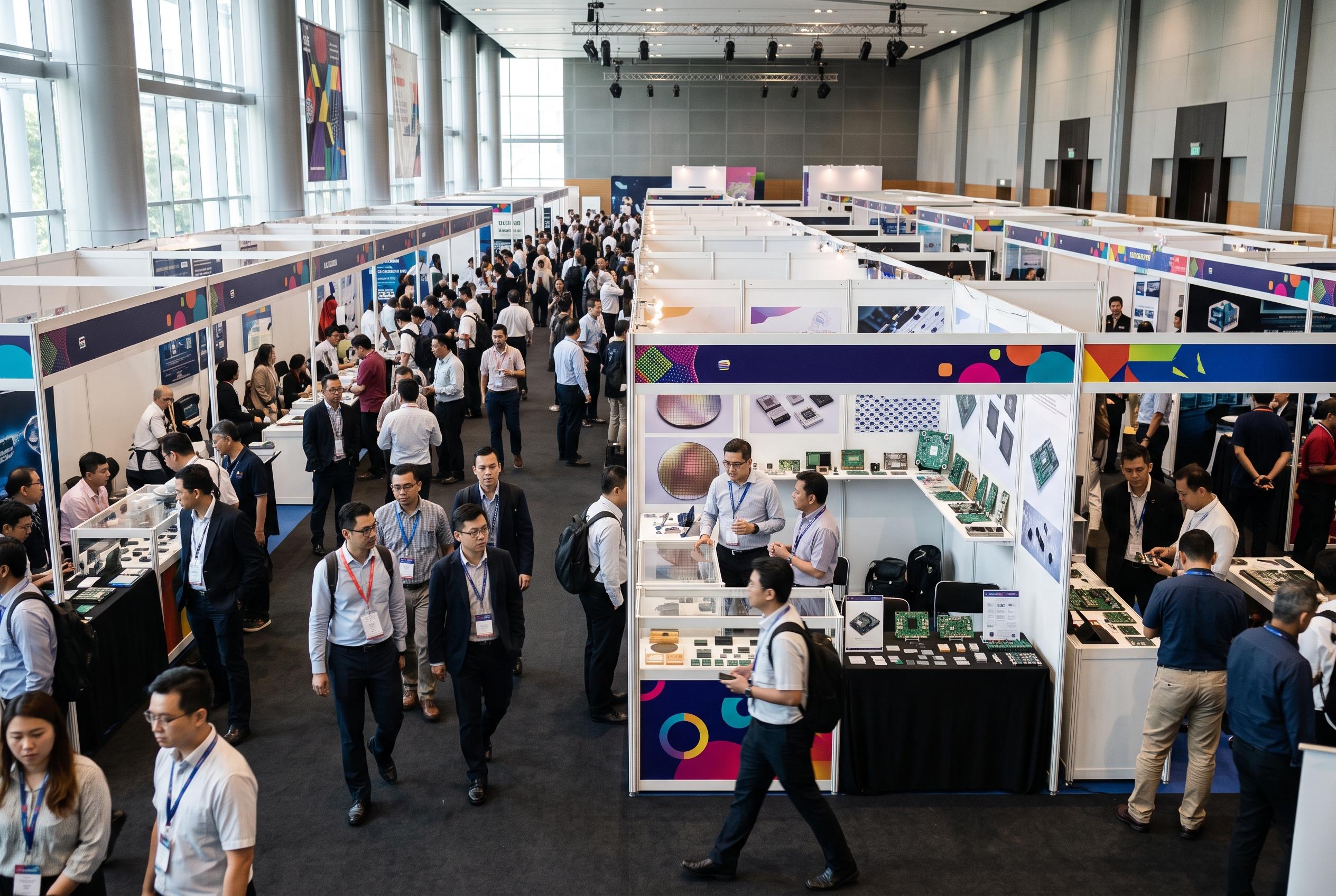
Malaysia is showing off six homegrown semiconductor chips for AI, cars, satellites, and drones, marking a significant move beyond assembly work. Unveiled at the Selangor AI & Semiconductor Summit, the designs reflect a national push to build local intellectual property, attract higher-value investment, and create a stronger position in the global chip industry.
Malaysia wants its name on the chip blueprint
For decades, Malaysia has been an important part of the semiconductor supply chain, particularly in assembly, testing, and packaging. Those jobs matter, but they generally capture less value than designing the architecture and owning the underlying technology.
That is the point of the six new chips unveiled at the Selangor AI & Semiconductor Summit. According to Crypto Briefing, the designs came from companies based at the Malaysia Semiconductor IC Design Park, giving the country a homegrown platform for developing and commercialising chip ideas.
The symbolism is hard to miss. Malaysia isn't abandoning manufacturing, but it's trying to add a more lucrative layer on top of it, where engineering talent, software, patents, and design expertise carry greater weight.
Six chips, four fast-growing markets
The new designs cover a broad mix of uses rather than betting everything on one fashionable category. They target artificial intelligence, vehicles, satellites, drones, and data storage, all areas where smaller, more specialised chips can make a real difference.
SkyeChip's MARS1000 is aimed at edge AI, which processes information directly on devices such as cameras, sensors, and industrial equipment. That can reduce delays and limit the need to send every piece of data to a remote cloud server, a practical advantage when connectivity is patchy or response times matter.
MaiStorage's aiDAPTIV+ focuses on storage, while SiliconX's field-programmable gate array is designed for industrial and automotive applications. Business Today reported that the FPGA is being positioned as Southeast Asia's first homegrown example, with the flexibility to be reconfigured after production.
Why edge AI and flexible chips matter
The appeal of edge AI is fairly easy to understand: fewer trips to the data centre can mean faster responses, lower bandwidth demands, and better control over sensitive information. For a factory camera or autonomous system, waiting for a distant server isn't just inconvenient. It can undermine the whole point of real-time automation.
FPGAs offer a different kind of usefulness. Unlike fixed-function chips, they can be adapted after manufacturing, which makes them attractive for industrial equipment and vehicles whose requirements may evolve. Industry coverage from Chip Dispatch and iTech Guides highlighted the range of applications attached to Malaysia's new designs.
That flexibility may help local developers find customers in specialised markets, where a tailored chip can be more valuable than a mass-market component. It may not produce the loudest product launch, but it can be the sort of quiet engineering win that builds a lasting business.
The strategy is bigger than one launch
The six chips form part of Malaysia's National Semiconductor Strategy, a wider attempt to turn decades of production experience into a foundation for higher-value research and development. The government aims to establish 110 local semiconductor companies focused on valuable technologies and to generate between 300,000 and 500,000 technology-related jobs.
The country is also working with Arm, whose licensed processor architectures are used as building blocks by chip designers around the world. Access to established intellectual property could help Malaysian companies move more quickly from concept to working product, rather than developing every underlying component from scratch.
As FactoryHub and MobileStalk reported, the strategy is meant to strengthen Malaysia's place in the semiconductor chain, not simply add another batch of locally assembled products. That distinction matters because design ownership can create recurring licensing income and deeper technical capabilities.
Can Malaysia turn prototypes into a durable industry?
The chips have an estimated combined sales potential of RM300 million a year, or approximately $74 million. That's a useful commercial signal, although projected potential is not the same as confirmed revenue. The harder test will be winning customers, meeting production requirements, and supporting products long after launch day.
Malaysia also faces serious competition from established semiconductor hubs across Asia. Turning promising designs into widely adopted products will require funding, experienced engineers, reliable manufacturing partners, and a steady pipeline of customers in sectors such as automotive and industrial automation.
Still, the direction looks sensible. As Headtopics and Business Today noted, the showcase gives Malaysia a visible way to demonstrate that its ambitions extend beyond the factory floor. Every major chip industry starts with designs that need proving, and these six give the country something tangible to build on.
The next chapter will be less glamorous but more important: seeing whether these chips move from a summit stage into real devices, real contracts, and repeat orders.
It's a small-looking launch with a very large ambition behind it.
Disclaimer: This article may have been created with AI assistance and reviewed by our editorial team. It is provided for general informational purposes only. Readers should verify information independently before relying on this content.
