




Table of Contents
Why You Need a Dedicated Crypto Laptop
Decoding the Computational Demands of Crypto Trading
10 Best Crypto Laptops for Secure Trading On-the-Go
Choosing the Right Crypto Laptop for You
Exploring Wholesale Laptop Options
In the dynamic realm of cryptocurrency trading, success hinges on having the right tools at your disposal. As the market continues to evolve at a breakneck pace, the need for a high-performance laptop tailored to meet the demands of this fast-paced environment has never been more paramount. This comprehensive guide delves into the essential features and specifications that traders should prioritize when selecting a laptop for cryptocurrency trading, ensuring a seamless and efficient experience.
Why You Need a Dedicated Crypto Laptop
Before diving into our top picks, let's address the elephant in the room – why invest in a dedicated crypto laptop? Here's the deal:
- Security First: Crypto trading involves significant financial risk. A dedicated laptop minimizes the exposure of your sensitive data and digital assets to potential threats lurking on shared devices.
- Performance Powerhouse: Crypto trading platforms, charting software, and security tools demand significant processing power. A dedicated laptop equipped with a robust processor and ample RAM ensures smooth multitasking and lightning-fast execution of trades.
- 24/7 Accessibility: The crypto market operates around the clock. A portable and reliable laptop with long battery life keeps you connected and ready to capitalize on trading opportunities, wherever you are.
Decoding the Computational Demands of Crypto Trading
The cryptocurrency market is characterized by its volatility and rapid fluctuations, necessitating swift decision-making and real-time data analysis. Traders rely heavily on their computing hardware to execute trades, perform technical analysis, and manage multiple transactions simultaneously. This multitasking environment places significant demands on the processor, memory, and storage capabilities of a laptop.
Unraveling the Processor Powerhouse
At the core of any high-performance laptop lies a robust processor, responsible for handling the intricate calculations and computations required for cryptocurrency trading. When evaluating processors, traders should prioritize models that offer superior clock speeds and multi-core architectures, such as the latest iterations of the Intel Core i7 or i9 series, or the formidable AMD Ryzen processors.
These processors are designed to deliver exceptional performance, ensuring that trading software and analytical tools run seamlessly without any lag or delays. Additionally, the cutting-edge Apple M1 and M2 chips have garnered recognition for their impressive processing capabilities, making them viable options for traders who prefer the macOS ecosystem.
Unleashing the Power of Memory
Efficient memory management is crucial for cryptocurrency traders, as it enables seamless multitasking and the concurrent execution of multiple applications. Industry experts recommend a minimum of 16GB of RAM for a smooth trading experience, with 32GB or more being the optimal choice for handling intensive workloads and running resource-intensive trading software.
Harnessing the Speed of Solid-State Drives (SSDs)
In the fast-paced world of cryptocurrency trading, every millisecond counts. Solid-State Drives (SSDs) have emerged as the preferred storage solution for traders, offering significantly faster data access speeds compared to traditional hard disk drives (HDDs). This enhanced speed translates into quicker application loading times, smoother chart rendering, and more responsive trading platforms, providing traders with a competitive edge.
Embracing the Portability of Laptops
While desktop computers offer unparalleled performance, the allure of laptops lies in their portability and flexibility. For traders who frequently travel or prefer a more mobile setup, laptops present an ideal solution. With advancements in technology, modern laptops have bridged the gap in performance, offering robust processing power and extended battery life, making them viable contenders for cryptocurrency trading.
Unveiling the Display Dynamics
Cryptocurrency trading heavily relies on visual analysis, making the display a critical component of any trading laptop. Traders should prioritize laptops with high-resolution displays, preferably with a minimum screen size of 15.6 inches or larger. This increased screen real estate not only enhances chart visibility but also allows for seamless monitoring of multiple cryptocurrency markets simultaneously.
Balancing Performance and Portability
When selecting a laptop for cryptocurrency trading, striking the right balance between performance and portability is paramount. While high-end laptops like the MacBook Pro with M1 or M2 chips offer exceptional processing power and battery life, they may come at a premium price point. Alternatively, budget-friendly options such as the Dell XPS 13 or the ASUS Zenbook S 13 OLED provide a compelling combination of performance and affordability, catering to traders with varying budgetary constraints.
Exploring Operating System Compatibility
The choice of operating system (OS) plays a crucial role in determining the compatibility of a laptop with various cryptocurrency trading platforms and analytical tools. While Windows remains the most widely adopted OS, offering extensive software compatibility and a user-friendly interface, macOS and Linux have gained traction among traders who value stability, security, and customizability.
Traders should carefully evaluate their software requirements and preferences before selecting an OS, as each platform offers unique advantages and limitations in terms of available trading tools and applications.
Enhancing the Trading Experience with Accessories
To further optimize the cryptocurrency trading experience, traders can leverage a range of hardware accessories designed to enhance productivity and efficiency. Multi-monitor setups, for instance, enable traders to monitor multiple cryptocurrency markets simultaneously, providing a comprehensive view of the ever-changing landscape.
Additionally, ergonomic keyboards and high-precision mice can significantly improve comfort and accuracy during extended trading sessions. Uninterruptible Power Supplies (UPS) serve as a safeguard against data loss and system disruptions caused by power outages, ensuring uninterrupted trading operations.
Prioritizing Security and Reliability
In the realm of cryptocurrency trading, where sensitive financial data is at stake, security and reliability should be top priorities. Traders should consider laptops with advanced security features, such as hardware encryption, biometric authentication, and robust antivirus and anti-malware software, to protect against potential cyber threats.
Furthermore, laptops designed with stable architectures, efficient cooling systems, and reliable power supplies can mitigate the risks of system failures and downtime, minimizing disruptions during critical trading periods.
You May also Like: General Laptop Guides and Comparisons
- Best Chinese Laptop Brands
- Heat Sink for Laptops
- Desktop vs Laptop CPUs
- Dell Latitude vs Precision
- Refurbished Laptops: Pros & Tips
- 1TB Laptops for Storage
- Gaming Laptops Guide
- Quiet Gaming Laptops
- Laptops for Microsoft Office
- Portable Dual-Screen Monitors
10 Best Crypto Laptops for Secure Trading On-the-Go

The world of cryptocurrency never sleeps. Whether you're a seasoned trader or just starting your crypto journey, having a reliable and secure laptop is crucial for navigating the volatile landscape of digital assets.
But with countless laptops flooding the market, finding the perfect device for your crypto needs can feel like navigating a blockchain maze. Fear not, fellow crypto enthusiasts! We've compiled a comprehensive guide showcasing the 10 best crypto laptops of 2023, catering to both individual traders and wholesale buyers.
Now, let's unveil the top contenders in the crypto laptop arena:
1. Apple MacBook Pro 16-inch (M2 Pro/Max Chip)
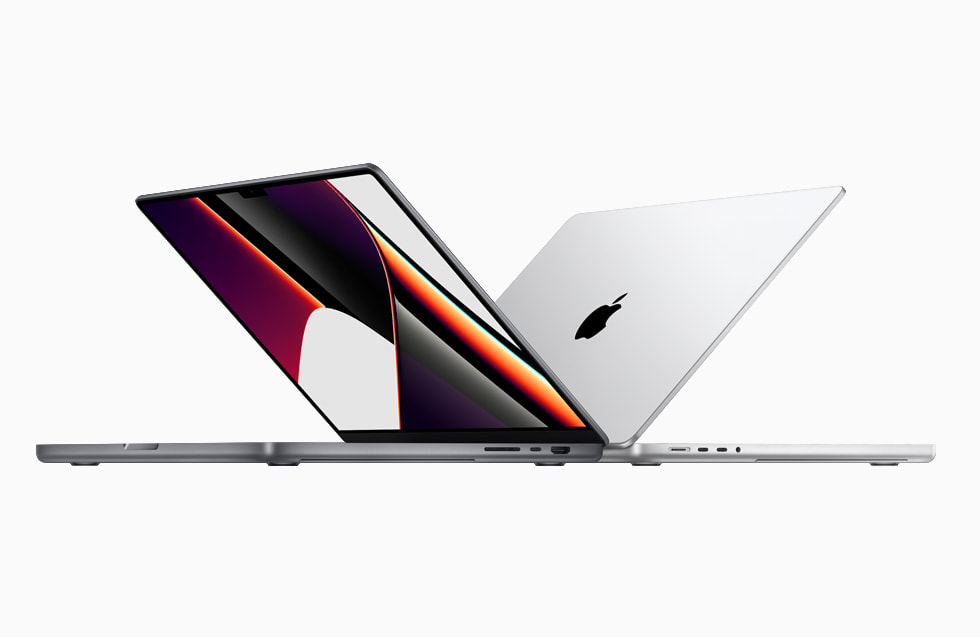
Overview: The MacBook Pro 16-inch with the latest M2 Pro or Max chip is a powerhouse for demanding crypto traders. Its blazing-fast performance, stunning Liquid Retina XDR display, and exceptional battery life make it a top contender.
Pros:
- Unmatched Performance: The M2 Pro/Max chips deliver unparalleled processing power, handling complex charting software and multiple trading platforms with ease.
- Exceptional Battery Life: Stay immersed in the crypto world for up to 22 hours on a single charge, ensuring uninterrupted trading even during power outages.
- Stunning Display: The 16.2-inch Liquid Retina XDR display with ProMotion technology offers vibrant colors, deep blacks, and an incredibly smooth visual experience for analyzing charts and market trends.
- macOS Security: macOS is renowned for its robust security features, providing a secure environment for your crypto trading activities.
Cons:
- Premium Price Tag: The MacBook Pro 16-inch comes at a premium price, making it a significant investment for some traders.
- Limited Ports: The limited port selection might require adapters for connecting external monitors or other peripherals.
2. Dell XPS 13 Plus (13th Gen Intel)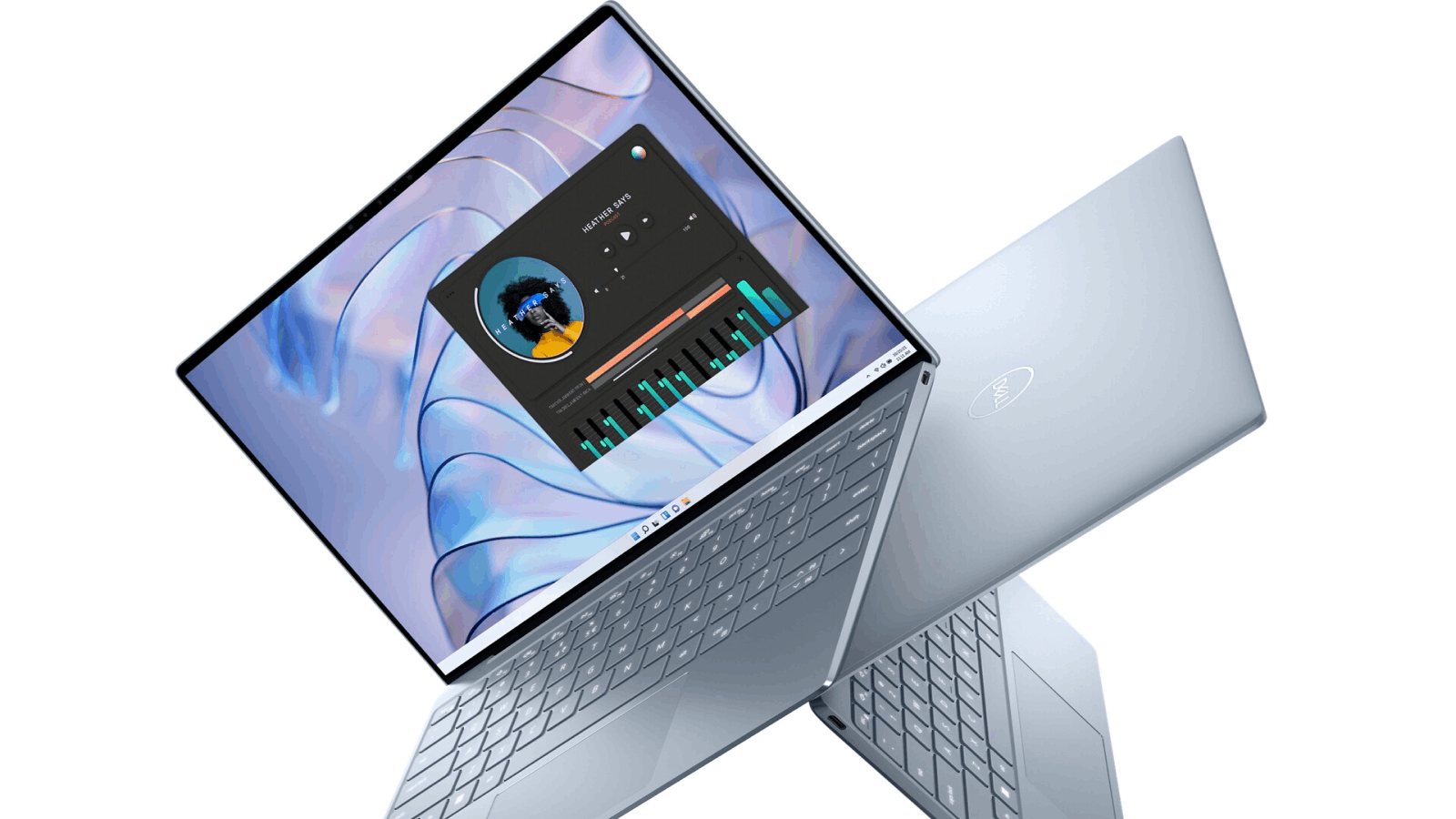
Overview: The Dell XPS 13 Plus is a sleek and powerful ultrabook that packs a punch for crypto trading on the go. Its compact design, stunning OLED display, and impressive performance make it a compelling choice.
Pros:
- Ultra-Portable Design: The XPS 13 Plus is incredibly thin and lightweight, making it ideal for traders who prioritize portability.
- Brilliant OLED Display: The optional 3.5K OLED touchscreen display offers stunning visuals with vibrant colors and deep blacks, perfect for analyzing charts and market data.
- 13th Gen Intel Power: The latest 13th Gen Intel processors deliver exceptional performance for handling demanding trading applications.
- Long Battery Life: Stay productive and trade for hours on end with the XPS 13 Plus's impressive battery life.
Cons:
- Limited Port Selection: The slim design comes at the cost of limited port options, potentially requiring adapters for connectivity.
- Pricey for High-End Configurations: Upgrading to the OLED display and higher-end specs can significantly increase the price.
3. Lenovo ThinkPad X1 Carbon Gen 10 (12th Gen Intel)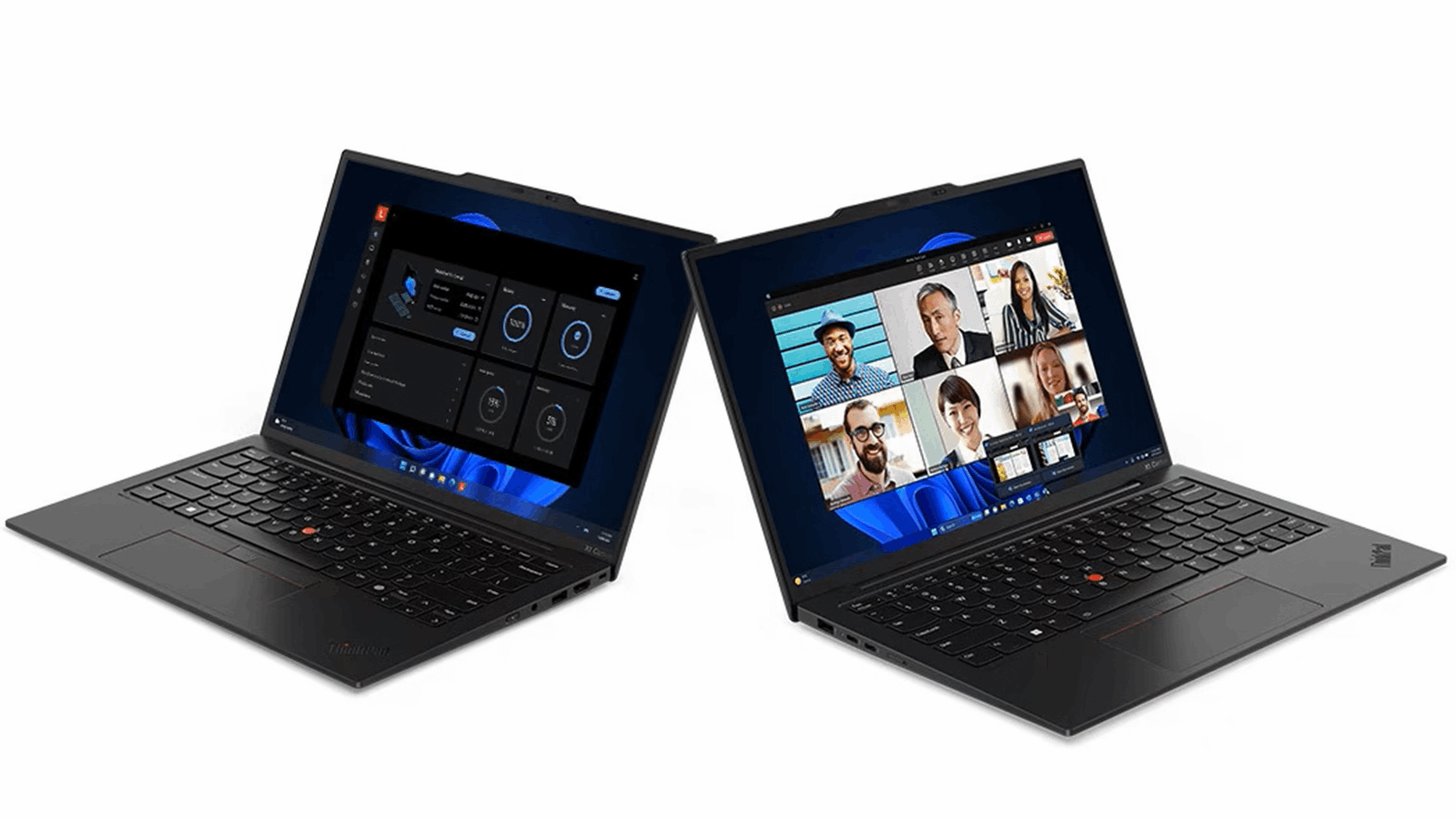
Overview: The Lenovo ThinkPad X1 Carbon Gen 10 is a durable and reliable business laptop that excels in security and performance, making it a solid choice for security-conscious crypto traders.
Pros:
- Legendary Durability: Built to withstand the rigors of daily use, the ThinkPad X1 Carbon is MIL-STD-810H certified for durability.
- Robust Security Features: Equipped with a fingerprint reader, IR camera for Windows Hello facial recognition, and dTPM 2.0 chip for enhanced security.
- Excellent Keyboard: Renowned for its comfortable and responsive typing experience, ideal for long trading sessions.
- Lightweight Design: Weighing in at just over 2.4 pounds, the X1 Carbon is incredibly portable for traders on the move.
Cons:
- Average Battery Life: While respectable, the battery life might not be sufficient for all-day trading without access to a power outlet.
- Underwhelming Speakers: The built-in speakers are adequate but might not be ideal for multimedia presentations or entertainment.
4. Asus ROG Zephyrus G14 (AMD Ryzen 9/Radeon RX)
Overview: Don't let the "ROG" (Republic of Gamers) branding fool you – the Asus ROG Zephyrus G14 is a powerful and portable laptop that's well-suited for crypto trading and gaming alike.
Pros:
- Powerful AMD Ryzen Processor: Equipped with AMD Ryzen 9 processors, the G14 delivers exceptional performance for demanding tasks like charting and analysis.
- Dedicated Graphics Card: The Radeon RX graphics card provides a significant boost for graphically intensive applications and even allows for casual gaming.
- Compact and Portable: The G14's lightweight and compact design makes it easy to carry around for trading on the go.
- Competitive Price: Offers excellent value for its performance, making it a compelling option for budget-conscious traders.
Cons:
- Fan Noise: The powerful components can generate noticeable fan noise, especially under heavy workloads.
- Average Webcam: The built-in webcam is adequate for video calls but might not be ideal for high-quality streaming or recording.
5. Microsoft Surface Laptop 5 (12th Gen Intel)
Overview: The Microsoft Surface Laptop 5 is a stylish and well-rounded laptop that excels in productivity and offers a premium user experience, making it a suitable option for traders who value aesthetics and performance.
Pros:
- Premium Build Quality: The Surface Laptop 5 boasts a sleek and premium design with a comfortable Alcantara fabric keyboard deck.
- Vibrant PixelSense Display: The 13.5-inch or 15-inch PixelSense display offers sharp visuals, vibrant colors, and excellent touch responsiveness.
- Solid Performance: 12th Gen Intel processors provide ample power for running trading platforms and other applications smoothly.
- Seamless Windows Integration: As a Microsoft product, the Surface Laptop 5 offers seamless integration with the Windows operating system and its features.
Cons:
- Limited Port Selection: The slim profile results in a limited number of ports, potentially requiring adapters for connectivity.
- Pricey for Higher Configurations: Upgrading to higher RAM and storage options can significantly increase the overall cost.
6. Razer Blade 14 (AMD Ryzen 9/GeForce RTX)
Overview: The Razer Blade 14 is another powerful gaming laptop that doubles as a capable crypto trading machine. Its sleek design, high refresh rate display, and top-of-the-line specs make it a premium choice for discerning traders.
Pros:
- Exceptional Performance: Powered by AMD Ryzen 9 processors and Nvidia GeForce RTX graphics cards, the Blade 14 can handle demanding trading applications and AAA games with ease.
- High Refresh Rate Display: The 14-inch display with up to a 165Hz refresh rate delivers incredibly smooth visuals, ideal for fast-paced trading and gaming.
- Compact and Portable: Despite its powerful components, the Blade 14 maintains a relatively compact and portable design.
- Premium Build Quality: The Blade 14 exudes quality with its sleek aluminum chassis and refined aesthetics.
Cons:
- Premium Price Point: The Razer Blade 14 sits at a premium price point, making it one of the more expensive options on this list.
- Battery Life: The powerful components and high refresh rate display can drain the battery relatively quickly, especially during demanding tasks.
7. HP Spectre x360 14 (12th Gen Intel)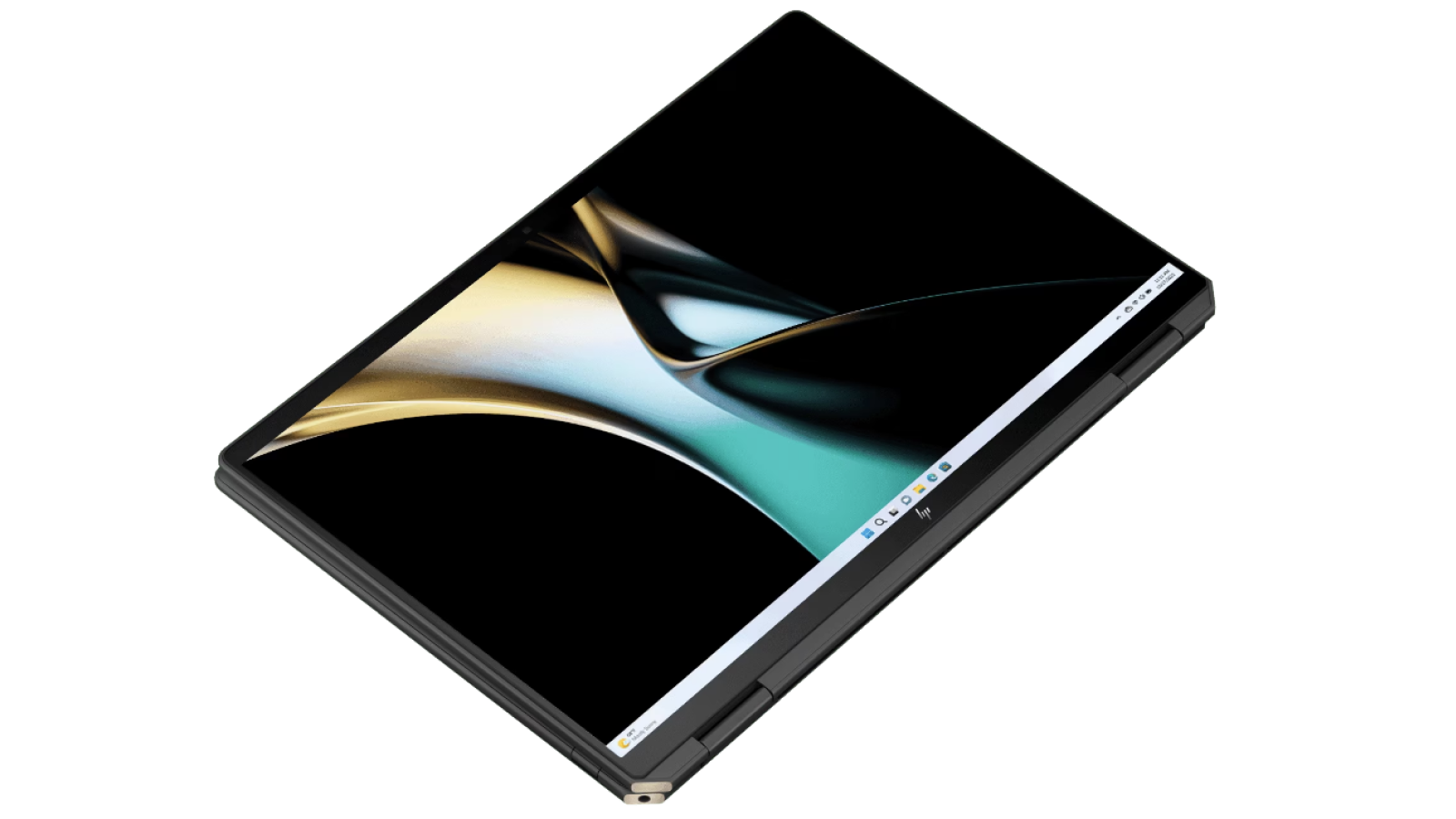
Overview: The HP Spectre x360 14 is a versatile 2-in-1 laptop that converts into a tablet, offering flexibility for traders who value both productivity and portability.
Pros:
- Stunning 3:2 Display: The 13.5-inch or 16-inch OLED display with a 3:2 aspect ratio provides more vertical space for viewing charts and documents.
- 2-in-1 Functionality: Converts seamlessly between laptop and tablet modes, offering flexibility for trading, note-taking, and presentations.
- Premium Design: The Spectre x360 14 boasts a sleek and stylish design with a gem-cut chassis and a comfortable keyboard.
- Solid Performance: 12th Gen Intel processors deliver reliable performance for handling trading platforms and other productivity tasks.
Cons:
- Average Battery Life: The battery life is decent but might not be sufficient for all-day trading without access to a power outlet.
- Pricey for Higher Configurations: Upgrading to higher RAM, storage8. Framework Laptop (Modular & Customizable)
Overview: The Framework Laptop is a unique offering for crypto traders who value customization and repairability. Its modular design allows for easy upgrades and repairs, ensuring longevity and reducing electronic waste.
Pros:
- Highly Customizable: Choose your preferred processor, RAM, storage, and even the ports you need, creating a laptop tailored to your crypto trading requirements.
- Easy to Repair and Upgrade: The modular design makes it incredibly easy to replace or upgrade components, extending the lifespan of your laptop.
- Sustainable Choice: The Framework Laptop's repairability and upgradeability contribute to reducing electronic waste, making it an environmentally conscious choice.
- Competitive Performance: Offers solid performance with a choice of Intel Core i5 or i7 processors, ample RAM, and fast SSD storage.
Cons:
- Not as Widely Available: The Framework Laptop is a relatively new entrant in the market and might not be as readily available as other brands.
- Requires Some Technical Knowledge: While assembly and upgrades are designed to be user-friendly, some technical knowledge is beneficial for maximizing the customization options.
9. LG Gram 17 (12th Gen Intel)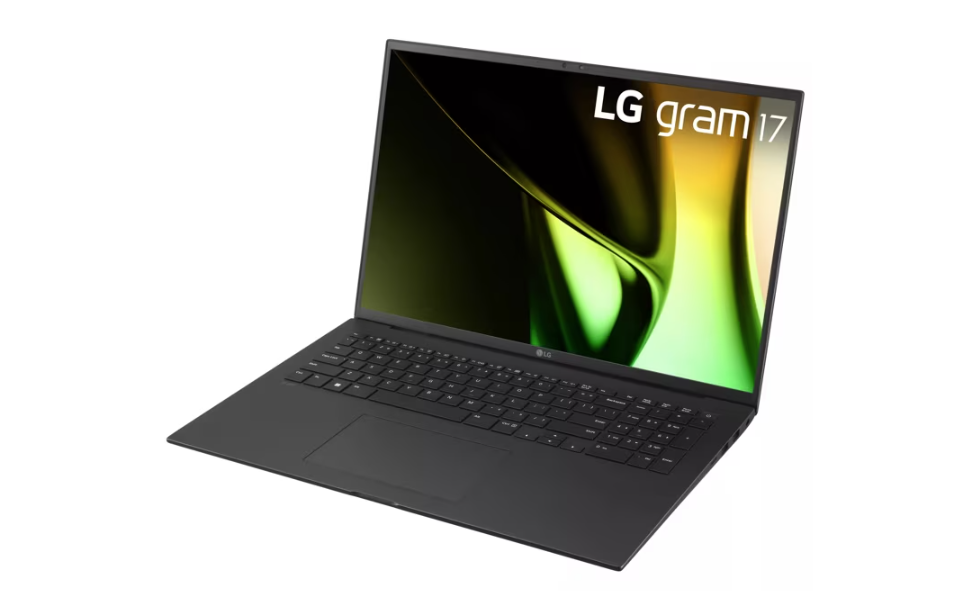
Overview: The LG Gram 17 is a lightweight powerhouse that defies expectations with its large display and impressive battery life, making it an excellent choice for traders who prioritize screen real estate and portability.
Pros:
- Lightweight Design: Despite its large 17-inch display, the LG Gram 17 is surprisingly lightweight, weighing in at under 3 pounds.
- Expansive Display: The 17-inch IPS display provides ample screen real estate for viewing multiple charts, trading platforms, and other applications simultaneously.
- Exceptional Battery Life: Enjoy extended trading sessions with the LG Gram 17's impressive battery life, lasting up to 17.5 hours on a single charge.
- Durable Build: The LG Gram 17 is MIL-STD-810G certified for durability, ensuring it can withstand the rigors of daily use.
Cons:
- Limited Graphics Performance: The integrated graphics might not be suitable for demanding gaming or graphic-intensive tasks.
- Pricey for Higher Configurations: Upgrading to higher RAM and storage options can significantly increase the overall cost.
10. System76 Lemur Pro (Linux Pre-Installed)
Overview: The System76 Lemur Pro is a lightweight and privacy-focused laptop that comes pre-installed with the Linux-based Pop!_OS, making it an excellent choice for security-conscious crypto traders who prefer open-source software.
Pros:
- Linux Pre-Installed: Comes with Pop!_OS, a user-friendly Linux distribution optimized for privacy, security, and productivity.
- Lightweight and Portable: The Lemur Pro is incredibly lightweight, weighing in at just over 2 pounds, making it ideal for traders on the move.
- Focus on Privacy and Security: Pop!_OS offers enhanced privacy features and a strong focus on security, providing a secure environment for crypto trading.
- Long Battery Life: Enjoy extended trading sessions with the Lemur Pro's impressive battery life, lasting up to 14 hours on a single charge.
Cons:
- Limited Software Compatibility: While Linux is gaining popularity, some trading platforms and software might not be compatible with Pop!_OS.
- Steeper Learning Curve: Linux-based operating systems might require a learning curve for users unfamiliar with the platform.
You May also Like: Laptops for Specific Needs
- Laptops for Ableton Live
- Travel-Friendly Laptops
- Homeschool Laptops
- Laptops for Cryptocurrency
- Car Tuning Laptops
- Cybersecurity Laptops
- Podcasting Laptops
- Fusion 360 Laptops
- Laptops with Best Speakers
- College Student Laptops
Choosing the Right Crypto Laptop for You
With so many excellent options available, selecting the best crypto laptop for your needs depends on your individual requirements and budget. Consider the following factors when making your decision:
- Security: Prioritize laptops with robust security features like fingerprint readers, TPM chips, and facial recognition for enhanced protection of your crypto assets.
- Performance: Opt for laptops with powerful processors (Intel Core i7/i9 or AMD Ryzen 7/9), ample RAM (16GB or more), and fast SSD storage for smooth multitasking and efficient trading.
- Portability: Consider the laptop's weight, size, and battery life if you plan to trade on the go.
- Display: Choose a laptop with a high-resolution display (1920x1080 or higher) and good color accuracy for analyzing charts and market trends.
- Budget: Determine your budget and explore laptops that offer the best value for your money without compromising on essential features.
Investing in a dedicated crypto laptop is crucial for secure and efficient trading in the ever-evolving world of digital assets. Whether you're a seasoned trader or just starting your crypto journey, the laptops featured in this guide offer a diverse range of options to suit various needs and budgets.
Remember to prioritize security, performance, and portability when making your decision. With the right crypto laptop by your side, you'll be well-equipped to navigate the exciting and potentially lucrative world of cryptocurrency trading.
Exploring Wholesale Laptop Options
For traders seeking cost-effective solutions or those requiring multiple laptops for their trading operations, exploring wholesale laptop options can be a strategic move. Platforms like Global Sources offer a vast array of wholesale laptops from reputable manufacturers, often at competitive prices.
By leveraging the power of bulk purchasing, traders can potentially secure significant discounts and enjoy the benefits of streamlined procurement processes. However, it is crucial to exercise due diligence when sourcing from wholesale suppliers, ensuring that the laptops meet the necessary specifications and performance requirements for cryptocurrency trading.
Conclusion: Empowering Your Cryptocurrency Trading Journey
In the ever-evolving landscape of cryptocurrency trading, having the right laptop can be the catalyst that propels your success. By carefully evaluating the essential features and specifications outlined in this comprehensive guide, you can make an informed decision and select a laptop that seamlessly meets your trading needs.
Whether you prioritize raw processing power, portability, or a perfect balance of both, the market offers a diverse range of options to cater to traders of all backgrounds and preferences. Embrace the power of technology, and let your trading laptop become the cornerstone of your cryptocurrency trading prowess, enabling you to navigate the dynamic markets with confidence and precision.
FAQs
What's the best laptop for crypto trading?
There is no single "best" laptop for crypto trading, as the ideal choice depends on individual needs and trading style. However, some key features and considerations make certain laptops better suited for the task:
Performance: Crypto trading often involves running multiple applications simultaneously, including trading platforms, charting software, and security tools. A powerful processor (Intel Core i7 or AMD Ryzen 7 or higher) with ample RAM (16GB or more) ensures smooth multitasking and faster execution of trades.
Portability: For traders on the go, a lightweight and portable laptop with a long battery life is crucial. Ultrabooks or slim gaming laptops offer a good balance between performance and portability.
Display: A high-resolution display (1920x1080 or higher) with good color accuracy is essential for analyzing charts and identifying trading opportunities. A larger screen size (15-inch or bigger) provides more screen real estate for multitasking.
Connectivity: Reliable and fast internet connectivity is paramount for crypto trading. Look for laptops with Wi-Fi 6 or 5G support for seamless connectivity.
Security: Security is crucial when dealing with cryptocurrencies. Laptops with built-in fingerprint readers or facial recognition offer an extra layer of security. Consider using a VPN to encrypt your internet traffic and protect your trading activity.
Some popular options:
- MacBook Pro: Known for its powerful performance, excellent display, and long battery life.
- Dell XPS 13/15: Offers a great balance between portability, performance, and display quality.
- Lenovo ThinkPad X1 Carbon: Durable, lightweight, and secure, with excellent battery life.
- Asus ROG Zephyrus G14: A powerful gaming laptop that can handle demanding trading tasks.
Ultimately, the best laptop for crypto trading depends on your budget, trading style, and individual preferences.
What is the best computer for crypto security?
Similar to trading laptops, the "best" computer for crypto security depends on individual needs and risk tolerance. However, prioritizing security features and adopting best practices are crucial:
Operating System:
- Tails: A live operating system specifically designed for anonymity and privacy. It routes all internet traffic through the Tor network, making it difficult to track online activity. Best for high-security needs.
- Qubes OS: Focuses on security by isolation. It compartmentalizes different aspects of your digital life into isolated virtual machines, limiting the impact of potential breaches. Ideal for advanced users comfortable with virtualization.
Hardware:
- Dedicated Offline Computer ("Cold Storage"): The most secure way to store large amounts of cryptocurrency is offline. An older laptop or desktop never connected to the internet can act as cold storage for your private keys.
- Hardware Wallets: Physical devices specifically designed to store cryptocurrency offline. They offer a high level of security against online threats.
Security Practices:
- Strong Passwords and Two-Factor Authentication (2FA): Use unique and complex passwords for all accounts and enable 2FA whenever possible.
- Beware of Phishing Attacks: Be cautious of suspicious emails, websites, or messages requesting personal information or access to your accounts.
- Regularly Update Software: Keep your operating system, antivirus software, and other applications up-to-date to patch security vulnerabilities.
Remember, no system is entirely foolproof. Combining a secure computer setup with safe browsing habits and responsible cryptocurrency management is crucial for maximizing protection.
Which is the best laptop for trading?
The best laptop for trading, whether stocks, forex, or crypto, depends on your specific needs and trading style. However, some key features are universally important:
High-Performance Processor and RAM: Trading often involves running multiple applications simultaneously, including trading platforms, charting software, and news feeds. A powerful processor (Intel Core i7 or AMD Ryzen 7 or higher) and ample RAM (16GB or more) ensure smooth multitasking and quick execution of trades.
Fast and Reliable Storage: A Solid-State Drive (SSD) is crucial for fast boot times, quick loading of applications, and efficient data access.
High-Quality Display: A large, high-resolution display (1920x1080 or higher) with accurate color reproduction is essential for analyzing charts, identifying trends, and monitoring market movements.
Strong Connectivity: A stable and fast internet connection is paramount for trading. Look for laptops with reliable Wi-Fi capabilities (Wi-Fi 6 is ideal) and consider using a wired Ethernet connection for the most stable connection.
Ergonomics and Portability: Traders often spend long hours in front of their laptops. A comfortable keyboard, a responsive trackpad, and a lightweight design are essential for prolonged use.
Some popular options:
- MacBook Pro: Renowned for its powerful performance, stunning display, and long battery life.
- Dell XPS 13/15: Offers a great balance of portability, performance, and display quality.
- Lenovo ThinkPad X1 Carbon: Durable, lightweight, and secure, with excellent battery life.
Ultimately, the best laptop for trading depends on your budget, trading style, and individual preferences. Consider what features are most important to you and choose a laptop that best meets your specific needs.
What is the best OS for crypto trading?
The "best" operating system (OS) for crypto trading depends on individual priorities and risk tolerance. Here's a breakdown of popular options:
Windows:
- Pros: Most widely used OS, offering excellent compatibility with trading platforms, charting software, and security tools. Familiar user interface for most users.
- Cons: Can be more vulnerable to malware and security threats compared to other options.
macOS:
- Pros: Known for its user-friendliness, stability, and strong security features. Offers a good selection of trading applications and a sleek user experience.
- Cons: Limited hardware options and generally more expensive than Windows laptops.
Linux:
- Pros: Highly customizable and secure, with a strong focus on privacy. Offers a wide range of distributions (distros) tailored for different needs.
- Cons: Steeper learning curve for users unfamiliar with Linux. Compatibility with some trading platforms and software might be limited.
Tails (Live OS):
- Pros: Specifically designed for anonymity and privacy. Routes all internet traffic through the Tor network, making it difficult to track online activity.
- Cons: Not ideal for everyday use. Requires technical proficiency and can be slower than other options.
Considerations:
- Security: Linux and Tails offer enhanced security and privacy features, while Windows and macOS rely on user vigilance and security software.
- Compatibility: Windows boasts the widest compatibility with trading platforms and software.
- Ease of Use: Windows and macOS are generally considered more user-friendly, while Linux requires a learning curve.
Ultimately, the best OS for crypto trading depends on your individual needs and priorities. Consider your technical expertise, security concerns, and desired trading experience when making your decision.
You May also Like: Specialty Laptops and Accessories

