




In 2026, the snack industry will continue its rapid evolution, but the focus is shifting from simply “more choices” to “smarter, healthier and more responsible choices.” On the basis of continuous market expansion, leading companies such as PepsiCo, Nestlé and Mondelēz International are further upgrading their product portfolios around health, flavor diversity, sustainability and personalization. Consumers are not only looking for delicious snacks, but are also paying closer attention to ingredient transparency, nutritional balance and the stories behind brands, which is driving a new round of product innovation and category segmentation.
Compared with previous years, the concept of “snacking” in 2026 is becoming more scenario‑based and functional. Snacks are increasingly integrated into daily life as meal replacements, energy supplements, social sharing items and emotional comfort foods. Healthy, functional, plant‑based and culturally diverse products are becoming mainstream rather than niche. At the same time, brands are deepening their efforts in environmentally friendly packaging, sustainable sourcing and circular economy practices to respond to regulatory requirements and consumer expectations for green consumption, turning sustainability into a core element of brand competitiveness.
The snack industry has experienced significant development since the early 20th century, from traditional simple snacks to today's wide variety of modern snacks with rich flavors, and the market size has continued to expand. Currently, the global snack market is dominated by major players such as PepsiCo, Nestlé, and Mondelēz International. These brands have maintained their competitiveness in the global market by constantly innovating and adapting to market needs. In 2025, the snack industry is ushering in new changes, with the core trend focusing on the diversity of food choices. This article takes a closer look at these trends and analyzes their impact on the snack industry.
Table of Contents
Diverse Flavors and Cultural Fusion
Sustainable Development and Environmentally Friendly Packaging
Personalized and Customized Snacks
Health and Nutrition Trends
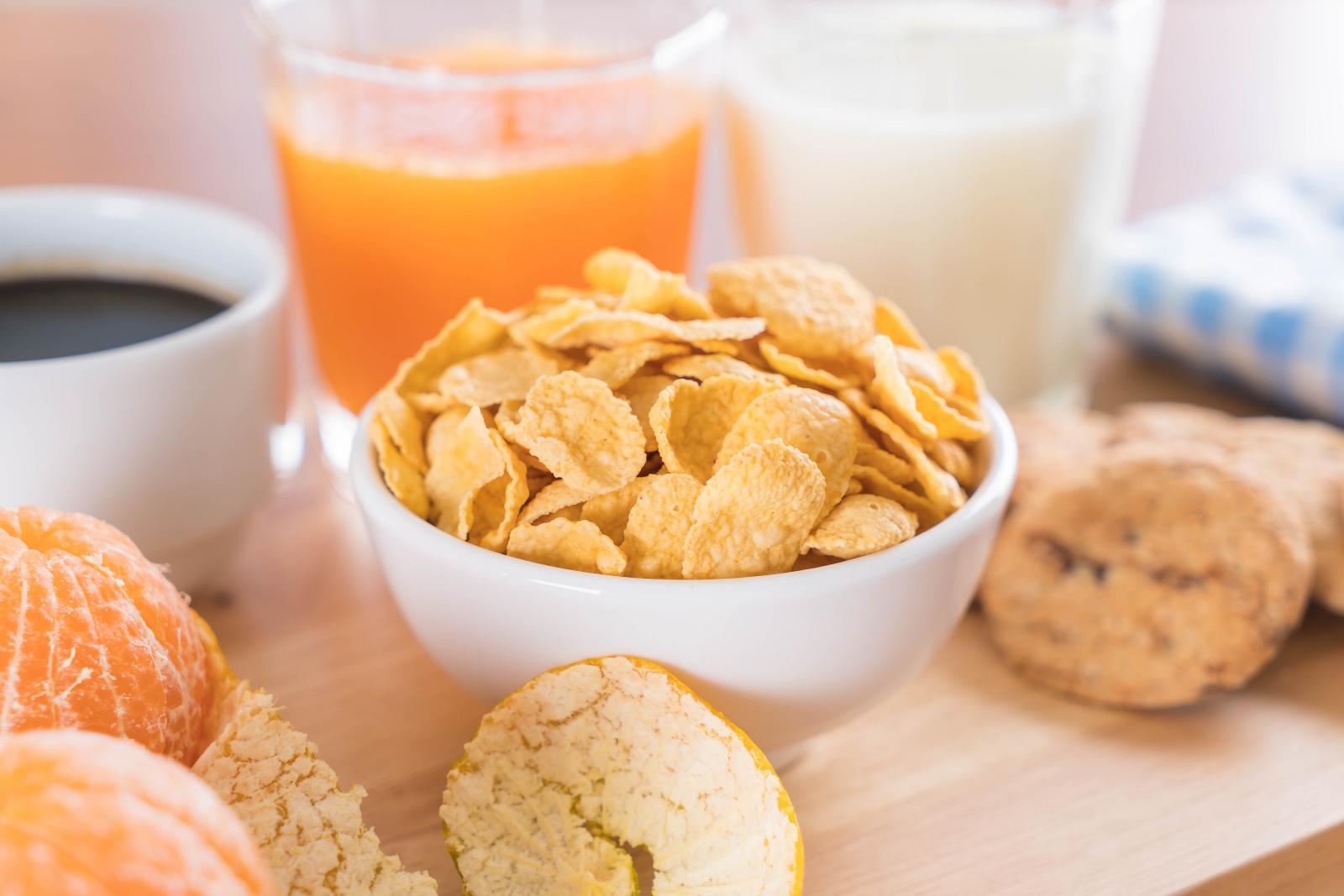
The rise of healthy snacks
As health awareness increases, consumer demand for low-sugar, low-fat and high-protein snacks continues to increase. A range of healthy snacks are emerging on the market, such as Quest Nutrition’s high-protein energy bars and Kind’s low-sugar nut bars, which not only meet consumers’ health needs but also provide delicious options. Consumers are increasingly paying attention to the ingredients and nutritional value of food, prompting brands to pay more attention to health elements in product development.
Gluten-free and organic snacks are also gaining traction as a result of healthy eating trends. Many consumers choose to eat gluten-free for health reasons or personal preference, while organic foods are favored for their natural, chemical-free nature. Glutino’s gluten-free cookies and Annie’s organic snacks are doing well in the market and are popular among healthy eating enthusiasts. Rising consumer acceptance of gluten-free and organic foods is driving the rapid growth of this market.
Growth of functional snacks
Functional snacks, such as probiotic and dietary fiber snacks, are popular for their gut health benefits. Probiotics help maintain the balance of intestinal flora, and dietary fiber contributes to digestive health. Activia's probiotic yogurt and Fiber One's dietary fiber biscuits have performed well in the market and won the trust of consumers. Functional snacks not only meet consumers' health needs, but also enhance the credibility of the product through scientific research and clinical verification.
In addition, energy bars and sports snacks are also growing, with the main target consumers being athletes and fitness enthusiasts. Clif Bar's energy bars and Gatorade's sports snacks have successfully attracted a large number of loyal users through product innovation and precise market positioning. Energy bars are typically high in protein and complex carbohydrates to provide athletes with sustained energy support. Sports snacks provide customized nutritional support for different sports events and intensities.
Diverse Flavors and Cultural Fusion
Introduction of global flavors
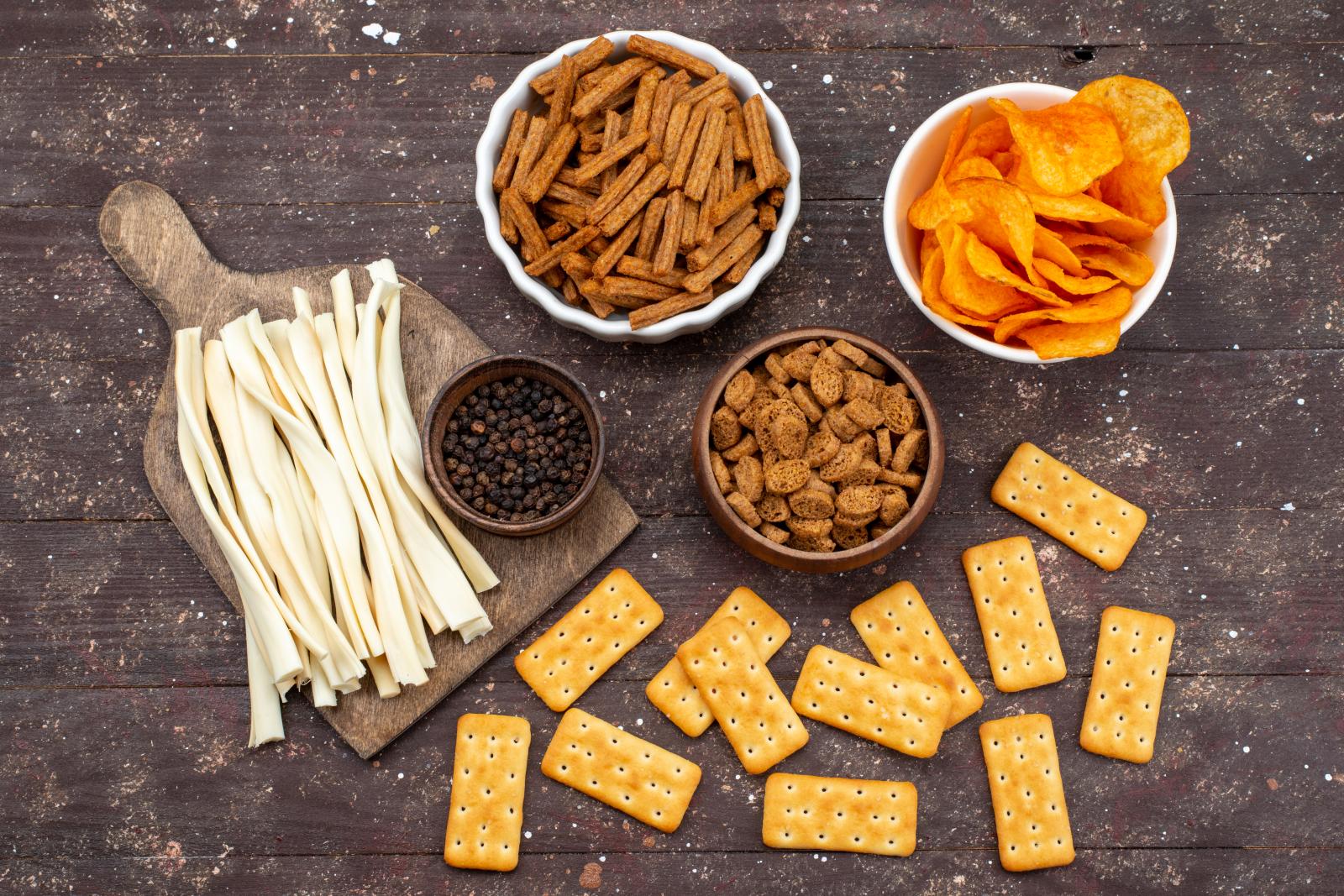
Globalization has made international snacks popular in the market. Asian, Latin American and Mediterranean-style snacks, such as Japanese rice crackers, chipotle chips and Greek yogurt snacks, are popular with consumers. Wasabi Peas, Tajin spicy snacks and Fage’s Greek yogurt are representative products. Consumers' pursuit of novel flavors has prompted brands to continuously introduce and innovate international flavored snacks, enriching market choices.
Cross-cultural fusion snacks, such as Thai spicy popcorn and Indian curry-flavored potato chips, bring novel taste experiences by mixing flavors from different cultures. Increasing consumer acceptance of these innovative flavors is driving further market growth. Through cross-cultural integration, brands can attract more diverse consumer groups and increase market share.
Local specialty snacks
Local specialty snacks show huge market potential in localized production and sales. Local specialty snacks such as American beef jerky and French macarons are not only popular in the local market, but also reach the international market through brand promotion. Jerky’s beef jerky and Ladurée’s macarons are examples of successful local brands. Local specialty snacks enhance the uniqueness and appeal of the brand by reflecting local culture and traditions.
Seasonal and festive snacks, such as gingerbread for Christmas and candies for Halloween, attract a large number of consumers through marketing for specific holidays and seasons. Festive marketing and limited-time promotions further boost sales of these snacks. By launching seasonal and festive limited products, brands can not only increase sales, but also enhance the emotional connection between the brand and consumers.
Sustainable Development and Environmentally Friendly Packaging
Application of environmentally friendly packaging
The application of environmentally friendly packaging has become an important trend in the snack industry. The use of degradable and recyclable packaging materials is not only in line with environmental protection trends, but also driven by government regulations. Lays’ biodegradable potato chip bags and Nestlé’s recyclable packaging are typical examples. Environmentally friendly packaging not only reduces environmental pollution, but also enhances the brand's social responsibility image and wins the support of consumers.
Reduced plastic usage and innovative packaging designs have received positive feedback from the market. Alter Eco's environmentally friendly packaging chocolates have won praise from consumers and become a successful case of environmentally friendly packaging by reducing the use of plastic. Through innovative packaging design, brands can not only improve the environmental performance of products, but also enhance product appeal and differentiation.
Sustainable production and supply chain management
The selection of sustainable raw materials, such as Rainforest Alliance certification and Fair Trade certification, has become an important standard in the snack industry. Ben & Jerry’s demonstrates its commitment to the environment through sustainable sourcing of raw materials. Sustainable production and supply chain management not only help protect the environment, but also enhance a brand's long-term competitiveness and market reputation.
Food waste reduction and circular economy practices, such as food donation and reuse programs, are gaining ground in the snack industry. Too Good To Go's food waste reduction application is one of the success stories, demonstrating the potential for future development. By reducing food waste and promoting a circular economy, brands can not only achieve sustainable development, but also enhance corporate social responsibility and brand image.
Personalized and Customized Snacks
Customized taste and nutritional needs
Personalized snack subscription platforms, such as SnackNation, provide personalized snack subscription services through a combination of technical support and market demand. DNA testing customized snacks and personalized nutrition plans are further driving this market. The personalized snack ordering platform provides customized snack selections by analyzing consumers' health data and taste preferences to meet consumers' individual needs.
Customizing snacks according to health needs, such as the combination of Fitbit data and snack selection, demonstrates the market potential of customized products. MyProtein's customized protein powder has won the favor of consumers through personalized service. Through personalized customization, brands can not only increase the added value of products, but also enhance consumer loyalty and satisfaction.
Creative packaging and brand personality
Unique packaging design and brand stories have become important marketing strategies. RXBAR has successfully attracted consumers' attention through simple packaging and transparent ingredient list, becoming a typical case of a successful brand. Creative packaging and brand personality can not only enhance product recognition, but also enhance the brand's emotional connection and market competitiveness.
Limited edition and collaborative snacks, such as holiday limited editions and brand co-branded items, have achieved good market response through special edition marketing. Oreo's collaborations with different brands demonstrate successful cases of brand cooperation and innovation. By launching limited edition and collaborative products, brands can not only increase sales, but also enhance the brand's market influence and consumers' desire to buy.
Also Read:
- Top Food and Beverage Trends 2024
- Food Service Trends 2024
- Food Processing Trends 2024
- Food Delivery Trends 2024
- Snack Food Trends 2024
- Fast Food Trends 2024
- Pet Food Industry Trends
- Food Industry Trade Shows 2024-2025
- Fancy Food Show 2024
- Frozen Chinese Food Brands
- Food Truck Industry Trends 2024
- Start a Food Truck Business
- Wholesale Dog Food Guide
- Hot Food Vending Machines Guide
FAQS
1. What are the main trends in the snack industry?
Key trends in the snack industry include health and nutrition, variety of flavors, sustainability and personalization. These trends reflect consumer demand for healthy food, global flavors, eco-friendly packaging and personalized products.
2. Why are healthy snacks becoming more and more popular?
As health awareness increases, consumers are paying more and more attention to the ingredients and nutritional value of food. Healthy snacks with low sugar, low fat and high protein meet consumers' needs for healthy eating while also providing delicious options.
3. What are functional snacks?
Functional snacks are snacks that have specific health benefits, such as probiotic snacks for gut health and dietary fiber snacks for digestive health. Functional snacks not only provide nutrition but also enhance product credibility through scientific research and clinical validation.
4. Why are international snacks so popular?
Globalization has made consumers more interested in the tastes of different cultures. International flavor snacks, such as Asian, Latin American and Mediterranean flavor snacks, provide novel taste experiences and satisfy consumers' pursuit of diverse tastes.
Conclusion
The snack industry is developing in the direction of health and nutrition, diversified flavors, sustainable development and personalized customization. Continuous innovation and market adaptation will be the key for brands to remain competitive. By meeting the diverse needs of consumers, the snack industry will usher in broader development prospects.

